
Assisted living Westchester NY: Ultimate Guide 2026
Finding the Right Care for Your Loved One
Assisted living Westchester NY provides a supportive residential option for seniors who need help with daily activities but want to maintain their independence. With many licensed facilities across the country offering a range of services and specialized care, finding the right community requires understanding your loved one’s needs, budget, and the level of support available.
Quick Overview: What You Need to Know
- Average Cost: About $6,000 per month in higher cost areas like Westchester County, NY (range: roughly $4,500-$8,000+)
- Who It’s For: Seniors needing help with Activities of Daily Living (ADLs) like bathing, dressing, medication management
- Services Included: Three meals daily, housekeeping, 24-hour supervision, social activities, transportation
- Specialized Care: Memory care communities available for dementia and Alzheimer’s support
- State Regulation: Facilities are licensed and regulated by state health departments
Families across the country face the difficult decision of finding care for a loved one experiencing memory loss or cognitive decline. Whether you’re exploring options in Westchester County, NY, or closer to our Michigan communities in Ann Arbor, Ypsilanti, or Saline, you are not just looking for a place to live—you are seeking a community that will provide compassionate, specialized care while maintaining your loved one’s dignity and quality of life.
While this guide uses Westchester County as a reference point for understanding costs and services in a higher-cost market, the core considerations when choosing assisted living are similar nationwide. Understanding services, costs, and care levels will help you compare options in your own area more confidently, whether that’s in New York, Michigan, or elsewhere.
This guide walks you through everything you need to know about assisted living—using examples from various markets including Westchester County—from understanding what is typically included and how pricing works, to identifying the signs that it is time for additional support, to choosing a community that specializes in memory care.
I’m Jason Setsuda, CFO of Memory Lane Assisted Living and a Board Certified Emergency Medicine Physician with over 10 years of medical experience and 5 years as a Medical Director. Through my work with assisted living and memory care communities in Michigan and as a visiting physician, I’ve seen how the right care environment transforms lives for seniors experiencing cognitive decline. Let me help you steer this important decision with clarity and confidence.
What is Assisted Living and What Does it Include?
Assisted living is a residential option designed for seniors who value their independence but require some assistance with daily tasks. It strikes a balance between living independently and receiving comprehensive care, providing a supportive environment where residents can thrive. The core philosophy is to offer care services and activities that keep residents comfortable, engaged, happy, and as independent as possible.
These communities are a type of senior housing that provides support services to older adults who need help with a few activities of daily living (ADLs). This might include assistance with bathing, dressing, grooming, eating, and medication management. We understand that needing help with these personal tasks can be a sensitive issue, and assisted living aims to provide that support with dignity and respect.
All licensed assisted living communities in New York are regulated by the State Department of Health, ensuring a baseline standard of care and safety for residents. This oversight provides peace of mind, knowing that facilities must adhere to specific guidelines for staffing, services, and resident well-being.
Typical Services in Westchester County
When considering assisted living Westchester NY, it’s helpful to know what services are generally included to support a comfortable and engaging lifestyle:
- Three meals a day: Most facilities offer restaurant-style dining with nutritious meals and snacks, often catering to various dietary needs. This takes the burden of meal preparation off residents and ensures they receive balanced nutrition.
- Housekeeping and laundry: Regular housekeeping services keep living spaces tidy, and laundry services help manage personal care, allowing residents to focus on more enjoyable activities.
- Medication management: One of the most common reasons seniors seek assisted living is help with managing their medications, ensuring they are taken correctly and on schedule. Licensed staff typically oversee this critical aspect of care.
- 24-hour supervision and assistance: A dedicated team is available around the clock to provide support and respond to emergencies. This constant presence offers peace of mind for both residents and their families. Many communities also implement advanced safety features, such as emergency response systems and 24-hour security surveillance. Some even integrate innovative technology like AI-powered fall detection systems to improve resident safety.
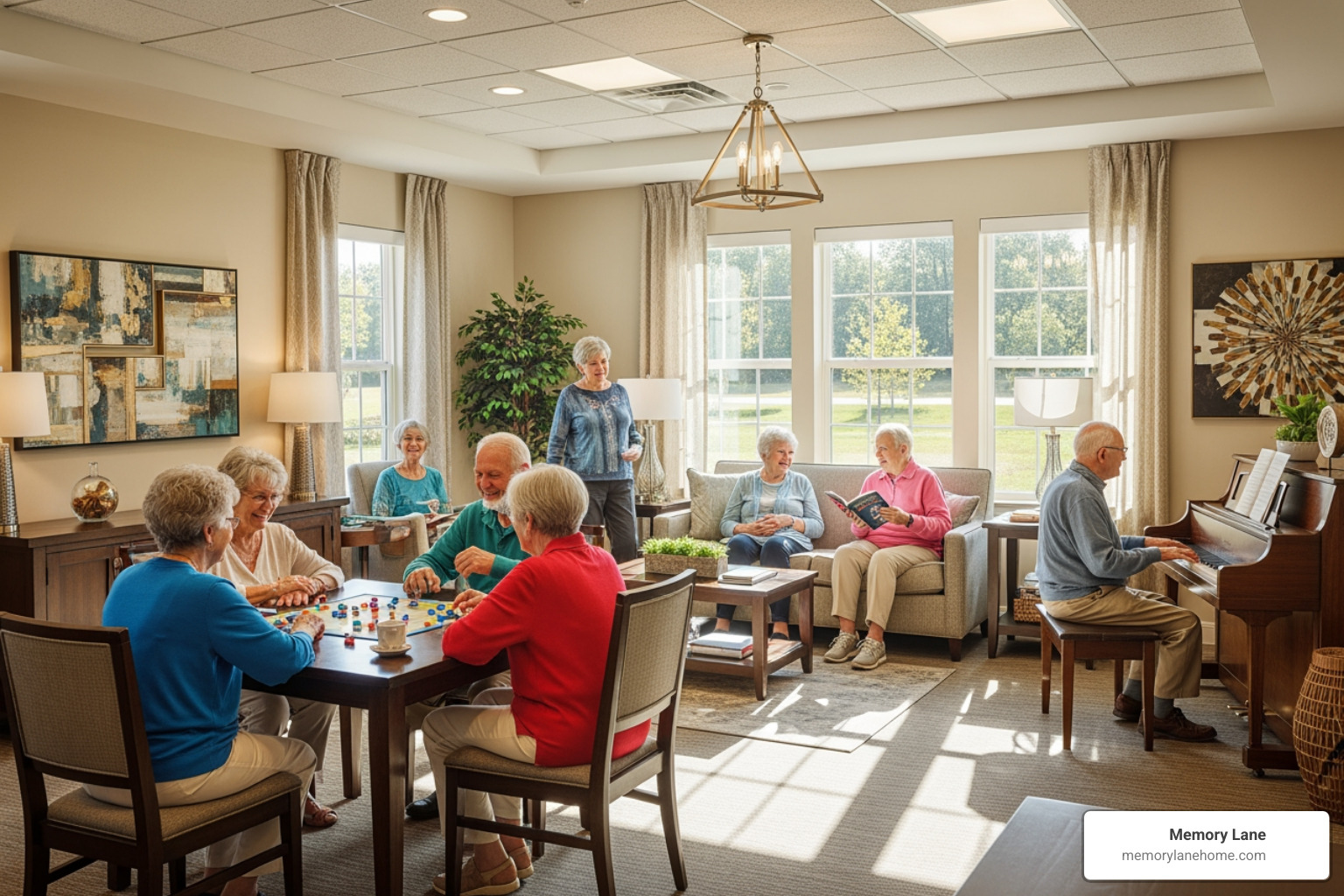
- Social and recreational programs: Assisted living communities are vibrant hubs of activity. They offer a calendar packed with social, educational, and recreational programs designed to improve life and encourage independence. This can include anything from fitness classes and creative arts workshops to cultural programs, live entertainment, and engaging social events. The goal is to foster a sense of community and prevent isolation.
- Transportation services: Scheduled transportation is often provided for appointments, shopping, and community outings, allowing residents to remain connected to the wider community and maintain their independence without the worry of driving.
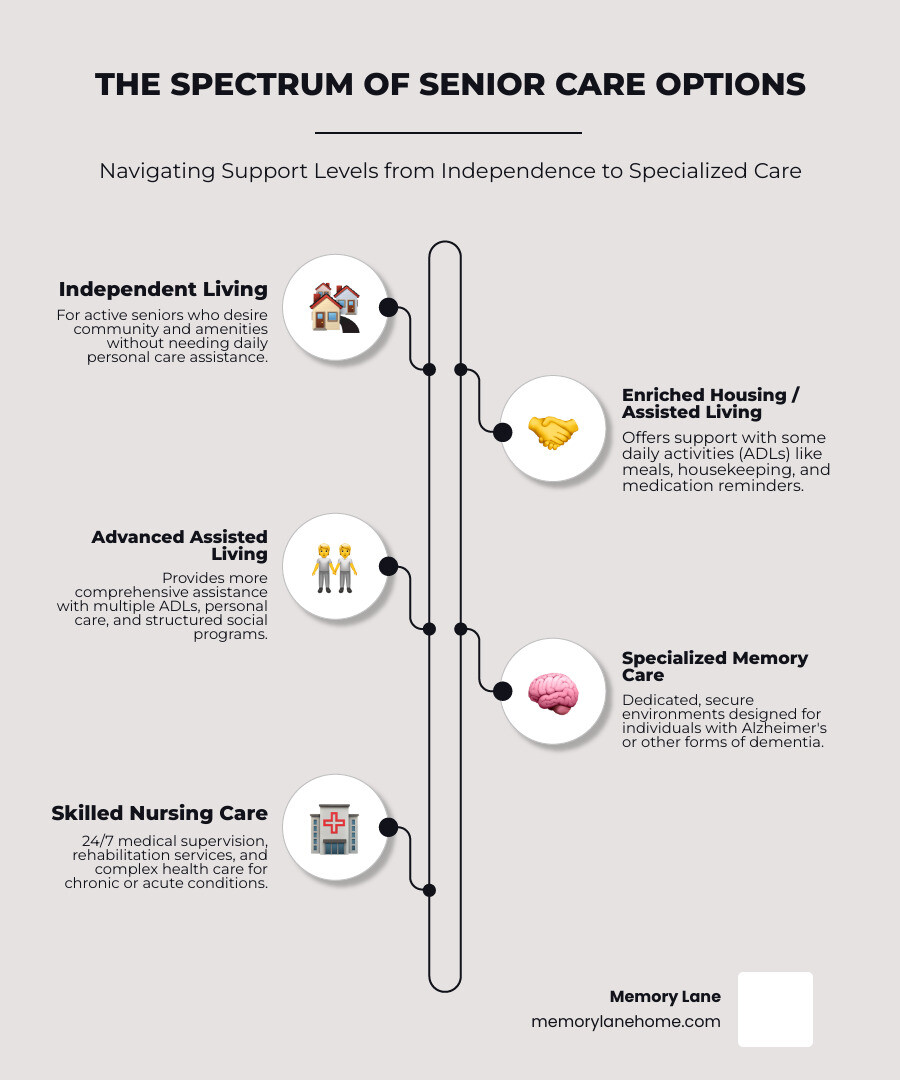
Types of Residential Care Facilities
Westchester County offers a diverse range of residential care options to meet varying needs:
- Assisted Living Residences: These are the most common type, providing personal care services, meals, housekeeping, and social activities in a supportive environment. They are ideal for seniors who need help with ADLs but do not require complex medical care.
- Specialized Memory Care Communities: For individuals living with dementia or Alzheimer’s disease, specialized memory care communities offer a secure environment and programs custom to their unique needs. These communities focus on personalized care, engaging activities designed to stimulate cognitive function, and a supportive atmosphere to help residents find joy and meaning in each day. At Memory Lane, we understand the critical importance of these specialized environments, providing dedicated care plans to improve quality of life for those with memory loss.
- Enriched Housing Programs: These programs often combine housing with supportive services, similar to assisted living, but may have different regulatory structures or cater to specific populations or income levels. They are another option for seniors looking for assistance while maintaining a degree of independence.
Understanding the Costs of Assisted Living
When considering assisted living, financial planning is a crucial step. It is no secret that quality care comes with a cost, and understanding these expenses is essential for making an informed decision. Looking at different markets across the country, from higher-cost areas like Westchester County, NY to more moderate markets in Michigan, can provide a useful frame of reference for how costs are structured.
The average monthly cost for assisted living varies significantly by region. In Westchester County, NY, for example, it’s approximately $6,000. This figure is notably higher than the national average of about $4,500, reflecting the higher cost of living in that region. In Michigan markets like Ann Arbor, Ypsilanti, and Saline, costs typically fall closer to the national average. However, actual costs can range significantly, from approximately $4,500 to over $8,000 per month, depending on several key factors.
Here is what typically influences the price:
- Level of Care Required: This is often the primary driver of cost. Residents who need more extensive assistance with ADLs, medication management, or have specialized needs (like memory care) will generally incur higher monthly fees. Facilities conduct assessments to determine the appropriate level of care and tailor a care plan, which directly impacts pricing. For example, some facilities offer “Improved Assisted Living” which provides a higher level of medical oversight and assistance.
- Apartment Size and Type: Whether a resident chooses a studio, one-bedroom, or two-bedroom apartment, and if it is furnished or unfurnished, will affect the cost. Private rooms are typically more expensive than shared accommodations.
- Amenities and Services: Communities offering a wider array of luxury amenities—such as swimming pools, fitness centers, gourmet dining options, on-site salons, extensive activity programs, and scheduled excursions—will naturally have higher price points. The inclusion of transportation services, specific social work services, or advanced technology (like fall detection systems) also contributes to the overall cost.
- Location and Local Market: In general, areas with a higher overall cost of living or more affluent neighborhoods tend to have higher assisted living fees. This is true in areas like Westchester County, NY, and also in many desirable communities across the country.
While we cannot provide a table comparing in-home care costs directly from the provided research, it is worth noting from our expert knowledge that for seniors requiring a significant amount of daily assistance (for example, 24/7 care), in-home care can sometimes reach or even exceed the cost of assisted living. Assisted living often provides a more comprehensive, all-inclusive package of services and a built-in community that in-home care might not offer as seamlessly.
Financial Assistance and Payment Options
Navigating the financial aspects of assisted living can be daunting, but several options can help families manage the costs. These tools are used by families planning for assisted living and memory care nationwide.
- Private Pay: The most common method, where residents or their families pay for services out-of-pocket using personal savings, pensions, or proceeds from the sale of a home.
- Long-Term Care Insurance: Policies specifically designed to cover the costs associated with long-term care, including assisted living. It is important to understand the specifics of your policy, including daily benefits and waiting periods.
- Veterans Benefits: Eligible veterans and their surviving spouses may qualify for Aid & Attendance benefits, which can provide financial assistance for assisted living expenses.
- Potential State Programs: Many states offer various programs that may provide financial assistance for seniors. State departments of aging and housing are invaluable resources for understanding available programs and support.
In addition, families comparing costs and options may find it helpful to consult with a financial advisor specializing in elder care to explore all potential avenues for assistance.
How to Choose the Right Facility
Selecting the right assisted living community for your loved one is a deeply personal decision that requires careful consideration. It’s about finding a place that feels like home, offers the right level of support, and fosters a vibrant, engaging lifestyle.
The journey often begins with a thorough needs assessment. This crucial step involves evaluating your loved one’s current health status, their ability to perform Activities of Daily Living (ADLs), and any specialized care requirements, such as memory care for dementia or Alzheimer’s. Many state and local departments of aging offer resources and guides to help you understand care options and determine the right level of care.
Once you have a clear picture of their needs, the next step is touring communities. Virtual tours are a great starting point, but in-person visits are essential to truly get a feel for the environment. During these visits, don’t hesitate to spend time observing the interactions between staff and residents, and the overall atmosphere.
Asking the right questions during your tours is vital. Some key questions might include:
- What levels of care are offered, and how does the facility handle changes in a resident’s needs (e.g., aging in place)?
- What is the staff-to-resident ratio, especially during evenings and weekends?
- What are the qualifications and tenure of the caregiving staff?
- What types of activities and programs are available daily?
- How are medical needs managed, and what is the protocol for emergencies?
- Can you provide a sample menu and discuss dining options?
- What security measures are in place, particularly for memory care residents?
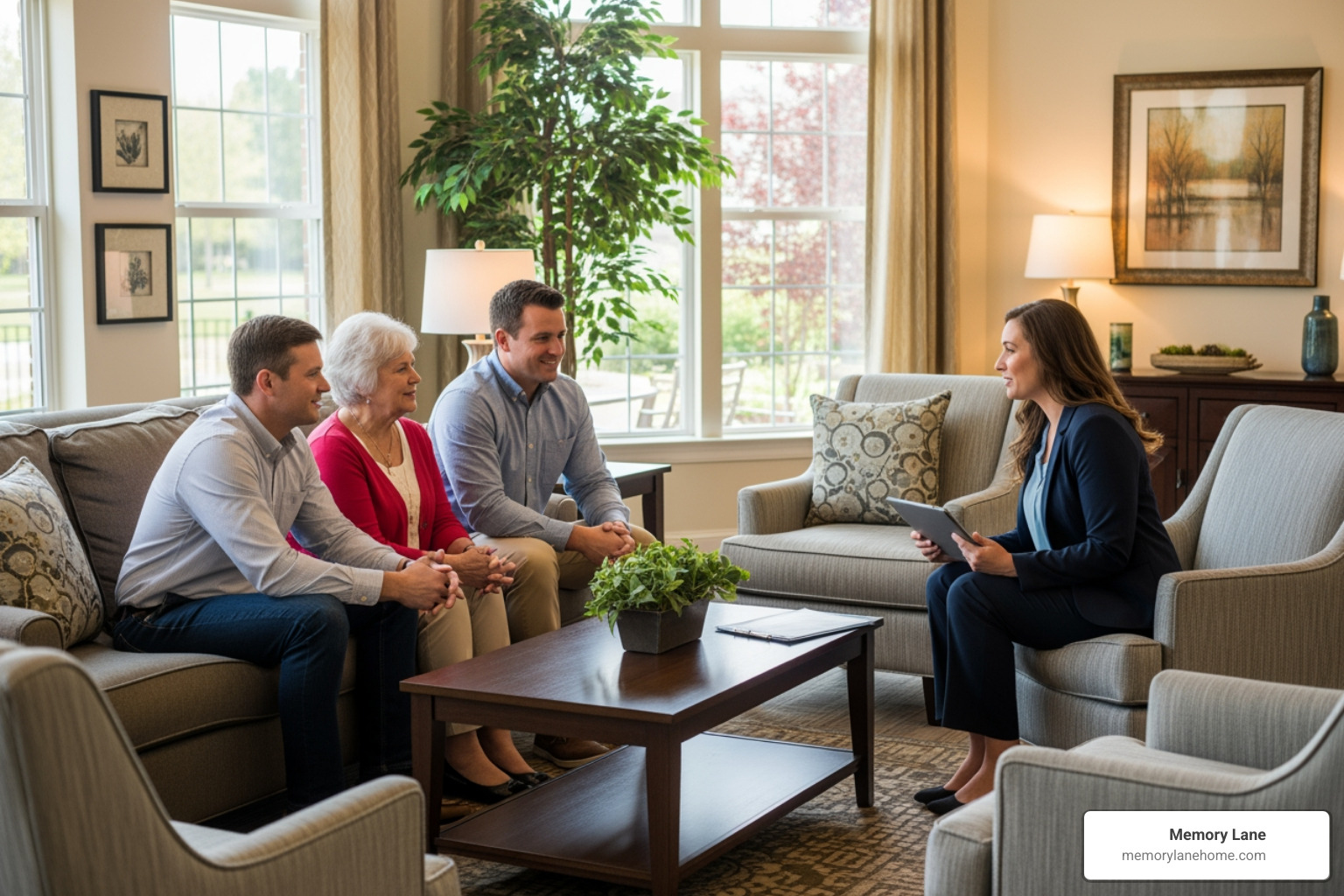
The community culture and atmosphere are incredibly important. Does the community feel warm and welcoming? Do residents appear engaged and happy? A strong sense of belonging and energy within a senior living community can significantly impact a resident’s well-being.
While specific staff-to-resident ratios weren’t detailed in our immediate research, it’s a critical question to ask facilities. A higher ratio often indicates more personalized attention and quicker response times, which are especially important for residents requiring more intensive care.
Signs It’s Time for Assisted Living
Recognizing the signs that a loved one might benefit from assisted living can be challenging, but it’s a compassionate step towards ensuring their safety and quality of life. As a medical professional, I’ve seen these indicators firsthand:
- Difficulty with ADLs: This is one of the most common signs. If your loved one struggles consistently with tasks like bathing, dressing, eating, personal hygiene, or getting in and out of bed, it might be time for additional support.
- Increased isolation or loneliness: Social withdrawal, reduced participation in hobbies, or general feelings of loneliness can significantly impact mental and physical health. Assisted living communities offer built-in social opportunities and a vibrant community life.
- Safety concerns at home: Unexplained falls, difficulty navigating stairs, forgetting to turn off appliances, or an inability to respond quickly to emergencies are serious red flags. Assisted living provides a safer, more supervised environment with emergency response systems and 24-hour security.
- Decline in home maintenance: A previously well-kept home becoming neglected can indicate a decline in physical or cognitive ability. This might manifest as unkempt yards, dirty living spaces, or a lack of basic repairs.
- Worsening chronic health conditions: If managing chronic illnesses becomes overwhelming, or if frequent medical appointments require more support than can be provided at home, assisted living offers access to medication management and often on-site medical professionals or therapy services.
- Caregiver stress: If you or other family members are experiencing burnout from providing care, it’s a clear sign that professional assistance is needed. Assisted living can alleviate this burden, allowing family relationships to return to a more supportive and less stressful dynamic.
Key Factors for Choosing Assisted Living
When narrowing down your choices for assisted living, keep these essential factors in mind:
- Location and proximity to family: Choosing a facility that is conveniently located for family visits is often a priority. This ensures continued connection and support.
- Levels of care offered: Look for communities that can accommodate evolving needs. Some facilities offer a “continuum of care” or are “Life Plan Communities,” meaning residents can transition between independent living, assisted living, memory care, and even skilled nursing within the same campus. This allows for “aging in place” without disruptive moves.
- Staff qualifications and tenure: Experienced, professionally trained staff who have been with the community for a long time often indicate a stable and high-quality care environment. Ask about staff training, especially for memory care.
- Dining options and quality: Food is central to well-being. Look for communities that offer a variety of appealing, nutritious meals, accommodate dietary restrictions, and provide a pleasant dining experience.
- On-site amenities and activities: A rich array of amenities (e.g., fitness studios, libraries, salons, gardens) and a diverse activity calendar (social, educational, recreational, cultural) are crucial for resident engagement and quality of life.
- Safety and emergency protocols: Beyond 24-hour supervision, inquire about specific safety features like emergency call systems, secure entrances, and protocols for medical emergencies and natural disasters. For memory care, secure environments are paramount.
The Benefits of Senior Living Communities
Choosing assisted living offers numerous benefits, blending high-quality care with opportunities for engagement and social connection. Whether you’re considering communities in higher-cost markets like Westchester County, NY, or in Michigan communities like Ann Arbor, Ypsilanti, or Saline, the core benefits remain consistent.
- Access to cultural and recreational opportunities: Many assisted living communities are strategically located near cultural institutions, parks, museums, and entertainment venues, providing residents with enriching experiences.
- Variety of senior housing options: Most regions offer a range of senior housing options to meet various needs and budgets, increasing the likelihood of finding the perfect fit for your loved one.
- Proximity to quality medical facilities: Assisted living communities typically maintain relationships with nearby hospitals and healthcare providers, ensuring residents have access to high-quality medical care when needed. Some communities even have affiliations with larger health networks, offering a comprehensive approach to well-being.
- Built-in social connections: One of the greatest benefits is the immediate community of peers, reducing isolation and providing opportunities for new friendships and shared experiences.
Exploring the Local Community
Life in assisted living isn’t confined to the facility walls. Residents have ample opportunities to explore and enjoy local offerings:
- Parks and gardens: Most communities organize regular outings to local parks, botanical gardens, and nature preserves for residents to enjoy outdoor activities and scenic walks.
- Cultural venues: Museums, theaters, and historical sites provide educational and entertaining experiences that keep residents engaged with the broader community.
- Educational opportunities: Many assisted living communities partner with local colleges or community centers to offer lectures, classes, and lifelong learning programs.
- Shopping and dining: Scheduled trips to local shops, restaurants, and farmers markets help residents maintain their independence and enjoy familiar activities.
- Community events: From seasonal festivals to concerts in the park, residents can participate in local events that provide entertainment and social engagement.
These local attractions and activities provide wonderful opportunities for residents and their families to create new memories and stay connected to the wider community.
Key Resources for Your Search
Navigating the options for assisted living can feel like a full-time job. Fortunately, a wealth of resources are available to help you make an informed decision. These organizations provide directories, guidance, and advocacy for seniors and their families, ensuring you have the support you need every step of the way.
Government Resources
These official bodies are excellent starting points for reliable information:
- State Departments of Aging: Every state has a department dedicated to senior services that offers information about licensed facilities, regulations, and available programs. These departments often publish guides to help families understand care options and make informed decisions.
- State Departments of Health: These agencies license and regulate assisted living facilities, ensuring they meet safety and care standards. Their websites often include searchable databases of licensed facilities.
- Local Area Agencies on Aging: These regional organizations provide information, assistance, and advocacy for seniors and their families at the local level.
- Medicare.gov: While Medicare doesn’t typically cover assisted living, this site offers valuable resources about healthcare options and can help you understand what services might be covered.
Advocacy and Support Organizations
- National Institute on Aging: Provides research-based information about aging and age-related conditions, including resources for caregivers.
- Alzheimer’s Association: Offers extensive resources for families dealing with dementia and Alzheimer’s disease, including guidance on choosing memory care facilities.
- AARP: Provides comprehensive resources about senior living options, caregiving, and financial planning for retirement.
- Local senior centers: These community resources often have information about local assisted living options and can provide referrals and guidance.
These resources are designed to equip you with the knowledge and connections needed to confidently steer the assisted living landscape, whether you’re searching in Michigan, New York, or anywhere else in the country.
Conclusion
Choosing the right assisted living Westchester NY community is one of the most significant decisions a family can make for a loved one. We’ve explored the various facets of this journey, from understanding what assisted living entails and its associated costs, to identifying the critical signs that care is needed, and finally, how to select a facility that truly meets individual needs.
The key decision factors always circle back to personalized care, a supportive community, and an environment that prioritizes dignity and independence while ensuring safety and well-being. Westchester County offers a robust selection of senior living options, enriched by its vibrant community, proximity to cultural hubs, and access to quality healthcare.
For those seeking specialized support for dementia or Alzheimer’s, it’s crucial to find a community that offers custom programs, secure environments, and a deep understanding of memory care. These specialized settings are designed to improve the quality of life, provide engaging activities, and offer compassionate support for residents and their families.
At Memory Lane, we specialize in 24/7 personalized, compassionate support for individuals with dementia and Alzheimer’s. We offer custom care plans, engaging activities, and a secure environment, focusing on enhancing residents’ quality of life and independence. To learn more about how we can support your loved one, we invite you to explore our specialized memory care services.