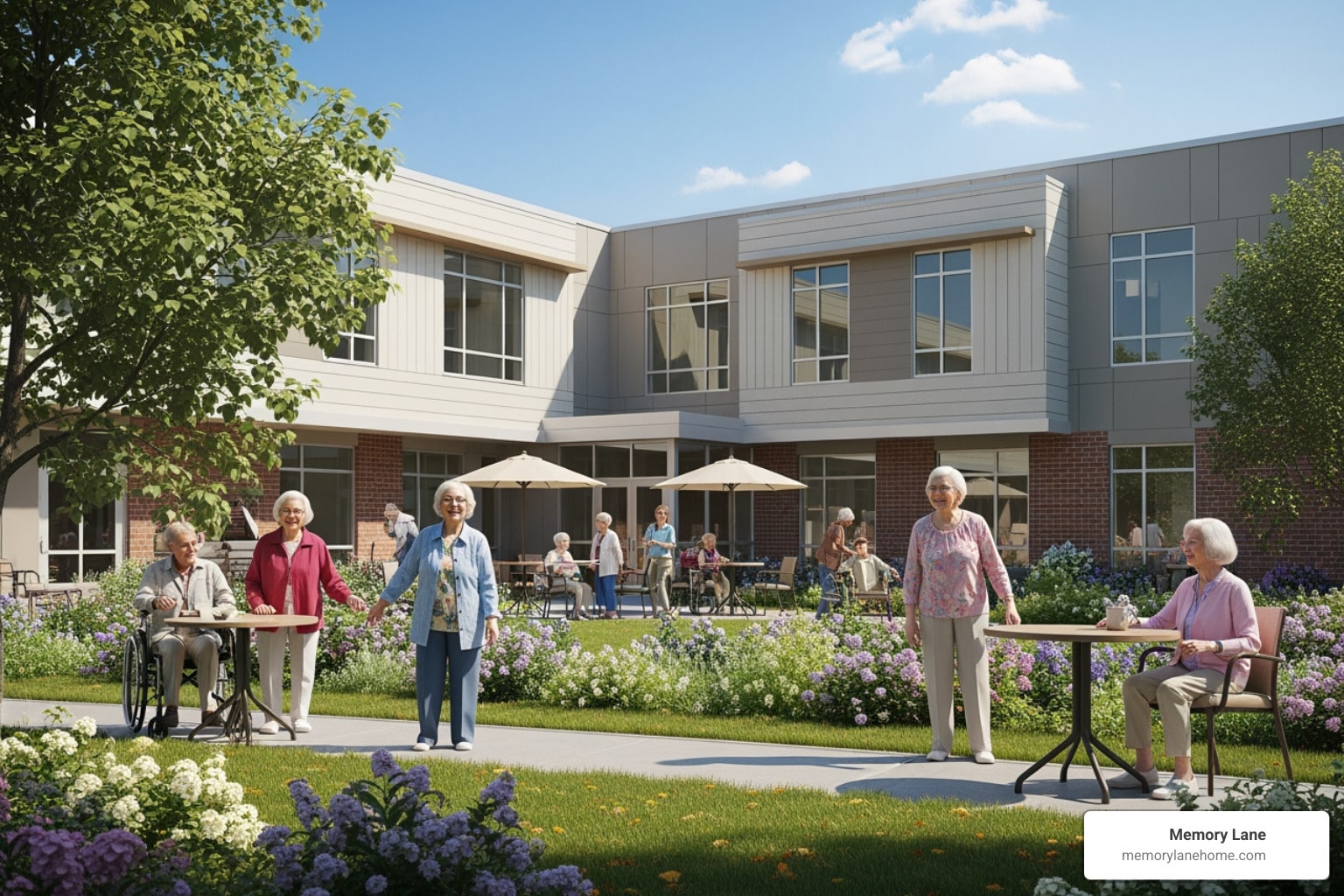
Find the best assisted living near me within 5 mi. Discover local benefits, essential services, costs, and financial aid for optimal care.

What Are Your Assisted Living Options? A Senior Housing Breakdown
Assisted Living Options 2025: Smart Choices
Understanding Your Senior Care Choices
Assisted living options provide housing and personalized care for seniors who need help with daily activities but want to maintain independence. These communities offer a middle ground between living at home and nursing home care, with services ranging from medication management to 24/7 supervision.
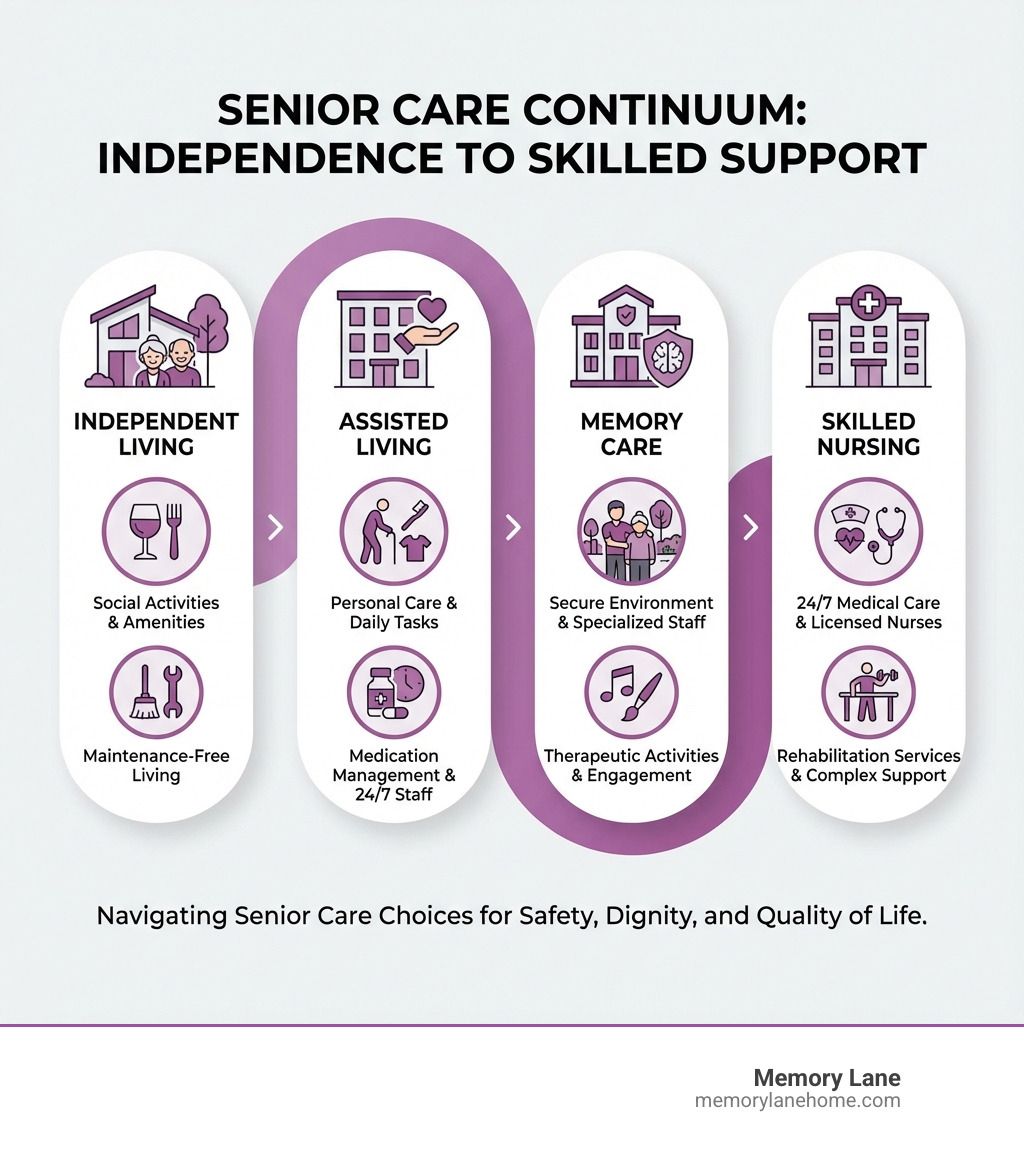
Key Assisted Living Options at a Glance:
| Care Type | Best For | Key Features | Average Monthly Cost |
|---|---|---|---|
| Independent Living | Active seniors needing no daily care | Maintenance-free living, social activities, amenities | ~$3,000 |
| Assisted Living | Seniors needing help with 1-2 daily tasks | Personal care, meals, medication management, 24/7 staff | ~$4,800 |
| Memory Care | Individuals with dementia or Alzheimer’s | Secure environment, specialized staff, therapeutic activities | ~$5,375+ |
| Skilled Nursing | Those requiring 24/7 medical care | Licensed nurses, rehabilitation services, complex medical support | ~$8,200 |
| CCRC | Seniors planning for changing needs | All levels of care on one campus | Varies by contract |
Sometimes an older person can no longer live safely or comfortably in their own home. Maybe they’re struggling with bathing and dressing, or perhaps isolation is affecting their well-being. For families navigating these challenges, understanding the full range of senior housing becomes essential.
The decision often feels overwhelming. You might be noticing signs that your loved one needs more support—difficulty managing medications, increased falls, or memory lapses that worry you. You want them safe, but you also want them to maintain dignity and independence.
This guide breaks down the major assisted living options available, from independent living communities to specialized memory care. You’ll learn what services each provides, who they’re best suited for, and how costs compare. We’ll also explore how to evaluate facilities and steer the transition process.
I’m Jason Setsuda, a Board Certified Emergency Medicine Physician and CFO at Memory Lane Assisted Living, with over 10 years of medical experience and 5 years in medical administration. Throughout my career working with seniors and families, I’ve helped countless individuals understand their assisted living options and find the right level of care that balances safety with quality of life.
Basic assisted living options glossary:
Understanding the Senior Living Spectrum: Assisted Living vs. Other Care Types
The senior care landscape offers a wide spectrum of care, from active independence to intensive medical support. Understanding where assisted living options fit in this continuum is key to choosing the right path for your loved one in Ann Arbor, Ypsilanti, or Saline, Michigan.

What is Assisted Living?
Assisted living provides support with daily activities while fostering independence. It’s designed for older adults who need help with tasks like bathing, dressing, or medication management—typically assistance with no more than two activities of daily living (ADLs). Residents live in private apartments or rooms within a community, sharing common areas that promote social interaction. The goal is to ensure residents feel safe and cared for without sacrificing their freedom to live a full life. To dig deeper into what these communities offer, you can read our guide on understanding assisted living communities.
Assisted Living vs. Independent Living
The main difference between assisted and independent living is the level of personal care.
-
Independent Living: This is for active, self-sufficient seniors. It offers a maintenance-free lifestyle with a focus on social engagement and amenities like pools, dining options, and activities. While security is provided, personal care services are not. Costs typically range from $1,000 to $3,500 per month, lower than assisted living. For more details on independent living costs, refer to independent living cost data.
-
Assisted Living: This is for seniors who need help with daily tasks (ADLs) but not complex medical care. It includes personalized support, medication management, and 24-hour supervision, plus social amenities. The average monthly cost is around $4,300 to $4,800 due to the added care services.
Assisted Living vs. Nursing Homes
The difference between assisted living and nursing homes (skilled nursing facilities) is the level of medical care.
-
Assisted Living: Focuses on personal care and support for daily living in a residential, homelike setting. Residents are generally mobile and don’t need continuous medical attention.
-
Nursing Homes: Provide a high level of medical care, including 24/7 licensed nursing, rehabilitation services, and medical monitoring. They are for individuals with chronic health issues or those recovering from surgery. This intensive care makes nursing homes more expensive (average $7,756-$8,821/month) and less independent than assisted living. For more comprehensive insights, consult information on long-term care facilities.
Assisted Living vs. Aging in Place
Many seniors wish to “age in place” in their own homes, but it’s important to weigh this against assisted living options.
-
Aging in Place with Home Care: This involves hiring in-home care, which costs an average of $26 per hour. While 20 hours a week may cost around $2,080 per month, 24/7 care can exceed $17,000 monthly. Home care offers familiarity but can lead to social isolation and still requires home maintenance. Learn more about this approach through more on aging in place.
-
Assisted Living: This offers a vibrant alternative with a built-in community. It provides consistent social interaction, which combats loneliness and is linked to longevity and better cognitive health. Assisted living also removes the burden of home maintenance and provides 24/7 staff for emergencies, offering greater peace of mind.
Services, Amenities, and Costs in Assisted Living
When exploring assisted living options in Ann Arbor, Ypsilanti, or Saline, Michigan, it’s key to understand the services, amenities, and costs. These communities are designed to enrich lives, not just provide care.

Core Services and Amenities to Expect
Assisted living facilities typically offer a comprehensive suite of services and amenities designed to support independence, ensure safety, and promote a fulfilling lifestyle. At Memory Lane, and in communities like ours, you can expect:
- Personal Care Assistance: Customized help with Activities of Daily Living (ADLs) like bathing, dressing, and mobility.
- Medication Management: Assistance with reminders, administration, and coordination to ensure proper medication adherence.
- 24-Hour Supervision and Security: Around-the-clock on-site staff and emergency call systems for resident safety.
- Housekeeping and Laundry Services: Reduces daily chores, freeing up time for residents.
- Three Daily Meals: Nutritious meals served in a communal dining room, accommodating dietary needs and fostering social interaction.
- Social and Recreational Activities: A full calendar of fitness classes, workshops, and outings to promote well-being.
- Transportation: Scheduled services for appointments, shopping, and outings.
For a more detailed breakdown of what services you can expect, please see our article on a complete overview of services.
Understanding the Costs of Assisted Living
Cost is a significant factor. Assisted living costs more than independent living but less than a nursing home due to the level of care.
- Average Monthly Cost: The U.S. average is around $4,300 to $4,800.
- State-by-State Variations: Costs vary by location, services, and amenities. Averages in Ann Arbor, Ypsilanti, or Saline, Michigan, may differ from national figures.
- All-Inclusive vs. Tiered Pricing: Facilities may offer an all-inclusive fee or a tiered model with a base rate plus extra fees for additional care. Always clarify what’s included.
- Factors Affecting Cost: Key factors include room size, level of care needed, amenities, and location.
For detailed information on the cost of care, we recommend consulting Genworth’s Cost of Care Survey.
How to Pay for Assisted Living
Paying for assisted living is a common concern. While many pay privately, several options can help:
- Private Funds: Most common method, using savings, pensions, Social Security, or home sale proceeds.
- Long-Term Care Insurance: Policies may cover some or all costs, depending on the terms.
- Veterans Benefits: The Aid & Attendance benefit can help eligible veterans and spouses cover costs.
- Medicare Limitations: Medicare generally does not cover long-term assisted living stays, only short-term skilled nursing or specific medical services.
- Medicaid Waivers: State-specific HCBS waivers may cover care services (not room and board) for eligible individuals. Eligibility and coverage vary. Find more information on Medicaid Home & Community Based Services (HCBS) waivers.
We encourage you to explore all available financial resources and speak with a financial advisor specializing in elder care to develop a comprehensive payment plan.
Exploring Different Assisted Living Options and Specialized Care
Not all senior care needs are the same. While general assisted living is often a perfect fit, some individuals, particularly those with cognitive impairments, require a more specialized environment. Understanding these different assisted living options is crucial.
Who is Assisted Living For? Signs It Might Be Time
Assisted living is for older adults who need more support to live independently but want to thrive in a balanced environment. Here are some signs it might be time to consider assisted living options:
- Difficulty with Activities of Daily Living (ADLs): Struggling with tasks like bathing, dressing, or mobility indicates a need for the hands-on support assisted living provides.
- Increased Falls or Injuries: More frequent falls or difficulty navigating the home safely suggests a need for a supervised environment with safety features.
- Social Withdrawal and Isolation: Loneliness or reduced social activity can be countered by the built-in community and vibrant social calendar of assisted living, which are vital for well-being.
- Caregiver Burnout: When family caregivers feel overwhelmed, professional support from an assisted living community can alleviate the burden and allow for more quality time.
- Worsening Health Conditions or Early Memory Impairment: Difficulty managing medications or early signs of memory loss can be managed with the structured support of assisted living.
Choosing a local assisted living community in Ann Arbor, Ypsilanti, or Saline, Michigan, means your loved one can remain close to family and friends, easing the transition and maintaining familiar connections. You can learn more about the benefits of local assisted living.
Specialized Assisted Living Options for Dementia and Alzheimer’s
For those with dementia or Alzheimer’s, specialized memory care is a vital part of the assisted living options spectrum. At Memory Lane, this is our expertise. Memory care communities are designed for the unique needs of residents with cognitive impairment and include:
- Secure Environments: Facilities are designed to prevent wandering and ensure safety, often including secure outdoor spaces like gardens.
- Specially Trained Staff: Caregivers receive specialized training in dementia care to manage behaviors with compassion and provide person-centered support.
- Therapeutic Programming: Activities like reminiscence therapy, art, and music are custom to engage residents, focusing on their abilities to promote purpose and joy.
- Person-Centered Care: Care plans are customized to an individual’s history, preferences, and routines to respect their dignity and well-being.
Memory Lane Assisted Living specializes in providing 24/7 personalized, compassionate support for individuals with dementia and Alzheimer’s in Ann Arbor, Ypsilanti, and Saline, Michigan. Our custom care plans, engaging activities, and secure environment are all focused on enhancing residents’ quality of life and independence. If you’re looking for specialized care, we invite you to find top dementia-friendly assisted living options and explore Alzheimer’s care facilities.
Continuing Care Retirement Communities (CCRCs)
Continuing Care Retirement Communities (CCRCs), or Life Plan Communities, offer a full continuum of care on a single campus. This allows residents to transition between care levels—from independent living to assisted living, skilled nursing, or memory care—as their needs change, without having to move. This model provides stability and allows seniors to age in one place. CCRCs typically require a significant entrance fee and ongoing monthly fees, with contracts that outline future care costs. They are a good option for those planning long-term or for couples with different care needs.
How to Choose the Right Assisted Living Community
Choosing the right assisted living community is a major decision requiring research, thoughtful questions, and facility visits. Our goal is to empower you to make an informed choice that ensures comfort, safety, and happiness.
Key Factors to Consider When Choosing a Facility
When evaluating assisted living options in Ann Arbor, Ypsilanti, or Saline, Michigan, consider these critical factors:
- Location: Is it convenient for family visits and close to necessary medical services?
- Staffing: What is the staff-to-resident ratio and the staff turnover rate? A lower ratio and low turnover often mean better care.
- Licensing and Reports: Verify state licensing and review recent inspection reports for insights into care quality.
- Culture and Atmosphere: Does the community feel welcoming? Are residents happy and engaged? Do staff interact warmly with them? Sample a meal if possible.
- Reviews: Read online testimonials and speak with current residents and their families for a realistic perspective.
Here are key questions to ask during your tour:
- What is the tenure of key staff like the director?
- How are individual care plans created and updated?
- Can I see a recent activity calendar?
- How is transportation to medical appointments handled?
- What does the monthly fee include, and what costs extra?
- What are your protocols for medical emergencies or outbreaks?
For a comprehensive checklist to use during your visits, you can download the Medicare Nursing Home Checklist.
The Role of Staff and Caregivers
The staff and caregivers are the heart of any community. Their dedication and training directly impact the resident experience. At Memory Lane, we prioritize 24/7 compassionate care, building meaningful relationships that foster trust. For memory care, specialized staff training is paramount. Our caregivers are trained in dementia care to respond effectively to residents’ unique needs, ensuring they receive person-centered care that improves their dignity and quality of life. The impact of well-trained staff cannot be overstated, especially in dementia care. To understand more, you can read about effective dementia care training.
Navigating the Transition to Assisted Living
The transition to assisted living can be challenging. Our goal is to make it as smooth as possible.
- Family Communication: Have open, honest conversations about the reasons for the move. Listen to concerns and frame it as a positive step.
- Involving the Senior: Involve your loved one in the decision-making process, such as touring facilities and choosing a room, to foster a sense of control.
- Downsizing Tips: Start early and focus on keeping items with sentimental or practical value. Plan for a smaller living space.
- Emotional Support: Acknowledge that feelings of sadness or anxiety are normal. Offer support and consider professional guidance if needed.
- Adjusting to Community Life: Encourage participation in activities. Regular family visits and building relationships with staff will help ensure your loved one’s needs are met.
For additional guidance and support during this process, we recommend you download The Caregiver’s Handbook.
Frequently Asked Questions about Assisted Living Options
We understand that choosing the right care for your loved one comes with many questions. Here, we address some of the most common inquiries about assisted living options.
What are Activities of Daily Living (ADLs)?
Activities of Daily Living (ADLs) are fundamental self-care tasks that people perform daily. They are a key component in assessing an individual’s need for care and determining the appropriate level of support, including which assisted living options might be suitable. The six basic ADLs commonly used in care assessments are:
- Bathing: The ability to wash oneself.
- Dressing: The ability to select appropriate clothes and put them on.
- Eating: The ability to feed oneself.
- Toileting: The ability to get to and from the toilet, use it, and clean oneself.
- Transferring: The ability to move from one position to another (e.g., from a bed to a chair).
- Continence: The ability to control bladder and bowel movements.
When a senior needs assistance with two or more of these ADLs, assisted living typically becomes a suitable and beneficial option, as it provides the necessary support while maintaining their dignity and quality of life.
Can couples live together in assisted living?
Yes, absolutely! Many assisted living options are designed to accommodate couples. Communities often offer apartments with various floor plans, allowing couples to continue living together privately while receiving individualized care custom to each partner’s specific needs. This is a significant benefit, as it allows couples to maintain their marital bond, provide emotional support for each other, and share their daily lives in a supportive environment. For example, one partner might need more extensive assistance with ADLs, while the other remains more independent, but both can reside in the same apartment and enjoy all the community’s amenities. We understand the importance of keeping families together, and our communities in Ann Arbor, Ypsilanti, and Saline, Michigan, strive to provide comfortable living arrangements for couples. You can learn more about assisted living for couples.
How do I check a facility’s background and licensing?
Ensuring a facility is reputable and compliant with state regulations is paramount when evaluating assisted living options. Here’s how you can check a facility’s background and licensing:
- State Licensing Agencies: Each state has a department responsible for licensing and overseeing assisted living facilities. In Michigan, you would typically look for information from the Michigan Department of Licensing and Regulatory Affairs (LARA). Their websites usually provide searchable databases of licensed facilities and their inspection histories.
- Online Search Tools: Reputable online resources, such as the Eldercare Locator, can help you find local agencies and state offices on aging or social services that can provide information about facilities in Ann Arbor, Ypsilanti, and Saline, Michigan.
- Reading Inspection Reports: Licensing agencies conduct regular inspections, and their reports are often publicly available. These reports detail any violations found, the severity of the violations, and how the facility addressed them. Reading these reports can offer crucial insights into the quality of care and safety standards.
- Medicare’s Care Compare Tool: While primarily for nursing homes, Medicare’s Care Compare tool can also offer some general information or point you to state resources for assisted living.
- Joint Commission’s Quality Check: For facilities that are accredited by the Joint Commission, their Quality Check tool can provide information on their adherence to quality and safety standards.
Always confirm that a facility is licensed, check for any past complaints or violations, and understand the state regulations governing how care is provided. This due diligence is a critical step in making an informed decision.
Conclusion: Finding the Best Path Forward
Navigating the myriad of assisted living options can feel complex, but with the right information and support, you can find a solution that perfectly balances independence, safety, and quality of life for your loved one. We’ve explored the spectrum of senior living, from independent living to specialized memory care, understanding the unique services, amenities, and costs associated with each. We’ve also highlighted the critical factors to consider when choosing a community and how to approach the transition process with compassion and thoroughness.
At Memory Lane, we believe in a personalized, compassionate approach to care, especially for individuals living with dementia and Alzheimer’s. Our secure environments, specially trained staff, and therapeutic programming are all designed to improve the well-being and dignity of our residents in Ann Arbor, Ypsilanti, and Saline, Michigan. We understand that finding the right fit is about more than just services; it’s about finding a place where your loved one can truly thrive.
We invite you to learn more about our compassionate approach and schedule a tour to see our community firsthand. Let us help you find the best path forward, ensuring peace of mind for your family and a fulfilling life for your loved one.
Related Posts