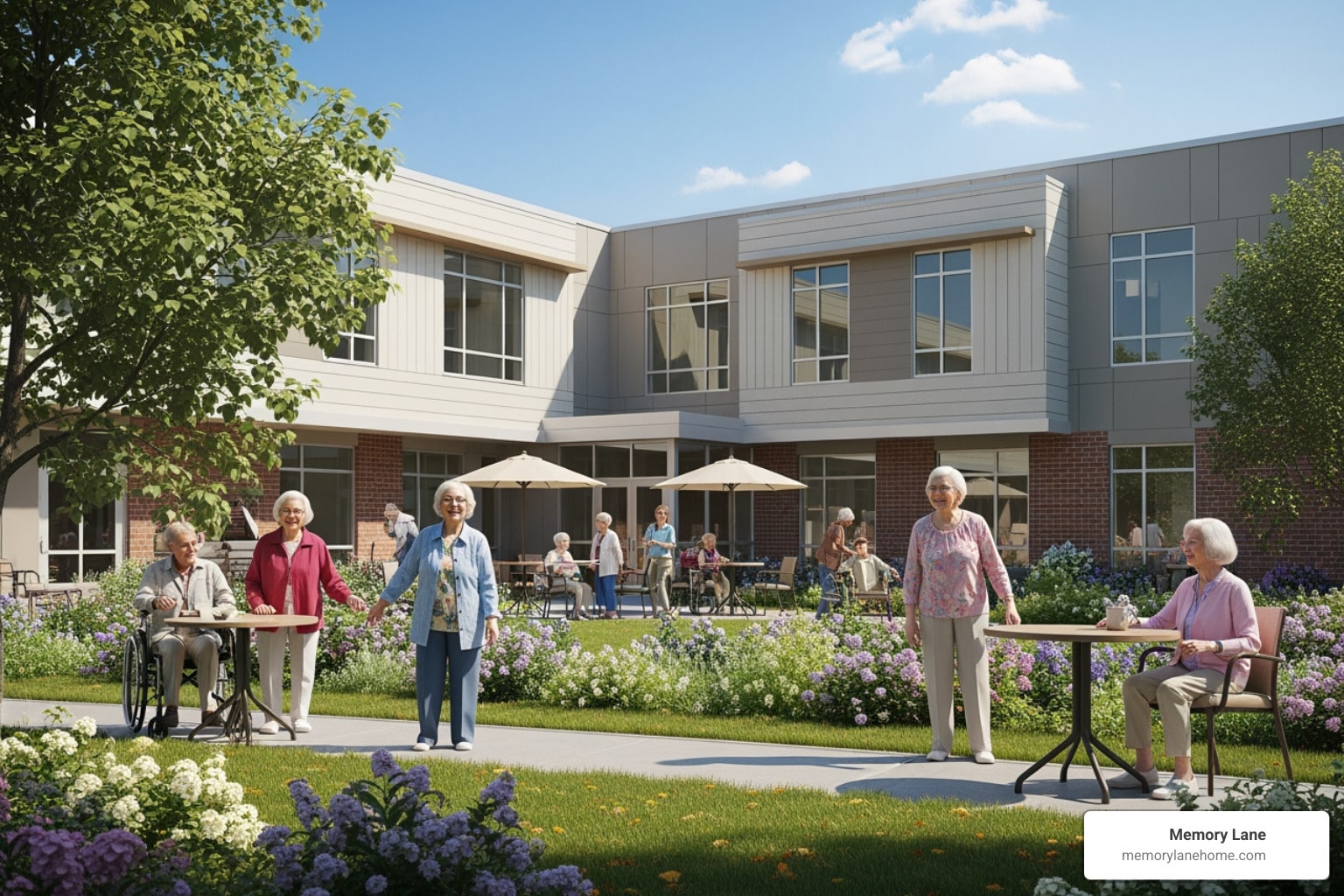
Find the best assisted living near me within 5 mi. Discover local benefits, essential services, costs, and financial aid for optimal care.

Dementia Care in LA: Top Facilities for Your Loved Ones
Los Angeles memory care: Ultimate Guide 2026
Understanding the Need for Specialized Dementia Care
Memory care facilities provide 24/7 personalized support for individuals with dementia and Alzheimer’s disease in secure, purpose-built environments. For families in Michigan, particularly those near Memory Lane’s Ann Arbor, Ypsilanti, and Saline communities, finding the right memory care facility means understanding what quality care truly entails.
Quick Overview: Memory Care Essentials
| Key Factor | What to Expect |
|---|---|
| Average Monthly Cost | Varies based on location within Michigan, services, and level of care required. |
| Key Features | 24/7 supervision, secure environment, specialized staff training, dementia-friendly design |
| Services Included | Medication management, assistance with daily living, structured activities, specialized therapies |
| Types of Communities | Stand-alone memory care or dedicated units within larger assisted living facilities |
When a loved one begins showing signs of memory loss, the search for the right care can feel overwhelming. You’re not just looking for a place to live—you’re searching for a home that provides safety, dignity, and compassionate support custom to the unique challenges of cognitive decline.
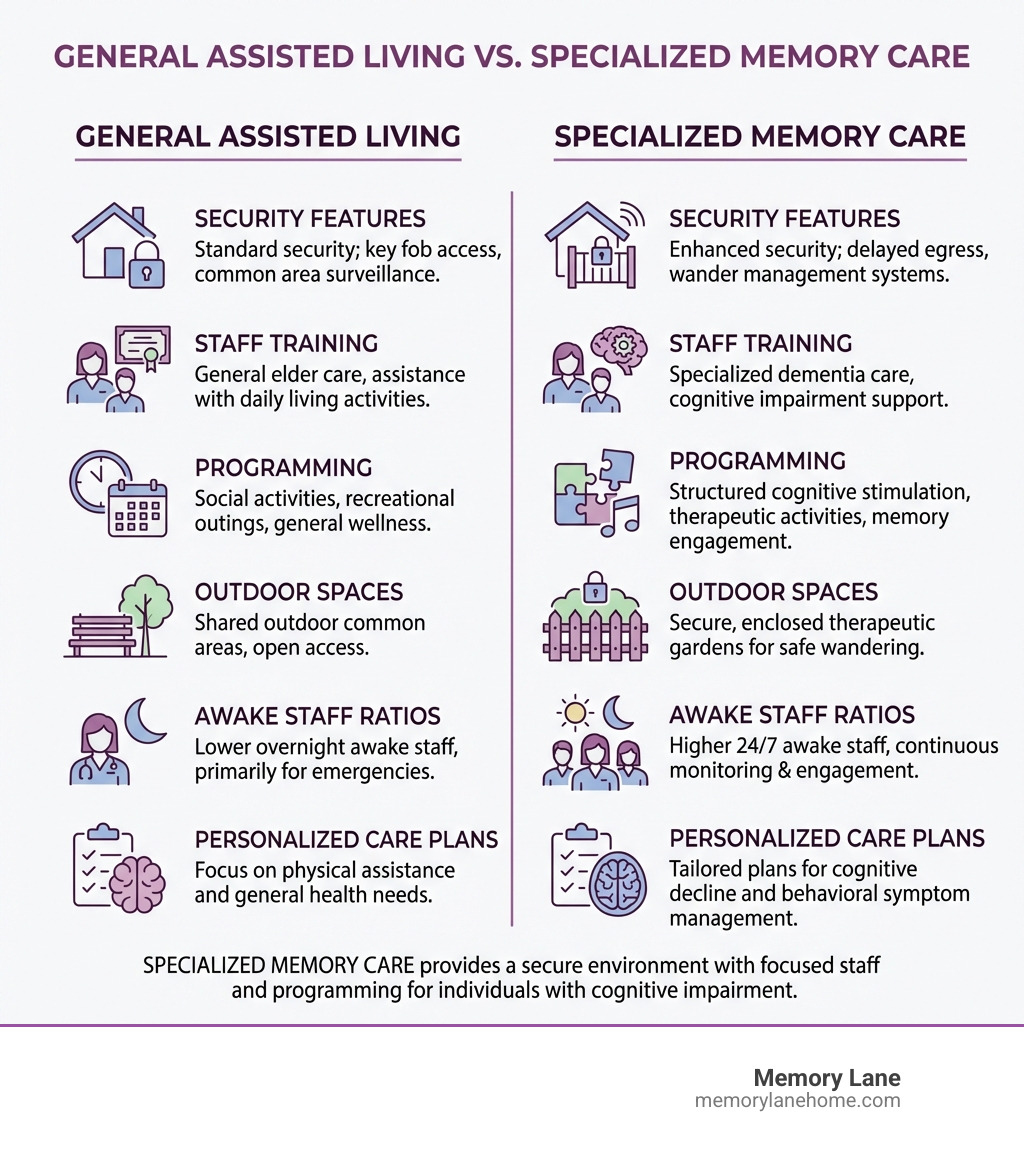
Memory care differs significantly from general assisted living. While assisted living helps with daily tasks like bathing and dressing, memory care goes further with secure environments designed to prevent wandering, staff specially trained in dementia care, and therapeutic programs that address the specific needs of Alzheimer’s and other dementias. These communities feature visual cues for navigation, enclosed outdoor spaces for safe wandering, and structured activities that maintain cognitive abilities and quality of life.
Memory care communities typically provide specialized therapies including music therapy, art therapy, reminiscence therapy, and cognitive stimulation—all designed to help residents maintain their abilities and find joy in daily moments.
As Jason Setsuda, CFO of Memory Lane Assisted Living and a Board Certified Emergency Medicine Physician with over 10 years of medical experience, I’ve witnessed how quality memory care transforms lives by balancing medical expertise with holistic, compassionate support. My experience across emergency medicine, hospice care, and senior living administration has shown me that the right environment makes all the difference for families navigating dementia care.
What Defines a Top-Tier Memory Care Facility?
Finding the right memory care facility for your loved one is a journey that requires careful consideration of many factors. When exploring options in southeast Michigan near Memory Lane’s Ann Arbor, Ypsilanti, and Saline homes, a top-tier facility distinguishes itself through its commitment to highly trained staff, personalized care, thoughtful design, and a vibrant, engaging community atmosphere.
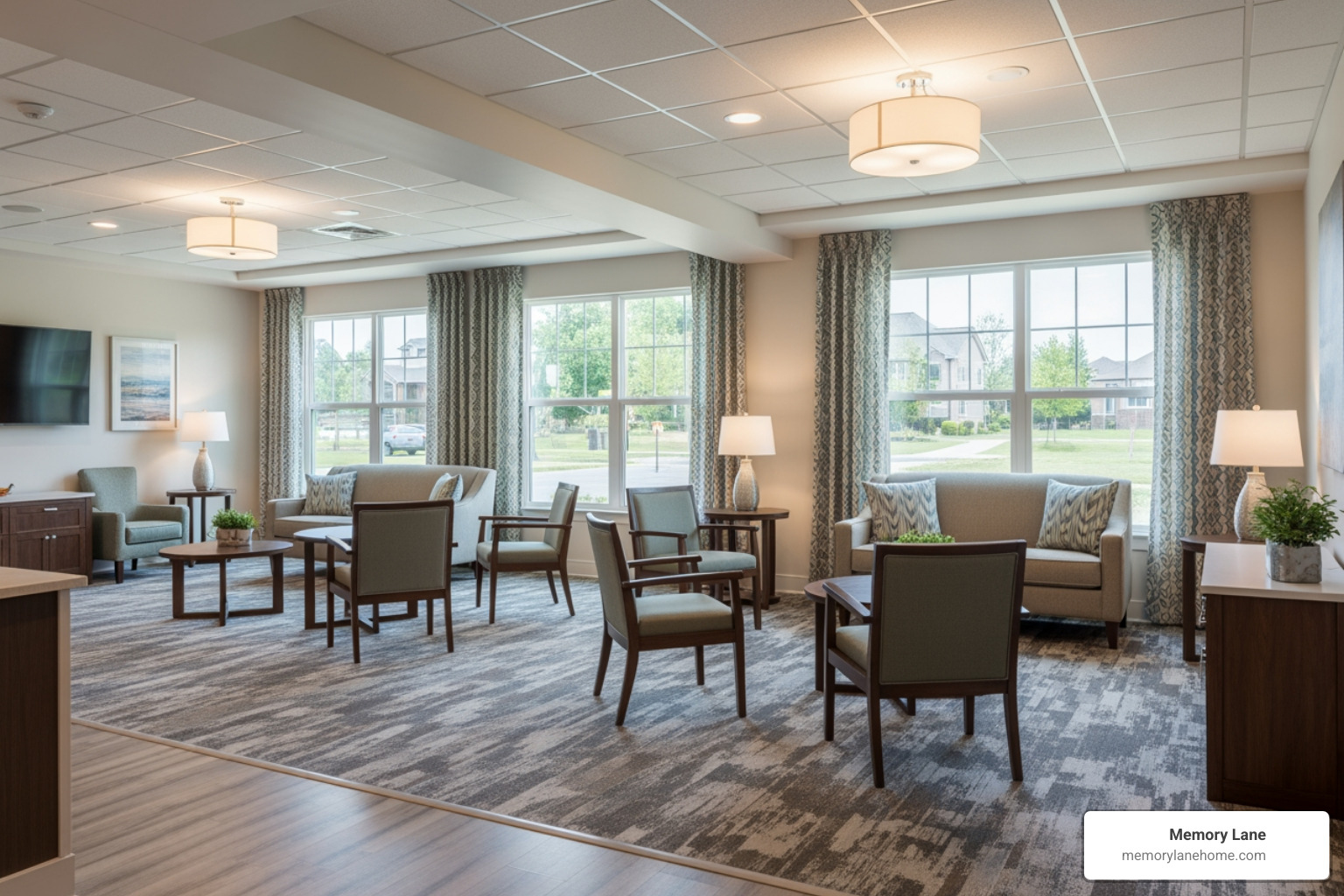
When evaluating a memory care community, we look for several key indicators of quality. These include:
- Staff-to-resident ratios: While not always explicitly advertised, a lower ratio generally indicates more individualized attention.
- Staff training: Caregivers in memory care facilities should receive extensive training specific to dementia care, including ongoing education. This ensures they are equipped to support residents through the unique challenges of memory loss.
- Personalized care plans: Each resident should have a custom care plan addressing their specific medical, behavioral, and social needs. These plans should be flexible and modified as needs evolve.
- Community type: Memory care options can include stand-alone communities dedicated exclusively to memory care, or specialized wings or “neighborhoods” within larger assisted living facilities or Continuing Care Retirement Communities (CCRCs). Stand-alone communities often offer a more intimate, homelike setting, while integrated options allow residents to age in place within a broader campus, potentially accommodating different levels of care as needs change.
- Enriching amenities: Beyond basic care, top facilities offer amenities that improve quality of life, such as therapy gardens, enclosed walking paths, rooftop decks, fitness centers, and spaces for yoga and meditation.
- Community atmosphere: A warm, welcoming, and vibrant atmosphere that feels like home is crucial. This includes opportunities for social engagement, a sense of belonging, and a focus on resident “life happiness.”
Specialized Therapies and Person-Centered Approaches
At the heart of exceptional memory care are specialized therapies and person-centered approaches. We understand that each individual experiences dementia differently, which is why a one-size-fits-all approach simply won’t do.
Many facilities accept “person-first programming,” which often incorporates a “universal-worker” concept. This means all staff members, regardless of their primary role, are involved in residents’ care and take ownership of their well-being. This fosters a sense of community and ensures consistent, compassionate interaction. Some innovative programs even allow residents to set the tone for their day, choosing activities based on new or old passions.
Therapies commonly offered in memory care facilities to help residents maintain cognitive abilities and cope with symptoms include:
- Music therapy: Engaging residents through familiar songs and melodies can evoke memories and improve mood.
- Art therapy: Provides a non-verbal outlet for expression and creativity.
- Reminiscence therapy: Encourages residents to share past experiences, fostering a sense of identity and connection.
- Pet therapy: Interaction with animals can reduce anxiety and provide comfort.
- Cognitive stimulation: Activities designed to challenge and maintain mental function, often custom to individual attention spans and past skills.
- Occupational therapy: Helps residents maintain daily living skills and independence.
Dementia-Friendly Design and Safety Features
Safety and comfort are paramount in memory care. Facilities are specifically designed to create secure environments that minimize confusion and prevent wandering, while still promoting a sense of freedom and engagement.
Key design elements we look for include:
- Secure environments: Monitored access, alarm systems, and security gates are standard features. Some facilities use advanced technology, such as passive monitoring systems, to detect resident needs without requiring them to use a call button.
- Wander prevention: Dementia-friendly layouts use visual cues like specific wall colors, floor designs, and clear signage to guide residents to distinct spaces and prevent disorientation.
- Enclosed walking paths and therapy gardens: These provide safe, secure outdoor spaces for residents to enjoy fresh air, exercise, and sensory experiences, which can help minimize dementia-related behaviors.
- Memory display boxes: Often placed outside resident rooms, these personalized boxes allow residents to display treasured items, helping them recognize their space and promoting a sense of nostalgia and belonging.
- Calming color schemes and natural light: Interiors are designed with soothing palettes and ample natural light to reduce agitation and create a serene atmosphere.
- Easy-to-steer layouts: Common areas, dining rooms, and apartments are built with dementia-friendly principles, featuring handrails, wide corridors, and clear pathways to aid navigation. Many also have robust fire safety systems, including smoke alarms, sprinklers, and fire doors, along with emergency generators.
Key Features of Memory Care Communities
When considering memory care facilities, we often find a rich array of features designed to support and enrich residents’ lives. These go beyond basic care to cultivate a vibrant and engaging lifestyle.
Here’s a list of essential amenities and services commonly found:
- Gourmet Dining and Flexible Options: Many communities offer high-quality, chef-prepared meals with choice of entrees and accommodations for special diets (e.g., low-sodium, no-sugar, vegetarian, pureed). Restaurant-style dining is common, fostering a social atmosphere. Some even offer catering, room service, or anytime dining options.
- Engaging Activities & Programs: A full calendar of diverse daily programs is crucial. These can include:
- Social events like candlelight dinners and parties
- Creative activities such as art classes, baking classes, and music sessions
- Educational speakers and clubs
- Fitness classes, yoga, and meditation
- Spiritual services and devotional programs
- Live performances and immersive cultural programs
- Therapeutic activities like pet therapy, cognitive workouts, and reminiscence circles
- Scheduled outings to local attractions
- Personal Care and Support:
- Assistance with daily living activities (bathing, dressing, grooming, toileting)
- Medication management
- 24/7 supervision and support, often with licensed nurses on campus
- Incontinence care and diabetic care (supplies may be additional)
- Daily room tidying, bed-making, and trash removal
- Convenience and Maintenance:
- Housekeeping and laundry services (including personal laundry)
- Transportation services for appointments and outings
- Community and garden maintenance
- Concierge services
- Health and Wellness:
- Emergency alert systems in every room
- Weekly clinics for vital signs and weight checks
- Wellness centers with full-time coordinators
- On-site spa and salon services
- Fitness studios
These features collectively contribute to an environment where residents can thrive, maintaining dignity, independence, and a high quality of life throughout Michigan.
Navigating the Costs of Memory Care
Understanding the financial aspect of memory care is a critical step for families. The costs can vary significantly, reflecting the wide range of services, amenities, and locations available across Michigan—from urban areas like Ann Arbor to smaller communities like Ypsilanti and Saline where Memory Lane operates.
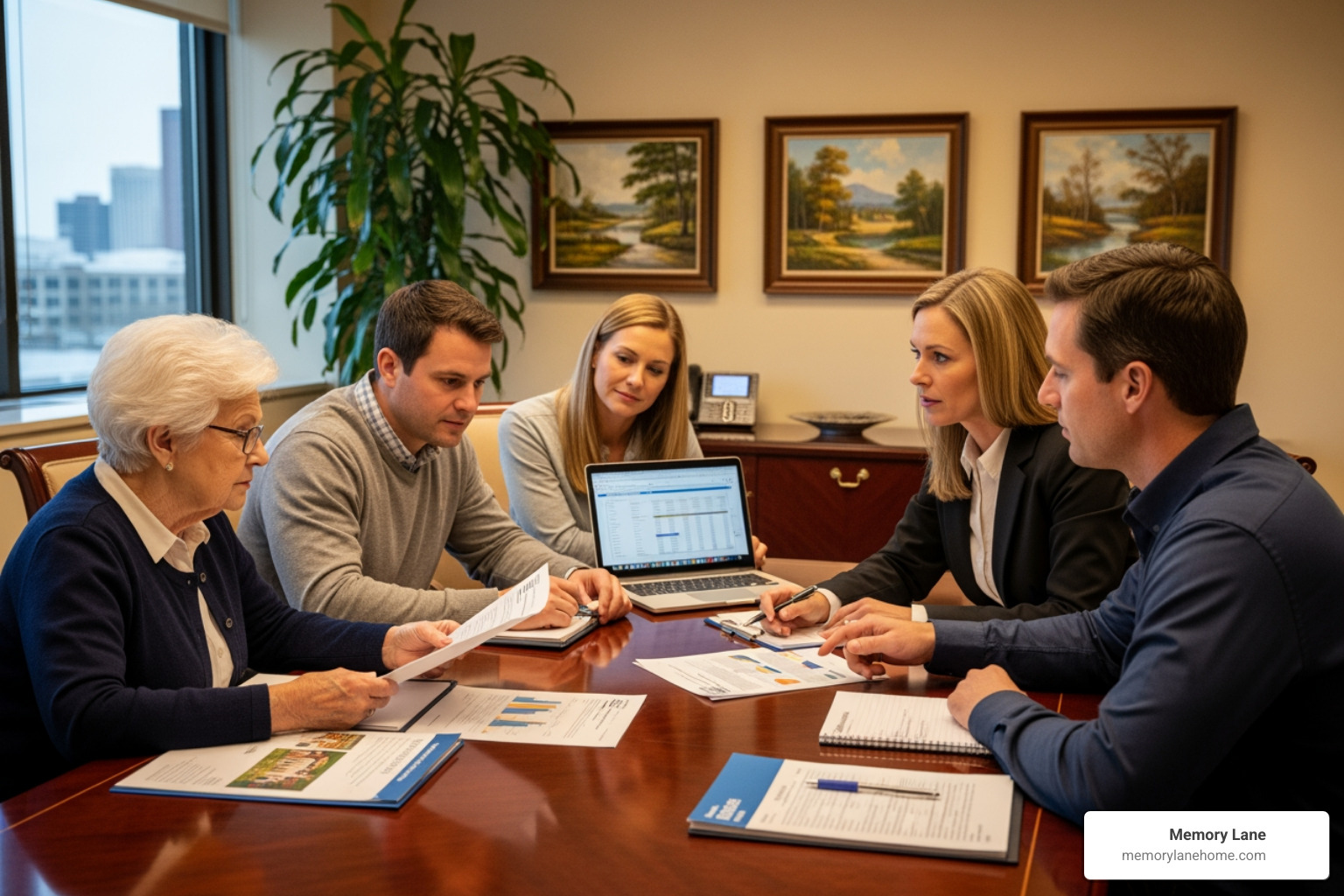
The cost of memory care depends on many variables, and it’s important to research specific facilities and their offerings in your local area. Memory care services typically cost 20-30% more than standard assisted living due to improved staffing, specialized programming, and increased security.
Several factors influence these costs:
- Level of care required: Individuals with more advanced dementia or complex medical needs will generally incur higher costs.
- Room type: Private suites typically cost more than semi-private or shared rooms.
- Amenities and services: Facilities with extensive amenities (e.g., gourmet dining, spas, advanced therapies) and a higher staff-to-resident ratio will have higher price points.
- Geographic location: Costs can vary significantly between states and even between urban, suburban, and rural areas within Michigan.
- Additional fees: Be sure to inquire about all-inclusive pricing versus a base rate with additional charges for specific services.
For detailed insights into care costs in different regions, we often refer to resources like The Genworth Cost of Care Survey.
Financial Assistance and Payment Options
Navigating the costs of memory care can be daunting, but several financial assistance and payment options are available to families:
| Payment Option | Description |
|---|---|
| Private Pay | The most common method, using personal savings, pensions, investments, or long-term care insurance. |
| Long-Term Care Insurance | Policies purchased specifically to cover the costs of long-term care services, including memory care. Benefits vary based on the policy. |
| VA Benefits | Veterans and their spouses may be eligible for benefits through the Veterans’ Administration, such as the Aid and Attendance (A&A) program, which can help cover residential care costs for those who meet functional criteria. |
| State Medicaid Programs | Michigan offers Medicaid waiver programs that can help pay for services in residential care facilities, including memory care units. Eligibility and coverage vary, so check with Michigan’s Medicaid agency. |
| Reverse Mortgages | Allows homeowners aged 62 or older to convert a portion of their home equity into cash, which can be used to pay for care. |
| Bridge Loans | Short-term loans that can provide immediate funds while families await other funding sources, such as the sale of a home or activation of long-term care insurance. |
It’s important to explore all available avenues and understand eligibility requirements for each program.
Financial and Legal Considerations for Memory Care
Beyond the immediate costs, families seeking memory care should be aware of important financial and legal considerations to protect their loved one’s interests and ensure a smooth transition.
- Reviewing Contracts: Always thoroughly review the admission contract. Understand the fee structure (all-inclusive vs. tiered), cancellation policies, and what happens if the resident’s needs change. Ask about potential rate increases and how they are communicated.
- Understanding Resident Rights: Familiarize yourself with the rights of residents in memory care facilities. These rights ensure dignity, respect, and proper care.
- Legal Documents: Ensure essential legal documents are in place, such as:
- Power of Attorney (POA): Designates someone to make financial and/or healthcare decisions on behalf of your loved one if they become unable to do so.
- Healthcare Directives (Advance Directives): Specifies medical treatments your loved one wants or doesn’t want in various situations, and can appoint a healthcare agent.
- State Licensing and Regulation: Memory care services are provided in facilities that must meet state-specific guidelines for staffing, staff training, and building requirements. In Michigan, these facilities are regulated by the Michigan Department of Licensing and Regulatory Affairs (LARA). We recommend checking with LARA for inspection reports and licensing information for any facility you consider. This ensures the facility adheres to state regulations and maintains quality care standards.
Consulting with an elder law attorney can provide invaluable guidance on these complex matters, helping families steer estate planning, asset protection, and long-term care financing in Michigan.
How to Find and Assess Quality Care
Finding the ideal memory care facility can feel like a full-time job. With many options available in Michigan communities such as Ann Arbor, Ypsilanti, and Saline, knowing where to start and what questions to ask is key. Our goal is to empower you with the tools to make an informed decision in southeast Michigan.
Leveraging Resources for Your Search
- Senior Living Advisors: These professionals offer objective, no-cost advice and can be invaluable in comparing facilities, understanding care types, and scheduling tours. They can help match your specific care needs and budget to suitable communities.
- Online Guides and Directories: Websites like A Place for Mom and Alzheimers.net provide extensive directories of memory care facilities, often including photos, floor plans, amenities, activities, and reviews from real families. They also offer filtering options to narrow down choices by review score, distance, and specific amenities.
- Touring Checklist: When visiting facilities, we recommend having a comprehensive checklist. Go beyond the aesthetics:
- Visit at different times of day, including mealtimes and during activities.
- Observe staff-resident interactions: Do staff members appear kind, engaged, and patient? Are residents actively participating and comfortable?
- Ask about staff turnover rates: High turnover can impact consistency of care and resident familiarity.
- Inquire about the assessment process: How do they determine a resident’s needs and update care plans?
- Check for pricing promotions and expiring offers, but prioritize quality over discounts.
Evaluating Staff Quality and Training
The quality of care in any memory care facility ultimately rests on its staff. We believe that well-trained, compassionate, and stable staff are the cornerstone of excellent memory care.
When assessing staff quality, consider asking management these crucial questions:
- Dementia Care Certifications: What specific dementia care training and certifications do your staff members hold? How often do they receive continuing education in dementia care best practices? Specialized training is vital, so this is a critical point to verify.
- Communication Policies: How do staff communicate with families regarding a resident’s well-being, changes in condition, or daily activities? Are updates proactive, or do families typically have to call for information?
- Empathy and Compassion: Observe how staff interact with residents. Do they use a validation-based approach, showing understanding rather than correcting residents? Do they engage residents in meaningful conversations? The best facilities often have staff described as “caring and loving,” “friendly, kind, and concerned.”
- Universal Worker Concept: Does the facility implement a “universal-worker” concept, where all staff are involved in resident care? This can foster a stronger sense of community and ensure residents are well-known by multiple team members.
National and Local Resources for Families
Families navigating memory care don’t have to do it alone. A wealth of resources and support networks are available to provide guidance, education, and emotional support.
- Alzheimer’s Association: This national organization is an invaluable resource, offering a 24/7 helpline, local chapters with in-person and virtual support groups, and a comprehensive database of community resources, including legal and financial planning assistance. You can reach them at (800) 272-3900 or visit their website at alz.org. The Michigan Great Lakes Chapter serves families throughout the state.
- Area Agency on Aging (AAA): Every community is served by a designated AAA, which provides free and low-cost services for older adults and their families. This can include options counseling, legal services, and information on local programs. You can find your local AAA through the Eldercare Locator service. The Area Agency on Aging 1-B serves southeast Michigan including Ann Arbor, Ypsilanti, and Saline.
- Dementia-Specific Nonprofits: Organizations like the Dementia Society of America and the Association for Frontotemporal Degeneration offer information, support, and resources custom to specific types of dementia.
These resources offer not just information, but also a community of understanding and support that can make a significant difference during this challenging time.
Frequently Asked Questions about Memory Care
We often hear similar questions from families beginning their search for memory care. Here, we address some of the most common inquiries to help clarify the process.
How much does memory care cost?
The cost of memory care can vary widely depending on a number of factors. In Michigan, prices differ significantly by city and region. It’s crucial to research costs in your specific area, whether you’re looking in Ann Arbor, Ypsilanti, Saline, or other southeast Michigan communities.
Factors influencing these costs include:
- Geographic location: The local cost of living and real estate directly impacts pricing. Urban areas like Ann Arbor may have different pricing than smaller communities.
- Level of care needed: More intensive care requirements will increase the cost.
- Room type: Private rooms are typically more expensive than shared accommodations.
- Amenities and services: Facilities offering extensive amenities, specialized therapies, and higher staff ratios will command higher prices.
We advise families to inquire about all-inclusive pricing versus a base rate with additional charges for specific services to get a clear picture of the total monthly expense.
What kind of training does memory care staff receive?
Staff in memory care facilities are typically required to undergo specialized training to effectively care for individuals with Alzheimer’s and other dementias. This training goes beyond general assisted living care and often includes:
- Understanding Dementia: In-depth knowledge of various types of dementia, their progression, and common associated behaviors.
- Communication Techniques: Learning validation-based communication, therapeutic communication, and strategies for de-escalation when residents experience agitation or confusion.
- Behavior Management: Techniques for managing dementia-related behaviors, such as wandering or anxiety, in a compassionate and non-pharmacological manner.
- Personalized Care: Training on how to implement and adapt personalized care plans, ensuring dignity and respect for each resident’s unique needs and preferences.
- Continuing Education: Many reputable facilities provide ongoing training to keep staff updated on the latest best practices in dementia care.
While all facilities should have some level of specialized training, it’s important to ask about the specifics during your tour.
How do I know when it’s time for memory care?
The decision to transition a loved one to memory care is never easy, but it often becomes necessary when their safety, well-being, or the caregiver’s capacity is compromised. Here are some common indicators that it might be time:
- Safety Concerns at Home: If your loved one is wandering, leaving the stove on, forgetting medication, or having frequent falls, their safety at home is at risk. Memory care facilities offer secure environments designed to prevent these dangers.
- Caregiver Burnout: Providing 24/7 care for someone with dementia is physically and emotionally exhausting. If you, as a caregiver, are experiencing chronic stress, exhaustion, or a decline in your own health, it’s a sign that professional support is needed.
- Increasing Care Needs: When daily tasks like bathing, dressing, and eating become consistently challenging and require more assistance than can be safely provided at home, memory care can offer the necessary support.
- Social Isolation: If your loved one is becoming increasingly isolated or losing interest in activities, a memory care community can provide structured engagement, social interaction, and therapeutic activities custom to their cognitive abilities.
- Doctor’s Recommendation: Your loved one’s physician or a dementia specialist may recommend memory care based on their assessment of cognitive decline and overall health.
The goal is to provide an environment where your loved one can live safely and with dignity, while also ensuring the well-being of the entire family.
Conclusion: Finding Peace of Mind and a Loving Home
Choosing the right memory care facility is one of the most significant decisions a family can make. We understand the weight of this choice and the desire to find a place that offers not just care, but a true home where your loved one can thrive.
As we’ve explored, top-tier memory care facilities prioritize specialized staff training, person-centered approaches, and dementia-friendly design. They offer a secure and engaging environment, rich with therapeutic activities and compassionate support, all aimed at enhancing quality of life and preserving dignity. While costs vary across Michigan—from urban centers like Ann Arbor to smaller communities like Ypsilanti and Saline—numerous financial and legal resources are available to help families steer this journey.
At Memory Lane, with locations in Ann Arbor, Ypsilanti, and Saline, we believe in providing 24/7 personalized, compassionate support, custom care plans, and engaging activities within a secure environment to improve quality of life and independence. We are committed to being a partner in your search for peace of mind.
If you are considering memory care for your loved one, we encourage you to ask questions, leverage available resources, and trust your instincts. The right facility will not only meet your loved one’s needs but also bring comfort and reassurance to your entire family.
Schedule a tour to find the right support for your loved one today
Related Posts