
Nursing Home Care for Dementia Patients: The Best 3 Steps
Navigating Nursing Home Care for Dementia
For families navigating memory loss, deciding on nursing home care for dementia patients can be overwhelming. Key questions are when to make the move and what this specialized care entails.
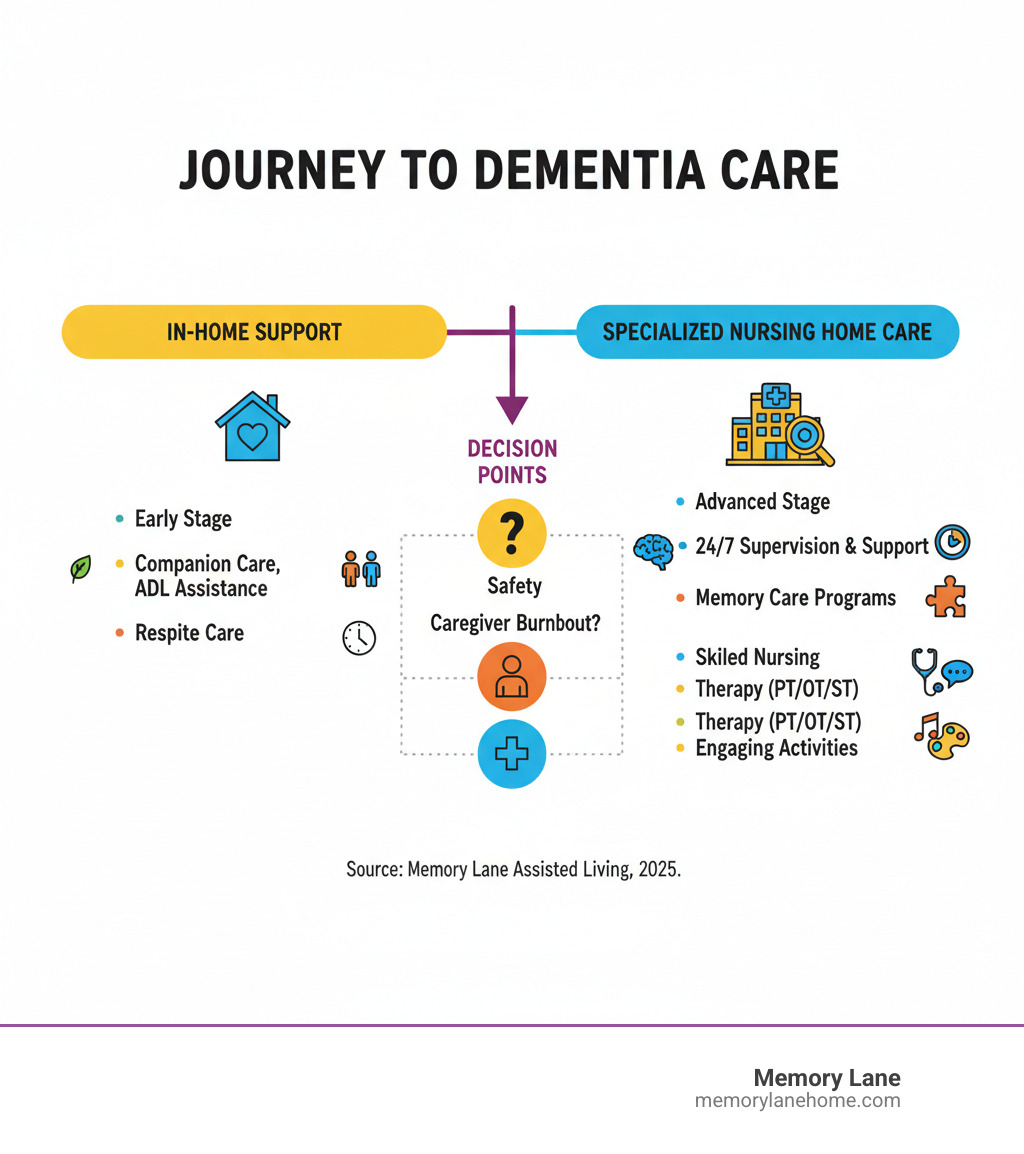
If you’re asking, “When is it time to consider nursing home care for a loved one with dementia?” here are key indicators:
- Safety concerns at home become too high.
- Caregivers experience burnout or declining health.
- Worsening medical needs require constant attention.
- There’s a need for 24-hour supervision.
- Your loved one struggles with daily activities like eating or dressing.
A dementia diagnosis brings worries about safety and support. With over 6 million Americans living with Alzheimer’s, many will eventually need specialized care. Currently, 750,000 people in U.S. nursing homes have dementia—50% of all long-stay residents. As symptoms progress, home care often becomes unsustainable.
This guide simplifies the options for advanced care and will help you find the right support for your loved one.
As the CFO of Memory Lane Assisted Living and a Board Certified Emergency Medicine Physician, I deeply understand the complexities families face when considering nursing home care for dementia patients. My passion for holistic care guides my commitment to supporting families through this important decision.
Common nursing home care for dementia patients vocab:
Understanding Specialized Dementia Care in Nursing Homes
When a higher level of care is needed, understanding the landscape of nursing home care for dementia patients is vital. It’s about finding a specialized environment designed to support your loved one’s mind, body, and emotions, meeting complex needs with kindness and expertise.
Here’s a simple look at what makes specialized dementia care in nursing homes stand out:
| Feature | General Nursing Home Care | Specialized Dementia Care (DSCU) |
|---|---|---|
| Level of Care | Broad medical and personal care | Intensive, custom dementia support |
| Staffing | General medical staff, some dementia training | Highly trained in dementia care, often higher ratios |
| Environment | Clinical or traditional residential | Purpose-built, secure, sensory-friendly, home-like |
| Activities | General social and recreational | Cognitively stimulating, person-centered, therapeutic |
| Resident Profile | Diverse medical needs | Primarily individuals with dementia |
What is Specialized Dementia Care?
Specialized dementia care, often found in dedicated dementia special care units (DSCUs), is different from general long-term care. It’s built on a deep understanding of the unique challenges of Alzheimer’s and other dementias.
At its heart, specialized dementia care provides a supportive social and physical environment with several key features:
- Staff Training: Staff receive special training in dementia care, including communication techniques, understanding behaviors, and focusing on individual needs. This helps them handle difficult situations with empathy and skill.
- Secure and Supportive Environments: Safety is a top priority, with secure boundaries and alarm systems. The design minimizes confusion and promotes independence through clear visual cues, comfortable home-like furniture, and controlled sensory input to maintain a calm atmosphere.
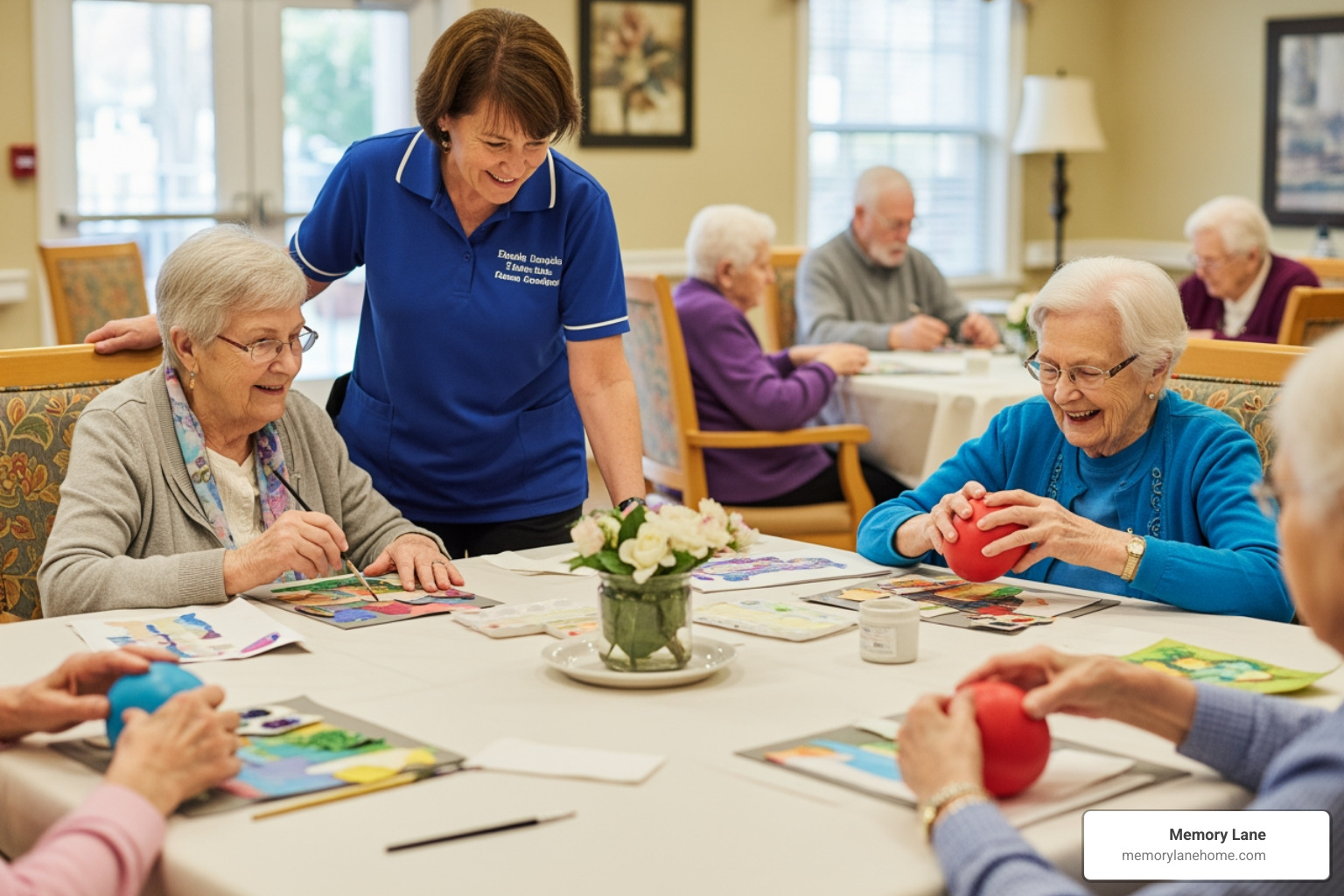
- Therapeutic Activities: Specialized care involves therapeutic activities customized to each resident’s interests and abilities, such as music therapy, art, and reminiscence. The goal is enjoyment and participation, not just task completion.
- Social Engagement: These units foster a sense of community, allowing residents to connect with peers and staff in a caring setting to combat loneliness.
This deep specialization is the key difference from general long-term care. While general nursing homes provide good basic care, they may lack the specially designed spaces, staff expertise, and custom programs crucial for someone with dementia to thrive.
Dementia Care Programs and Units
Dedicated dementia care units are purpose-built to improve life for people with memory loss and often feature unique designs. These specialized designs include secure outdoor areas for safe walking, dining rooms that reduce distractions, and comfortable, easy-to-steer common areas.
These units often have higher staff-to-resident ratios, allowing for more personal attention. Research shows that facilities with a higher concentration of dementia residents often provide better care, partly due to more skilled nurses being available per person.
Focused activity programming is custom to different cognitive levels, offering meaningful engagement throughout the day, including weekends and evenings.
These units aim to improve quality of life by reducing agitation, boosting social interaction, and providing a sense of purpose. Research suggests this specialized approach leads to better outcomes. You can learn more about this important research here: Specialized dementia care research.
Comprehensive Services for Dementia at Memory Lane
At Memory Lane, we provide outstanding nursing home care for dementia patients in Ann Arbor, Ypsilanti, Saline, and surrounding Michigan communities. Our person-centered approach focuses on enhancing quality of life and maintaining independence.
Our comprehensive services include:
- 24/7 support and supervision from our on-site team ensures safety and a quick response to any needs.
- Registered Nurses and care staff who are highly trained professionals with special expertise in dementia care.
- Support for complex health needs, managing the health challenges of dementia and coordinating with doctors for seamless medical care.
- Respectful and dignified assistance with daily living (ADLs), such as personal hygiene, dressing, and mobility, while encouraging independence.
- Engaging memory-enhancing activities designed to stimulate the mind, encourage social interaction, and bring joy.
We are committed to creating an environment where your loved one can thrive. Learn more about our dementia care services and how we can support your family.
The Benefits of Specialized Dementia Care Environments
Choosing a specialized environment for nursing home care for dementia patients can bring immense peace of mind and significantly improve your loved one’s quality of life. Evidence shows that these focused settings lead to better health and happiness for residents.
Improved Quality of Care Indicators
A large study of nearly 3.2 million residents found that nursing homes with a high concentration of dementia residents (over 90%) provided better care. This suggests that a focus on dementia, whether in a special unit or an entire facility, boosts care quality.
Positive outcomes in specialized dementia care units include:
- Reduced antipsychotic use: Staff use non-pharmacological approaches to manage behaviors, reducing reliance on strong medications.
- Lower rates of physical restraints: Trained staff de-escalate situations, preserving resident dignity and freedom.
- Fewer pressure ulcers: Proactive care and attention to skin health prevent these painful sores.
- Decreased hospitalizations: On-site management of health issues and behaviors reduces stressful ER trips.
- Better management of behavioral symptoms: A person-centered approach helps staff understand and address the root causes of challenging behaviors, leading to calmer, more effective support.
These findings highlight the benefits of specialized care. You can dive deeper into this research by checking out the Evidence from a Health Services Research study.
What to Expect from Nursing Home Care for Dementia Patients
When you choose a specialized setting like Memory Lane for nursing home care for dementia patients, you are choosing a comprehensive support model. Here’s what to expect:
- Person-centered care philosophy: Care is customized to the individual’s life story, personality, and preferences to promote dignity and purpose.
- Individualized care plans: These plans address specific medical, physical, and emotional needs and are adapted as the resident’s condition changes.
- Support for daily living activities (ADLs): Gentle assistance is provided for tasks like bathing and dressing, with an emphasis on encouraging independence.
- Nutrition and hydration management: Calm dining experiences and meals are adapted to individual tastes and dietary needs.
- Family involvement and communication: We view families as partners, encouraging open dialogue, participation in care planning, and offering support for caregivers. We promise to be your partner every step of the way.
Navigating the Costs of Nursing Home Care for Dementia Patients
Understanding the financial side of nursing home care for dementia patients is essential for planning. It’s a significant investment, and this section breaks down the landscape to help you find the right path forward.

Average Costs and What They Cover
Memory care costs vary by location, level of care, and room type. Nationally, memory care averages around $7,899 per month ($94,788 annually). Traditional nursing home care is higher, with a private room averaging $127,750 per year and a semi-private room around $111,324 annually.
The monthly fee typically covers 24/7 supervision, assistance with daily activities, medication management, meals, housekeeping, laundry, and therapeutic activity programs. Be aware of potential ancillary fees for services like specialized therapies, incontinence supplies, or transportation. Always ask for a detailed breakdown of costs to ensure transparency.
Pricing for our Memory Lane communities serving Ann Arbor, Ypsilanti, Saline, and surrounding areas in Michigan is unique to each family’s situation. Contact us for personalized pricing information that reflects your specific needs.
Payment Options for Dementia Care
Most families explore multiple payment options. Here are the main avenues available:
- Private Pay: This is a common starting point, using personal savings, pensions, retirement accounts, or assets. Some families consider reverse mortgages, a complex financial decision requiring professional guidance.
- Long-Term Care Insurance: These policies can be very helpful, but coverage varies. Review your policy’s fine print for benefits, waiting periods, and limitations.
- Veterans’ Benefits: The VA Health System may cover long-term care for Alzheimer’s and other dementias. Explore this resource if your loved one is a veteran or the spouse of a veteran.
- Medicaid: This program may cover nursing home care for individuals who meet state-specific income and asset requirements. Since rules vary, contact your state Medicaid agency for guidance on eligibility in Michigan.
Key Financial Considerations for Families
- Plan ahead. Starting conversations early, before a crisis, allows for more options and less stress.
- Understand all costs. Get a written breakdown of what’s included in the monthly fee and what costs extra to budget accurately and avoid surprises.
- Explore all benefits. Use tools like BenefitsCheckUp.org to find federal and state programs you may qualify for.
- Speak with a Memory Lane advisor. We can help you understand the costs associated with our specialized dementia care services and guide you toward financial planning resources. We’re here to help you steer these decisions with clarity and compassion.
How to Choose the Right Dementia Care Nursing Home: A Step-by-Step Guide
Choosing the right nursing home care for dementia patients is a profound decision. This guide will help you steer the research, conversations, and visits required to find a safe, comfortable, and caring community for your loved one.
Key Considerations and Where to Find Help
Before visiting, take these important steps:
- Conduct a needs assessment. What level of assistance with daily tasks (ADLs) does your loved one need? Are there specific behaviors or medical needs to manage? This will help you find a suitable facility.
- Consider the location. Proximity to family in areas like Ann Arbor, Ypsilanti, or Saline, Michigan, allows for regular visits.
- Determine the level of care required. Understand the differences between assisted living, memory care, and skilled nursing.
- Research the facility’s reputation. Look at online reviews, state inspection reports, and personal recommendations.
When you visit potential communities, ask detailed questions. Use this checklist:
- Staffing: Is a registered nurse always available? What specific dementia care training does the staff receive? What is the staff-to-resident ratio? How are challenging behaviors handled compassionately?
- Programs and Services: Are activities customized for different abilities? Are they available on weekends and evenings? Is there a dedicated dementia-specific unit? Are therapies (physical, occupational, speech) offered?
- Residents: Do they appear comfortable, engaged, and treated with respect?
- Environment: Is the facility clean, well-maintained, and easy to steer? Are indoor and outdoor areas safe and secure? Can residents personalize their rooms?
- Meals: Is the food appealing and nutritious? Can special diets be accommodated? Is the dining environment supportive?
- Policies: What are the visiting hours and discharge policy? Is continuing care or hospice available if needed?
For additional resources, the Eldercare Locator is an excellent national service that can connect you to local support.
Making the Transition Smoother
The move to a care community is a big step, especially for someone with dementia. We are dedicated to making this transition as smooth as possible.
- Involve your loved one in small decisions, like choosing items for their room, to give them a sense of control.
- Personalize their new space with cherished items from home like photos and a favorite chair to create a sense of comfort and continuity.
- Communicate with staff by sharing your loved one’s routines, preferences, and history. This helps the care team provide person-centered care and ease the adjustment.
- Manage caregiver emotions. It’s normal to feel a mix of sadness, guilt, and relief. Seeking professional care is a loving act, and support is available for you, too.
- Build a partnership with the care team. Your involvement is crucial. Visit regularly, maintain open communication, and continue to advocate for your loved one. At Memory Lane, we see families as essential partners.
Frequently Asked Questions about Dementia Care
We know you have many questions when considering nursing home care for dementia patients. Here are some of the most common concerns families share with us:
When is the right time to consider a nursing home for someone with dementia?
Deciding on the “right time” is a difficult, personal process that varies for every family. However, certain signs often indicate it’s time to explore more supportive options.
Key indicators include:
- Escalating safety concerns at home, such as wandering, falls, or medication errors, especially when in-home care is no longer sufficient.
- Caregiver burnout, where the physical and emotional demands of caregiving begin to affect your own health and well-being.
- Worsening medical needs that require skilled nursing or 24-hour supervision.
- An inability to manage daily activities like bathing, dressing, or eating without constant assistance.
These transitions are never easy, but they often bring relief and peace of mind to families who have been stretched beyond their limits.
What is the difference between general nursing home care and specialized dementia care units?
The distinction is crucial for a resident’s quality of life and safety. Specialized dementia care units (DSCUs) are dedicated environments designed specifically for people with dementia.
Key differences include:
- Environment: DSCUs feature purpose-built designs with secure perimeters, calming décor, and easy-to-steer layouts to reduce confusion. General units may not have these adaptations.
- Staff Training: Staff in DSCUs receive extensive, specialized training in dementia communication, behavior management, and person-centered approaches, which is often more in-depth than in general units.
- Activities: Activities are therapeutically designed for various cognitive levels, focusing on engagement and joy. This is different from general recreational activities that may not be suitable for those with significant cognitive decline.
- Oversight: Many states have specific regulatory oversight for DSCUs, adding a layer of quality assurance.
How can I check the quality of a nursing home?
You have several tools to assess the quality of nursing home care for dementia patients in Michigan.
- Medicare’s Care Compare tool: This federal resource provides data on health inspections, staffing, and quality measures. It’s an excellent starting point for research. Using Medicare’s Care Compare tool.
- State inspection reports: These public records detail inspection results and complaints. In Michigan, they are available through the Department of Licensing and Regulatory Affairs (LARA).
- Online reviews: Sites like Google or Caring.com offer family perspectives. Look for patterns in feedback.
- Speak with current families: Ask the facility for references. These conversations can provide honest insights into daily life, care, and communication.
- Trust your instincts: During your visit, observe staff-resident interactions, cleanliness, and the overall atmosphere. Your gut feeling matters.
Conclusion
Navigating dementia care is one of life’s toughest challenges, but the right nursing home care for dementia patients can provide comfort, safety, and a better quality of life for your loved one.
This guide covered the need for specialized care and the benefits of dedicated dementia units, which lead to better outcomes like reduced antipsychotic use and fewer hospitalizations. We also addressed financial concerns, including average costs, payment options, and the importance of planning ahead. Our step-by-step guide helps you ask the right questions to choose the best facility.
At Memory Lane, we truly believe in the power of specialized, person-centered care. Our communities in Ann Arbor, Ypsilanti, and Saline, Michigan, are built to offer 24/7 personalized, compassionate support. We create an environment where residents with dementia can thrive, maintain their dignity, and enjoy meaningful moments. We are here to work with families, offering our guidance and knowledge to help ensure your loved one gets the amazing care they deserve.
Our biggest hope is that you find a community that not only meets needs but genuinely makes life better. We invite you to see how Memory Lane can be that comforting, safe, and enriching home for your loved one.