Early-Stage Dementia Care: Ultimate Hope 2025
Understanding Early-Stage Dementia Care: A Foundation for the Journey Ahead
Early-stage dementia care begins with understanding the changes to expect and how to adapt. Key principles include:
- Early diagnosis matters: It allows for better planning and access to treatments.
- Independence is still possible: Many people live independently for years after a diagnosis.
- Care partners provide support, not control: The focus is on companionship and future planning.
- Practical strategies help: Routines, memory aids, and home safety modifications support daily life.
- Emotional support is essential: Acknowledging feelings and seeking support is crucial for everyone involved.
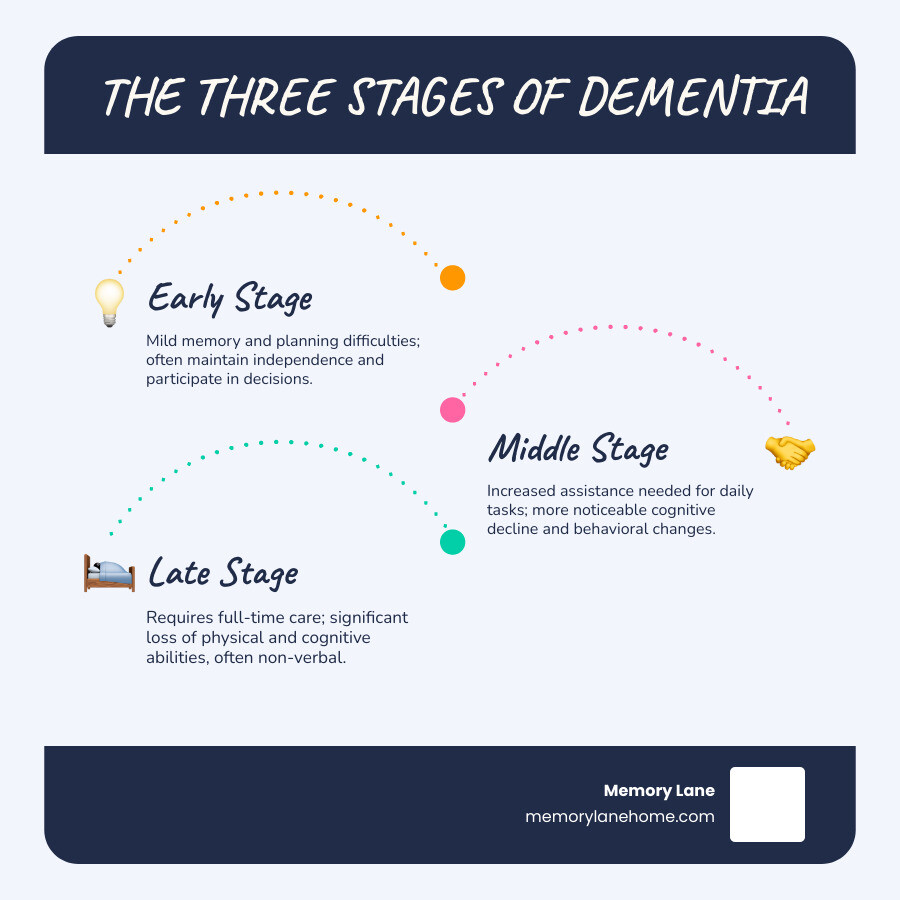
Receiving an early-stage dementia diagnosis has a significant emotional impact, but taking practical steps now can help your loved one maintain their quality of life and independence. In the early stages, a person may have mild issues with memory, planning, and finding words, but long-term memories often remain clear. They may feel frightened or anxious about these changes.
This is why early-stage dementia care emphasizes person-centered support—focusing on what the person can do and how they feel. As Jason Setsuda, CFO of Memory Lane Assisted Living and a board-certified emergency medicine physician, I’ve seen how proactive care empowers families. This guide will walk you through recognizing signs, managing emotions, implementing strategies, and planning for the future with compassion.
Recognizing the Signs and Understanding the Diagnosis

Recognizing the early signs of dementia is the first step toward getting the support and early-stage dementia care that can make a real difference. While we all forget things, dementia-related forgetfulness is more persistent and impacts daily life.
Common early signs include:
- Memory changes: Frequently forgetting names, dates, or recent conversations. Unlike normal aging, where you might forget where you put your keys but remember later, this forgetfulness is more disruptive.
- Struggles with planning and problem-solving: Routine tasks like following a recipe or paying bills become overwhelming.
- Language problems: Pausing mid-sentence to search for a word or having trouble following conversations.
- Disorientation: Getting confused about the day of the week or getting lost in familiar places.
- Personality and behavior changes: An outgoing person may become withdrawn, or a patient person might become easily irritated.
Dementia is an umbrella term for different diseases. The most common types include Alzheimer’s disease (starting with memory loss), Frontotemporal dementia (FTD) (affecting personality and language), Vascular dementia (problems with planning and decision-making), and Lewy body dementia (fluctuating alertness and movement issues).
How Early Stages Differ by Dementia Type
The early signs vary by dementia type, which is why an accurate diagnosis is so important.
| Dementia Type | Primary Early Symptoms | Key Focus of Impairment |
|---|---|---|
| Alzheimer’s Disease | Short-term memory loss, difficulty recalling recent events, misplacing items, mild concentration issues | Memory, especially recent events |
| Frontotemporal Dementia (FTD) | Personality changes (apathy, disinhibition), behavioral changes, language difficulties (trouble finding words, understanding speech) | Personality, behavior, and language |
| Vascular Dementia | Problems with planning, problem-solving, decision-making, slower thinking, difficulties with organization | Executive functions, processing speed |
With Alzheimer’s, recent events fade while distant memories may remain clear. With FTD, personality shifts can be dramatic, while memory seems fine at first. Vascular dementia often hits executive functions hardest, making multi-step tasks challenging.
Diagnosing dementia involves a combination of approaches. Cognitive and neuropsychological tests evaluate memory and thinking skills. Brain scans (MRI, CT, PET) can show structural changes or rule out other conditions. Biomarker tests, like cerebrospinal fluid analysis or amyloid PET scans, can detect proteins associated with Alzheimer’s. Laboratory tests rule out other conditions like vitamin deficiencies or thyroid problems.
The Importance of an Early Diagnosis
Getting an early diagnosis is about gaining time and choices. It allows the person with dementia to:
- Actively participate in decisions about their future care, legal matters, and finances.
- Access treatments that can improve quality of life. Recent FDA-approved medications like lecanemab and donanemab are showing promise in slowing cognitive decline in early Alzheimer’s. You can explore more about the latest research on dementia diagnosis.
- Engage in thoughtful future planning with family to reduce stress later on.
- Participate in clinical trials, which advance research and offer access to cutting-edge interventions.
An early diagnosis is the foundation that allows families to implement strategies that maximize quality of life right now.
The Emotional Journey for Individuals and Care Partners
An early-stage dementia diagnosis touches the emotional world of both the individual and their loved ones. The person with dementia may feel fear of the future, denial about their symptoms, anxiety, and depression as they grieve the loss of their expected life. There’s a profound sense of losing not just memory, but identity.
For care partners, the emotional landscape is just as challenging. You might feel fear for your loved one, grief for the changes you see, stress from new responsibilities, and sometimes anger at the unfairness of the disease. Relationship dynamics shift, which can cause strain as roles change.
Coping with the Emotional Impact

The first step is acknowledging that all these feelings are valid. Navigating this journey is incredibly difficult.
Emotional Coping Strategies:
- Acknowledge and validate all feelings—yours and your loved one’s.
- Practice open, honest communication within the family.
- Use journaling to process complex emotions privately.
- Try mindfulness, meditation, or deep breathing to manage anxiety.
- Seek professional counseling for coping strategies when emotions feel overwhelming. If you or your loved one experience persistent depression or thoughts of self-harm, call or text the 988 Suicide & Crisis Lifeline.
- Connect with support groups and community resources to feel less isolated.
- Continue hobbies and activities that bring joy.
- Prioritize sleep, nutrition, and physical health.
The Role of the Care Partner
In early-stage dementia care, we use the term “care partner” instead of “caregiver” because it emphasizes partnership. The person with dementia is still largely independent, and your role is to provide companionship and support, not to take over.
This means finding a new balance together. Encourage independence by focusing on what they can still do, even if it takes longer. Resist the urge to jump in and “fix” everything. As a care partner, you’re also adjusting to a new normal, which requires patience.
Self-care for the care partner is essential. You cannot pour from an empty cup. Ask for help from family and friends, join support groups, and take breaks to rest and pursue your own interests. Building a strong support network now will serve you well as the journey continues.
Practical Strategies for Early-Stage Dementia Care at Home
In the early stages, home is often the best place for a person with dementia. The goal is to help them maintain independence and quality of life through small, practical adjustments. A person-centered approach focuses on their strengths, preferences, and feelings.
Promoting Independence and Simplifying Daily Tasks

Help your loved one maintain a sense of control and accomplishment with these strategies:
- Create consistent routines: Predictable schedules for meals, activities, and bedtime reduce confusion and anxiety.
- Use memory aids: A large wall calendar, a digital clock showing the date, to-do lists, and weekly pill organizers can be incredibly helpful.
- Label cabinets and drawers: This simple step helps them find items independently.
- Adapt activities: Break down complex tasks like cooking or gardening into smaller, manageable steps. Focus on enjoyment rather than perfect results, and encourage activities that highlight what they can still do.
Effective Communication in Early-Stage Dementia Care
As word-finding becomes difficult, patience is key to meaningful connection.
- Speak slowly and simply: Use short sentences and give them plenty of time to respond without interrupting.
- Use non-verbal cues: Warm eye contact, a gentle touch, and a reassuring smile can convey understanding when words fail.
- Listen actively: Tune into the emotion behind their words, even if the facts are confused. The feeling is real and valid.
- Avoid constant corrections: Unless it’s a safety issue, correcting every memory lapse can cause frustration and embarrassment. Gentle redirection is more effective.
- Use the 4Rs: When distress arises, Reassure with a calm presence, Reconsider the cause (are they tired or overwhelmed?), Redirect to a positive activity, and Relax yourself.
Safety Considerations for Early-Stage Dementia Care
Simple adjustments can create a safer home environment and provide peace of mind.
- Fall prevention: Remove throw rugs, clear pathways, and install grab bars in the bathroom. Ensure good lighting, especially at night.
- Medication safety: Use pill organizers and alarms. Store medications securely and consider having a family member oversee this task.
- Kitchen safety: Install an automatic shut-off for the stove and set the water heater to 120°F to prevent burns. Check the fridge for spoiled food.
- Driving: This is a difficult conversation. Watch for warning signs like new dents or getting lost on familiar routes. When it’s time to stop, approach the topic with empathy and discuss transportation alternatives.
- Wandering: Ensure doors are locked and consider a medical ID bracelet or GPS device for security.
Staying Active and Socially Engaged
Staying active and connected is essential for quality of life and may help slow cognitive decline.
- Physical activity: Regular walking, dancing, or chair exercises can improve mood, sleep, and overall health.
- Mental stimulation: Puzzles, reading, music, and crafts keep the mind engaged. Choose activities that are challenging but not frustrating.
- Social interaction: Encourage visits with friends and family to combat isolation and depression. Memory cafes offer relaxed social gatherings for people with dementia and their care partners.
Planning for the Future: Legal, Financial, and Long-Term Care
Proactive planning during early-stage dementia care is a gift to your entire family. Addressing legal, financial, and long-term care needs while your loved one can still participate ensures their wishes are honored and reduces future stress.
Legal and Financial Preparations
Organizing these matters early preserves your loved one’s autonomy and protects their assets.
- Update legal documents: Ensure their will is current. A living will (advance directive) documents their preferences for medical treatment.
- Establish power of attorney: A durable power of attorney for healthcare designates someone to make medical decisions, while a power of attorney for finances allows a trusted person to manage financial matters if needed.
- Explore disability benefits: Social Security offers disability income, and the Compassionate Allowances program can expedite claims for certain severe conditions, including some forms of early-onset Alzheimer’s.
- Manage finances proactively: Set up automated bill payments and consider having a trusted family member review statements to protect against scams and simplify management.
Exploring Future Care Needs
Planning for future care allows for thoughtful decisions rather than choices made in a crisis.
- In-home care options can extend the time your loved one remains at home, providing support from a few hours a week to more comprehensive assistance.
- Assisted living or memory care communities provide professional support, social engagement, and security when living at home is no longer safe. Memory care communities are specifically designed for individuals with dementia, offering trained staff and secure environments.
Our Memory Lane communities in Ann Arbor, Ypsilanti, and Saline, Michigan, specialize in 24/7 personalized, compassionate support for individuals with dementia. We focus on enhancing quality of life and preserving independence for as long as possible.
Discuss preferences openly with your loved one now. Ask what matters most to them in a living environment. Understanding the financial aspects of different care options is also essential. Start the search early by visiting potential communities and researching agencies to find the right fit before a crisis occurs.
Frequently Asked Questions about Early-Stage Dementia Care
What is the difference between a “caregiver” and a “care partner”?
In early-stage dementia care, we prefer the term care partner because it emphasizes collaboration. The person with dementia is still highly independent and participates in decisions. A care partner works with them, offering support and companionship. The term caregiver typically describes a role that involves more hands-on assistance with daily tasks as the disease progresses.
How long does the early stage of dementia last?
There is no set timeline; it varies for each person. The early stage of dementia, particularly Alzheimer’s, can last for several years. The rate of progression depends on the type of dementia, age, and overall health. Regular medical follow-ups are important to adjust support as needs change.
Can a person with early-stage dementia live alone?
Yes, many people with early-stage dementia can live alone safely and successfully. This requires a strong support system of family and friends who check in regularly, along with key safety measures. These include removing fall hazards, using memory aids like pill organizers, and ensuring the home is secure. As long as the person can manage daily tasks safely with these supports, living alone can work well.
Conclusion
This guide to early-stage dementia care provides practical tools and a sense of hope. An early diagnosis doesn’t mean life stops; it means we adapt, plan, and focus on what matters: connection, dignity, and quality of life.
By recognizing signs early, acknowledging the emotional journey, implementing practical strategies, and planning for the future, you empower your loved one and preserve their independence. Early-stage dementia care is about focusing on strengths, honoring feelings, and building a strong support network.
As dementia progresses, transitioning to a specialized memory care community can provide the next level of support. Our Memory Lane communities in Ann Arbor, Ypsilanti, and Saline, Michigan, are designed for individuals with dementia, offering 24/7 care in a secure environment that improves quality of life.
You are not alone. Empower yourself with knowledge, lean on your support system, and take things one day at a time.