Chelsea Memory Care: Your 2025 Ultimate Guide
Understanding Memory Care: A Lifeline for Families in Chelsea and Ypsilanti
Chelsea memory care provides specialized 24/7 support for individuals with Alzheimer’s disease and other forms of dementia in a secure, compassionate environment. Here’s what you need to know:
Key Features of Chelsea Memory Care:
- Specialized Staff: Dementia-trained caregivers with Alzheimer’s Association certification
- Secure Environment: Wander-guard systems and secured neighborhoods to prevent wandering
- Personalized Care Plans: Custom support based on individual needs and life history
- Engaging Activities: Sensory therapies, cognitive stimulation, and familiar routines
- Average Cost: $5,421/month in Chelsea (compared to $4,596 state average)
- 24/7 Support: Round-the-clock supervision and assistance
When a loved one begins to forget familiar names, wander from home, or struggle with daily tasks, the weight of that responsibility can feel overwhelming. You’re not alone in this journey.
Memory care communities offer more than supervision. They provide a structured, secure environment specifically designed for individuals experiencing cognitive decline. Unlike traditional assisted living, memory care facilities feature specially trained staff who understand the complexities of dementia, secure building designs to prevent wandering, and therapeutic programming that promotes dignity and quality of life.
The decision to transition a loved one into memory care often comes during moderately severe cognitive decline—typically around stage five of dementia progression. At this point, individuals may forget personal information like phone numbers or addresses, struggle with daily activities, or face safety concerns that make living at home challenging.
In the Chelsea and Ypsilanti, Michigan area, families have access to several memory care options, each offering different approaches to dementia care. Some facilities, like those offering the Positive Approach® to Care model, focus on engaging residents through triggers of familiarity and sensory activities. Others emphasize small, home-like environments with lower resident-to-staff ratios.
The average monthly cost for memory care in Chelsea ranges from $5,421 to over $7,000, depending on the level of care needed, apartment size, and specific services included. While this represents a significant investment, families often find that specialized memory care provides peace of mind and improved quality of life for their loved ones that outweighs the cost.
I’m Jason Setsuda, a Board Certified Emergency Medicine Physician and CFO of Memory Lane Assisted Living, with over 10 years of medical experience and a deep commitment to holistic care for seniors. Through my work with Chelsea memory care communities and as a visiting physician, I’ve witnessed how the right environment transforms lives for both residents and their families.
Chelsea memory care further reading:
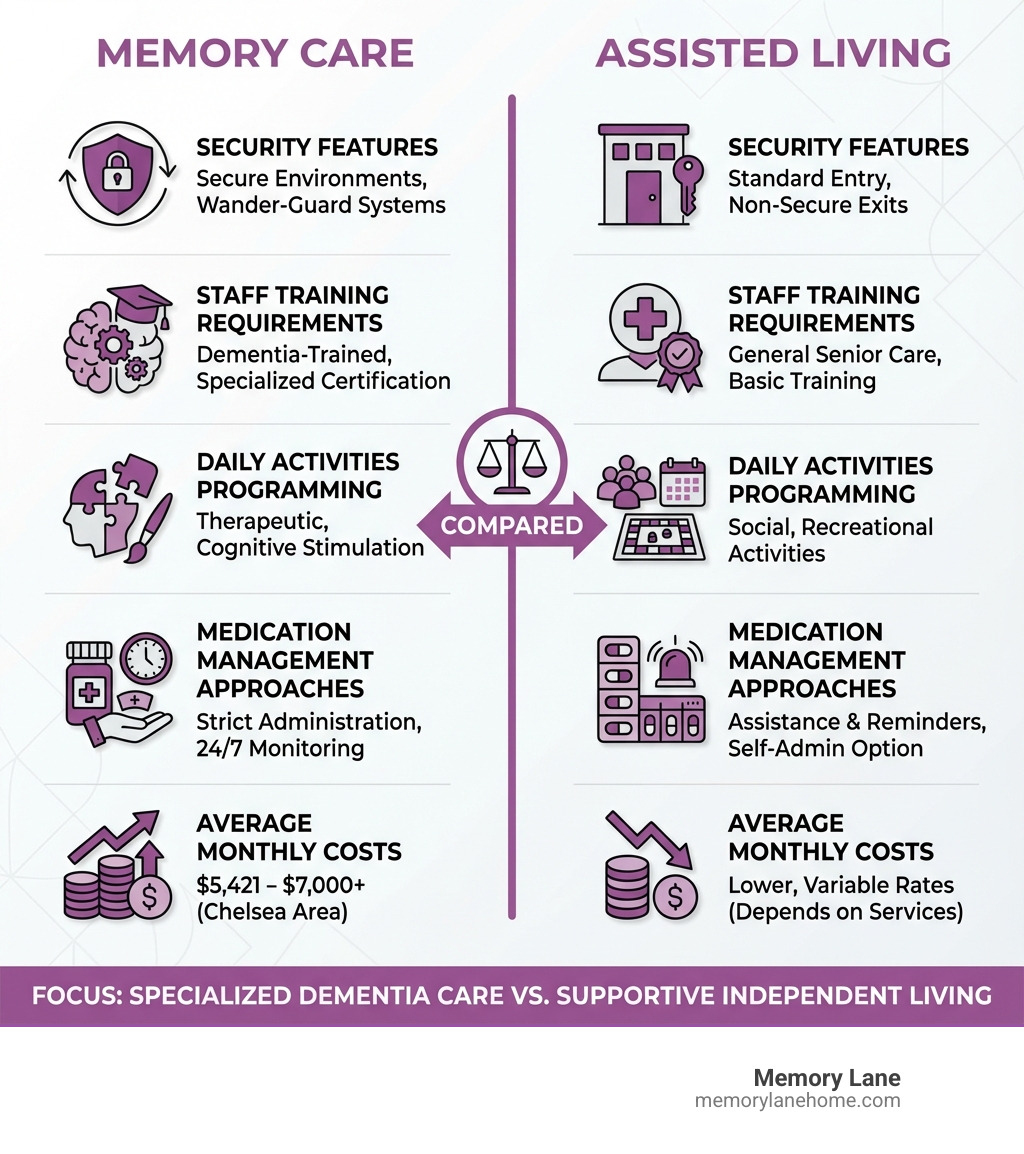
Differentiating Memory Care from Assisted Living
When exploring senior living options for a loved one, you’ll encounter various terms, and understand the distinctions. Two common types of care, assisted living and memory care, often get confused, but they serve different needs. At Memory Lane, we believe clarity is key to making the best decision for your family.
Assisted living communities are designed for seniors who need help with daily activities but are generally independent. This might include assistance with medication management, bathing, dressing, meal preparation, or transportation. The focus is on providing support for everyday needs while promoting a great quality of life and maintaining an active social environment. Residents in assisted living typically do not have a specific health condition that requires specialized, 24/7 dementia-focused care. We offer excellent options for assisted living for dementia patients Chelsea Michigan who are in the earlier stages of cognitive decline.
Memory care, on the other hand, is a specialized form of long-term care specifically designed for individuals living with Alzheimer’s disease and other forms of dementia. These communities provide a higher level of supervision and a structured environment custom to the unique challenges of cognitive impairment. The staff is specially trained in dementia care, and the facilities feature secure environments to ensure residents’ safety, particularly to prevent wandering. The services go beyond basic personal care, incorporating therapeutic programming aimed at enhancing cognitive function, promoting independence where possible, and maintaining dignity.
Here’s a quick comparison of key features:
| Feature | Assisted Living | Memory Care |
|---|---|---|
| Primary Focus | Support with Activities of Daily Living (ADLs) | Specialized care for Alzheimer’s and other dementias |
| Resident Needs | General assistance, medication management | Moderate to severe cognitive decline, safety concerns |
| Environment | Generally open, less restrictive | Secure, designed to prevent wandering, reduced confusion |
| Staff Training | General senior care, ADL assistance | Extensive dementia-specific training, behavioral management |
| Activities | Social, recreational, general wellness | Therapeutic, cognitive stimulation, sensory, familiarity-based |
| Supervision | Scheduled checks, general oversight | 24/7 specialized supervision, constant monitoring |
| Cost | Typically lower than memory care | Often higher due to specialized services and staff |
When to Consider the Transition
Deciding when a loved one needs memory care is one of the most challenging decisions families face. While every individual’s journey with dementia is unique, there are clear indicators that suggest a transition to a specialized memory care environment may be beneficial.
According to the Alzheimer’s Association, by stage five, or at moderately severe cognitive decline, it is generally recommended that patients move into memory care. At this stage, individuals with dementia may forget information they never had trouble retaining before, such as their phone number or even the names of close family members. They might need significant assistance with daily living activities and become disoriented in familiar surroundings.
Key signs that it might be time to consider memory care include:
- Safety Concerns: Frequent wandering, forgetting to turn off appliances, or unsafe behaviors that put themselves or others at risk.
- Increased Care Needs: Requiring constant supervision or assistance with most daily tasks (bathing, dressing, eating).
- Caregiver Burnout: The primary caregiver is experiencing significant physical or emotional stress, impacting their own health and well-being. While dementia home care services Chelsea Michigan can help, there comes a point where 24/7 specialized care is needed.
- Social Isolation: The individual is no longer engaging in activities or social interactions, leading to withdrawal and a decline in quality of life.
- Aggression or Extreme Mood Swings: Behavioral changes that are difficult to manage in a home environment.
Moving into a memory care community before moderately severe cognitive decline can significantly impact a loved one’s health and wellness, offering a smoother transition and allowing them to adapt more easily to their new environment. For more information on the stages of Alzheimer’s and when to consider memory care, you can refer to resources like When to move into memory care.
The Role of a Secured Dementia Unit
A hallmark of effective memory care is the secured dementia unit. These units are specifically designed to provide a safe and structured environment for residents, addressing common challenges associated with dementia, such as wandering. At Memory Lane, our philosophy emphasizes creating spaces that offer both freedom within boundaries and peace of mind for families.
Secured dementia units incorporate various features to prevent residents from inadvertently leaving the community and encountering danger. This includes controlled access points, wander-guard systems that alert staff if a resident attempts to exit, and thoughtfully designed layouts that minimize confusion and disorientation. The goal is not to restrict residents, but to protect them within a safe space where they can move freely and engage in activities without risk.
The structured environment within these units plays a crucial role in reducing confusion and anxiety for residents. Consistent routines, clear signage, and familiar surroundings help individuals with memory impairment feel more secure and grounded. This reduces agitation and promotes a sense of calm. With 24-hour supervision from specially trained staff, families can rest assured that their loved ones are continuously monitored and cared for. Our Memory Lane’s secured dementia units Chelsea Michigan are designed with these principles at their core, offering a secure yet enriching environment.
What to Expect from Chelsea Memory Care Services
When you choose Chelsea memory care for your loved one, you’re choosing a commitment to a person-centered approach. This means we focus on the individual’s unique history, preferences, and remaining abilities, rather than just their diagnosis. Our goal is to provide care that respects their dignity, promotes their independence as much as possible, and improves their overall quality of life.
At Memory Lane, we believe that every resident deserves a personalized care plan. This plan is developed through a collaborative process involving families, residents, and our healthcare team, ensuring that all aspects of a loved one’s physical, emotional, and social needs are met. From assistance with daily tasks to engaging activities, everything is custom to support their well-being. Learn more about our comprehensive memory care services.

Specialized Programs and Therapies
Effective memory care goes beyond basic supervision; it involves specialized programs and therapies designed to stimulate cognitive function and bring joy to residents’ lives. In the Chelsea memory care landscape, you’ll find communities that incorporate innovative approaches to care.
One such highly respected approach is Teepa Snow’s Positive Approach® to Care (PAC) model. This philosophy emphasizes understanding the changes in the brain caused by dementia and adapting communication and care strategies accordingly. It focuses on recognizing and supporting residents’ abilities rather than highlighting their deficits. This can include using sensory perception activities, sensory recognition, and therapeutic programming to engage residents.
At Memory Lane, we accept similar principles, designing programs that use cognitive stimulation, music therapy, and pet therapy. Engaging residents with “triggers of familiarity”—such as familiar music, scents, or objects—can evoke positive emotions and memories, fostering a sense of connection and well-being. Many communities even have “cottage companions,” like a delightful puppy, whose presence brightens residents’ days and provides comforting interaction. These types of specialized programs are crucial in Alzheimers care homes Chelsea Michigan.
The Healthcare Team and Staff Training
The backbone of exceptional Chelsea memory care is its dedicated healthcare team and rigorous staff training. Providing compassionate and effective care for individuals with dementia requires a unique skill set and a deep understanding of the disease’s progression.
At Memory Lane, our staff members are more than just caregivers; they are specially trained dementia experts. This includes extensive training from certified Alzheimer’s Association trainers, ensuring they are equipped to handle the complexities of dementia, including behavioral complications that may arise. Our teams often include a Dementia Program Director, a Masters level Social Worker, and Therapeutic Recreation staff, all working in concert with licensed nursing staff to provide comprehensive support.
Our commitment to ongoing education means our team stays abreast of the latest research and best practices in dementia care. This specialized training allows us to provide 24/7 personalized, compassionate support, with staff who take the time to truly get to know each resident, understanding their personal history, preferences, and unique needs. This level of expertise and dedication is what you should expect from top-tier Alzheimers caregivers Chelsea Michigan.
Creating a Safe and Engaging Community Environment
Beyond specialized care plans and trained staff, a truly exceptional Chelsea memory care community fosters a safe, supportive, and engaging environment that feels like home. Our goal at Memory Lane is to create a warm, friendly atmosphere where residents can build meaningful social connections and live each day with purpose and joy.
We understand the importance of community building. Our residents thrive in environments where they feel connected and valued. From thoughtfully designed common areas to planned activities, every aspect of our homes is geared towards encouraging interaction and creating a sense of belonging. You can see examples of our commitment to creating welcoming spaces on our Our Homes page.

Fostering Social Connections
Social connections are vital for everyone, and especially for individuals with dementia. In a memory care setting, fostering these connections is a deliberate and continuous effort. At Memory Lane, we prioritize creating opportunities for residents to interact, laugh, and share experiences.
This can include a variety of engaging activities such as social clubs, group games, and community events like parties, BBQs, or happy hours. Many communities offer restaurant-style dining, which serves not only as a mealtime but also as a prime opportunity for residents to socialize with peers and staff. Outings and off-site activities, when appropriate, further improve these social experiences. We encourage residents to join in, participate, and build friendships, ensuring that every day brings opportunities for connection and shared enjoyment.
Ensuring Safety and Well-being
Safety is paramount in any memory care community. We ensure that our environments are not only engaging but also secure, providing peace of mind for both residents and their families. This is a non-negotiable aspect of quality dementia care facilities Chelsea Michigan.
Our communities feature secure building designs with controlled access and advanced wander-guard systems to prevent residents from wandering unintentionally. Emergency call systems are readily available, and our staff is awake and attentive 24 hours a day. Beyond physical security, we focus on overall well-being through individualized wellness plans, ensuring that each resident’s health needs are met. This includes nutritious dining options that cater to specific dietary needs, with professional chefs often preparing fresh, balanced meals. Regular housekeeping services contribute to a clean and comfortable living space, allowing residents to focus on living their best life.
Navigating the Financial Aspect of Memory Care
Understanding the costs associated with memory care is a crucial step for families. While the investment can be significant, we believe in transparency and helping families explore all available options. We want to ensure that access to quality local memory care facilities Chelsea Michigan is within reach.
Financial planning for long-term care involves considering various factors, including the level of care needed, the type of accommodations, and the range of services provided. It’s important to evaluate the “value for cost”—what you receive for your investment in terms of specialized care, safety, and quality of life.
The Cost of Chelsea Memory Care
The cost of memory care can vary widely based on location, services, and the specific community. In Chelsea, Michigan, the average cost of memory care is approximately $5,421 per month. This compares to the Michigan state average monthly cost of about $4,596.
However, prices can range significantly. For example, some facilities in Chelsea may start at $6,155 per month for a semi-private room, and go up to $6,807 for a studio, or even $6,282 for a one-bedroom apartment. The average price before discounts in some communities can be around $7,128 per month, with ranges sometimes reaching $6,895 – $9,295. These figures reflect the specialized nature of memory care compared to assisted living, where the average monthly cost in Chelsea is around $4,712.
Factors that influence the monthly cost include the size and floor plan of the apartment, the number of services required, the specific location within Chelsea or the surrounding areas like Ann Arbor and Ypsilanti, and the unique amenities offered by the community. To get a better understanding of average costs by state and region, resources like Genworth publish yearly cost-of-care surveys, which can be a valuable tool for families.
Financial Assistance and Payment Options
We understand that financing memory care can be a concern for many families. Fortunately, several financial assistance programs and payment options are available to help manage these costs. We encourage families to explore all avenues to ensure their loved one receives the care they need.
Some common financial options include:
- Long-Term Care Insurance: Policies designed to cover a portion of long-term care costs, including memory care.
- VA Aid and Attendance Benefits: Eligible veterans and their surviving spouses may qualify for these benefits, which can significantly offset the cost of senior care.
- Life Insurance Conversion: Some life insurance policies can be converted into a long-term care benefit plan.
- Selling a Home: Proceeds from the sale of a family home can be used to fund memory care.
- Bridge Loans: Short-term loans that can provide immediate funds while other assets (like a home) are being sold or other benefits are being processed.
- Personal Loans/Savings: Using personal savings, investments, or securing a personal loan can also be options.
- Medicaid Waivers: While Medicaid primarily covers nursing home care, some states offer waivers that can help cover the cost of memory care in assisted living settings for eligible individuals.
We recommend consulting with a financial advisor specializing in elder care to understand which options best suit your family’s unique situation.
A Family’s Guide to Choosing the Right Community
Choosing the right Chelsea memory care community is one of the most important decisions you’ll make for your loved one. It requires careful consideration, due diligence, and an informed approach. At Memory Lane, we are here to support families through this process and help them find the best fit. If you’re ready to start your search, you can always Request Info Form directly from us.
Key Questions to Ask on a Tour
When you tour memory care communities in Chelsea, Michigan, and the surrounding areas like Ann Arbor and Ypsilanti, come prepared with a list of questions. These questions will help you gather crucial information and evaluate whether a community aligns with your loved one’s needs and your family’s expectations.
Here are some essential questions we recommend asking:
- Staffing and Training: What is the staff-to-resident ratio, especially during evenings and weekends? What specific dementia training does all staff receive, and how often is it updated? Are there specialized dementia care staff members (e.g., Dementia Program Director, social worker)?
- Care Plans: How are care plans developed and updated? How often are they reviewed, and are families involved in this process?
- Security Measures: What specific security measures are in place to prevent wandering and ensure resident safety? (e.g., wander-guard systems, alarmed doors, secure outdoor spaces).
- Daily Life: Can you provide a sample activity calendar for memory care residents? How are activities custom to individual interests and cognitive levels? How do you handle behavioral complications or agitation?
- Environment: What is the design philosophy of the memory care unit? How does it help reduce confusion and promote a sense of calm? What is the atmosphere like, and how do residents and staff interact?
- Nutrition: What are the dining options, and how are dietary needs and preferences accommodated? Can you provide information on the nutritional value and quality of the food?
- Family Involvement: What opportunities are there for family involvement and support? Are there family support groups or educational resources available?
Observing staff-resident interactions, the cleanliness of the facility, and the overall atmosphere during your tour can provide invaluable insights. Trust your instincts, and don’t hesitate to ask follow-up questions.
Finding the Right Chelsea Memory Care Community
Finding the right Chelsea memory care community means evaluating the overall quality of each establishment and determining where your family member would thrive and feel most comfortable. The best community will be one that not only meets their physical needs but also nurtures their emotional and social well-being.
Consider the community’s location and accessibility for family visits. Pay close attention to how staff members interact with residents – genuine warmth, patience, and respect are indicators of a compassionate care environment. Observe the food quality and nutrition, as this significantly impacts a resident’s health and enjoyment. The community atmosphere should feel welcoming, engaging, and safe.
Reading reviews from other families can offer real-world perspectives on a community’s strengths and areas for improvement. While statistics and amenities are important, the personal experiences of others can provide valuable context. We invite you to schedule a tour with us to experience our commitment to quality care firsthand. You can easily arrange this through our Tour Form.
Conclusion
Navigating the journey of dementia care can be complex, but with the right information and support, families can make confident decisions that improve their loved one’s quality of life. We’ve explored the crucial differences between memory care and assisted living, highlighting the specialized support and secure environments that define quality Chelsea memory care. We’ve also digd into the innovative programs, dedicated healthcare teams, and engaging community environments designed to foster well-being and independence.
Understanding the financial aspects and knowing the key questions to ask during your search are vital steps in this process. The goal is to find a community that offers personalized, compassionate support, ensuring your loved one feels valued, safe, and engaged. For families in the Chelsea and Ypsilanti area, Memory Lane is committed to providing a specialized approach that truly improves well-being. We invite you to learn more about our philosophy and how we can support your family.