Assisted Living MI: 24/7 Expert Care
Understanding Assisted Living in Michigan: A Growing Need
Assisted living mi offers a middle ground for seniors who need help with daily activities but not 24-hour nursing care. If you’re exploring options in Michigan, here’s a quick overview:
Quick Overview: Assisted Living in Michigan
- Over 750 facilities across the state offering various levels of care
- Average cost: $3,850 per month (rates vary by location and services)
- Services included: Medication management, meals, housekeeping, social activities, and assistance with daily living
- Financial help available: MI Choice Waiver Program, VA benefits, and long-term care insurance
- Specialized options: Memory care for dementia and Alzheimer’s in secure environments
As Michigan’s senior population grows, many families find home care isn’t enough, while nursing homes are too much. Assisted living bridges this gap, offering a homelike setting where residents maintain independence while receiving personalized help.
The decision often comes when a parent struggles with medications, meals, or memory. You want them safe, engaged, and cared for with dignity. Understanding your options in Michigan helps you make this transition confidently.
As Jason Setsuda, CFO of Memory Lane Assisted Living and a Board Certified Emergency Medicine Physician, I’ve helped many families steer assisted living mi decisions for loved ones with cognitive decline. My approach combines medical expertise with compassionate leadership to guide families to the right care.
Assisted living mi glossary:
What to Expect from Assisted Living in Michigan
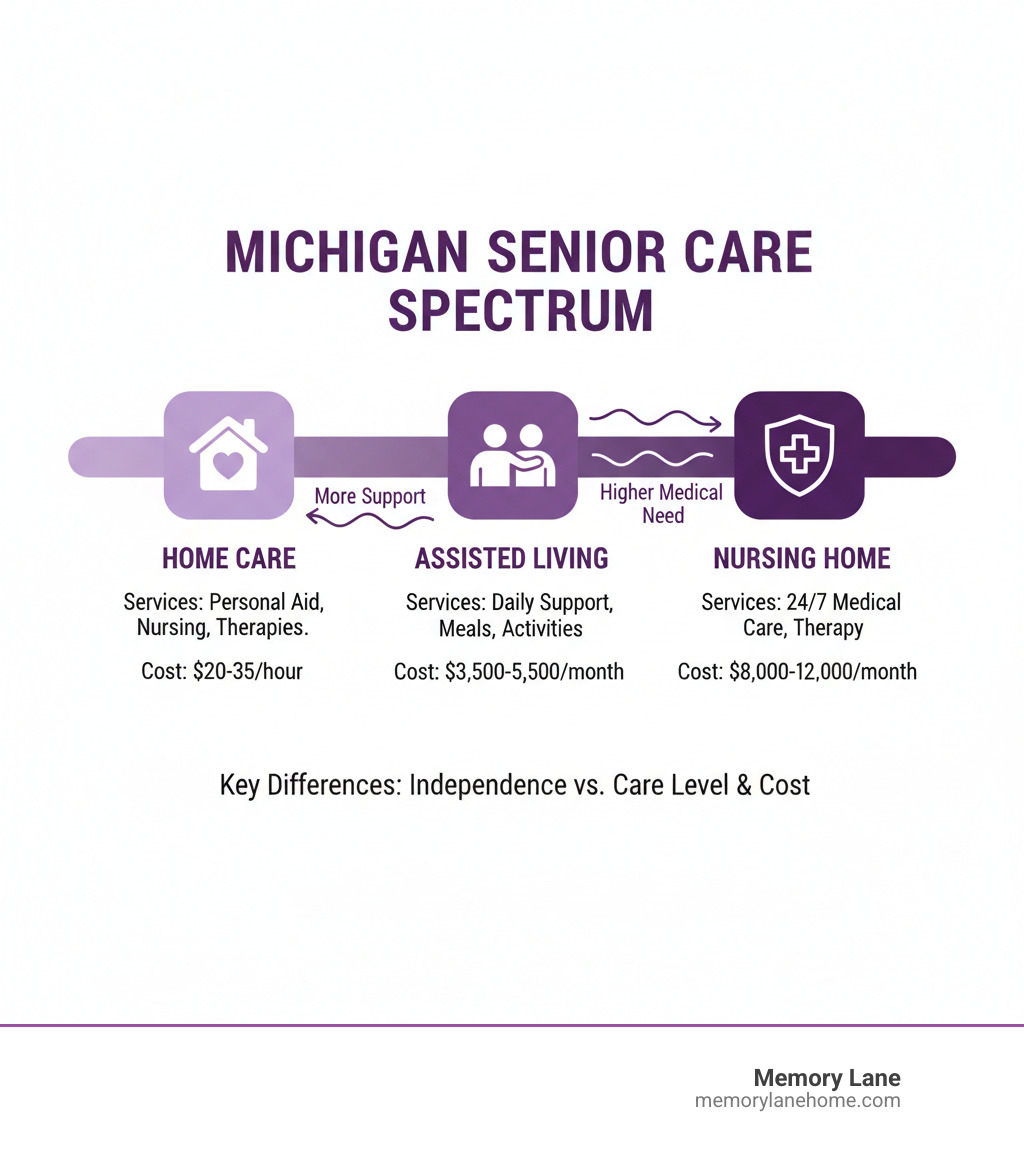
Understanding where assisted living mi fits in the spectrum of senior care is key. It sits between occasional home help and 24/7 medical care, offering a balance of daily support and independence for seniors who want to live life on their own terms.

Assisted Living vs. Nursing Homes
The key difference is the level of medical care. Assisted living is for those who need help with daily tasks but don’t require constant medical supervision. Nursing homes provide intensive, skilled nursing care for serious health conditions.
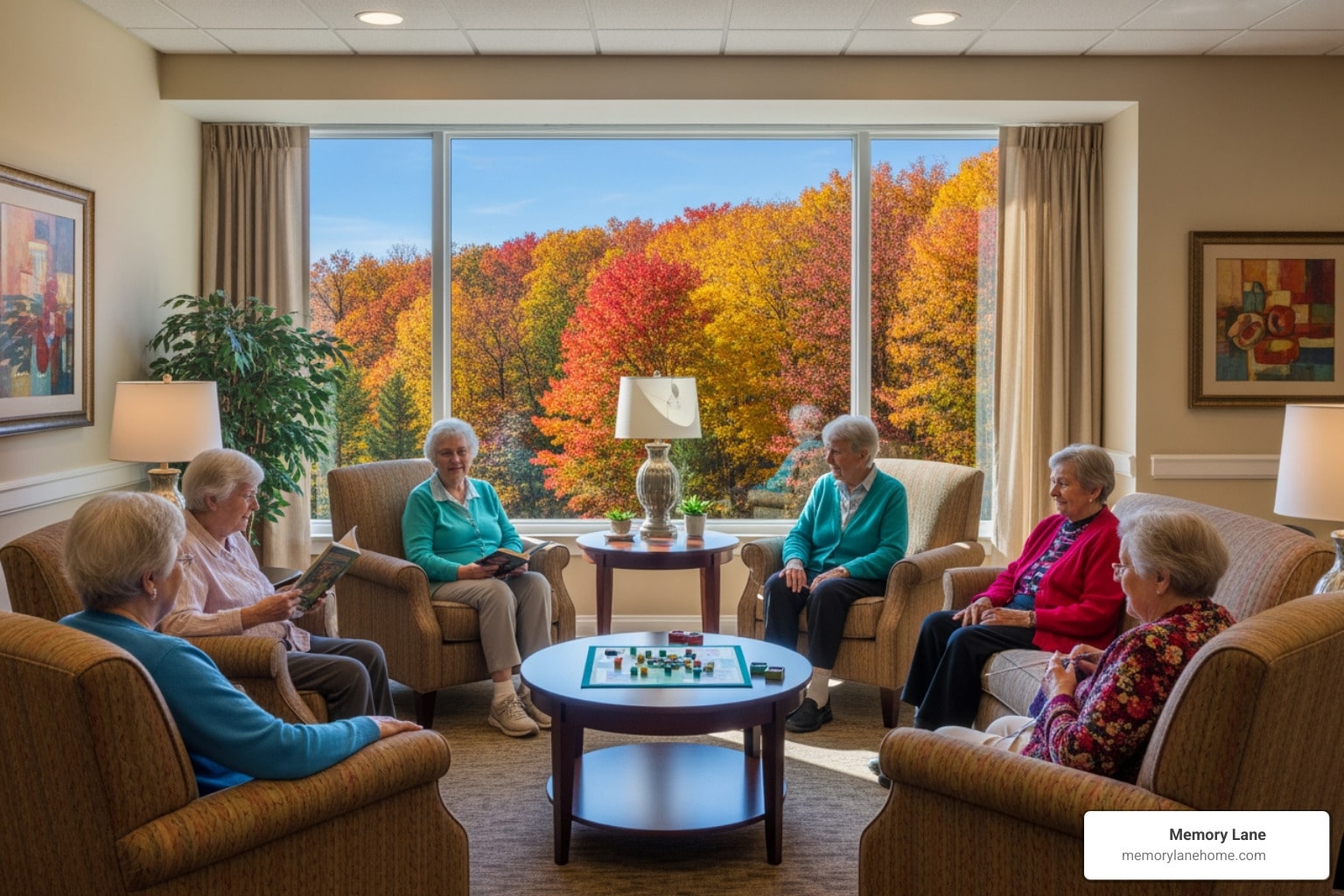
The environment in an assisted living mi community feels like home, with private rooms, cozy gathering spaces, and a focus on community and quality of life. Nursing homes are designed for rehabilitation and complex medical needs, often with a more clinical setting. For many families in Ann Arbor, Ypsilanti, and Saline, assisted living provides the right level of support without sacrificing dignity.
Assisted Living vs. Home Care
Home care brings assistance into a senior’s house, which works well for those needing minimal support. However, it can lead to social isolation and challenges in coordinating care and home maintenance.
Assisted living mi communities offer a more comprehensive solution. Help is always available, not just during scheduled visits. With daily meals, social activities, and no home upkeep, residents are part of a supportive environment where connection and engagement are built into daily life.
Homelike Environment; Privacy and Security
Quality assisted living communities offer private rooms or apartments where residents can feel at home. This privacy is balanced with security features like secure entry systems and 24/7 staff, which is especially important for residents with memory changes. This combination of personal freedom within a secure setting allows residents to live with confidence and gives families peace of mind.
Typical Services Offered
Services in assisted living are personalized and adapt as a resident’s needs change.
- Assistance with Activities of Daily Living (ADLs): Staff provide respectful help with bathing, dressing, grooming, and mobility, encouraging residents to remain as independent as possible.
- Medication management: Trained staff handle reminders, dispense medications, and coordinate with doctors, eliminating a common worry for families.
- Three nutritious meals daily: Communal dining rooms serve as social hubs where chefs prepare fresh, balanced meals that accommodate dietary needs.
- Housekeeping and laundry services: Staff handle cleaning and laundry, freeing residents to spend their energy on activities they enjoy.
- Social and recreational activities: A full calendar of fitness classes, arts, games, and social gatherings keeps residents engaged and connected.
- Transportation services: Scheduled rides to medical appointments, shopping, and outings help residents stay connected to the wider community.
The Benefits of Choosing Assisted Living
Moving to assisted living mi often improves a resident’s quality of life.
- Wellness and independence flourish when daily struggles are removed. Residents have more energy for hobbies and activities they love.
- Social connections combat loneliness. Communal dining and group activities create natural opportunities for friendship and companionship.
- A maintenance-free lifestyle eliminates the stress of home repairs, cooking, and cleaning, freeing up time for relaxation and social engagement.
- Families experience peace of mind knowing their loved one is safe and supported by 24/7 staff and emergency systems. This allows them to return to simply being family.
- Round-the-clock support ensures help is always available for emergencies or immediate needs, creating a crucial safety net.
The Cost of Assisted Living MI and Financial Assistance
Understanding the cost of assisted living mi is crucial for planning. Let’s break down the expenses and financial aid options available.
| Senior Living Option | Average Monthly Cost in Michigan |
|---|---|
| Independent Living | $2,515 |
| Assisted Living | $3,850 |
| Memory Care | $5,452 |
| Nursing Home Care | ~$9,500+ |
Note: Costs are averages and can vary. Memory Care is a specialized form of assisted living.
Average Cost in Michigan ($3,850)
The average monthly cost for assisted living mi is around $3,850. This is a benchmark, as actual costs vary based on care needs, location, and amenities. Some communities offer all-inclusive rates, while others have a tiered approach with extra charges for additional services.
Impact of Inflation on Costs
Inflation has impacted senior care. Between 2022 and 2023, Michigan’s assisted living mi rates rose 12.5% to $4,111 per month, outpacing the 10% national average. Projections suggest costs could continue to climb, making it wise to start your financial planning early.
Cost Variations by City (Ann Arbor, Detroit, Grand Rapids)
Location significantly impacts cost. For families in Ann Arbor, Ypsilanti, or Saline—areas we serve at Memory Lane—the average cost is higher, around $4,707 per month. Grand Rapids and Lansing also trend higher, while Detroit’s rates are closer to the state average. These differences reflect local real estate and staffing costs.
Paying for Assisted Living in Michigan
Most families use a combination of resources to fund care.
- Private funds like personal savings, retirement accounts, and Social Security are the most common starting point.
- Long-Term Care Insurance policies are designed for this purpose and can cover assisted living costs. If your loved one has a policy, review its benefits.
- VA benefits, particularly the Aid and Attendance program, offer financial help for veterans and spouses who need assistance with daily activities. Visit benefits.va.gov to learn more.
- Reverse mortgages allow homeowners to use their home equity without selling the property. The loan is repaid when the home is sold. Learn about the federally insured program.
- Life insurance policies can sometimes be converted to cash through a loan, cash-out, or life settlement. More information is available at longtermcare.acl.gov.
State and Federal Financial Aid Programs
Michigan offers programs to help reduce the financial burden of assisted living mi.
The MI Choice Waiver Program is a lifeline for many. While standard Medicaid doesn’t cover room and board, this waiver helps pay for personal care services like bathing, dressing, and mobility assistance in an assisted living setting. Enrollment slots are limited, so applying early is critical. Get details at the Michigan Department of Health and Human Services website.
Applying for the MI Choice Waiver requires meeting financial and medical criteria. Applicants must be 65 or older, financially eligible for Medicaid, and meet a nursing home level of care. For 2024, financial eligibility for a single person is generally a monthly income under $1,255 and assets of $2,000 or less. For guidance, call an Area Agency on Aging specialist at (800) 442-1713. To start a Medicaid application, call (855) 275-6424.
Area Agencies on Aging are valuable resources. They connect seniors to nutritional programs, transportation, support groups, and wellness activities. Learn more at n4a.org.
Regulations and How to Choose the Right Community
Michigan’s regulations for assisted living mi facilities exist to ensure residents are safe, respected, and well-cared for, providing peace of mind for families.

Michigan’s Licensing Body (LARA); Bureau of Community and Health Systems
In Michigan, “Homes for the Aged” (the official term for assisted living) are licensed and monitored by the Bureau of Community and Health Systems (BCHS), part of the Department of Licensing and Regulatory Affairs (LARA). BCHS acts as the watchdog, conducting inspections and investigating complaints to ensure facilities in Ann Arbor, Ypsilanti, Saline, and across the state meet standards for health and safety.
Resident Rights and Admission Contracts
Before moving in, you’ll sign an admission contract. This legal document outlines the services provided, their costs, admission and discharge policies, and a full list of resident rights. The contract must be written in plain language and updated annually or when care needs change. We encourage families to read it carefully and ask questions.
Key Regulations for assisted living mi
- Staffing requirements: A supervisor must be on every shift, with enough trained caregivers to provide timely, attentive care. When you visit, notice if staff seem rushed or have time for warm interactions with residents.
- Staff training: All direct care staff must be trained in assisting with daily activities, emergency procedures, and resident rights. Specialized training in dementia care is essential for memory care communities.
- Background checks: Every employee with resident contact must pass a criminal background and fingerprint check to protect vulnerable seniors.
- Medication management: Only a registered nurse (RN), licensed practical nurse (LPN), or properly trained staff under their supervision can administer medications, following strict protocols.
If you have concerns about a facility, you can report concerns online, use a paper complaint form, or call (866) 856-0126. For suspected abuse or neglect, contact Michigan’s Adult Protective Services at (855) 444-3911. Learn more about reporting concerns here.
A Step-by-Step Guide to Finding a Facility
Finding the right assisted living mi community is manageable with a step-by-step approach.
- Assess your loved one’s needs. Consider their required level of daily support, any cognitive changes, and social preferences to focus your search.
- Research communities online. Use state resources and facility websites to learn about services, amenities, and specializations like memory care.
- Schedule visits. While virtual tours are a good start, an in-person visit is essential. Observe the atmosphere, cleanliness, and staff-resident interactions.
- Come prepared with questions. Ask about pricing, staffing levels, medication management, activities, and emergency protocols. For memory care, inquire about specialized training and security measures.
- Review state inspection reports. These public documents provide an objective look at a facility’s compliance with state standards. Ask to see recent reports for any community you’re seriously considering.
Specialized Assisted Living for Cognitive Health
Individuals with dementia or Alzheimer’s disease need specialized care in an assisted living mi setting. This approach focuses on safety, engagement, and understanding cognitive decline, going beyond standard assisted living services.
Understanding Memory Care in an assisted living mi setting
Memory care is a specialized form of assisted living mi designed for the complex needs of individuals with cognitive impairments. These dedicated environments, like those we offer in Ann Arbor, Ypsilanti, and Saline, provide a secure and supportive setting where residents can thrive. The goal is to improve their quality of life, maintain cognitive function, and provide comfort and dignity.
Key aspects of memory care include:
- Specialized Staff Training: Caregivers receive extensive training in dementia care, including communication techniques, managing behaviors, and providing person-centered care that respects each resident’s history.
- Custom Therapeutic Activities: Activities like memory games, music therapy, and art classes are designed to stimulate memory, encourage social interaction, and provide a sense of purpose.
- Safe and Secure Building Design: Memory care environments are designed to prevent wandering and minimize confusion, with features like secure exits and easy-to-steer layouts.
- Higher Staff-to-Resident Ratios: These units typically have more staff per resident than general assisted living, ensuring more individualized attention and immediate support.
- Support for Families: Quality memory care communities provide support for families, including educational resources and support groups, often in partnership with organizations like the Alzheimer’s Association Greater Michigan Chapter.
Conclusion: Your Path to Quality Senior Care in Michigan
Learning about assisted living mi is an important first step. While navigating care options, costs, and regulations can feel overwhelming, you are now better equipped to make informed decisions for your loved one.
Our most valuable advice is to start planning early. A proactive approach allows time for research, tours, and meaningful conversations with your loved one, turning a potential crisis into a thoughtful transition.
For families in Ann Arbor, Ypsilanti, and Saline facing the challenges of dementia or Alzheimer’s, specialized support is key. Memory care is about creating an environment where your loved one can maintain dignity, engage in meaningful activities, and experience joy. At Memory Lane, our entire approach is built around this understanding, offering expert, compassionate care for both residents and their families.
Choosing assisted living mi is not about giving up independence—it’s about supporting it in new ways. It’s about ensuring safety, social connection, and peace of mind for everyone. As you visit communities, trust your instincts. The right fit is out there, and you’ll know it when you find it.