
Advanced Memory Care: 2025 Expert Support
Understanding What Advanced Memory Care Means for Your Family
Advanced memory care is a specialized level of residential support for individuals in the later stages of dementia or Alzheimer’s disease. It provides intensive, around-the-clock assistance for those with complex needs. Here’s what sets it apart:
- 24/7 specialized staff supervision trained in advanced dementia care techniques
- Intensive behavioral intervention for significant mood or behavioral challenges
- Direct assistance with all personal care, including eating, dressing, bathing, and mobility
- Frequent safety checks and fall prevention in a secure environment
- Coordinated medical care with physicians, nurses, and therapists
- Nutrition and hydration management for residents with swallowing or eating challenges
When dementia progresses, standard memory care may no longer be enough. Advanced memory care bridges the gap between traditional support and skilled nursing, focusing on preserving dignity when cognitive decline is severe. With over 55 million people worldwide living with dementia, this specialized support is essential for both the individual and their family.
The late stage of Alzheimer’s disease requires intensive care for complex needs that often cannot be met at home. When safety, caregiver exhaustion, and medical needs become overwhelming, it’s time to explore advanced memory care.
I’m Jason Setsuda, a Board Certified Emergency Medicine Physician and CFO of Memory Lane Assisted Living. With experience in medicine and as a Medical Director for hospice services, I’ve seen how advanced memory care transforms outcomes for families. I’m passionate about helping you understand your options during this difficult journey.
What is Memory Care and When Is It Needed?
When a loved one is diagnosed with Alzheimer’s or another form of dementia, you’ll likely hear the term “memory care.” But what does it mean, and when is it time to consider it?
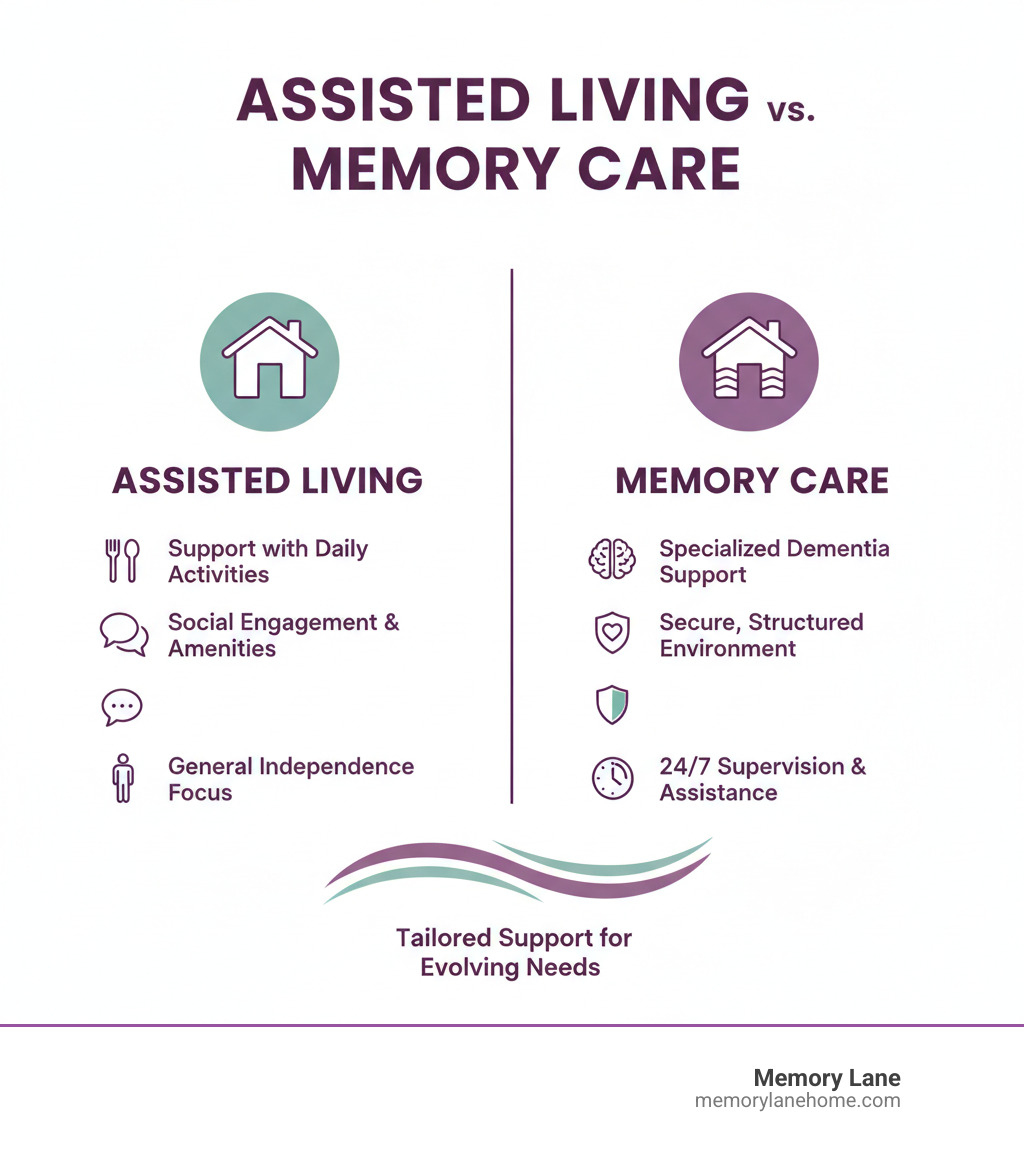
Memory care is a specialized type of residential care for people with cognitive decline. Unlike standard assisted living, memory care communities are designed from the ground up to support individuals with memory challenges. Staff receive specialized training in dementia care, and the environment is thoughtfully designed for safety and stability, with features like secured exits to prevent wandering and structured daily routines.
With more than 55 million people worldwide living with dementia, these communities are an essential resource. To understand the differences in support levels, you can read about What to Expect From Assisted Living for Dementia Care.
Key Signs a Loved One May Need Memory Care
Recognizing when professional support is needed is an act of love, ensuring your loved one gets the specialized care they require. Here are the key signals:
- Safety concerns at home: Incidents like leaving the stove on or wandering outside are clear warnings. Over 90% of needs for those with dementia are home safety-related. A secure environment with 24/7 supervision becomes critical.
- Declining personal hygiene: Resistance to bathing, wearing the same clothes, or neglecting grooming are signs that these tasks have become overwhelming due to the disease.
- Difficulty with activities of daily living (ADLs): When dressing, eating, or using the bathroom becomes too challenging to manage alone, it signals a need for more support.
- Caregiver burnout: If you’re exhausted, your health is suffering, or you feel resentful, these are valid signs that you need help. Recognizing your limits is realistic, not selfish.
- Social withdrawal: Giving up hobbies or avoiding social gatherings can accelerate cognitive decline. The structured engagement in memory care helps combat this isolation.
- Behavioral changes: Increased anxiety, aggression, or paranoia that are unmanageable at home indicate a need for staff trained in specialized behavioral support. Our article on Early Warning Signs: Identifying Alzheimer’s Symptoms explores these indicators further.
The Benefits of a Specialized Environment
Understanding what memory care communities offer can ease the transition. Key benefits include:
- Twenty-four-hour supervision and support: At Memory Lane’s Michigan communities in Ann Arbor, Ypsilanti, and Saline, trained staff are always present to monitor and assist residents with patience and expertise.
- Secured entrances and exits: These provide peace of mind by preventing wandering, creating a safe yet homelike environment.
- Personalized care plans: We develop individualized plans that address specific preferences and challenges, adjusting them as conditions change to maintain dignity.
- Social engagement: Structured activities like music, art, and group exercise provide meaningful interaction and combat the isolation that often accompanies dementia.
- Cognitive stimulation: Brain-stimulating games and reminiscence activities help maintain existing abilities and support quality of life.
- Reduced family stress: Knowing your loved one is safe and professionally cared for allows you to return to being a daughter, son, or spouse, rather than just a caregiver.
For more context, explore our guide on Understanding Assisted Living Communities and Their Benefits.
Navigating the Stages of Dementia and Evolving Care Needs
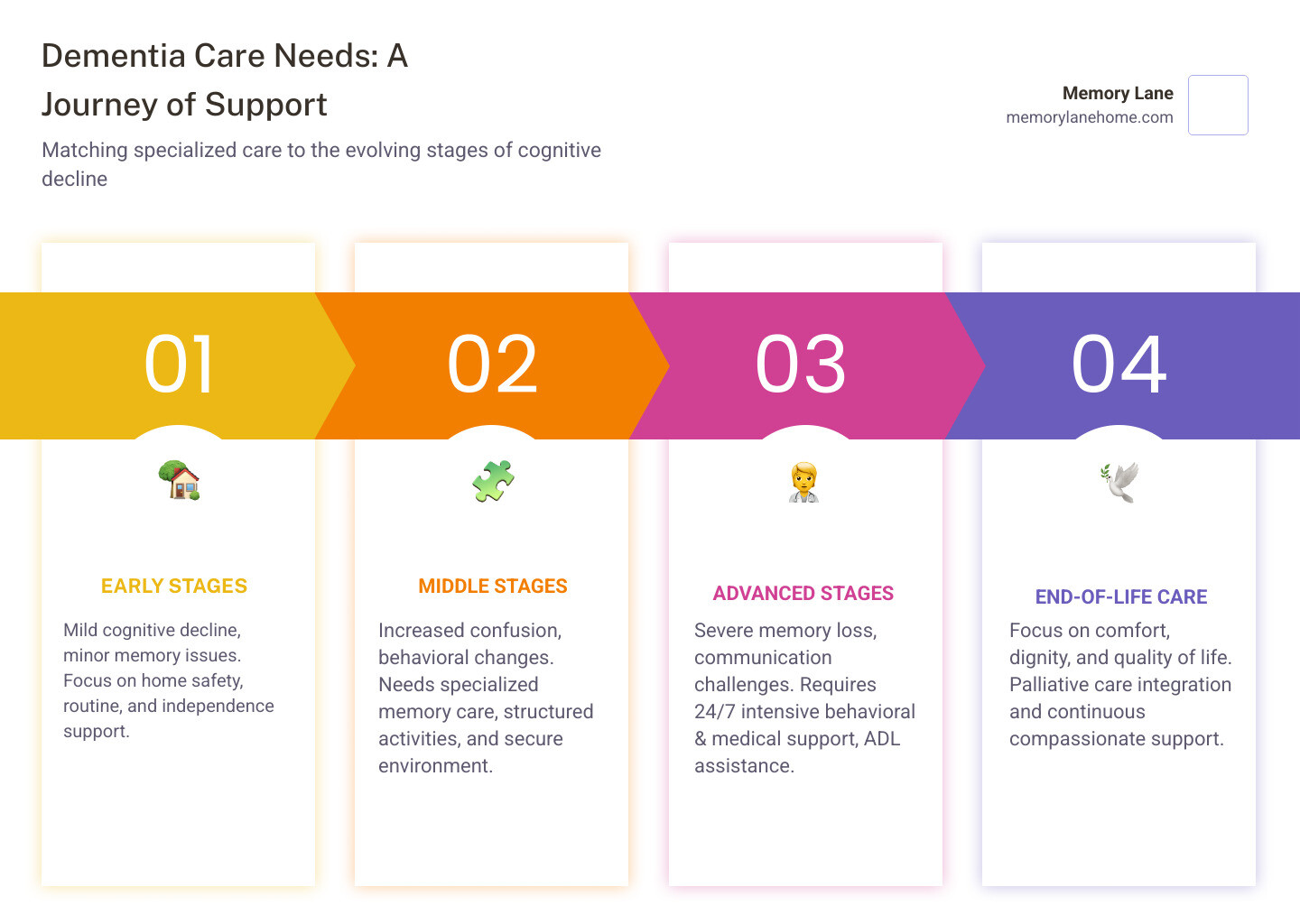
Understanding how dementia progresses helps you make the right care decisions. While each journey is unique, dementia typically moves through early, middle, and late stages, each requiring different levels of support.
This journey can be overwhelming. You’re not alone, and resources like the Alzheimer’s Association offer a free 24/7 helpline at 800-272-3900 for support and guidance.

Early and Middle Stages
In the early stages, symptoms are often subtle: forgetting recent conversations, misplacing items, or struggling for words. You might notice mood shifts or withdrawal. During this time, familiar routines are crucial for security, as they become part of long-term memory. Simple home safety modifications and communication aids like calendars can help maintain independence. Caregiver self-care is also essential; Day Programs: A Guide to Supporting Dementia Patients can provide needed respite.
As dementia enters the middle stage, changes become more obvious. Your loved one may not recognize familiar faces and will need more help with daily activities. Complex tasks like cooking become unsafe. The focus shifts to adapting activities to their current abilities within a safe and engaging environment.
Late and End-of-Life Stages
The late stage is when advanced memory care becomes essential. This stage can last for weeks or years and involves intensive needs.
- Severe memory loss and an inability to communicate verbally are common.
- Physical decline often makes walking impossible, requiring assistance with all ADLs (eating, bathing, dressing, toileting). Incontinence is also typical.
- The body becomes more vulnerable. Swallowing difficulties increase the risk of pneumonia, a leading complication.
Our care approach shifts to comfort and connection. Sensory connection through touch, music, and scent becomes a primary form of communication. We provide specialized nutrition support and are trained to recognize pain through non-verbal cues like grimaces or agitation. This stage is challenging, but compassionate, professional care preserves dignity. For more details on specialized support, see our article on Dementia Care Standards in Michigan: Skilled Nursing Homes.
A Closer Look at Advanced Memory Care
When basic memory support is no longer enough, advanced memory care becomes a lifeline. At Memory Lane, our programs are built on a person-centered approach. We look at each resident’s life story, joys, and comforts to create a care plan that honors the whole person, not just the symptoms of their disease.
Our specialized teams are trained to provide compassionate, adaptable support. We focus on what residents can still do, preserving dignity and finding moments of joy. You can learn more about our philosophy on our Advanced Memory Care page.

What Defines an Advanced Memory Care Program?
Advanced memory care provides comprehensive, skilled support for the later stages of dementia. The foundation is built on several key components:
- Personalized care plans: Developed by an interdisciplinary team, these detailed roadmaps are based on a resident’s history, preferences, and routines. As discussed in our article on Personalized Care Plans in Assisted Living Ypsilanti, these plans evolve as needs change.
- Intensive behavioral support: Our staff are trained to recognize triggers for agitation or anxiety and respond with non-pharmacological strategies first, addressing the underlying need the behavior is communicating.
- Nutrition and hydration management: A registered dietitian reviews meal plans to ensure residents receive appealing, appropriate food. We adapt textures and provide assistance to manage swallowing difficulties and appetite changes.
- Coordination with medical professionals: We work closely with physicians and specialists, and a registered nurse is available seven days a week to oversee health needs, manage medications, and provide expert clinical care.
Innovative Therapies in Advanced Memory Care
Innovative therapies can reach residents in ways words no longer can, tapping into emotions and senses that remain intact.
- Music therapy: Can calm agitation and evoke powerful emotional memories. We’ve seen non-verbal residents sing along to songs from their youth.
- Art therapy: Offers a non-verbal outlet for expression and creativity, reducing frustration and providing a sense of accomplishment.
- Reminiscence therapy: Uses photos, objects, and music to help residents connect with their personal history, reinforcing their identity.
- Sensory stimulation: Engages the five senses through aromatherapy, different textures, or calming sounds to reduce anxiety and evoke positive feelings.
- Pet therapy: Visiting animals or robotic companion pets can lower stress, increase social interaction, and bring joy and comfort.
Our commitment to these approaches is backed by continuous training, as detailed in Effective Nursing Home Staff Training for Dementia Care.
Choosing the Right Facility and Understanding Costs
Finding the right advanced memory care facility is about finding a community where your loved one will feel safe, valued, and cared for. This decision is significant, so take your time, ask questions, and trust your instincts. Our guide on How to Choose Local Memory Care Options can help you start your search.
What to Look For in a Facility
When you tour a facility, evaluate these key areas:
- Staff qualifications and training: Ask about specific dementia care training, staff-to-resident ratios, and nurse availability. Compassionate, skilled staff are crucial.
- Cleanliness and layout: The community should be well-lit, clean, and easy to steer. Look for helpful cues like memory boxes outside rooms.
- Resident engagement: Observe the residents. Do they seem content and engaged in activities, or isolated? This reflects the quality of daily programming.
- Security measures: Look for secured entrances and exits to prevent wandering, as well as safe, enclosed outdoor spaces.
- The dining experience: Inquire about the menu, assistance during meals, and accommodations for swallowing difficulties. Proper nutrition is vital.
- Therapeutic programs: Does the facility offer programs like music, art, or reminiscence therapy? Ask how activities are adapted for different cognitive levels.
- Family communication: How will the facility keep you updated? The best communities view families as partners in care.
For a comprehensive checklist, see our article Discover What to Look For in Local Memory Care Facilities.
Understanding the Costs and Financial Aid
Planning for the cost of advanced memory care is often stressful. The national average is around $6,935 per month, but this varies by location and level of care. It’s important to get specific pricing from facilities you are considering.
- Medicare: Does not cover room, board, or personal care in memory care facilities. It may cover doctor visits, medical equipment, some prescription drugs (Part D), and up to 100 days of skilled nursing care after a hospitalization. It also covers hospice services.
- Medicaid: This joint federal and state program can help cover long-term care for those with limited income and assets. Eligibility requirements vary by state, and not all facilities accept Medicaid.
- Veterans benefits: The Aid and Attendance program can assist veterans over 65 and their surviving spouses with care costs.
- Private pay: Many families use personal savings, home sale proceeds, retirement accounts, or long-term care insurance.
Navigating these options is complex. Our article on Exploring Affordable Dementia Care Options in Michigan offers state-specific guidance, and the Alzheimer’s Association resources on long-term care provide comprehensive financial information.
Frequently Asked Questions about Advanced Memory Care
How does advanced memory care differ from standard memory care?
Advanced memory care is for individuals with higher acuity needs whose dementia has progressed to a point where standard memory care is no longer sufficient. The key differences are:
- Higher Level of Care: It addresses profound memory loss, significant physical decline, and the need for total assistance with daily activities.
- Specialized Staff Training: Teams receive extensive education in managing late-stage dementia challenges, including severe agitation, communication loss, and end-of-life transitions.
- Intensive Medical and Behavioral Support: It involves more comprehensive coordination with physicians and specialists, plus focused interventions for severe behavioral expressions.
- Integrated End-of-Life Care: Palliative and hospice principles are seamlessly integrated into daily care, focusing on comfort, dignity, and pain management.
What is the role of a specialized care team?
An interdisciplinary care team is a hallmark of advanced memory care. This collaborative group of professionals works together to create a comprehensive support network. The team typically includes:
- Geriatricians and Neurologists: Physicians who guide medical treatment and manage the physical complications of advanced dementia.
- Registered Nurses: Available seven days a week, they provide skilled nursing, monitor health changes, and coordinate with doctors.
- Therapists (Physical, Occupational, Speech): They help maintain mobility, adapt activities, and address swallowing or communication difficulties.
- Registered Dietitians: They review meal plans to ensure proper nutrition and hydration, adapting food textures and strategies as needed.
- Social Workers: They provide emotional support to residents and families, help with care transitions, and facilitate communication.
This team approach ensures that every aspect of a resident’s well-being receives expert attention.
How can I maintain communication with a loved one in late-stage dementia?
When verbal communication is no longer possible, connection is still achievable through presence, sensation, and emotion. Your warmth and love still matter profoundly. Try these methods:
- Touch: Holding hands or a gentle back rub can convey comfort and love more effectively than words.
- Music: Playing favorite songs can bypass cognitive barriers and reach deep emotional memories, often producing a visible positive response.
- Scent: Familiar scents, like a favorite perfume or flower, can trigger positive feelings and provide comfort without requiring cognitive processing.
- Simple Language: When you speak, use a calm tone and short, reassuring sentences. Avoid questions that rely on memory.
- Non-Verbal Cues: Pay attention to their facial expressions and body language to understand their needs and feelings.
Your presence is meaningful. Even if the memory of the visit fades, the feeling of being loved remains. For more insights, read our article on Understanding the Emotional Journey of Dementia Patients.
Conclusion: Finding Hope and Support on the Memory Care Journey
The path through dementia is challenging, but there is hope in finding the right support system. Advanced memory care offers more than medical attention; it provides a place where your loved one can maintain dignity, experience joy, and receive compassionate care during their most vulnerable stage.
We’ve covered what sets advanced memory care apart, the signs that it’s time for this support, and how to evaluate your options. Seeking professional care is not giving up—it’s giving your loved one the specialized environment they need while allowing you to return to your role as a family member.
At Memory Lane, we believe in care that honors the person first. Our teams in Ann Arbor, Ypsilanti, and Saline work to create safe, engaging, and valued environments. We build our care around each resident’s history, preferences, and abilities.
The decision to transition a loved one is never easy, but you don’t have to make it alone. Our experienced staff can help you understand your options and determine if Memory Lane is the right fit for your family.
We invite you to visit Our Homes to see our nurturing approach. Whether you’re planning for the future or facing an immediate need, we’re here to support you. Learn more about our specialized dementia care services and how we can support your family.