
24 hour dementia care: 7 Crucial Signs & Support
Why 24-Hour Dementia Care Matters for Your Family
24 hour dementia care provides round-the-clock supervision and support for individuals with dementia who need continuous assistance. This level of care becomes essential when a loved one can no longer be safely left alone, wandering or falls become frequent, or family caregivers experience overwhelming stress.
Key Reasons Families Choose 24-Hour Dementia Care:
- Safety concerns – Wandering, falls, or unexplained injuries become frequent
- Caregiver burnout – Family members experience physical exhaustion and emotional strain
- Medical complexity – Managing multiple medications or chronic conditions becomes difficult
- Behavioral changes – Sundowning, aggression, or confusion intensifies
- Social isolation – Your loved one withdraws from activities they once enjoyed
- Home safety risks – Unpaid bills, unhygienic conditions, or expired food appear
As dementia progresses, individuals often need help with basic activities like eating, bathing, and dressing. With six in ten people with dementia wandering and falls being a leading cause of injury for seniors, many families eventually need professional, around-the-clock support.
The good news is that 24-hour care—whether at home or in a specialized memory care community—improves quality of life for everyone. It provides supervision to prevent accidents, ensures proper medication management, offers companionship, and gives family caregivers needed respite. With the right support, people with dementia can maintain dignity and experience moments of joy.
I’m Jason Setsuda, a Board-Certified Emergency Medicine Physician and CFO of Memory Lane Assisted Living. With over 10 years of medical experience, I’ve helped countless families steer 24 hour dementia care to find solutions that prioritize both safety and quality of life.
What is 24-Hour Dementia Care and Why is it Crucial?
24 hour dementia care is more than a daily check-in; it’s continuous, round-the-clock support for individuals with dementia to help them stay safe, manage their health, and maintain a high quality of life.
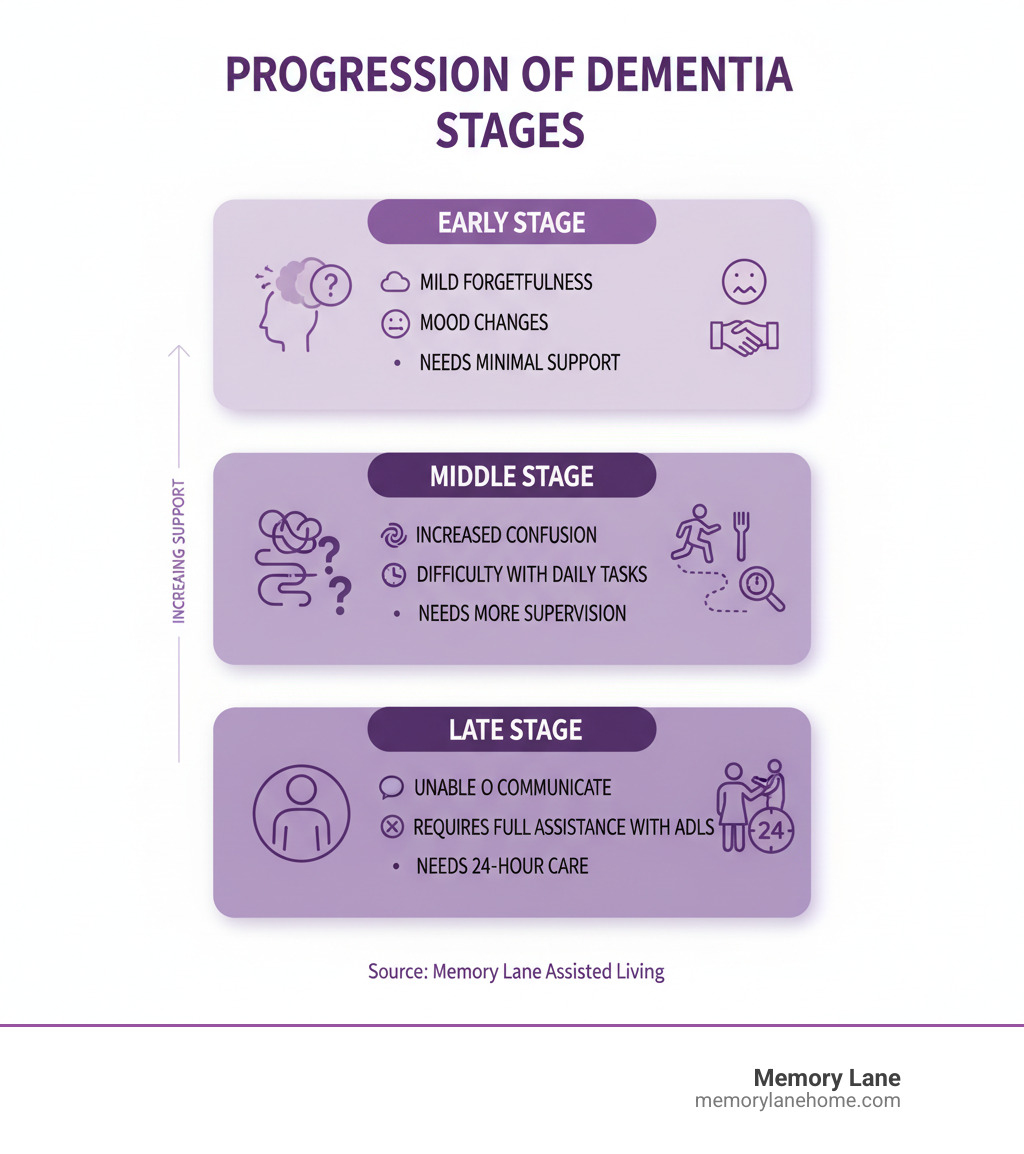
As dementia progresses, living independently becomes unsafe. A person might forget they’ve taken medication, wander from home, or leave the stove on. 24 hour dementia care addresses these challenges with personalized attention, including help with Activities of Daily Living (ADLs), continuous supervision, medication management, and crucial emotional support and companionship to maintain dignity.
This kind of care doesn’t automatically mean moving to a facility. While specialized memory care communities offer incredible benefits, in-home care with trained caregivers can also provide round-the-clock support. The right choice depends on your loved one’s specific needs.

The Role of Social and Mental Stimulation
Safety and medical care are essential, but they’re not the whole picture. Your loved one still needs connection and joy. Structured activities are therapeutic, not just busy work. Music, art, or simple tasks can reduce anxiety, give a sense of purpose, and foster connection. These activities can also trigger memories and create opportunities for non-verbal communication through shared, joyful experiences.
At Memory Lane, we’ve seen how personalized engagement changes lives. The key is meeting each person where they are, understanding what brings them joy and a sense of belonging, and building those moments into every single day.
Ensuring Safety and Well-being Around the Clock
Safety is one of the most compelling reasons to consider 24 hour dementia care.
Fall prevention is critical. With round-the-clock care, someone is always present to assist with mobility, dramatically reducing the risk of falls, which are the leading cause of injury among older adults.
Wandering prevention is equally vital. Since six in ten people with dementia will wander at some point, continuous supervision in a secure environment is essential to prevent them from getting lost or hurt.
Medication management prevents dangerous errors like missed doses or accidental overdoses. Professional caregivers ensure prescriptions are taken correctly and on schedule.
Emergency response is faster when a trained caregiver is present to recognize subtle health changes and act immediately, which can be lifesaving.
Nutritional support ensures regular, healthy meals. Caregivers can prepare food and offer encouragement to prevent weight loss and malnutrition.
These measures combine to create a safe environment, giving you the peace of mind that your loved one is protected.
7 Key Signs It’s Time for Round-the-Clock Support
Deciding when a loved one needs 24 hour dementia care is difficult, but clear warning signs shouldn’t be ignored. Recognizing them is not a failure; it’s a proactive step to ensure your loved one’s safety and well-being.

- Safety concerns: Frequent falls, unexplained bruises, or other accidents are clear signs that living alone is no longer safe.
- Wandering risk: If your loved one tries to leave home at odd hours or gets lost in familiar places, the risk is serious. 6 in 10 people with dementia will wander.
- Caregiver burnout: If you’re exhausted, irritable, and haven’t slept through the night in weeks, you may be experiencing burnout. The demands of care have likely exceeded what one person can provide.
- Unhealthy living conditions: Unpaid bills, spoiled food, or poor personal hygiene are not laziness; they are symptoms of the disease’s progression.
- Social isolation: Withdrawing from friends, hobbies, and social activities leads to isolation, which can worsen cognitive decline and emotional well-being.
- Medication errors: A disorganized pillbox or missed doses can be dangerous, especially when managing chronic conditions like heart disease or diabetes.
- Behavioral changes: Increased agitation, aggression, or severe sundowning (late-day confusion and anxiety) can make home care unsafe for everyone.
When Safety Becomes the Primary Concern
Safety often becomes the primary factor for seeking 24 hour dementia care. The risk of falls, the leading cause of injury among older adults, multiplies with dementia. Unexplained bruises or weight loss can be signs of unreported falls or difficulty with meals. Wandering is another major hazard, with the Alzheimer’s Association reporting that 6 in 10 individuals with dementia will wander, which can be life-threatening.
Recognizing Caregiver Stress and Burnout
Caring for someone with dementia is relentless, leading to physical and emotional exhaustion. This strain, known as caregiver burnout, affects your health, relationships, and ability to provide care. Studies show nearly all caregivers have unmet needs. Recognizing that you need help is not a weakness. Professional 24 hour dementia care provides essential respite, allowing you to transition from an exhausted caregiver back to a loving family member—a daughter, son, or spouse who can simply be present.
Exploring Your Options for 24-Hour Dementia Care
Once you determine a need for 24 hour dementia care, the next step is choosing between in-home care and a specialized memory care community. The right answer depends on your loved one’s needs, personality, and your family’s circumstances. At Memory Lane, we offer both in-home services and specialized memory care homes to provide a solution that ensures safety and dignity.
To help you compare, here’s how these two approaches differ:
| Feature | Memory Lane’s In-Home 24-Hour Care Services | Memory Lane’s Specialized Memory Care Homes |
|---|---|---|
| Cost | Varies based on individual needs, intensity of care, and caregiver type. | All-inclusive monthly fee covering care, lodging, meals, and activities. |
| Socialization | Primarily one-on-one with caregiver; limited external social interaction unless planned. | Built-in community with peers, structured group activities, and social programs. |
| Medical Support | Caregiver assists with medication, monitors health. Skilled nursing visits can be arranged. | 24/7 licensed support, coordination with healthcare providers, prompt medical attention. |
| Environment | Familiar home setting; requires home modifications for safety. | Secure, purpose-built environment designed for dementia; easy navigation, safety features. |
| Caregiver Management | Family manages caregivers (hiring, scheduling, training, backup) or through an agency. | Professional staff management by the facility; consistent, trained caregivers. |
No matter which path you choose, we create individualized care plans that reflect your loved one’s unique history, preferences, and needs. Our goal is always the same: to provide compassionate, round-the-clock support that improves quality of life.
Memory Lane’s In-Home 24-hour Dementia Care Services
For many, staying home provides comfort and reduces anxiety. Our in-home 24 hour dementia care services offer dedicated, one-on-one attention from a caregiver who becomes familiar with your loved one’s routines and preferences. This allows them to remain in their cherished environment, surrounded by memories. However, home-based care requires safety modifications (like grab bars and locks) and can lead to social isolation without planned activities. Families must also manage caregiver scheduling and backup coverage, unless working with a comprehensive agency. For those who can address these challenges, in-home care is an excellent option.
Memory Lane’s Specialized Memory Care Homes
When home care is no longer feasible, our specialized memory care homes in Ann Arbor, Ypsilanti, and Saline, Michigan, provide a purpose-built solution. Every detail, from the secure, easy-to-steer layout to the bright, open spaces, is designed to reduce confusion and improve comfort. Our staff receives extensive, specialized training to become compassionate companions who know how to manage difficult behaviors and create moments of joy. A key advantage is the built-in community, offering peer interaction and a “daily path of engagement” with research-based activities like music and art therapy. Many residents thrive with this combination of professional support, social engagement, and therapeutic programs. This gives families peace of mind and allows them to return to being a spouse or child, rather than a primary caregiver.
Navigating Costs and Finding Quality Care
Let’s talk about something that weighs heavily on every family’s mind: the financial side of 24 hour dementia care. I understand this conversation can feel overwhelming, but understanding your options and knowing what quality care actually looks like will help you make decisions with confidence, not fear.

The cost of 24 hour dementia care varies widely based on location, the level of care required, and whether you choose in-home care or a memory care community.
Understanding the Cost of 24-hour Dementia Care
Most families use a combination of resources to pay for care. Key options include:
- Long-term care insurance: If your loved one has a policy, review its coverage limits, daily benefits, and waiting periods.
- Private pay: Personal savings, retirement funds, or proceeds from selling a home are common ways to cover costs.
- Veterans benefits: The Aid and Attendance benefit can provide monthly funds to veterans or their surviving spouses to help offset care expenses.
- Medicaid: For those with limited income and assets, Medicaid may cover costs for skilled nursing and some in-home services. You can find more information at the official Medicaid coverage website.
Meeting with a care coordinator can help you steer these options.
What to Look for in a Quality Caregiver or Facility
While cost is a factor, quality of care is paramount. When evaluating caregivers or facilities, look for these key attributes:
- Dementia-specific training: General experience is not enough. Caregivers must understand dementia’s effects and communication strategies.
- Patience and empathy: Observe how staff interacts with residents. Look for respect, kindness, and genuine interest.
- Strong communication: Caregivers should communicate clearly with your loved one and provide transparent updates to you.
- Problem-solving skills: A skilled caregiver adapts to unpredictable situations with creative, dignified solutions.
- Background checks and references: Always verify that thorough checks have been completed and call references. For Medicare-certified agencies, you can find and compare them online.
- Staff-to-resident ratio: In facilities, a lower ratio generally means more personalized attention.
- Individualized care plans: Quality care honors the individual’s history, preferences, and personality. A provider should get to know your loved one’s story to shape their care.
Preparing for the Transition and Supporting Your Loved One
The transition to 24 hour dementia care is an emotional but often necessary step. With thoughtful preparation, it can be a positive turning point for the entire family. Many experts agree that moving too late can cause more stress than moving too early. You are not giving up; you are ensuring your loved one gets the specialized support they need while preserving your family relationship.

How to Make the Transition Smoother
To ease the transition:
- Talk openly: If possible, discuss the changes with your loved one, framing it as a move toward greater support and safety.
- Involve them: Let them help choose personal items to bring, like photos or a favorite chair, to maintain a sense of control.
- Familiarize the space: Before the move, visit the new community together to meet staff and see the environment.
- Personalize their room: Bring familiar items to provide comfort and a sense of home.
- Visit consistently: Especially in the first few weeks, your presence provides reassurance that they are not abandoned.
- Communicate with staff: Share your loved one’s habits, preferences, and triggers to help caregivers provide personalized support from day one.
- Be patient: Adjustment takes time. There will be good days and bad days.
- Get support: Connect with online communities like ALZConnected for advice from others on a similar journey.
- Organize documents: Ensure power of attorney and healthcare directives are in order.
Challenges and Considerations for Family Caregivers
Family caregivers face their own challenges during this transition.
- Managing guilt: It’s normal to feel guilty, but seeking professional help is a compassionate act that prioritizes your loved one’s safety and well-being.
- Shifting your role: You can now step back from being the primary caregiver and focus on being a spouse, child, or friend. This allows you to enjoy quality time without the stress of caregiving tasks.
- Staying involved: Remain your loved one’s advocate. Communicate regularly with staff and participate in care plan reviews.
- Practicing self-care: Use this opportunity to focus on your own health. Reconnect with friends, hobbies, and get much-needed rest.
- Finding support: Join a support group, either locally or online. Sharing your experience with others who understand can be incredibly healing.
Conclusion: Taking the Next Step with Confidence
Caring for a loved one with dementia is a challenging journey of love. As we’ve discussed, there’s no perfect time to seek help, but when safety is a concern and caregiver burnout is real, it’s time to explore professional 24 hour dementia care. This isn’t giving up; it’s an act of love to ensure their safety and well-being.
The right care environment can transform lives. With care custom to their needs, individuals with dementia often show renewed engagement and experience more joy. Families find they can reconnect and enjoy quality time, free from the stress of being the sole caregiver.
Whether you choose in-home care or a specialized community, making an informed decision is key. At Memory Lane, we provide compassionate, personalized 24 hour dementia care in our specialized homes in Ann Arbor, Ypsilanti, and Saline, Michigan, as well as through in-home care services. Our goal is to honor each person’s dignity and improve their quality of life.
You are not alone in this decision. Learn more about our assisted living homes in Detroit, Michigan, and let us help you find the right path forward with confidence.