Navigate memory care Delray FL with our guide. Discover costs, quality, specialized programs & ensure safe, compassionate support.
Grosse Pointe Memory Care: Where Compassion Meets Community
Memory Care Grosse Pointe: 7 Top Factors
Why Finding the Right Memory Care Matters
For memory care Grosse Pointe families, finding the right support for a loved one with Alzheimer’s disease or another form of dementia is a critical decision. When memory loss changes daily life, the weight of providing safe, compassionate care at home can become overwhelming. You’re not just looking for a place to live; you’re seeking a community where your family member will be understood, supported, and able to maintain dignity and quality of life.
The right memory care community offers more than supervision. It provides specialized programming, trained staff who understand dementia behaviors, secure environments that prevent wandering, and meaningful activities that preserve current abilities while creating moments of joy.
I’m Jason Setsuda, and as CFO of Memory Lane Assisted Living and a Board Certified Emergency Medicine Physician with over 10 years of medical experience, I’ve seen how quality memory care Grosse Pointe communities transform lives. Through my work with Memory Lane and as a visiting physician, I’ve dedicated myself to ensuring families find compassionate, holistic care that honors the whole person.
Quick look at memory care Grosse Pointe:
Understanding Memory Care Services in Grosse Pointe
Finding the right memory care Grosse Pointe solution for a loved one with Alzheimer’s or other forms of dementia requires careful consideration. Memory care is a specialized form of assisted living designed for individuals with cognitive impairments. These facilities provide a structured, secure environment focused on enhancing quality of life, reducing confusion, and preventing wandering.
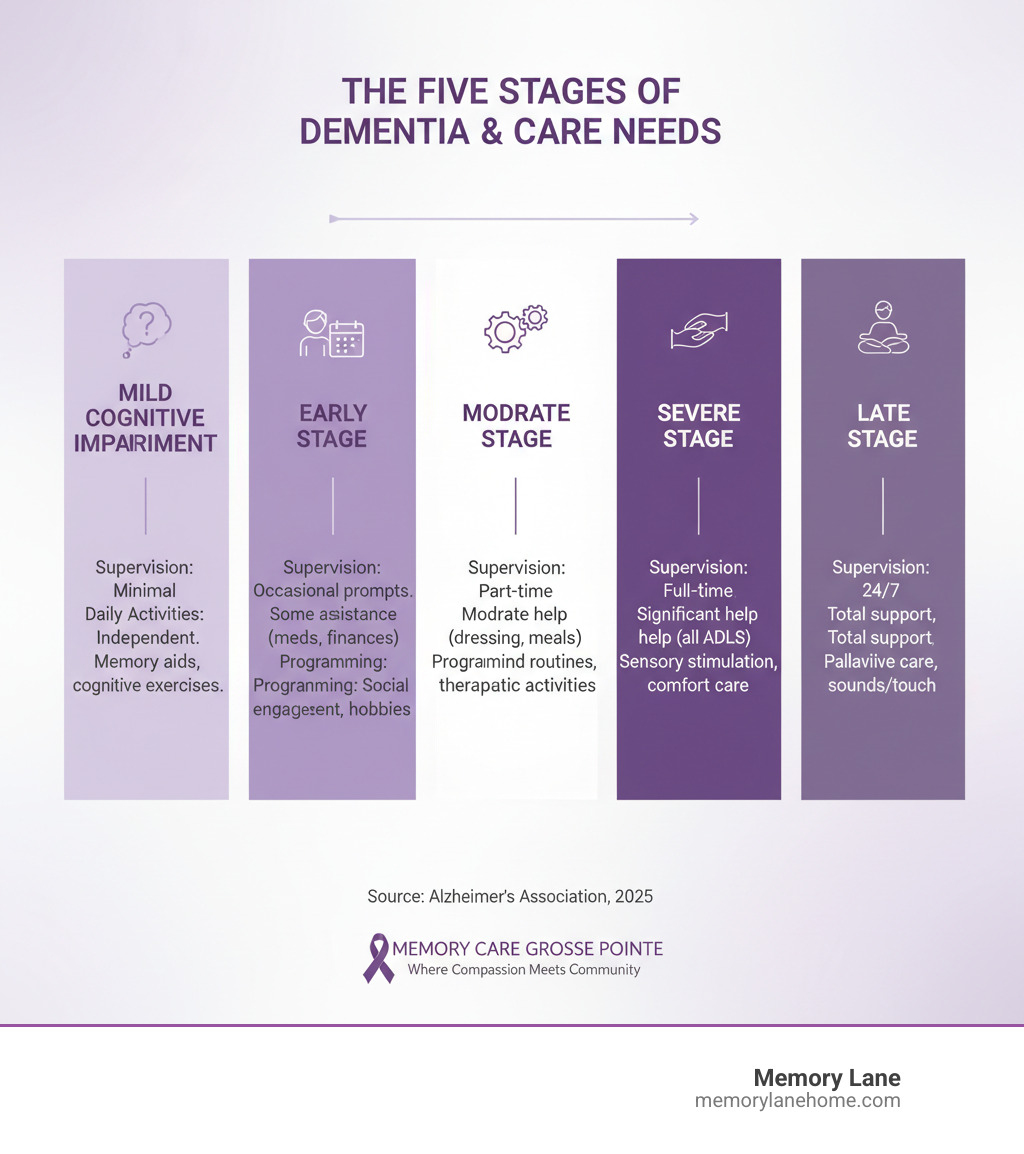
At its core, specialized memory care offers 24/7 supervision and support from staff trained in dementia care. This includes assistance with daily living activities (ADLs) like bathing, dressing, and medication management, all delivered with patience and empathy. The goal is to create a predictable daily rhythm, which is crucial for individuals with memory loss. Many communities in the Grosse Pointe area, like our Memory Lane Assisted Living, provide these essential services in a true home-like atmosphere.
Beyond full-time residency, some facilities offer respite stays for temporary caregiver breaks or recovery after a health event. Many also coordinate with hospice care providers to ensure residents can age in place with dignity. This comprehensive approach ensures all aspects of a resident’s well-being are addressed.
Memory Care at Memory Lane
At Memory Lane, we believe that memory care Grosse Pointe families seek should feel like an extension of home. Our unique model centers around dedicated residences in peaceful neighborhoods, each accommodating a small number of residents. This intimate setting fosters a family-like atmosphere and allows for significantly more personalized attention.
We create specialized “neighborhoods” where residents receive care customized to their diagnosis, history, and preferences. Our approach offers a true continuum of care, adapting as dementia progresses. This commitment means residents can stay with us until the end of their lives, removing the stress of another move and ensuring they are always with their new family and friends. Our philosophy is rooted in providing personalized support that makes life feel purposeful and engaging.
The Cost of Memory Care in the Grosse Pointe Area
Understanding the financial aspect of memory care Grosse Pointe is a critical step. Costs can vary based on location, level of care, and amenities.
Our research indicates that average monthly costs in the Grosse Pointe area can range from approximately $4,500 to over $10,000. This wide range highlights the importance of getting specific quotes, as pricing models differ. Factors influencing the price include the living space, the resident’s specific care needs (often determined by a nurse’s assessment), and additional services.
While these costs might seem substantial, it’s important to consider the value of comprehensive care. This includes 24/7 supervision, specialized dementia programming, all meals, housekeeping, and a secure environment—services that are challenging and expensive to replicate at home. We aim to provide an all-inclusive pricing structure that offers peace of mind. Our small residential homes, for example, offer a significantly higher staff-to-resident ratio, which translates directly to more individualized care and a safer environment.
7 Key Factors for Choosing a Memory Care Grosse Pointe Facility
Choosing the right memory care Grosse Pointe facility is a critical decision. It’s about finding a community where your loved one will feel safe, engaged, and valued. This checklist of 7 key factors will help you evaluate facilities and find the best fit for your family member.

1. Specialized Programs and Purposeful Engagement
Quality memory care Grosse Pointe communities offer specialized programming that engages residents. Research shows that evidence-based activities can reduce medication needs and lower levels of depression. Look for daily structured programs that provide comfort and predictability. These should include cognitive workouts (puzzles, discussion groups), art and music therapy, and sensory activities for advanced stages. Physical fitness and social events are also vital for combating isolation. At Memory Lane, our activities include daily exercise, social events, crafts, and cooking to make life feel purposeful.
2. Staff Qualifications and Resident-to-Caregiver Ratios
The heart of exceptional memory care is its staff. Caregivers should have specialized training in dementia care, enabling them to manage challenging behaviors with patience. Beyond training, look for genuine warmth and empathy. Staff-to-resident ratios directly impact care quality. Many facilities operate with a 1:10 ratio or higher. At Memory Lane, we maintain a 1:3 ratio during the day and 1:6 at night. This allows for genuine one-on-one attention. Consistent care assignments and 24/7 on-site support are also crucial for building trust and ensuring safety.
3. Safety, Security, and Environment
The best memory care Grosse Pointe communities balance security with a homelike feel. Secure entries and exits are essential to prevent wandering, one of the greatest risks associated with dementia. Enclosed courtyards and gardens allow residents to enjoy the outdoors safely. Inside, look for emergency alert systems and a clear facility design with visual cues to reduce confusion. Our Memory Lane homes are actual houses in peaceful neighborhoods, providing a familiar setting that helps residents feel more at home.
4. Amenities and Living Options
Amenities contribute significantly to daily quality of life. Look for private and companion suites to suit different preferences and budgets. Restaurant-style dining with nutritious meals, housekeeping, and laundry services are standard. On-site salons, pet-friendly policies, and inviting common areas for socializing also improve the living experience and help residents maintain dignity and social connections.
5. Support for Residents’ Families
Dementia impacts the entire family, and good communities offer support. Look for family partnership programs with educational resources on dementia progression and care techniques. Regular communication updates from the facility should keep you informed. Structured visitation policies, like those at Memory Lane (10:00 am to 5:30 pm), help maintain resident routines and prevent overstimulation. Support groups that connect you with other families can also be an invaluable resource.
6. Personalized Care and Health Services
Effective memory care Grosse Pointe recognizes that each resident’s journey is unique. Care plans should be individualized based on diagnosis, personal history, and abilities. Assistance with daily living activities (ADLs) like bathing and dressing should be provided with dignity. Medication management by trained staff is critical. Access to on-site physical, occupational, or speech therapy can help maintain abilities, while seamless coordination with outside healthcare providers ensures comprehensive medical care.
7. The Dining Experience
Dining is a key social event in memory care. The experience should be supportive and enjoyable. Look for chef-prepared, nutritious meals that can accommodate special dietary needs, such as low-sodium or texture-modified diets. Consistent seating arrangements can reduce anxiety and encourage socialization. Staff should provide discreet personal dining assistance as needed, preserving dignity while ensuring residents receive adequate nutrition. The overall atmosphere should be calm and social, making mealtimes a pleasant part of the day.
The Process: Transitioning a Loved One to Memory Care
Moving a loved one into memory care Grosse Pointe is an emotionally complex process. Understanding what to expect can help ease the anxiety for both you and your family member.

The journey typically begins with research and outreach to narrow down your options. The next critical step is scheduling tours and assessments. Visiting in person is essential to get a feel for the community’s atmosphere. At Memory Lane, we encourage families to visit our homes, where we take time to understand your loved one’s care requirements and who they are as a person.
Our comprehensive assessment process goes beyond medical checklists. A Recreational Therapist learns about your loved one’s life story, hobbies, and personality to determine the best fit. From this, we develop a personalized care plan that becomes the roadmap for their daily life, detailing everything from personal assistance to meaningful activities.
For move-in day, we provide guidance on what to bring—like family photos or a favorite chair—to make the new space feel like home. These personal items provide comfort and create visual anchors.
The first few weeks are an adjustment period. Our small home setting, with just six residents per home, makes this transition gentler. The homelike rhythm helps your loved one settle in and form bonds with staff and fellow residents. We encourage family visits during our structured hours (10:00 am to 5:30 pm) to maintain consistency while keeping you connected. This transition can mark a new chapter where your loved one receives specialized care, and you regain your role as their advocate and companion.
Frequently Asked Questions about Memory Care in Grosse Pointe
What is the difference between assisted living and memory care?
While related, these are two distinct levels of care. Assisted living is for seniors who are mostly independent but need help with some daily tasks. Residents often come and go freely.
Memory care Grosse Pointe facilities, in contrast, are specifically for individuals with Alzheimer’s or other dementias. Key differences include:
- 24/7 Supervision: Constant monitoring to ensure safety.
- Secure Environment: Locked or monitored exits to prevent wandering.
- Specialized Staff Training: Caregivers are educated in dementia communication and behavior management.
- Purpose-Built Design: Environments use cues like color and simple layouts to reduce confusion.
How do I know when it’s the right time for memory care?
This decision often arises when home care is no longer safe or sustainable for the person with dementia or the caregiver. Key signs include:
- Safety Concerns: Wandering, frequent falls, medication errors, or leaving appliances on.
- Caregiver Stress: The physical and emotional toll of 24/7 care leads to burnout. If you are exhausted or overwhelmed, it’s a sign that more support is needed.
- Increasing Care Needs: When assistance with bathing, dressing, and toileting becomes a full-time job or behavioral changes require specialized skills.
- Social Isolation: A loved one who is withdrawn and unengaged at home can benefit from the structured activities and companionship a community provides.
Recognizing when your loved one needs more support than you can provide alone is a loving and necessary step.
Can a resident stay in memory care until the end of their life?
Yes, many modern memory care Grosse Pointe communities, including Memory Lane Assisted Living, accept an “aging in place” philosophy. This allows a resident to remain in a familiar environment throughout the progression of their dementia, including end-of-life care. This approach avoids the trauma of another move.
These communities coordinate seamlessly with hospice agencies to provide palliative care, ensuring comfort and dignity. At Memory Lane, we are equipped for residents until the end of their lives, allowing them to remain with their new family and friends. This continuity of care provides immense peace of mind for families.
Conclusion: Finding a Compassionate Home in Grosse Pointe
Choosing the right memory care Grosse Pointe community is about finding a place where your family member will feel safe, valued, and understood. It’s a search for a home where they are not just a resident, but a cherished individual.
We’ve covered what makes memory care unique, the financial realities, and the key factors to consider—from specialized programming and compassionate staff to secure environments that support families. The cost of memory care reflects the comprehensive, 24/7 support that provides peace of mind and a higher quality of life.
At Memory Lane, our philosophy is built on providing a real home, not an institution. Our small residential homes offer an intimate setting where every resident receives personalized support. With exceptional staff-to-resident ratios and a commitment to aging in place, your loved one gets the one-on-one attention they deserve in a community they can call home for life.
We understand this decision weighs heavily on your heart. You’re looking for a place where your loved one can continue to experience joy, connection, and dignity. That is what we strive to provide every day.
If you’re ready to take the next step or simply want to learn more, we’re here to help.
Related Posts