Navigate memory care Delray FL with our guide. Discover costs, quality, specialized programs & ensure safe, compassionate support.
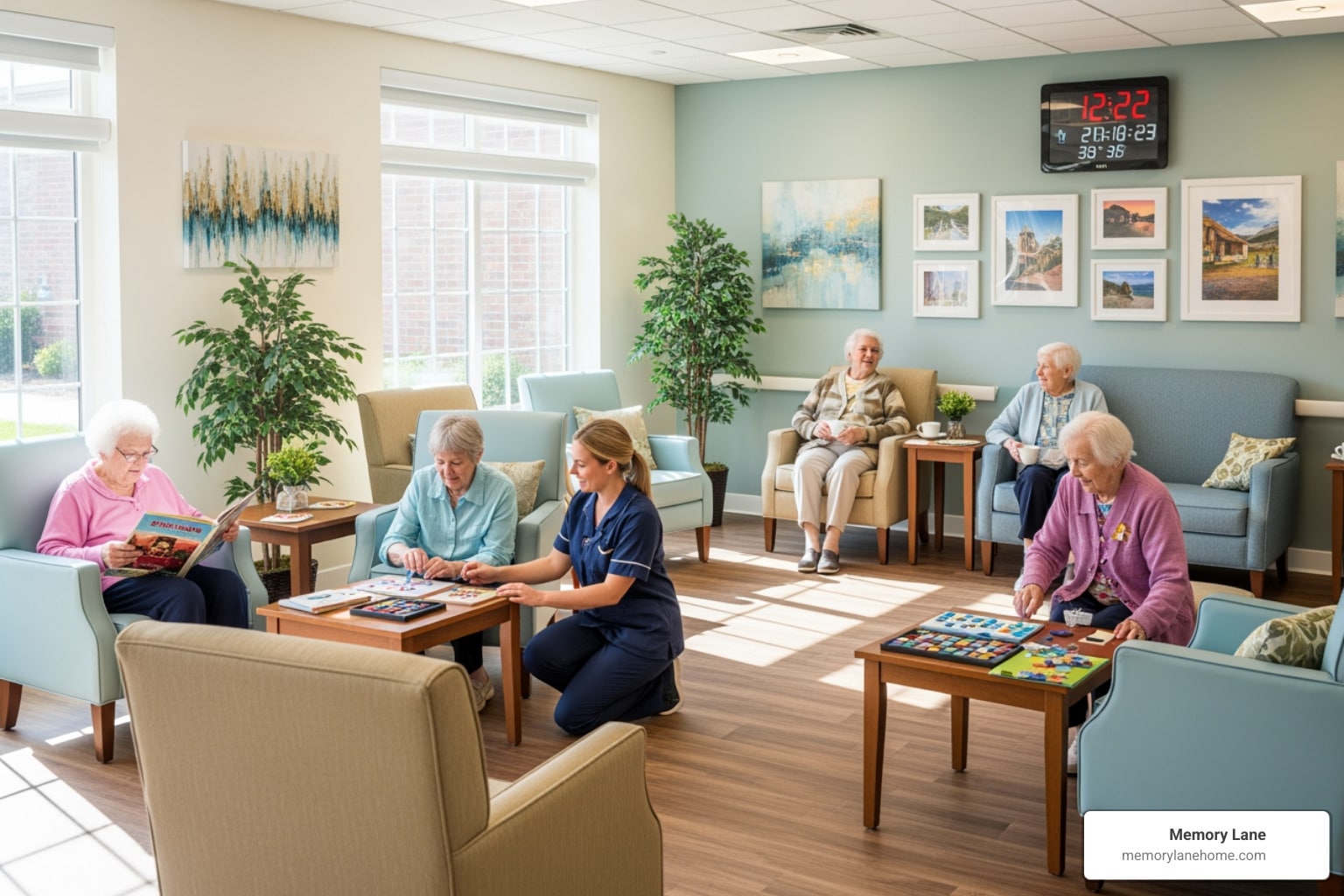
Finding the Perfect Fit: Memory Care Options in Ann Arbor
Memory Care Ann Arbor: Perfect Fit Guide 2025
Why Finding the Right Memory Care Matters for Your Loved One
Memory care Ann Arbor facilities offer specialized support for individuals with Alzheimer’s and other forms of dementia. If you’re exploring options in the Ann Arbor area, this guide provides essential information.
Quick Overview: Memory Care in Ann Arbor
- Average Cost: Monthly costs can range from $4,000 to $7,000+, with some sources citing averages closer to $13,195, depending on the facility and care level.
- What’s Included: 24/7 supervision, personalized care, medication management, dementia-friendly dining, secure environments, and therapeutic activities.
- Key Difference from Assisted Living: Memory care offers specialized dementia training for staff, secure building designs, and structured cognitive support programs.
- Payment Options: Private pay, long-term care insurance, veterans benefits, and Michigan’s MI Choice Waiver program.
Finding the right memory care community can feel overwhelming when you notice changes in a loved one and want to ensure they are safe, engaged, and treated with dignity. Ann Arbor has several quality memory care options, and this guide will help you steer them.
As Jason Setsuda, CFO of Memory Lane Assisted Living and a Board Certified Emergency Medicine Physician, I understand the medical and emotional complexities involved. I’ve spent years helping families with memory care Ann Arbor decisions, and this guide will walk you through making the best choice for your family.
Recognizing the Need: When Is It Time for Memory Care?
Deciding when home care is no longer enough is one of the hardest conversations a family can have. Recognizing that your loved one needs professional support is not giving up; it’s one of the most loving things you can do.
The signs often appear gradually. Look for these indicators that it may be time to consider memory care:
- Frequent Memory Lapses: Beyond misplacing keys, this includes forgetting recent conversations, asking the same questions repeatedly, or missing important appointments.
- Confusion About Time or Place: Your loved one might get lost in familiar places or become disoriented about the current time, day, or year, creating serious safety risks.
- Struggles with Routine Tasks: Daily activities like cooking, managing bills, or dressing appropriately for the weather become difficult or dangerous.
- Changes in Mood or Behavior: You may notice increased irritability, anxiety, withdrawal, depression, or even uncharacteristic aggressive outbursts.
- Social Withdrawal: Many individuals with dementia stop participating in social activities because they feel embarrassed or can no longer follow conversations.
- Safety Concerns at Home: The most urgent signs are those that compromise safety, such as wandering, frequent falls, or mismanaging medications. About 60% of people with dementia will wander at some point.
Early recognition of these signs allows you to explore memory care Ann Arbor options thoughtfully, rather than in a crisis. It ensures a smoother transition and provides your loved one with the specialized care they need to live with dignity, safety, and the best possible quality of life.
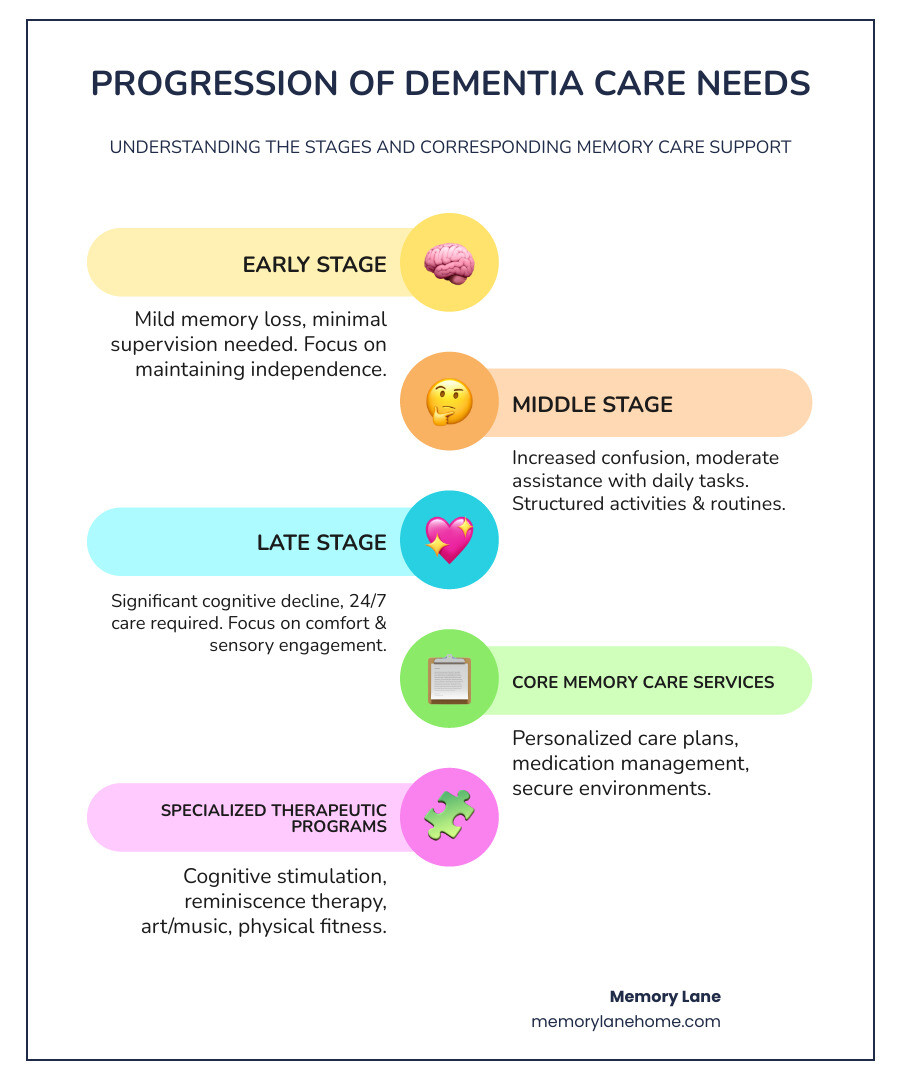
Understanding Memory Care: What Makes It Unique?
When exploring care options, you’ll encounter both assisted living and memory care. While both provide support, memory care Ann Arbor offers a specialized environment designed for people with Alzheimer’s and other forms of dementia.
What makes memory care different from assisted living?
Assisted living helps seniors with daily tasks in an open, social environment, ideal for those who are largely independent. Memory care is purpose-built for cognitive challenges.
Key differences include:
- Secure Environments: Memory care buildings are designed to prevent wandering, with features like enclosed courtyards and secured exits. Layouts are simple to reduce confusion.
- Specialized Staff Training: Staff receive specific training in dementia care. They learn compassionate communication techniques, how to redirect challenging behaviors, and how to recognize subtle signs of distress.
- Structured Routines: Daily life follows a predictable rhythm with consistent mealtimes and activities. This structure provides comfort and reduces anxiety for residents.
- Cognitive Stimulation Programs: Activities are therapeutic and designed to support cognitive health. These include reminiscence therapy, sensory activities, and art or music therapy, which can genuinely improve quality of life.
- 24/7 Supervision: Staff are always present to provide supervision and assistance, which is crucial as confusion can peak at any time, including overnight.
While memory care typically costs more due to this specialized approach, the investment provides invaluable peace of mind. Research shows that social engagement makes a real difference for people with dementia, helping to reduce depression and slow cognitive decline. Memory care communities are built to foster these vital connections. For more on this, explore the Benefits of Social Interaction for Dementia.
Memory care Ann Arbor is about creating an environment where individuals with dementia can find joy, maintain dignity, and stay connected to life.
Core Services and Amenities in Ann Arbor Memory Care Communities
When searching for memory care Ann Arbor, you’re looking for a community that provides comprehensive support for every aspect of daily life, ensuring your loved one feels safe, engaged, and valued.

Quality memory care Ann Arbor is built on these core services:
- Personalized Care Plans: Since no two people experience dementia the same way, a one-size-fits-all approach doesn’t work. A good facility creates a unique plan based on each resident’s history, preferences, and needs.
- Daily Living Assistance: Caregivers provide patient, respectful help with tasks like bathing, dressing, and grooming, supporting independence whenever possible.
- Medication Management: Trained staff manage complex medication schedules to prevent missed doses or errors, ensuring resident health and safety.
- Dementia-Friendly Dining: Mealtimes are calm and social. Caregivers offer gentle assistance, and meals are designed to be both nutritious and enjoyable.
Specialized Programs and Therapies for Cognitive Health
Effective memory care Ann Arbor communities offer evidence-based therapeutic programs designed to maintain cognitive function and improve well-being.
- Cognitive Stimulation: Activities like adapted puzzles and word games are matched to each resident’s ability to provide a sense of accomplishment.
- Reminiscence Therapy: Discussing past events, looking at photo albums, or listening to old music helps residents reconnect with their sense of self.
- Art and Music Therapy: These programs offer non-verbal ways to express emotions. Music, in particular, can reach parts of the brain untouched by dementia.
- Sensory and Pet Therapy: Engaging the senses with textures and scents or interacting with therapy animals can soothe anxiety and bring comfort.
- Adapted Physical Fitness: Gentle exercises like chair yoga or guided walks help maintain mobility, reduce restlessness, and improve sleep.
Ensuring Resident Safety and Security
Safety is non-negotiable, but the best facilities feel like a home, not a hospital.
- Secure Building Design: Facilities have controlled-access exits and simple layouts to prevent unsafe wandering while maintaining a residential feel.
- 24/7 Trained Staff: Round-the-clock supervision ensures someone is always available for assistance or reassurance, especially at night when confusion can increase.
- Enclosed Outdoor Spaces: Secure courtyards and gardens allow residents to enjoy fresh air and nature safely.
- Wandering Prevention: Staff learn resident patterns and can compassionately redirect them to a meaningful activity before they become distressed.
- Handling Challenging Behaviors: Staff are trained in de-escalation techniques, focusing on the emotion behind a behavior (like pain or fear) to resolve the underlying issue.
Fostering Community and Daily Engagement
The heart of memory care is the community it creates.

- Group and Family Activities: Regular group activities and family events create opportunities for social connection and shared joy.
- Restaurant-Style Dining: Meals become a social experience in a pleasant dining room, fostering friendships over shared meals.
- On-Site Amenities: Services like on-site beauty/barber shops and comfortable common areas improve daily life.
- Maintaining Hobbies: Adapting beloved hobbies to current abilities helps residents preserve their identity and sense of purpose.
At Memory Lane, we focus on these human touches to create a home where people with dementia can continue to live with dignity, purpose, and joy.
The Financial Side of Memory Care in Ann Arbor
Understanding the financial side of memory care Ann Arbor is essential for planning with confidence.
What does memory care actually cost in Ann Arbor?
Costs vary significantly. In Ann Arbor, you might find a range from $4,000 to $7,000 per month, while some sources cite averages closer to $13,195 per month. This spread reflects differences in location, floor plan, and, most importantly, the level of care required. Many facilities offer all-inclusive pricing, which bundles room, board, care, and activities into one monthly fee, simplifying budgeting.
How can families pay for memory care?
Several options can help manage the cost:
- Private Pay: Using personal savings, retirement funds, or proceeds from selling a home is the most common method.
- Long-Term Care Insurance: If your loved one has a policy, review it carefully. Many policies cover a significant portion of memory care expenses.
- Veterans Benefits: The Aid and Attendance benefit through the Department of Veterans Affairs can help eligible veterans and their spouses offset costs.
- Michigan’s MI Choice Waiver Program: While Michigan Medicaid doesn’t directly cover room and board, this waiver can help pay for care services within an assisted living facility for those who meet financial and medical eligibility.
We encourage you to explore all these avenues and consider speaking with a financial advisor specializing in elder care. For more guidance, the Alzheimer’s Association offers helpful information at What to Know About Paying for Long-Term Care.
Yes, memory care Ann Arbor is an investment, but it’s an investment in your loved one’s safety, dignity, and quality of life.
A Guide to Choosing the Right Memory Care Ann Arbor Facility
Choosing the right memory care Ann Arbor facility is a critical decision. It requires research, careful consideration, and trusting your instincts. This guide will empower you to make an informed choice.

Start by assessing your loved one’s specific needs, including their stage of dementia, behavioral challenges, and personality. Then, research local options in Ann Arbor, Ypsilanti, or Saline before scheduling in-person tours.
Evaluating Staff Quality and Caregiver Ratios
The heart of any memory care community is its staff. When evaluating memory care Ann Arbor options, focus on:
- Specialized Dementia Training: Staff should have ongoing training in dementia care, communication techniques, and safety protocols.
- Staff-to-Resident Ratio: A lower ratio means more individual attention. Our homes, for example, maintain a 1:3 daytime ratio and a 1:6 nighttime ratio.
- Low Staff Turnover: This indicates a positive work environment and allows for consistent, relationship-based care.
- Observed Interactions: During your tour, watch how staff interact with residents. Look for patience, respect, and genuine warmth.
Touring a Memory Care Ann Arbor Community: What to Look For
A tour provides a real sense of a community. Look for cleanliness, safety features, and a homelike atmosphere. Observe whether residents seem content and engaged. Ask to see outdoor spaces and inquire about the quality of meals.
Here is a list of essential questions to ask during a tour:
- What is your philosophy of care for individuals with dementia?
- What is your staff-to-resident ratio during the day and at night?
- What specialized training do your staff receive for dementia care?
- How do you personalize care plans, and how often are they updated?
- What types of activities and therapies are offered?
- How do you ensure the safety of residents, especially those prone to wandering?
- What is your policy on managing challenging behaviors?
- How do you handle medical emergencies?
- What is included in the monthly fee, and what services are extra?
- Can you provide a sample activity calendar and menu?
- How do you foster community among residents?
- What is your visitor policy, and how are families involved in care?
- What is your staff turnover rate?
- Can you provide references from current residents’ families?
Understanding the Fine Print for Memory Care Ann Arbor
Clarify operational details to avoid surprises. Understand the process for creating and updating personalized care plans. Ask about different levels of care, get a clear breakdown of all costs, and inquire about family communication protocols and visitor policies. At Memory Lane, we actively involve families in care planning, as your knowledge is invaluable.
Frequently Asked Questions about Memory Care
Families exploring memory care Ann Arbor often have similar questions. Here are answers to some of the most common inquiries.
What is the difference between a nursing home vs. memory care?
The main difference is specialization.
- Focus: Memory care is exclusively for people with dementia, with an environment, staff, and programming custom to cognitive impairments. Nursing homes provide a wider range of skilled medical care for various conditions.
- Environment: Memory care facilities are designed to be homelike and secure to prevent wandering. Nursing homes are often more clinical.
- Care Model: Memory care uses a social model focused on quality of life and engagement. Nursing homes operate on a more medical model.
- Length of Stay: Memory care is a long-term residential solution, while nursing homes often serve short-term rehabilitation needs.
Are memory care facilities equipped to handle aggressive behaviors?
Yes, quality memory care Ann Arbor facilities are equipped to manage challenging behaviors. Our trained staff employs specialized techniques to manage such situations with compassion and safety, ensuring a supportive and secure environment for residents while addressing their individual needs.
- Specialized Training: Caregivers learn de-escalation techniques and how to identify triggers for behaviors like aggression.
- Compassionate Approach: The focus is on understanding the cause of the behavior (e.g., pain, fear, confusion) rather than just reacting to it.
- Individualized Plans: Behavior support strategies are part of each resident’s personalized care plan.
- Calm Environment: The physical space is designed to minimize overstimulation, which can help prevent outbursts.
Does Michigan’s Medicaid Program cover memory care?
Michigan’s Medicaid Program does not directly pay for the room and board portion of memory care, but it can help with the cost of services.
- MI Choice Waiver Program: This Medicaid waiver program can help eligible individuals pay for care services in an assisted living or memory care setting, allowing them to avoid a nursing facility.
- Covered Costs: The waiver typically covers services like personal care and medication management but not rent.
- Eligibility: Eligibility is based on both financial need and a medical need for a nursing facility level of care.
- Consultation: We recommend contacting your local Area Agency on Aging or a financial advisor specializing in elder care to understand the application process and requirements.
Conclusion
Choosing the right care for a loved one with dementia is a profound decision. In the Ann Arbor, Ypsilanti, and Saline areas, you are not alone. Dedicated memory care Ann Arbor communities exist to provide the specialized support your family needs.
This guide has walked you through recognizing the need for memory care, understanding its unique benefits, and navigating the process of choosing a facility. The ultimate goal is to preserve what matters most: quality of life. It’s about ensuring your loved one is treated with dignity and respect in a community where they can experience connection, joy, and purpose.
At Memory Lane, this philosophy is at the core of everything we do. We’ve designed our residences to feel like a home, not an institution. We maintain low staff-to-resident ratios to provide truly individualized attention, and our caregivers build genuine relationships with residents.
We understand this is a vulnerable time. Seeking specialized memory care isn’t giving up—it’s giving your loved one access to expert support in an environment where they can thrive.
If you’re ready to learn more about our compassionate approach to dementia care, we invite you to connect with us.
Related Posts