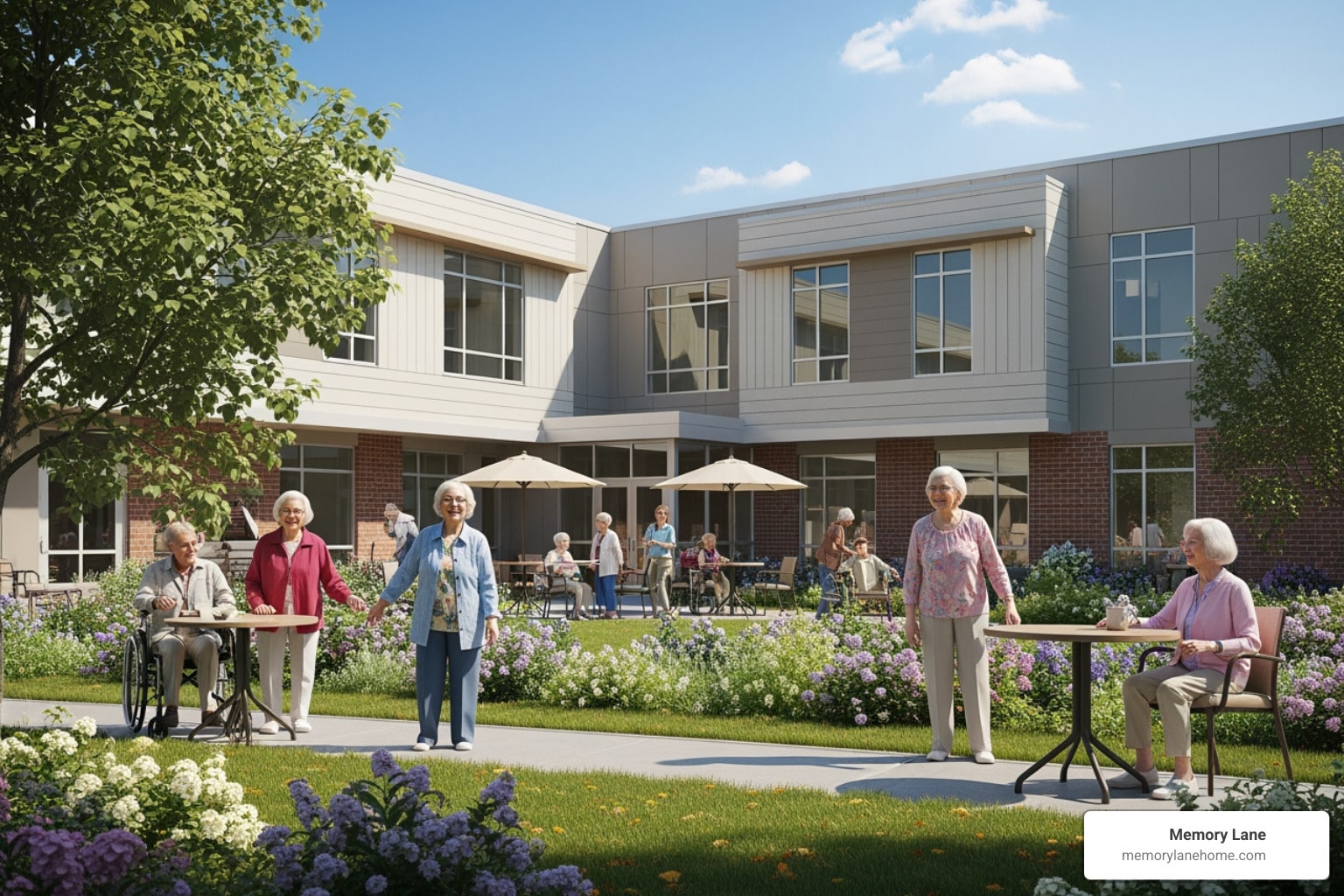
Find the best assisted living near me within 5 mi. Discover local benefits, essential services, costs, and financial aid for optimal care.

Your Guide to Long-Term Memory Care: What You Need to Know
Your Guide to Long-Term Memory Care: What You Need to Know
Understanding the Urgency of Long-Term Care Decisions
Long term memory care is a specialized type of residential care designed for individuals with Alzheimer’s disease, dementia, and other memory impairments. These facilities provide 24/7 supervision, secure environments, trained staff, and therapeutic activities custom to cognitive needs—going far beyond what standard assisted living or home care can offer.
Quick Overview: What You Need to Know
- Who needs it: Individuals with moderate to advanced dementia, especially those who wander, struggle with daily tasks, or pose safety risks at home
- What it provides: 24/7 supervision, medication management, memory-stimulating activities, secure environments, personalized care plans
- Average costs: $4,000–$7,000 per month nationally; nursing home memory care averages $104,025–$116,800 annually
- Payment options: Private pay, long-term care insurance, Medicaid (with eligibility requirements), VA benefits for veterans
- When to transition: When safety concerns arise, hygiene is neglected, caregiver stress becomes overwhelming, or home modifications aren’t enough
There may come a time when you can no longer provide the level of care your loved one needs at home. If you’re turning 65 today, there’s a 70% chance you’ll need some form of long-term care in your lifetime—and one in five people will require it for more than five years.
The decision to move a family member into professional care is never easy. It often comes with feelings of guilt, sadness, and uncertainty. But it’s important to understand that long term memory care facilities offer specialized environments that can improve safety, reduce caregiver burnout, and improve quality of life for people living with dementia.
Unlike general assisted living, memory care communities feature:
- Secured perimeters with alarms and tracking systems to prevent wandering
- Staff trained specifically in dementia care and behavioral management
- Purposeful design with wayfinding cues, circular hallways, and sensory-friendly spaces
- Structured routines that reduce confusion and anxiety
- Therapeutic activities custom to cognitive abilities
As Jason Setsuda, a Board Certified Emergency Medicine Physician with over 10 years of medical experience and CFO of Memory Lane Assisted Living, I’ve witnessed how long term memory care transforms lives—not just for residents, but for their families who can shift from exhaustive caregiving to meaningful connection. This guide will walk you through everything you need to know to make an informed, compassionate decision for your loved one.
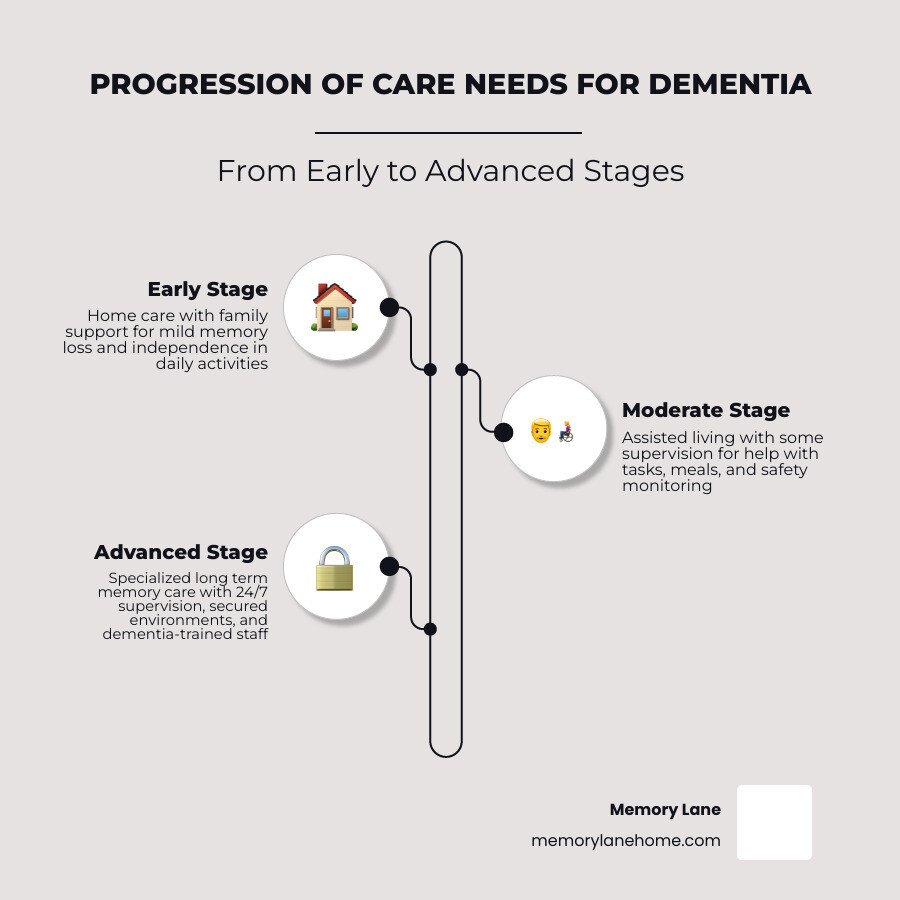
Explore more about Long term memory care:
Understanding Long Term Memory Care and How It Differs
When we talk about long term memory care, we are referring to a highly specialized environment that is distinct from traditional senior living. While standard assisted living focuses on helping residents with “Activities of Daily Living” (ADLs)—like getting dressed or making a sandwich—memory care is built entirely around the unique neurological needs of those with cognitive decline.
In our experience at Memory Lane, the primary goal of memory care is to provide a safe, structured world where the resident can maintain their dignity. This involves more than just a locked door; it requires a deep understanding of Dementia Care and Alzheimer’s Care protocols. We focus on “person-centered care,” which means we don’t just treat the diagnosis; we support the individual’s history, preferences, and remaining strengths.
| Feature | Standard Assisted Living | Long Term Memory Care |
|---|---|---|
| Security | Standard doors; residents can come and go. | Secured perimeters, alarmed exits, and anti-wandering tech. |
| Staff Training | General elderly care and first aid. | Intensive training in dementia behaviors and communication. |
| Environment | Apartment-style; focuses on independence. | Purpose-built; wayfinding cues and circular paths. |
| Activities | Social outings, games, and generalized events. | Cognitive stimulation, music therapy, and sensory activities. |
| Cost | Generally lower ($4,000–$5,500/mo avg). | Higher due to increased staffing and specialized care. |
Who Benefits Most from Long Term Memory Care?
Not everyone with a memory diagnosis needs a specialized facility immediately. However, long term memory care is the “gold standard” for those in the middle to late stages of dementia. Specifically, those who benefit most are individuals experiencing:
- High Wandering Risk: If a loved one has walked out of the house and become lost, a secure environment is no longer a luxury—it is a necessity.
- Safety Concerns: Forgetting to turn off the stove, mixing up medications, or falling frequently are major red flags.
- Behavioral Changes: Many families find it difficult managing changes in behavior and communication, such as aggression, agitation, or severe sundowning.
- Advanced Dementia: When the level of care required exceeds what a single family member can provide physically and emotionally.
- Caregiver Burnout: If the primary caregiver is experiencing health issues or extreme exhaustion, the quality of care for the resident inevitably suffers.
Key Differences from Standard Assisted Living
The most striking difference lies in the Memory Care Services provided. In a standard assisted living facility, a resident might have a beautiful apartment but may feel overwhelmed by the large, complex layout of the building. In a dedicated memory care setting, we use “wayfinding” cues—like using colors or pictures to help a resident find their room—and circular hallways so that if a resident walks, they never hit a “dead end,” which reduces frustration and anxiety.
Our routines are also much more structured. For someone with Alzheimer’s, a predictable day is a peaceful day. We build quiet times into the schedule to prevent overstimulation and offer therapeutic activities that are designed to tap into long-term memories, such as art, music, or gardening.
When to Consider Transitioning to Professional Care
Deciding when to transition a loved one into long term memory care is one of the most heart-wrenching choices a family can make. We often hear caregivers say, “I promised I’d never put them in a home.” But as a physician, I remind families that “care” is a verb. If you can no longer provide the care they need to stay safe, moving them is an act of love, not a betrayal.
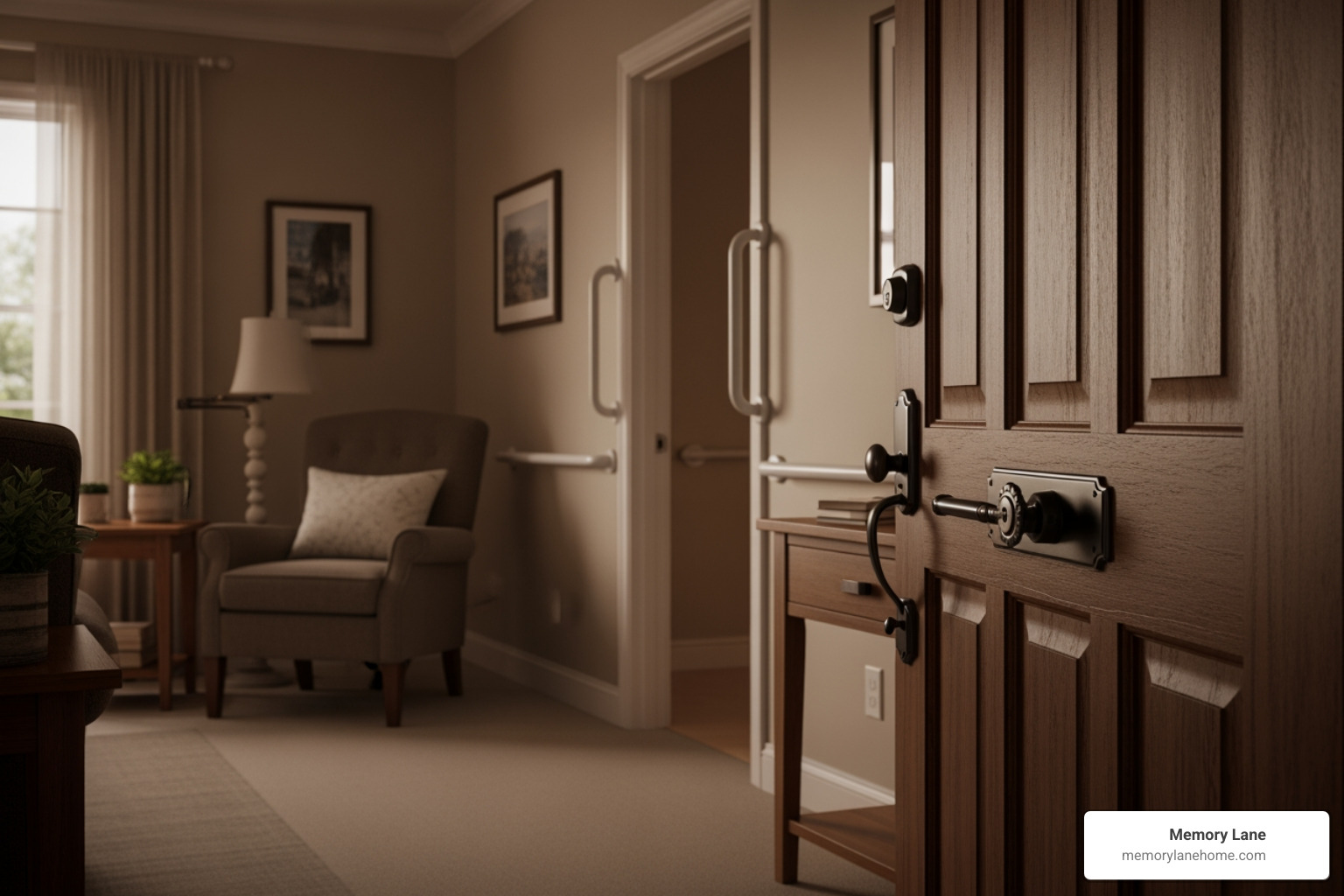
Recognizing the Signs of Cognitive Decline
The signs that home care is no longer sufficient are often gradual, but they eventually reach a tipping point. Watch for these indicators:
- Safety Risks: This is the most critical factor. If your loved one is wandering or can no longer steer the home safely, the risk of a life-altering injury is too high.
- Hygiene Neglect: Are they wearing the same clothes for days? Is bathing and grooming becoming a daily battle? Resistance to hygiene is a common symptom of progressing dementia.
- Medication Errors: Forgetting doses or “double-dosing” because they forgot they already took their pills is a major medical hazard.
- Nutritional Decline: You might notice they are losing weight or only eating “junk” food. Helping people with Alzheimer’s eat well is a full-time job that requires patience and specific techniques.
- Social Isolation: If they spend all day in front of the TV because they can no longer follow a conversation, their cognitive decline may accelerate. Professional care offers adapting activities that keep them engaged at their current level of ability.
Balancing Caregiver Well-being and Resident Safety
We must also look at the caregiver. Research shows that women need long-term care for an average of 3.7 years, while men need it for 2.2 years. During that time, the physical and emotional toll on the family can be devastating.
Taking care of yourself as a caregiver is not selfish; it is essential. If you are physically exhausted, losing sleep due to your loved one’s sundowning, or feeling resentful, it’s time to consider a professional partnership. At Memory Lane, we view ourselves as an extension of your family. By taking over the 24/7 “heavy lifting” of care, we allow you to return to being the daughter, son, or spouse again.
Types of Facilities and Essential Services
In the state of Michigan—specifically around Ann Arbor, Ypsilanti, and Saline—families have several options for residential care. Understanding the terminology is the first step in making the right choice.
- Skilled Nursing Facilities (Nursing Homes): These provide the highest level of medical care. According to national data, the average annual cost for memory care in a U.S. nursing home is $116,800 for a private room.
- Assisted Living with Memory Care Units: Many assisted living communities have a separate, secured “wing” or floor dedicated to memory care.
- Special Care Units (SCUs): These are specialized areas within a larger facility designed specifically for dementia patients. Michigan has specific Dementia Care Standards in Michigan Skilled Nursing Homes that these units must follow.
- Group Homes: These are smaller, residential-style homes (like Our Homes at Memory Lane) that offer a more intimate, less “institutional” feel.
Essential Services in Long Term Memory Care
What should you expect once your loved one is settled? A high-quality facility should provide:
- Personalized Care Plans: Every resident’s journey is different. A plan should be updated regularly to reflect their changing needs.
- Medication Management: Administered by trained staff to ensure safety and compliance.
- 24-Hour Staffing: There should always be someone available to help, especially during the difficult overnight hours.
- Quality Assistance in Living for Dementia Management: This includes help with dressing, toileting, and mobility, provided with patience and respect.
Evaluating Facility Safety and Environment
When you visit a potential home, look beyond the lobby. In Michigan, families should be aware of Grasping Michigan Dementia Nursing Home Certifications for Families to ensure the facility meets state requirements.
Key environmental features to look for include:
- Circular Hallways: These allow residents to walk freely without the frustration of hitting a dead end.
- Wayfinding Cues: Large signs, color-coded doors, and memory boxes outside rooms.
- Secure Courtyards: Residents should have the “sheltered freedom” to go outside safely.
- Alarm Systems: Not just on the front door, but often on windows and individual resident beds or chairs if they are a high fall risk.
Navigating the Costs and Payment Options
Let’s talk about the elephant in the room: the cost. Long term memory care is an investment in safety and quality of life, but it can be expensive. Nationally, the average cost for basic services in an assisted living setting is $70,800 per year, but memory care typically adds $1,000–$2,000 more per month due to higher staffing ratios.
Insurance and Medicare Coverage Realities
One of the biggest misconceptions we encounter is that Medicare will pay for memory care. Medicare does NOT cover long-term “custodial” care (help with daily living). However, it does covers care planning for qualified patients and some medical costs.
For those who planned ahead, long-term care (LTC) insurance is a lifesaver. When reviewing a policy, ensure it specifically covers Alzheimer’s disease. Be mindful of the [elimination period](https://acl.gov/ltc/costs-and-who-pays/what-is-long-term-care-insurance/receiving-long-term-care-insurance-benefits#:~:text=Benefit%20triggers%3A,Living%20(ADLs)—the 30 to 90 days you must pay out of pocket before benefits kick in. Additionally, check if your premiums offer tax benefits, as they may be deductible as medical expenses.
Funding Sources for Long Term Memory Care
If you don’t have LTC insurance, there are other avenues:
- Private Pay: Using savings, pensions, or the proceeds from selling a home.
- Medicaid: This program generally pays 100% of nursing home costs for those who meet strict income and asset limits. Some assisted living facilities in Michigan accept Medicaid waivers, but waitlists are often long.
- VA Benefits: Eligible veterans and their spouses may qualify for the “Aid and Attendance” benefit, which can provide significant monthly funding for memory care.
- Funds from a reverse mortgage: This allows homeowners to convert part of their home equity into cash, though we recommend consulting a financial advisor first.
- Hybrid Policies: These combine LTC insurance with life insurance or an annuity, providing a death benefit if the care is never needed.
For more detailed strategies, see our guide on Affordable Dementia Housing Options That Ensure Quality Care.
Choosing the Right Facility for Your Loved One
Selecting a facility is about finding a “gut feeling” backed by hard data. We recommend using Medicare’s Care Compare tool and the Joint Commission’s Quality Check to look up inspection reports and star ratings for any facility you are considering.
Questions to Ask During Your Visit
Don’t just take the tour; ask the hard questions. You want to know What to Expect in Dementia Care Facilities before you sign a contract.
- Staff Ratios: What is the actual ratio of caregivers to residents during the day? What about at 3:00 AM?
- Specialized Training: How many hours of dementia-specific training does the staff receive annually?
- Family Involvement: How are families kept informed? Can you visit at any time?
- Discharge Policies: What would cause a resident to be asked to leave (e.g., increased medical needs or aggressive behavior)?
- Activity Calendar: Is it full of meaningful engagement, or is the TV the main “activity”?
For more tips, read Choosing the Best Dementia Care Homes for Reliable Support.
Easing the Transition and Moving Day
Moving day is often the hardest day. To Making moving day easier, we suggest:
- Personalizing the Room: Bring their favorite chair, family photos, and a familiar bedspread.
- The “Short Goodbye”: Long, emotional goodbyes can increase anxiety for a person with dementia. It is often better to settle them into an activity and then leave.
- Rely on Staff: The social workers and care team are experts at redirection. Let them help.
Frequently Asked Questions about Memory Care
Does Medicare pay for long-term memory care?
The short answer is no. Medicare is designed for “rehabilitative” care—meaning care that helps you get better after an illness or injury. Because dementia is a progressive, chronic condition, the daily help required (custodial care) is not covered. However, Medicare does cover medical needs for people with dementia, such as hospital stays, doctor visits, and hospice care at the end of life.
What is the average cost of memory care?
Costs vary wildly by location. While the national average for assisted living is around $70,800 per year, a private room in a nursing home can exceed $127,750. In the Midwest, costs are generally more moderate than on the coasts, but you should still budget for $5,000–$8,000 per month for high-quality, specialized long term memory care.
How do I know if a facility is high quality?
Start with Medicare’s Nursing Home Compare to check for past violations. When you visit, look at the residents: Are they clean and dressed appropriately for the time of day? Is the facility free of “nursing home smells”? Most importantly, watch the staff. Do they make eye contact with residents? Do they speak to them with dignity, or do they talk over them? You can also contact The National Long-Term Care Ombudsman Resource Center to ask about a facility’s reputation.
Conclusion
Navigating the world of long term memory care is a journey no one wants to take, but it is one you don’t have to take alone. At Memory Lane, we specialize in providing the 24/7 personalized, compassionate support that individuals with dementia and Alzheimer’s deserve.
Our mission is to improve our residents’ quality of life and independence through custom care plans and engaging activities in a secure, home-like environment. Whether you are in Ann Arbor, Ypsilanti, or Saline, we are here to be your partner in care.
If you are feeling overwhelmed, seeking help is a sign of strength. We invite you to learn more About Us, explore our Locations, and see how our Memory Care Services can bring peace of mind back to your family.
You’ve done the hard work of caregiving—let us take it from here, so you can focus on making every moment count with the person you love.
Related Posts