
Dementia Care Advice: Essential Compassionate Guide 2025
Why Dementia Care Advice Matters Now More Than Ever
Dementia care advice is essential for families navigating the complex journey of caring for a loved one with Alzheimer’s or a related condition. Here’s what you need to know:
Quick Dementia Care Essentials:
- Communicate clearly – Use simple words, speak slowly, and listen with patience
- Establish routines – Keep daily activities like bathing and meals consistent
- Ensure safety – Remove hazards, install locks, and consider ID bracelets
- Support independence – Focus on what they can do, not what they’ve lost
- Take care of yourself – Join support groups, ask for help, and schedule regular breaks
- Plan ahead – Address legal matters like Power of Attorney while your loved one can participate
- Seek professional support – Connect with helplines (24/7), local chapters, and respite services
A dementia diagnosis marks a profound shift. It’s a progressive brain disorder affecting memory, thinking, and daily activities, but with the right strategies, individuals can maintain quality of life and dignity.
Understanding that dementia is more than memory loss is key. It causes mood, personality, and behavioral shifts that progress through stages, requiring evolving levels of care.
You are not alone. Millions of Americans care for someone with dementia, facing challenges from daily tasks to safety concerns. With the right tools and support, caregiving can be a rewarding experience.
I’m Jason Setsuda, a Board Certified Emergency Medicine Physician with over 10 years of medical experience, and I serve as CFO of Memory Lane Assisted Living and Medical Director for multiple healthcare organizations. I’ve seen how proper guidance transforms the caregiving experience for families and their loved ones.
Understanding the Dementia Journey and Your Evolving Role
When a loved one receives a dementia diagnosis, you’re thrust into a caregiving role you never anticipated. This progressive brain disorder affects memory, thinking, communication, and personality, which is incredibly hard to witness. However, how someone experiences dementia is personal, and your support makes an enormous difference.
Person-centered care is the foundation of good dementia care advice. It means focusing on abilities, not disabilities, to maintain dignity and foster independence. Some people cope with humor, others with small pleasures. Your job is to recognize what helps your loved one and support those strategies. Understanding that personality changes come from the disease—not from who they are—helps you respond with compassion.
For comprehensive guidance, the National Institute on Aging offers an excellent resource: Caring for a Person With Alzheimer’s Disease.
How the Caregiver’s Role Changes Through the Stages
Your role transforms as dementia progresses. Understanding these shifts helps you prepare.
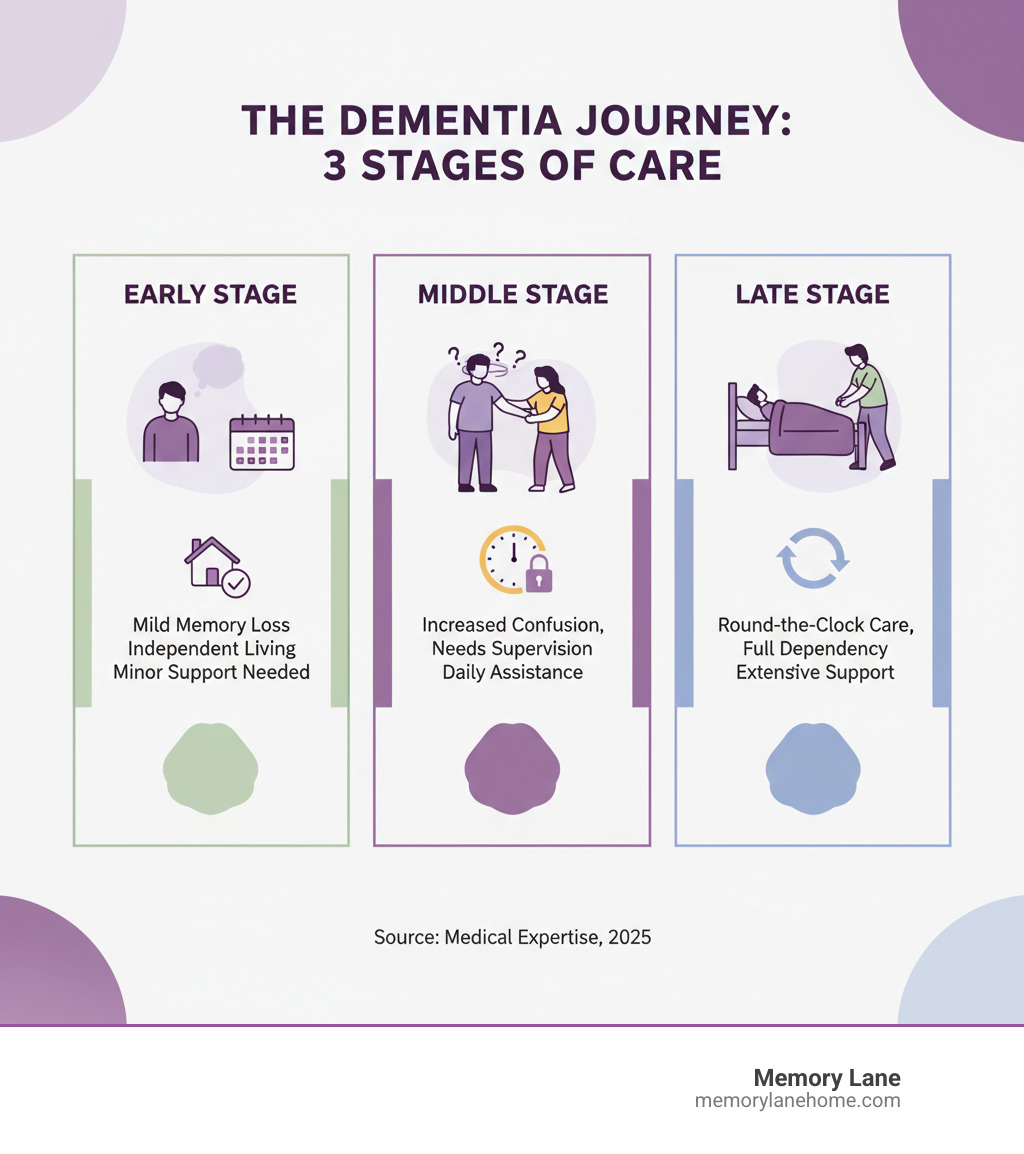
Early-stage caregiving involves gentle support, like reminders for appointments and help with complex planning. This is the crucial window to discuss legal matters, finances, and future care preferences while they can still participate.
In the middle stage, supervision becomes necessary as memory loss and behavioral changes increase. You’ll manage more daily tasks and adapt activities. This stage demands immense patience as they may repeat questions or resist help.
Late-stage caregiving requires round-the-clock care. Communication may become non-verbal, and they may no longer recognize you. Yet, comfort, dignity, and your gentle presence still matter. A familiar song or a soft touch can still provide connection. Throughout every stage, respectful care that honors the person is essential.
Fostering Independence and Positive Relationships

Focusing on abilities transforms the caregiving experience. People with dementia retain emotional connections long after memories fade, so building connection happens through presence, not perfect memory.
Shared activities create meaningful moments. If your mom loved gardening, help her water houseplants. If your husband enjoyed cooking, let him stir the pot. Life story work and reminiscence tap into long-term memories. Look at old photo albums or play music from their youth to validate their history and strengthen your bond.
Focusing on abilities means involving them in daily life. Let them fold towels or arrange flowers. Success in small tasks builds confidence and reduces frustration.
When communication is difficult, your presence speaks volumes. Avoid arguing if they are confused. If they insist it’s 1975, redirect gently rather than correcting. Meet them in their reality. The person you’re caring for is still there; your role is to nurture their remaining connections.
Practical Dementia Care Advice for Daily Life
The real work of caregiving happens in the everyday moments. Daily routines become lifelines, providing comfort and reducing anxiety when the world feels confusing. However, you’ll still face communication barriers and behavioral changes. These are not personal; they are symptoms of the brain disorder.
Agitation, sundowning (when confusion worsens at dusk), and repetitive actions are forms of communication. They may signal pain, thirst, boredom, or fear. Instead of feeling frustrated, become a detective, looking for unmet needs. The National Institute on Aging offers guidance on Managing changes in behavior and communication.
Essential dementia care advice for communication
Connection remains possible even when communication becomes difficult. Your tone, facial expressions, and gentle touch are powerful tools.
- Approach from the front, make eye contact, and say their name.
- Use simple language and break tasks into single steps.
- Give them time to process and respond. Count to ten before repeating yourself.
- Listen with all your senses. Pay attention to body language and tone to understand their needs.
- Never argue with their reality. Validate their feelings and gently redirect.
- Offer simple choices to avoid overwhelming them.
- Maintain calm, reassuring body language. Your presence is a powerful communication tool.
Managing Daily Activities: Bathing, Eating, and More

Personal care tasks require patience and creativity.
- Bathing: This can cause anxiety. Prepare everything beforehand, warm the room, and explain each step. A sturdy shower chair, grab bars, and non-slip mats are essential for safety. If showers are distressing, a sponge bath is a good alternative. Never leave them alone in the bath.
- Dressing: Lay out clothes in order. Choose comfortable items with simple fasteners like elastic waistbands and slip-on shoes.
- Mealtimes: Serve meals at consistent times. Offer familiar, well-liked foods. If weight loss is a concern, focus on calorie-dense options. Make eating easier by cutting food into small pieces or offering finger foods. Eat with them and minimize distractions. For more tips, see the National Institute on Aging’s guide on helping people with Alzheimer’s eat well.
- Incontinence: This is common as the disease progresses. Establish a regular toileting schedule (every 2-3 hours). Use clear signs for the bathroom and choose easy-to-remove clothing. Use disposable briefs and waterproof mattress covers to manage accidents without stress.
- Sleep: Disturbances like sundowning and night wandering are common. Encourage daytime activity and light exposure. Create a calm evening environment and a consistent bedtime routine. Limit caffeine and long daytime naps. If problems persist, consult their doctor.
Ensuring Safety, Legal, and Financial Preparedness
As dementia progresses, ensuring your loved one’s safety becomes a top priority. Their ability to recognize dangers diminishes, making them vulnerable to accidents, wandering, and exploitation. Planning ahead for safety, legal, and financial matters is an act of love that provides security and dignity.
Creating a Safe Home Environment and Preventing Wandering

A comprehensive safety plan transforms the home into a secure haven.
- Prevent Falls: Remove tripping hazards like small rugs and clutter. Ensure pathways are clear and install bright lighting, especially in hallways, stairs, and bathrooms.
- Bathroom Safety: Install grab bars near the toilet and in the shower. Use non-slip mats. Set the water heater to a maximum of 120°F to prevent burns.
- General Safety: Use safety plugs in unused outlets and install safety latches on cabinets with hazardous materials. Consider an automatic stove shut-off device. Install and test smoke and carbon monoxide detectors.
Wandering is a common and dangerous behavior.
- Secure Exits: Install new locks high or low on doors, or use door alarms that chime when opened.
- Ensure Identification: Your loved one should always wear an ID bracelet with your contact information and a note about their memory loss. Sew ID labels into their clothing.
- Use Technology: GPS trackers in watches, pendants, or shoes can provide peace of mind.
- Build a Safety Net: Inform neighbors and local police about the situation. Enroll in the Alzheimer’s Association Safe Return program.
For more strategies, the Caregiver’s Guide to Understanding Dementia Behaviors is a valuable resource.
Navigating Legal and Financial Matters
Address these issues while your loved one still has the decision-making capacity to participate.
- Establish Power of Attorney: A Durable Power of Attorney for finances and a Healthcare Power of Attorney (or Medical Proxy) are essential. These documents allow a designated person to make financial and medical decisions when your loved one no longer can.
- Create Advance Directives: A living will documents their preferences for medical treatment and end-of-life care, lifting a huge burden from you later.
- Get Organized: Gather all important documents (wills, insurance policies, bank statements, deeds). Create a list of all accounts and set up automated bill payments.
- Plan for Long-Term Care: Understand the significant costs. Medicare does not typically cover long-term custodial care, but Medicaid may for those who qualify. Explore VA benefits if your loved one is a veteran.
- Protect Against Scams: People with dementia are vulnerable to financial exploitation. Use the National Do Not Call Registry, monitor accounts for fraud, and consider taking over bill paying. Investigate state programs for benefits for carers.
The Caregiver’s Lifeline: Support, Resources, and Self-Care
Caring for someone with dementia is demanding. The emotional and physical toll is real, and caregiver stress can lead to exhaustion, anxiety, depression, and burnout. These are not signs of weakness; they are signals that you need support.
Taking care of yourself isn’t optional—it’s essential for providing quality care. As the National Institute on Aging advises, Taking care of yourself as a caregiver is critical for your own health. You must secure your own oxygen mask before helping others.
Finding Local and National Support Systems
You are not alone. A network of support exists to help you.
- Helplines: The Alzheimer’s Association offers a 24/7 helpline for crisis assistance, questions, and emotional support.
- Support Groups: Connecting with others who understand is invaluable. You can share experiences and find practical solutions without judgment. The Alzheimer’s Association’s Greater Michigan Chapter offers local groups: Michigan Alzheimer’s and Dementia Support Groups.
- Educational Programs: Knowledge reduces anxiety. Organizations like the NIA and CDC offer free resources to help you understand the disease and manage behaviors.
- Community Services: The Eldercare Locator connects you to local resources like respite care, adult day programs, and meal delivery.
Key dementia care advice for caregiver well-being
Protecting your own health is a necessity, not a luxury.
- Ask for help: Be specific when asking family and friends. “Can you stay with Mom on Tuesday afternoon?” is more effective than a general plea.
- Eat nutritious foods: A healthy diet provides the energy and mental clarity you need.
- Get regular exercise: A 20-minute walk or gentle stretching can relieve stress and improve sleep.
- Take regular breaks: Use respite care or ask a family member to step in. Even an hour away can help you reset.
- Stay connected: Maintain friendships and hobbies to combat isolation and preserve your own identity.
- Try meditation: Even five minutes of deep breathing can reduce anxiety.
- Prioritize sleep: Sleep deprivation makes everything harder. If nighttime care is disruptive, explore overnight help.
- Seek professional help: If you feel persistently overwhelmed, talk to a doctor or therapist. Counseling can provide a safe space to process your feelings.
Frequently Asked Questions about Dementia Care
How do I handle challenging behaviors like aggression or paranoia?
First, understand that these behaviors are a form of communication, not a personal attack. They often signal an unmet need.
- Play detective: Look for triggers. Is your loved one in pain, hungry, tired, or overstimulated? Identifying the cause can help prevent future episodes.
- Stay calm: Your calm presence is soothing. Speak softly and slowly, as your emotions can escalate their distress.
- Don’t argue or correct: Validate their feelings and reality. If they are worried about something that isn’t true, offer reassurance and then gently redirect their attention to a pleasant activity.
- Ensure safety: If aggression occurs, step back and remove any dangerous objects. Avoid physical restraint unless absolutely necessary.
- Consult their doctor: Sudden behavioral changes can be caused by medical issues like a UTI, pain, or medication side effects.
What are the best activities for someone with dementia?
The best activities connect to your loved one’s past interests and current abilities. The goal is engagement and joy, not perfection.
- Focus on abilities: Adapt tasks they can still do. If they can’t cook a meal, perhaps they can stir ingredients or set the table.
- Use music: Music can access memories and emotions untouched by dementia. Play songs from their youth, sing together, or dance.
- Involve them in simple chores: Folding laundry, wiping tables, or sorting silverware can provide a sense of purpose and calm.
- Engage the senses: Offer large-piece puzzles, art supplies for painting, or pots of herbs to smell and touch.
- Encourage reminiscence: Look through old photo albums or create a memory box with meaningful items to spark conversation and connection.
The National Institute on Aging has more ideas for Adapting activities for people with Alzheimer’s.
How can I get involved in dementia research?
Participating in clinical trials is a hopeful way to contribute to finding better treatments and a cure. It can also provide access to cutting-edge care and close medical monitoring. Researchers need both individuals with dementia and healthy older adults to volunteer.
Finding a trial is straightforward. The National Institute on Aging’s website (www.nia.nih.gov/health/alzheimers) has a searchable database of U.S. clinical trials. For those in the UK, the Join Dementia Research website is an excellent resource.
Participation isn’t limited to medication trials; it can also involve cognitive testing, lifestyle studies, or caregiver support programs. Talk to your loved one’s doctor about local opportunities.
Conclusion
Caring for someone with dementia is a demanding journey filled with opportunities for deep connection and moments of joy. This guide has offered essential dementia care advice to empower you to provide the best care while also caring for yourself.
The heart of compassionate care is remembering the person you love is still there. Person-centered care focuses on their abilities, not their losses, creating moments of connection through music, familiar activities, or a simple, gentle touch. It means adapting with patience and always striving to maintain their dignity.
No caregiver should face this journey alone. Support is available through support groups, respite care, and professional memory care services. At Memory Lane, our entire approach is built around understanding what families like yours need. Our homes in Ann Arbor, Ypsilanti, and Saline, Michigan, provide secure, personalized, round-the-clock care from staff who truly understand dementia. We focus on enhancing quality of life and giving families peace of mind.
Every day you show up for your loved one matters. If you’d like to learn how professional memory care can support you both, we invite you to explore our memory care services. Reaching out for help is a sign of strength.