Find the best assisted living near me within 5 mi. Discover local benefits, essential services, costs, and financial aid for optimal care.

Beyond the Clinic: Discovering Premier Memory Care in Atlanta
Beyond the Clinic: Discovering Premier Memory Care in Atlanta
Why Choosing the Right Memory Care in Ann Arbor and Surrounding Areas Matters
Memory care in Ann Arbor, Ypsilanti, and Saline provides specialized support for individuals living with Alzheimer’s disease and other forms of dementia. If you’re searching for care in the Michigan area, here’s what you need to know:
Quick Guide to Memory Care in Southeast Michigan:
- Multiple memory care communities operate throughout Ann Arbor, Ypsilanti, and Saline
- Several communities rated highly by families based on resident satisfaction and quality of care
- State-regulated facilities must meet Michigan Department of Licensing and Regulatory Affairs standards
- Key features to look for: 24/7 staffing, dementia-specific training, secure environments, and engaging activities
- Key requirements: Pre-admission assessment, detailed care planning, ongoing staff training, and regular care plan reviews
Finding the right memory care facility for someone you love is one of the most important—and often overwhelming—decisions you’ll face. The signs of memory loss can be frightening. The confusion, the safety concerns, the weight of responsibility. You want a place that feels safe, warm, and dignified, where your loved one can maintain independence while receiving expert care.
Ann Arbor, Ypsilanti, and Saline offer a range of memory care options, from stand-alone facilities to specialized units within assisted living communities. But not all memory care is created equal. The best communities combine secure, dementia-friendly environments with highly trained staff, evidence-based programs, and a genuine commitment to quality of life.
This guide will help you understand what to look for, how Michigan regulates these facilities, and what questions to ask. You’ll learn about the services that matter most—from personalized care plans to engaging activities designed for cognitive health. You’ll also find how to assess quality through state inspection reports and what financing options might be available.
As Jason Setsuda, CFO of Memory Lane Assisted Living and a board-certified Emergency Medicine Physician with over 15 years in business management and medical administration, I’ve seen how the right memory care environment in Ann Arbor and surrounding areas transforms lives for both residents and their families. This guide draws on that experience to help you make an informed, confident choice.
Understanding the Landscape of Memory Care in Ann Arbor and Surrounding Areas
When families begin their search for memory care in Ann Arbor, Ypsilanti, or Saline, they quickly find a diverse landscape of options. The area is home to a significant number of senior living communities, meaning there’s a broad spectrum of choices, from dedicated memory care facilities to assisted living communities that offer specialized memory care units.
Our philosophy at Memory Lane centers on providing 24/7 personalized, compassionate support for individuals with dementia and Alzheimer’s. We believe that truly effective memory care goes beyond basic supervision, focusing instead on a person-centered approach that honors each resident’s unique story and needs. This philosophy is echoed in the top-tier facilities across the region, which strive to create environments where residents can thrive.

Services and Amenities Typically Offered
The range of services and amenities offered at memory care facilities in Ann Arbor and surrounding Michigan communities is designed to meet the complex and evolving needs of individuals with memory impairment. While specific offerings vary, you can typically expect to find:
- 24/7 Supervision and Professional Care Team: Round-the-clock monitoring and assistance are fundamental. This includes immediate response to emergencies and continuous support for daily needs.
- Medication Management: Staff assist with accurate medication administration and tracking, ensuring residents adhere to their prescribed regimens.
- Assistance with Activities of Daily Living (ADLs): Help with personal care tasks such as bathing, dressing, grooming, and toileting.
- Personalized Care Plans: Each resident receives an individualized care plan developed after a thorough assessment, updated regularly to adapt to changing needs.
- Housekeeping and Laundry Services: Regular cleaning of living spaces and personal laundry services ease the burden on residents and families.
- Transportation Services: Scheduled transportation for medical appointments, community outings, and other essential needs.
- On-Site Therapy Coordination: Many facilities coordinate or provide access to physical, occupational, and speech therapies to maintain and improve residents’ physical and cognitive functions.
- Full Medical Oversight: This can include regular visits from physicians, nurse practitioners, and coordination with external medical specialists. Some facilities even offer specialized primary care as a “medical home” for dementia patients, coordinating care with geriatricians, neurologists, and social workers. You can learn more about integrated care approaches by visiting an expert blog on health and wellness. View Our Blog
These comprehensive services aim to provide a supportive and nurturing environment, allowing residents to live as independently as possible while ensuring their safety and well-being.
The Importance of a Specialized Environment
A key differentiator for quality memory care facilities in the Ann Arbor area is their specialized environment. Unlike traditional assisted living, memory care communities are specifically designed with the unique challenges of dementia in mind.
- Secure Environments: This is paramount. Facilities employ security measures such as controlled access points, automated alert systems for unauthorized entry/exit, and secure perimeters to help prevent wandering, which is a common concern for individuals with dementia.
- Dementia-Friendly Design: Interior spaces are thoughtfully designed. This includes:
- Way-finding Cues: Clear signage, familiar landmarks, and logical layouts help residents steer their surroundings with less confusion.
- Soothing Colors: Calm and consistent color palettes are used to reduce overstimulation and anxiety. High-contrast designs can also help distinguish between walls, floors, and doorways.
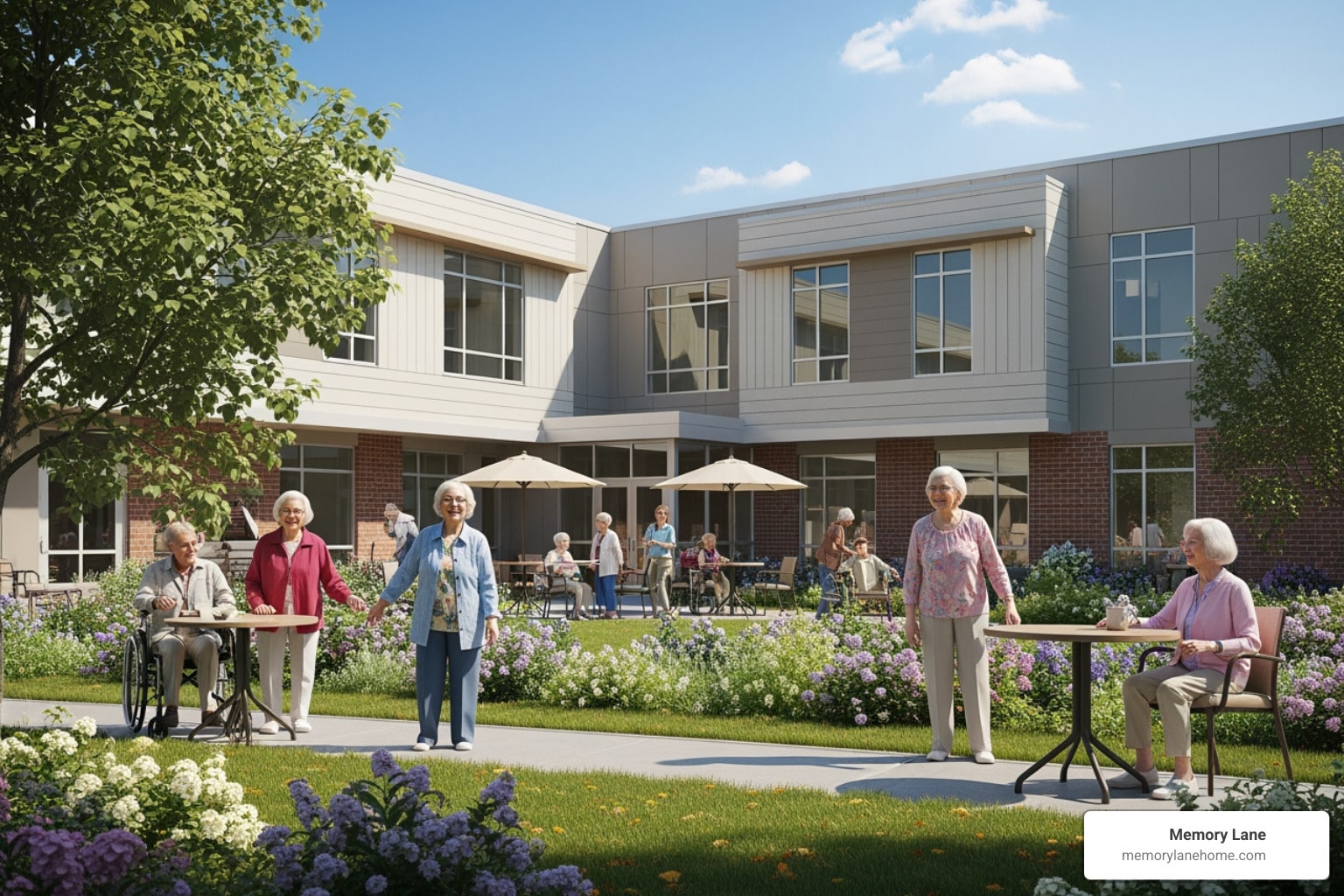
- Safe Outdoor Access: Access to the outdoors is vital for well-being. Memory care centers often provide secured, wheelchair-accessible outdoor spaces and walkways, allowing residents to enjoy fresh air and sunshine safely. Many facilities feature courtyards and gardens, offering opportunities for sensory engagement and gentle exercise.
- Community Spaces: Multipurpose common spaces are essential for dining, group activities, and social interaction, fostering a sense of community.
- Private and Semi-Private Apartments: Residents typically have the option of private or semi-private apartments, offering a personal space that can be decorated with familiar items to create a sense of comfort and continuity.
These environmental considerations contribute significantly to residents’ safety, comfort, and overall quality of life, allowing them to maintain dignity and independence within a supportive setting.

Key Features of Premier Memory Care at Memory Lane
At Memory Lane, our commitment is to provide an environment where residents and their families feel secure, valued, and genuinely cared for. When we look at premier memory care facilities in Ann Arbor, Ypsilanti, and Saline, we see a shared dedication to:
- Resident and Family Satisfaction: The best communities consistently receive high ratings from those they serve, reflecting a positive experience across all aspects of care.
- Safety and Value: Ensuring a secure environment is non-negotiable, coupled with transparent pricing that reflects the comprehensive care provided.
- High-Quality Caregiving: The heart of memory care lies in the compassionate and skilled individuals who provide direct support daily.
When you’re evaluating potential memory care communities, we recommend asking these crucial questions:
- What are your staff-to-resident ratios, especially during non-awake hours?
- What specific dementia-specific training do all direct care staff receive, both initially and ongoing?
- How do you ensure a secure environment, particularly regarding outdoor access and preventing wandering?
- Can you provide examples of your daily engaging activities that promote cognitive function and social interaction?
- How are personalized care plans developed, and how often are they reviewed and updated?
- What medical oversight is available on-site, and how do you coordinate with external healthcare providers?
- How do you involve families in the care planning process and keep them informed?
- What are your dining programs like, and how do you accommodate special dietary needs or preferences?
- Can I review your most recent state inspection reports and licensure verification?
Staffing and Specialized Training
The quality of staff is arguably the most critical component of exceptional memory care. In memory care facilities throughout Southeast Michigan, facilities are expected to adhere to specific staffing expectations and rigorous training protocols:
- Optimal Staff-to-Resident Ratios: Many communities maintain staffing levels that allow residents to receive attentive and timely care.
- 24/7 On-Site Direct Care Staff: Consistent presence of direct care staff around the clock provides continuous support and immediate assistance when needed.
- On-Site Nursing Availability: An on-site registered nurse, licensed practical nurse, or qualified medication aide may be available to manage medical needs and administer medications, depending on the specific community.
- Dementia-Specific Orientation and Ongoing Training: This is where specialized memory care truly shines. Direct care staff often complete dementia-specific orientation upon hiring and receive hours of specialized, ongoing training annually. This training can cover vital topics such as risk reduction, disease information, behavior management, and communication techniques custom for individuals with dementia.
- Consistent Caregiver Assignments: Many premier memory care communities strive for consistent caregiver assignments. This practice helps build strong, trusting relationships between residents and their caregivers, fostering familiarity and comfort, which is especially beneficial for individuals with memory impairment.
We at Memory Lane believe that investing in our team’s well-being and continuous education is paramount. When staff feel supported and skilled, they provide the best possible care. A supportive work environment is critical in healthcare, helping to reduce burnout and increase well-being among medical professionals. Read about our efforts to increase well-being
Engaging Activities and Programs
A vibrant activity program is central to enhancing the quality of life for residents in memory care communities in Ann Arbor and surrounding areas. These are not just time-fillers; they are purpose-driven activities designed to stimulate cognitive function, encourage physical movement, and foster social connections.
- Purpose-Driven Activities: Programs are custom to individual abilities and preferences, ensuring meaningful engagement. This might include structured programs designed to maintain existing abilities and provide a sense of routine and security.
- Cognitive Stimulation: Activities like games, trivia, puzzles, and reminiscence therapy help keep minds active and engaged.
- Exercise and Gardening: Gross motor skill activities such as gentle exercises, walking clubs, and gardening promote physical health and provide sensory engagement.
- Reminiscence and Music Therapy: These therapies tap into long-term memories, providing comfort, reducing agitation, and encouraging communication. Music, in particular, can evoke strong emotions and memories.
- Socialization: Opportunities for group activities, shared meals, and community events combat isolation and foster friendships.
- Promoting Independence: Activities are structured to allow residents to participate to their fullest ability, fostering a sense of accomplishment and self-worth.
- Daily Engagement Opportunities: Many communities, like Memory Lane, offer a “daily path of engagement” with multiple planned programs throughout the day, ensuring consistent stimulation and interaction.
These specialized programs are a cornerstone of effective memory care, providing structure, joy, and a sense of purpose for residents.
Dining and Nutrition
Dining in a memory care setting is about more than just food; it’s a critical component of overall well-being, social interaction, and cognitive health. Premier memory care facilities in Michigan prioritize a dining experience that is both nutritious and enjoyable.
- Restaurant-Style Dining: Many communities offer restaurant-style dining, creating a pleasant and dignified mealtime experience that encourages social interaction.
- Chef-Prepared Meals: Meals are often chef-prepared, focusing on fresh, tasty, and varied menus.
- Special Dietary Accommodations: Facilities are equipped to handle a wide range of dietary needs and preferences, including soft foods, pureed options, and meals for specific health conditions like diabetes.
- Hydration Programs: Maintaining proper hydration is crucial for individuals with dementia, so many communities have dedicated programs to encourage fluid intake.
- Stimulating Appetite: Dining environments are designed with subtle nuances to stimulate appetite, promote interaction, and increase awareness during mealtimes. This can include attractive plating, appropriate room temperature, and comfortable seating.
- Social Interaction During Meals: Mealtimes are important social events, reducing isolation and providing opportunities for connection.
- Expert Collaboration in Dining Programs: Some facilities even collaborate with hospitality experts and nutritionists to fine-tune every aspect of the dining experience, from menu development to ambiance, recognizing that food is one of life’s great pleasures.
How Michigan Regulates and Vets Memory Care
Understanding how Michigan regulates and inspects memory care facilities is crucial for families seeking care. This oversight provides a layer of protection and peace of mind, ensuring that communities meet certain safety and quality standards.
Michigan’s Regulatory Body and Requirements
In Michigan, memory care facilities are typically licensed as homes for the aged or adult foster care facilities with memory care services and are regulated by the Michigan Department of Licensing and Regulatory Affairs (LARA). LARA’s Bureau of Community and Health Systems is in charge of licensing and inspecting facilities to help ensure they comply with state rules.
Key practices for memory care facilities in Ann Arbor, Ypsilanti, and Saline include:
- Pre-admission Physical Exam: A physical exam and health assessment are generally required before admission. This helps confirm that a memory care setting is appropriate for the resident’s needs and that the community can provide the necessary level of care.
- Post-admission Assessment: After a resident moves in, the community conducts a comprehensive assessment to understand their individual needs, cognitive function, and personal preferences.
- Care Plan Development: Based on this assessment, a personalized care plan is developed. This plan outlines the specific support the resident will receive and often involves family participation to support a collaborative approach.
- Quarterly Reassessments: Care plans are reassessed regularly—often at least quarterly—and updated as needed to adapt to a resident’s evolving condition.
These practices support a structured and individualized approach to care, from the moment of admission through ongoing support.
How to Assess Quality Using State Resources
As families, you have valuable tools at your disposal to research and assess the quality of memory care facilities in Southeast Michigan. The Michigan Department of Licensing and Regulatory Affairs makes public information available to help you make informed decisions:
- Checking Facility Listings: You can use LARA’s online resources to locate licensed homes for the aged and adult foster care facilities that may offer memory care services.
- Verifying License Status: Use the state’s resources to confirm that a community is officially licensed and in good standing with Michigan.
- Reviewing Public Inspection Reports: Inspection reports are invaluable. These reports detail findings from inspections, highlighting any deficiencies. This provides direct insight into a facility’s compliance with regulations.
- Looking for Strong Compliance Records: Facilities with minimal or no deficiencies in state surveys indicate strong performance and compliance with regulatory expectations.
By utilizing these resources, you can gain a clearer picture of a facility’s operational standards and commitment to resident safety and well-being.
Navigating the Costs and Financing of Memory Care in Ann Arbor and Surrounding Areas
Understanding the financial aspects of memory care in Ann Arbor, Ypsilanti, and Saline is a critical step for families. The costs can vary significantly based on the level of care needed, the amenities offered, and the specific facility.
Typically, pricing structures for memory care can include:
- All-Inclusive Pricing: A single monthly fee covers many services and amenities, simplifying budgeting.
- Level of Care Fees: A base rate covers standard services, with additional charges for higher levels of care or specialized assistance.
While specific costs for Michigan facilities are not provided here, memory care is generally more expensive than assisted living due to the specialized environment, higher staff-to-resident ratios, and intensive training required.
Here is a general illustration of potential costs and value factors you might consider for a memory care facility, keeping in mind that actual prices will vary widely:
| Feature/Service | Typical Cost Component | Value Provided |
|---|---|---|
| Base Monthly Fee | Varies widely | Secure environment, 24/7 supervision, utilities, basic housekeeping, meals, activities. |
| Level of Care (Tiered) | Additional fee | Increased assistance with ADLs, specialized behavioral support, higher staff attention. |
| Medication Management | Often included/add-on | Professional administration, reduced errors, peace of mind. |
| Personalized Care Plan | Included | Custom care, regular assessments, adaptation to changing needs. |
| Specialized Activities | Included | Cognitive stimulation, social engagement, physical activity, purpose-driven programs. |
| On-Site Therapies | Often add-on | Access to PT/OT/ST, support for physical/cognitive function. |
| Dining (3 meals + snacks) | Included | Nutritional support, social engagement, dietary accommodations. |
| Transportation | Often included/add-on | Access to appointments, community outings, maintaining independence. |
| Improved Security Features | Included | Support for prevention of wandering, safe environment, peace of mind for families. |
| Dementia-Trained Staff | Included | Informed care, understanding of dementia behaviors, compassionate support. |
Common Financing Options
Navigating the cost of memory care requires understanding various financing avenues:
- Private Pay: Many families cover costs out-of-pocket using savings, pensions, or proceeds from the sale of a home.
- Long-Term Care Insurance: Policies specifically designed to help cover the costs of long-term care services, including memory care. It is important to review policies carefully to understand coverage limits and eligibility.
- VA Aid & Attendance Benefits: Eligible veterans and their surviving spouses may qualify for these benefits, which can help offset the cost of long-term care.
- Life Insurance Conversions: Some life insurance policies can be converted into a long-term care benefit plan, providing funds to pay for care.
- Medicaid Waiver Programs: Medicaid programs, though state-specific, can sometimes help cover memory care costs for eligible individuals with limited income and assets. In Michigan, these supports may be available through programs such as the MI Choice Waiver Program. It is important to research Michigan’s specific Medicaid eligibility and waiver options and consult with a knowledgeable advisor.
We recommend consulting with a financial advisor specializing in elder care to explore the best options for your family’s unique situation.
Frequently Asked Questions about Memory Care in Ann Arbor
We often hear similar questions from families starting on the journey to find memory care. Here are some of the most common inquiries and our expert insights:
When is it the right time for memory care?
Deciding when to transition a loved one to memory care is one of the hardest decisions a family can make. There are several key indicators that it might be the right time:
- Safety Concerns at Home: If your loved one is frequently wandering, leaving the stove on, forgetting medications, or experiencing falls, their safety is at risk in an unsupervised home environment. Memory care provides a secure setting with 24/7 supervision.
- Caregiver Burnout: Providing full-time care for someone with dementia is incredibly demanding, physically and emotionally. If you, as a caregiver, are experiencing exhaustion, stress, or neglecting your own health, it’s a sign that professional support is needed.
- Increasing Care Needs: As dementia progresses, the level of care required often exceeds what can be safely and effectively provided at home, even with in-home support. This includes escalating needs with ADLs or managing challenging behaviors.
- Social Isolation: If your loved one is becoming increasingly isolated at home, lacking opportunities for social interaction and engaging activities, memory care can provide a vibrant community environment designed for their needs.
- Doctor’s Recommendation: Your loved one’s physician or neurologist can offer valuable guidance based on their medical condition and cognitive assessment. Pre-admission requirements for memory care Ann Arbor facilities often include a doctor’s confirmation of a dementia diagnosis and the need for specialized care.
The goal is to improve your loved one’s quality of life and ensure their safety, while also supporting the well-being of the entire family.
What is the main benefit of a specialized memory care program?
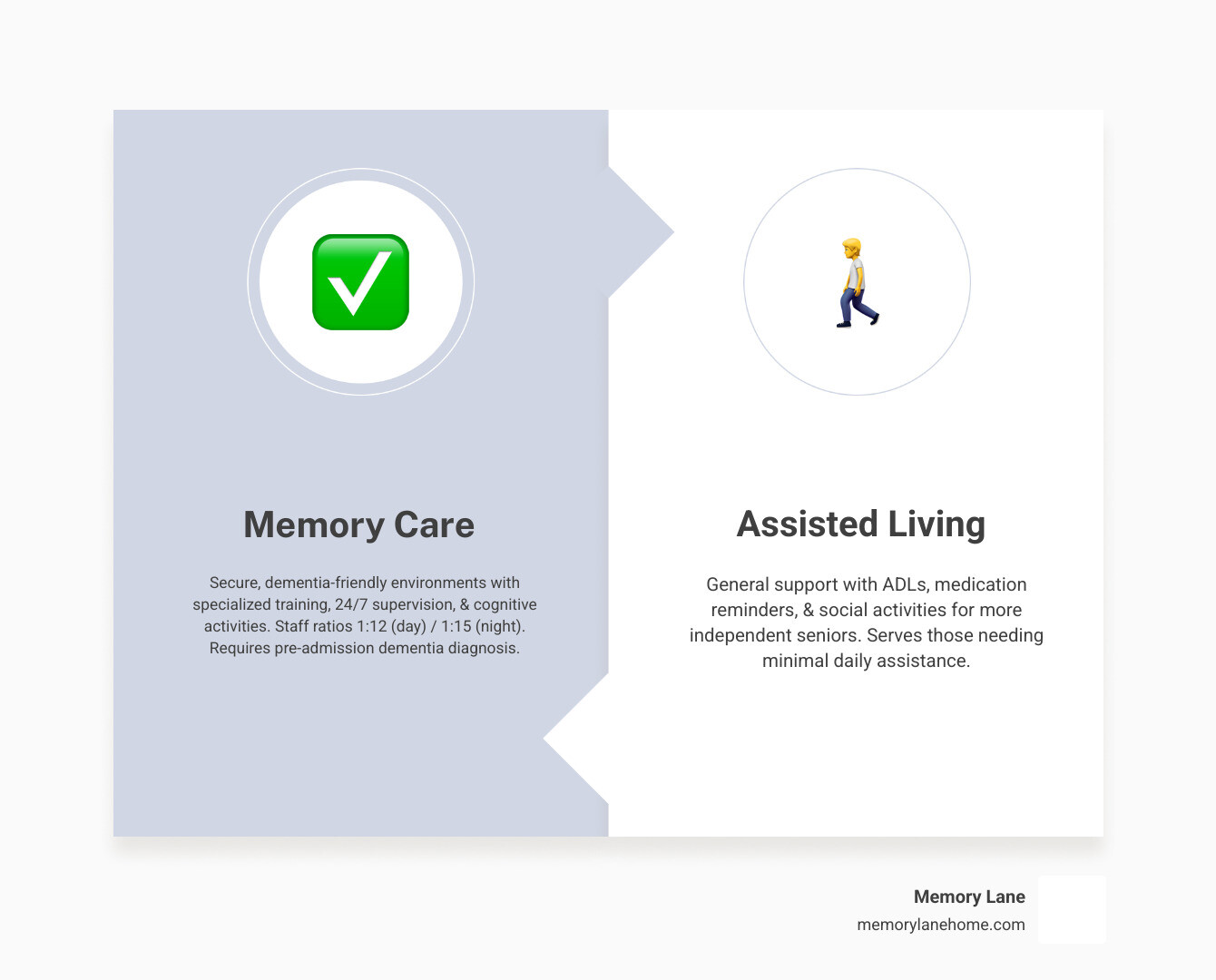
The primary benefit of a specialized memory care program lies in its holistic and custom approach to supporting individuals with Alzheimer’s and other forms of dementia. Unlike general assisted living, memory care offers:
- Custom Environment: Facilities are specifically designed with dementia-friendly features, including secure perimeters, clear way-finding cues, and soothing aesthetics, all contributing to a sense of safety and calm.
- Specially Trained Staff: Caregivers receive extensive dementia-specific training, equipping them with the skills to understand and respond to the unique needs and behaviors associated with memory loss, fostering compassionate and effective care.
- Evidence-Based Activities: Programs are not just recreational; they are thoughtfully designed based on research to engage cognitive function, promote physical health, and encourage social interaction, often featuring a “daily path of engagement” with structured programs.
- Improved Safety: Improved security measures, including 24/7 supervision and secure outdoor spaces, significantly reduce risks like wandering and falls.
- Peer Socialization: Living among others who share similar experiences reduces feelings of isolation and provides opportunities for meaningful connections.
- Improved Quality of Life: By addressing safety, physical, emotional, and social needs in a specialized and supportive environment, memory care aims to maximize each resident’s independence, dignity, and overall well-being. This ensures residents can experience a full life in a place where they are well known and cared for.
How are families involved in the care process?
At Memory Lane, we firmly believe that families are integral partners in the care journey. Premier memory care Ann Arbor communities prioritize robust family involvement through:
- Collaborative Care Planning: Families are actively involved in the development and regular review of their loved one’s personalized care plan. Their insights into personal history, preferences, and routines are invaluable.
- Regular Communication Updates: Communities maintain open lines of communication through meetings, phone calls, and secure portals, keeping families informed about their loved one’s health, activities, and any changes in condition.
- Family Support Groups: Many facilities offer or recommend support groups for family members, providing a space to share experiences, gain advice, and find emotional support from others facing similar challenges.
- Invitations to Community Events: Families are often invited to participate in community events, holiday celebrations, and special activities, fostering a sense of extended family and allowing for quality time with their loved one in their new home.
- Participation in Reviews: Families are encouraged to provide feedback through surveys and direct communication, contributing to the ongoing assessment and improvement of care quality.
Our goal is to create a partnership where families feel heard, valued, and confident in the care their loved one receives.
Conclusion
The journey to finding the right memory care facility in Ann Arbor, Ypsilanti, or Saline is deeply personal, often filled with emotion and difficult decisions. However, by understanding the landscape, knowing what to look for, and utilizing available resources, families can make an informed choice that truly benefits their loved one.
The key takeaways from our guide emphasize the importance of:
- Security: A safe, dementia-friendly environment designed to reduce risks and support those who may be prone to wandering.
- Staffing: Highly trained, compassionate caregivers with dementia-specific expertise and favorable staff-to-resident ratios.
- Activities: Engaging, purpose-driven programs that promote cognitive function, physical well-being, and social interaction.
The ultimate goal of premier memory care is to improve the life of each resident, providing them with dignity, independence, and the highest possible quality of life despite the challenges of dementia. At Memory Lane, we are committed to this vision, offering compassionate, personalized support that honors each individual’s unique story. We believe that “Until there’s a cure… there’s care!” and that care should be exceptional.
We hope this guide empowers you to steer your search with confidence and find a community where your loved one can thrive.
Learn more about our specialized memory care services
Related Posts