Assisted Living Communities: The Ultimate 2025 Guide
Why Assisted Living Communities Matter for Your Loved One’s Future
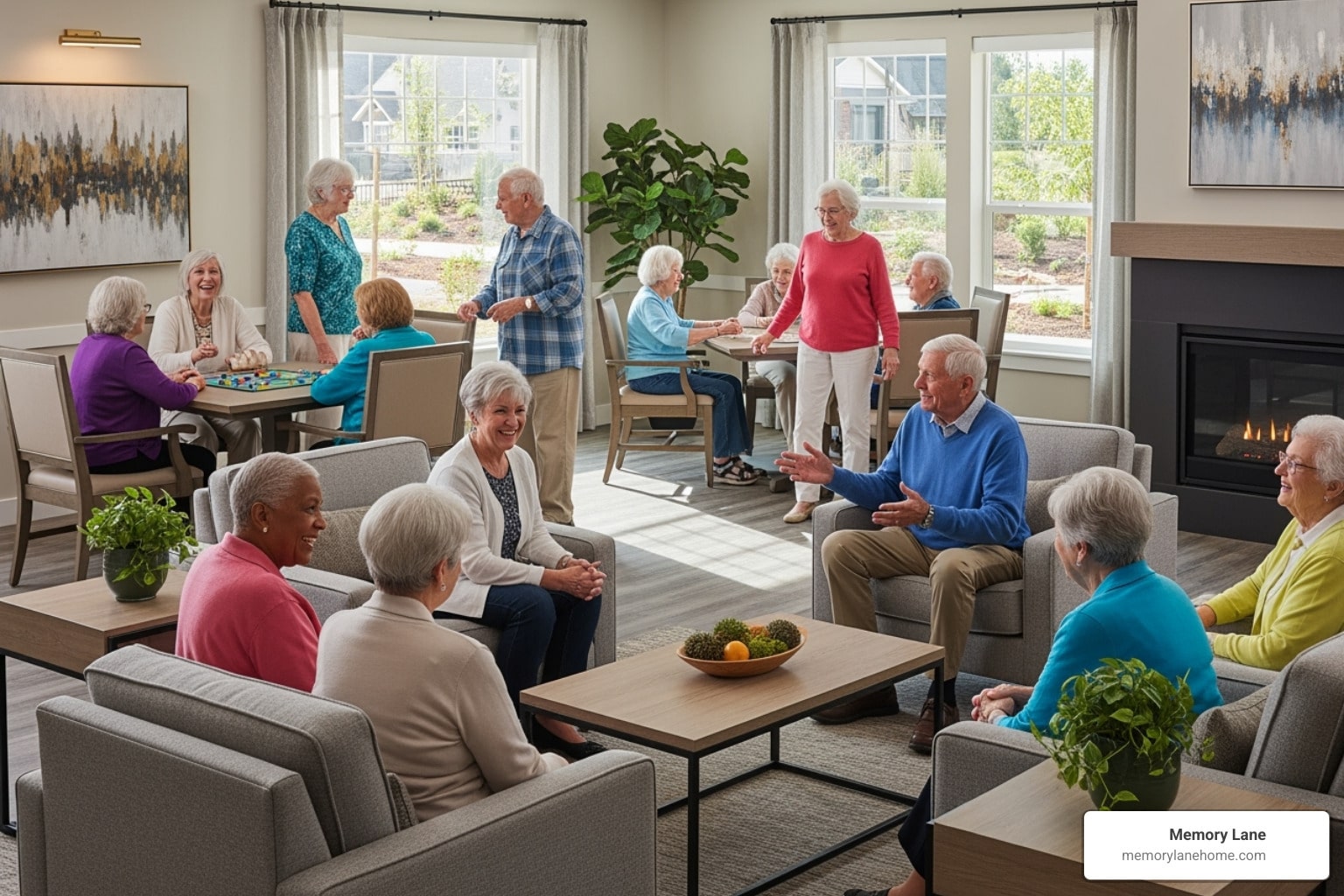
Assisted living communities are a supportive residential option for seniors who need help with daily activities like bathing, dressing, and medication management, but don’t require the intensive medical care of a nursing home. They provide private or semi-private apartments with 24-hour staff, meals, housekeeping, social activities, and transportation, often including specialized memory care.
You should consider assisted living when a loved one struggles with daily tasks, safety at home is a concern, or they are experiencing social isolation. It is also a solution when family caregivers feel overwhelmed by their responsibilities.
For seniors experiencing memory loss or cognitive decline, the question isn’t just where they’ll live—it’s how they’ll thrive. Assisted living communities bridge the gap between independent living and round-the-clock medical supervision, offering a blend of freedom, support, and community that improves quality of life for seniors and provides peace of mind for families.
This guide covers everything you need to know about assisted living, from comparing care options and costs to choosing the right community and understanding specialized dementia support. You’ll get the data and insights needed to make a confident decision.
I’m Jason Setsuda, an Emergency Medicine physician and CFO of Memory Lane Assisted Living. With over 15 years in healthcare, I’ve helped many families steer the transition to assisted living communities and understand the complex considerations involved.
Understanding the Landscape of Senior Living Options
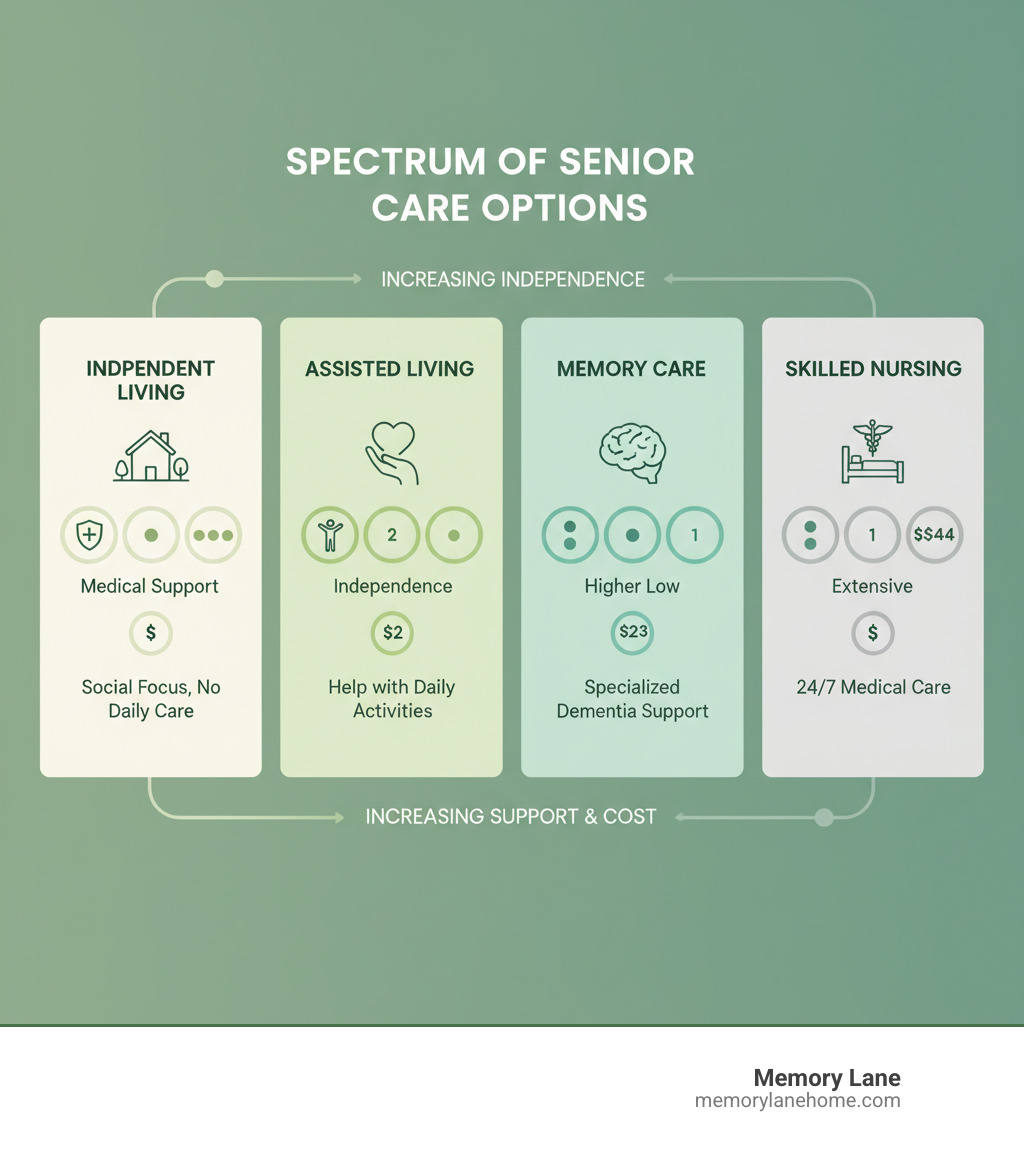
Navigating senior care terminology can be confusing. Independent living, assisted living communities, memory care, and nursing homes each serve a different purpose. Understanding these distinctions is key to finding the right fit.
What is Assisted Living?
Assisted living combines housing, personalized support services, and healthcare for seniors who want to maintain independence but need help with everyday tasks. Residents have their own private space, such as a studio or one-bedroom apartment, with a caring team available 24/7 for assistance with bathing, dressing, and medication management.
The philosophy is to maximize independence while providing a safety net, allowing residents to pursue hobbies and stay connected. Assisted living communities are ideal for seniors who need help with Activities of Daily Living (ADLs) but don’t require the intensive medical oversight of a nursing home. The focus is on enhancing quality of life and community engagement.
For a deeper look at what services are typically offered, check out our guide on assisted living services.
Assisted Living vs. Higher Levels of Care
The primary difference between assisted living communities and nursing homes (skilled nursing facilities) is the level of care. Assisted living focuses on personal care and quality of life, while nursing homes provide intensive, 24-hour medical care and rehabilitation services.
Consequently, the environments differ. Assisted living communities offer a home-like, social atmosphere where residents have more freedom and independence. Nursing homes are more clinical and structured around medical needs. Assisted living is also typically less expensive than nursing home care in the same area.
For a thorough comparison, the National Institute on Aging offers helpful information: Comparing long-term care options from the NIA.
Other Senior Housing Models
Other housing models exist for different needs and lifestyles.
Independent living is for active, self-sufficient seniors who want community benefits like dining and social activities without home maintenance. It does not include personal care and is generally less expensive than assisted living.
Board and care homes are smaller, private facilities (often 20 or fewer residents) offering personal care and meals in an intimate, home-like setting. They typically do not provide complex medical care.
Understanding these options helps match the right care to your loved one’s needs. At Memory Lane, we specialize in memory care and can help families explore all options, including referrals for skilled nursing if needed. You can learn more on our blog: More info on different facility types.
| Feature | Independent Living | Assisted Living Communities | Memory Care (Specialized Assisted Living) |
|---|---|---|---|
| Level of Care | Minimal/None (focus on lifestyle) | Assistance with ADLs (bathing, dressing, meds) | High (dementia-specific, 24/7 supervision) |
| Typical Resident | Active, self-sufficient seniors | Seniors needing daily support but not skilled nursing | Individuals with Alzheimer’s or other dementias |
| Environment | Private apartments/homes, community amenities | Private/shared rooms or apartments, community amenities | Secure, specialized environment, calming design |
| Cost | Varies widely, generally lower than assisted living | Higher than independent living, depends on care level | Higher than standard assisted living |
| Medical Focus | Low | Low to Moderate (medication management, health monitoring) | Moderate (behavioral support, health monitoring) |
| Social Aspect | Strong emphasis on social activities and independence | Strong emphasis on social activities, structured programs | Structured activities custom for cognitive needs |
Services, Amenities, and Costs in Assisted Living
Understanding daily life in an assisted living community—and its cost—is the next step. This section breaks down the services, amenities, and financial considerations.
Typical Services and Living Arrangements
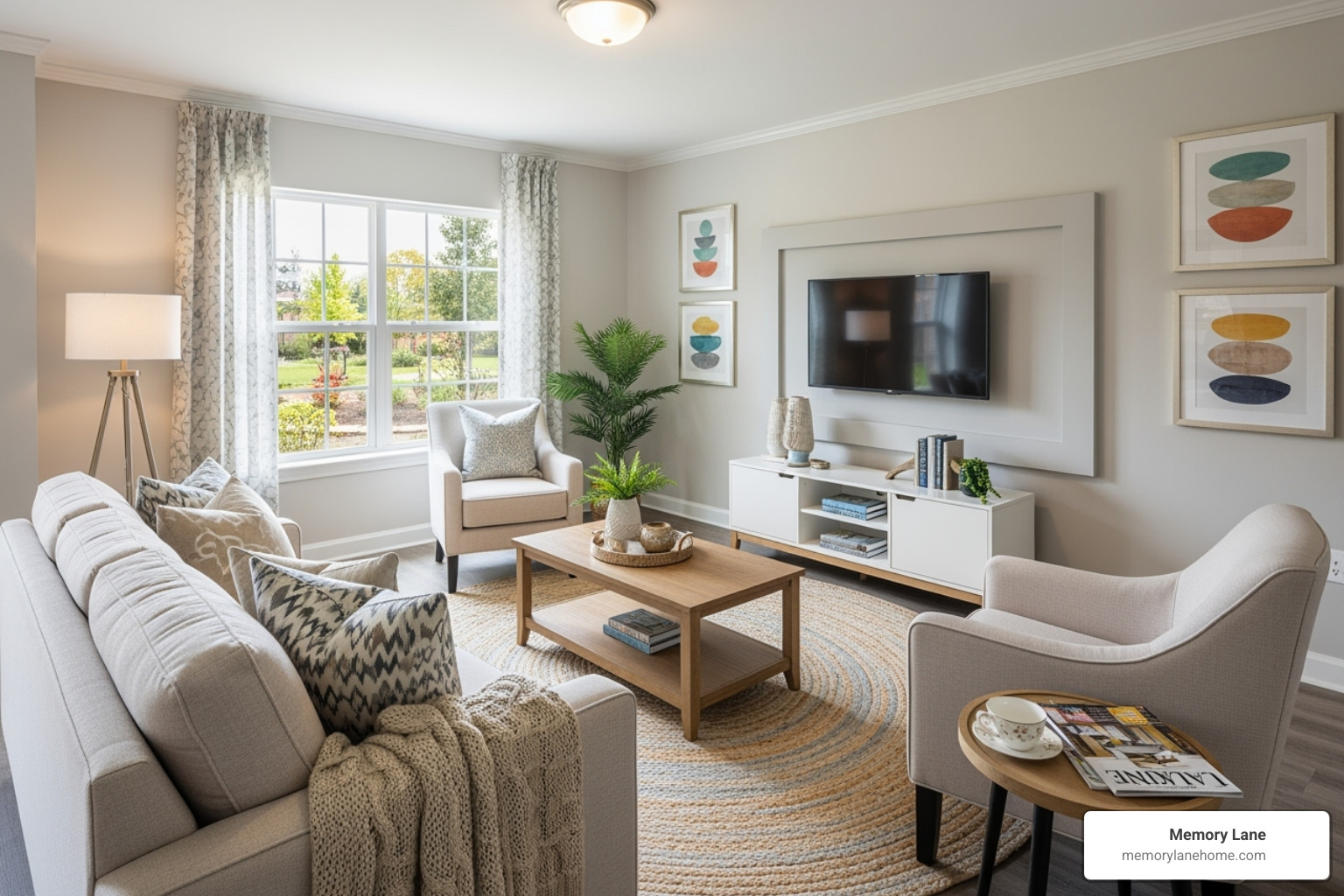
Assisted living communities blend independence with support. Residents live in their own space—a private room, studio, or one-bedroom suite, often with a private bath and kitchenette—which they can personalize with their own belongings. Core services include:
- Personal care assistance: Trained staff help with bathing, dressing, grooming, and mobility, supporting dignity and independence.
- Medication management: Staff ensure medications are taken correctly and on time, reducing errors and providing peace of mind.
- Daily support: Housekeeping, laundry, and scheduled transportation to appointments and outings remove the burden of daily chores.
- 24-hour on-site staff: Trained professionals are always available for routine needs or emergencies.
Most communities offer apartment options for couples, with individualized care plans to meet each person’s specific needs.
If you’re curious about the amenities that make life more comfortable in our local communities, take a look at what we offer: Explore our Ypsilanti senior living amenities.
Amenities That Improve Quality of Life
Beyond essential services, assisted living communities create a vibrant lifestyle.
- Dining: Restaurant-style meals are served in a communal dining room, accommodating special diets. Shared meals combat loneliness and foster connection, which the CDC notes has significant health benefits.
- Social and recreational activities: A full calendar of fitness classes, art workshops, book clubs, and social outings keeps residents engaged and active.
- On-site amenities: Many communities feature conveniences like beauty salons, libraries, fitness centers, gardens, and movie theaters.
These amenities transform a residence into a true community, providing purpose and connection.
Understanding the Cost of Assisted Living Communities
Costs for assisted living communities vary based on several factors:
- Geographic location: Prices are generally higher in the Northeast and on the coasts compared to the Midwest or Southeast.
- Living space: A private one-bedroom apartment costs more than a studio or semi-private room.
- Level of care: Most communities use a tiered system, so you only pay for the services your loved one needs. Plans can be adjusted as needs change.
According to the 2021 Genworth Cost of Care Survey, the national median cost for assisted living is about $4,500 per month. This fee typically bundles housing, utilities, meals, personal care, activities, and 24/7 supervision, often making it more affordable than coordinating these services separately at home.
Payment options include:
- Private funds: Savings, retirement income, and pensions.
- Long-term care insurance: Policies may cover a portion of costs.
- Veterans benefits: Programs like Aid and Attendance can provide financial assistance.
- Medicaid waivers: Some state-specific programs help eligible low-income seniors pay for services (not room and board).
For a detailed breakdown of what you can expect in our local area, we’ve put together a helpful guide: What to expect for assisted living costs. Understanding these costs and payment options upfront can ease the decision-making process.
How to Choose the Right Assisted Living Community
Choosing the right assisted living community is about finding a place where your loved one will feel safe, engaged, and at home. This section provides a guide to making a confident choice.

Key Factors to Consider in Your Search
Before visiting, clarify what matters most for your family.
- Assessing care needs: Honestly evaluate your loved one’s current and potential future needs. Do they require basic help or more comprehensive support, such as memory care? Area agencies on aging can provide free, objective assessments.
- Location: A community close to family, friends, and doctors makes visits easier and helps maintain important connections. If you’re looking in the Ypsilanti area, explore our assisted living homes in Ypsilanti Michigan.
- Community culture: Consider the size and atmosphere. Would your loved one prefer a large, busy community or a smaller, quieter one? Pay attention to whether the environment feels welcoming and if residents seem content.
- Staffing: Quality of care depends on the staff. Ask about staff-to-resident ratios, training (especially for dementia care), and turnover rates. A stable, well-trained team is a strong indicator of quality care.
The Facility Tour: A Checklist for What to Look For
A tour lets you see a community beyond the brochure. Be observant and ask questions.
- Observe staff-resident interactions: Are staff members warm, patient, and respectful? Look for genuine, positive engagement.
- Check for cleanliness and safety: Ensure common areas and rooms are clean and well-maintained. Look for safety features like handrails, good lighting, and clear pathways.
- Review licensing and inspection reports: These public records offer insight into a facility’s compliance history. Check your state’s department of health website for this information.
- Ask key questions: Inquire about what’s included in the monthly fee, how care plans are updated, staff-to-resident ratios, staff training, daily activities, emergency procedures, and dining options.
We encourage you to schedule a tour of our homes to get all your questions answered.
Navigating the Transition Process
Moving to assisted living is a major transition for the whole family.
- Involve your loved one: Include them in the decision-making process as much as possible to give them a sense of control.
- Downsize and personalize: Help your loved one choose cherished items to make their new apartment feel like home. This process can be emotional, so be patient.
- Provide emotional support: Acknowledge the complex feelings of everyone involved. Open communication and empathy are crucial. Consider seeking support from counselors or caregiver groups if needed.
- Partner with the care team: Once your loved one moves in, establish regular communication with the staff. Sharing insights about your loved one’s history and preferences helps them provide personalized care. Working together ensures the best possible outcome.
Specialized Care and the Benefits of Assisted Living Communities
The right assisted living community doesn’t just meet basic needs; it provides an environment where seniors can flourish. This section explores the core benefits and specialized care options available.
The Core Benefits for Seniors
Assisted living communities address both practical and emotional needs, offering significant benefits:
- Safety and Security: With 24-hour staff and emergency response systems, families no longer have to worry about falls or other emergencies at home.
- Social Engagement: Daily opportunities for connection through shared meals and activities combat loneliness, which the CDC has linked to negative health outcomes. Built-in community fosters new friendships and a sense of belonging. Learn more about the benefits of choosing a local community.
- Health and Wellness: Access to nutritious meals, fitness programs, and professional medication management promotes a proactive approach to health.
- Peace of Mind: Residents feel secure knowing help is available, and families can enjoy quality time during visits without the stress of caregiving duties.

Specialized Support in Assisted Living Communities
For individuals with dementia or Alzheimer’s, memory care programs within assisted living communities are essential. Memory care is a higher level of support designed for those with cognitive decline.
At Memory Lane, our approach is built on understanding how dementia changes a person’s experience of the world. Our specialized care includes:
- Secure Environments: Specially designed spaces prevent wandering while feeling warm and residential. Features like color-coded hallways and memory boxes reduce confusion and anxiety.
- Specialized Staff Training: Our caregivers receive extensive training in dementia care. They learn to use compassion and expertise to redirect, communicate effectively, and maintain resident dignity.
- Custom Activities: We design programs that promote cognitive function without frustration. Activities like music therapy, sensory engagement, and simple, familiar tasks provide purpose and joy, celebrating what residents can still do.
Specialized memory care allows loved ones to live with dignity and engagement despite their diagnosis. You can explore our approach here: Assisted living for dementia patients.
Frequently Asked Questions about Assisted Living
Here are answers to some of the most common questions about assisted living communities.
How much does assisted living cost compared to in-home care?
While it may seem counterintuitive, assisted living is often less expensive than extensive in-home care. Assisted living costs are bundled into a single monthly fee covering housing, meals, personal care, activities, and 24/7 supervision.
In-home care is typically charged by the hour, and costs can escalate quickly if a loved one needs round-the-clock support. The all-inclusive nature of an assisted living community fee can provide more predictable and affordable care for those with significant needs. The Genworth Cost of Care Survey offers a valuable cost comparison.
Can couples live together in assisted living?
Yes. Most assisted living communities offer apartment options for couples, understanding the importance of keeping partners together. A key benefit is that care plans can be individualized for each person within the shared living space. One partner may require more assistance than the other, and the community can tailor services to meet each person’s unique needs.
Maintaining these relationships is vital for well-being. For more information, you can visit: Learn about options for couples.
What happens when a resident’s care needs increase?
Quality assisted living communities are prepared for evolving care needs. Most conduct regular health assessments to monitor residents and adjust care plans accordingly. The goal is to provide the right level of support to maintain independence for as long as possible.
Many facilities, including Memory Lane, offer a continuum of care, allowing residents to “age in place.” This means they can transition to a higher level of care, such as specialized memory care, without moving to a new facility. If a resident’s needs exceed what the community can provide (e.g., requiring skilled nursing), the staff will work with the family to facilitate a smooth transition to an appropriate setting, offering resources and referrals.
Conclusion
Choosing an assisted living community is a significant decision, but it offers a unique balance of independence and support that can transform a senior’s life. By providing personalized care, social engagement, and a safe environment, these communities offer peace of mind to both residents and their families.
The key to finding the right fit is to carefully assess your loved one’s needs, visit multiple communities, ask detailed questions, and trust your instincts. Look for a place that feels warm, welcoming, and like a true home.
At Memory Lane, we specialize in compassionate, person-centered memory care for individuals with dementia and Alzheimer’s. We understand the journey of memory loss and are committed to creating a secure, engaging environment where residents can live with dignity, joy, and purpose. Our highly trained team is dedicated to ensuring every resident feels valued and at home.
If you’re ready to take the next step, we invite you to see what makes Memory Lane different. Explore our specialized memory care services to see how we can help your loved one thrive. You don’t have to steer this path alone—we’re here to help.