Find the best assisted living near me within 5 mi. Discover local benefits, essential services, costs, and financial aid for optimal care.

The Complete List of Ann Arbor Memory Care Facilities
Memory care ann arbor: Complete Guide 2025
Why Finding the Right Memory Care in Ann Arbor Matters
Choosing a memory care Ann Arbor facility is a significant decision for families navigating Alzheimer’s disease or other forms of dementia. With over a dozen options in the area, it’s crucial to find a community that offers not just safety, but also a sense of home, dignity, and compassionate care. The average cost is around $6,271 per month, and services typically include 24/7 supervision, medication management, and specialized activities in a secure environment.
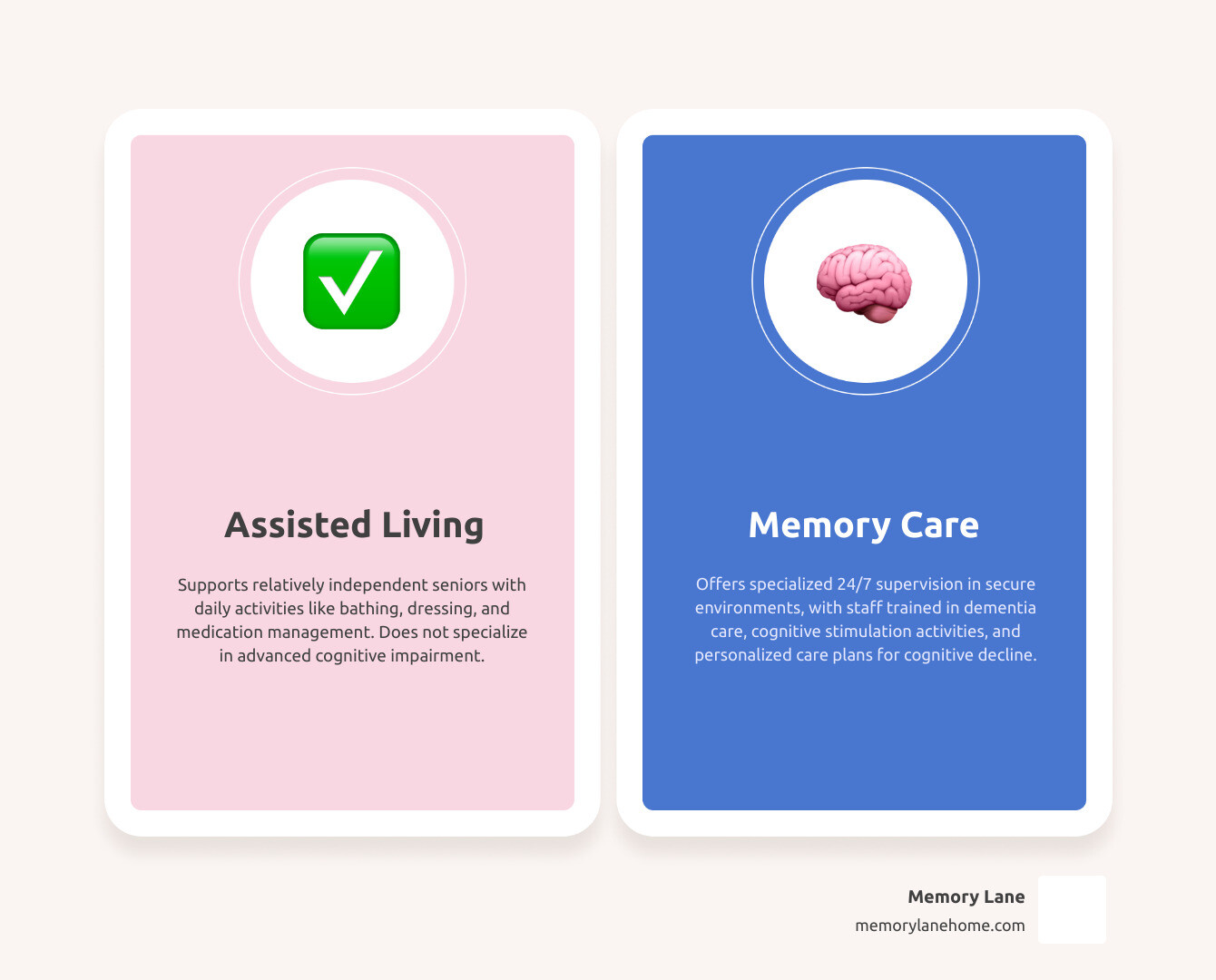
Unlike assisted living, which provides general support, memory care is specifically designed for cognitive challenges. This means staff are trained in dementia care, environments are built to prevent wandering, and activities are structured to support cognitive function. In Ann Arbor, most facilities offer comprehensive services like diabetic care and hospice availability.
I’m Jason Setsuda, a Board Certified Emergency Medicine Physician and CFO of Memory Lane Assisted Living. With experience in both medicine and medical administration for memory care Ann Arbor communities, I understand the unique needs of residents and their families. This guide will help you steer your options and find the best fit for your loved one.
Learn more about Memory care ann arbor:
Understanding Memory Care and When It’s Needed
Memory care is a specialized form of long-term care for individuals with Alzheimer’s, dementia, or other memory-related conditions. It provides a secure, structured, and supportive environment that goes beyond the general assistance offered in traditional assisted living, helping residents thrive despite their cognitive challenges. At Memory Lane, we offer a genuine home-like setting with personalized attention. Learn more about our approach to dementia care.
What is Memory Care and How Does It Differ from Assisted Living?
The key difference is specialization. Assisted living helps seniors with daily activities like bathing and dressing, while memory care is built for the unique needs of those with dementia. This includes:
- Specialized Environment: Secure, easy-to-steer homes that reduce confusion and prevent wandering.
- 24/7 Supervision: Round-the-clock support from staff trained to handle the challenges of dementia.
- Trained Staff: Caregivers receive specialized training in dementia care and communication techniques.
- Dementia-Focused Programming: Activities designed to support cognitive abilities and reduce anxiety.
At Memory Lane, our memory care Ann Arbor services stand out with our six-bedroom residences and high staff-to-resident ratio (1:3 daytime), ensuring personalized care in a nurturing space. Explore our memory care services for more details.
Key Signs a Loved One May Need Memory Care
Recognizing the need for specialized memory care Ann Arbor can be difficult. Look for these common signs:
- Memory Loss Impacting Safety: Forgetting to turn off the stove, getting lost, or missing medications.
- Confusion and Disorientation: Difficulty with time, place, or recognizing familiar people.
- Difficulty with Daily Tasks: Struggling with routine activities like bathing, dressing, or managing finances.
- Behavioral Changes: Increased anxiety, agitation, aggression, or depression, including sundowning.
- Social Withdrawal: Losing interest in hobbies and social activities.
- Caregiver Stress: When the caregiver’s emotional, physical, or financial well-being is strained.
If you observe these signs, it may be time to consider a memory care facility. For more information on the signs of dementia and Alzheimer’s, the Alzheimer’s Association is an excellent resource.
What to Expect from Memory Lane Memory Care Facilities in Ann Arbor

At Memory Lane, we provide a structured yet joyful daily life for our residents. Our person-centered approach means we tailor care and activities to each individual’s personality, history, and preferences. We foster a warm, supportive community where residents enjoy meaningful interactions, therapeutic activities, and delicious, home-cooked meals, celebrating life’s small joys and creating a sense of belonging.
Specialized Services and Amenities
Our memory care Ann Arbor homes are designed for comprehensive support and comfort:
- 24-hour Awake Staff: Dedicated, trained staff are always available for immediate assistance and supervision.
- Medication Management: We provide meticulous medication management as part of each resident’s individualized care plan.
- Diabetic Care & Hospice: We offer comprehensive diabetic care and on-site hospice availability, services provided by 100% of Ann Arbor memory care communities.
- Secure Courtyards: Residents can safely enjoy the outdoors in our enclosed courtyards and gardens.
- Dementia-Friendly Dining: We serve three nutritious, home-cooked meals daily, incorporating resident suggestions and family recipes.
- Housekeeping and Laundry: We handle all housekeeping and laundry, ensuring a clean and comfortable environment.
- On-site Professional Visits: We coordinate visits from physicians, podiatrists, and other professionals for resident convenience.
For more details on our specialized support, learn about our Alzheimer’s care homes.
Therapeutic Activities and Programs
Purposeful engagement is key to well-being. Our activities are designed to stimulate the mind, body, and spirit:
- Cognitive Stimulation: Daily discussions, puzzles, and brain games.
- Music and Art Therapy: Creative outlets like painting, crafts, and music sessions to foster joy and self-expression.
- Reminiscence Therapy: Guided conversations and activities that encourage sharing life stories.
- Pet-Focused Programs: The therapeutic companionship of animals is available in our homes.
- Light Physical Exercise: Seated yoga, walking groups, and our B-Fit program help maintain mobility.
- Gardening and Social Events: Residents can enjoy gardening, parties, BBQs, and occasional outings to promote social connection.
The Financial Guide to Memory Care Ann Arbor

Navigating the financial aspects of memory care Ann Arbor can be challenging. Understanding the costs and payment options is a critical step in your planning process.
The Average Cost of Memory Care in Ann Arbor
The cost of memory care in Ann Arbor varies based on the level of care, room type, and amenities. Here’s a general overview:
- Average Monthly Cost: Approximately $6,271, which is higher than both the Michigan state average ($4,589) and the U.S. national average ($5,083).
- Cost Range: Costs can range significantly, from around $850 to over $9,000 per month.
- Factors Influencing Cost: The price is affected by the room type (semi-private vs. private), the intensity of care required, and the scope of services and amenities offered.
We believe in transparent pricing and are here to help you understand the value and investment in quality care.
Payment Options and Financial Assistance
Several options can help families manage the cost of memory care Ann Arbor:
- Private Pay: Using personal savings, pensions, or other assets is the most common method.
- Long-Term Care Insurance: Policies designed to cover long-term care services can significantly offset costs.
- Veterans Benefits: The VA’s Aid and Attendance benefit may be available to eligible veterans and their spouses.
- MI Choice Waiver Program: While Michigan Medicaid doesn’t cover room and board, this waiver program can help pay for care services for eligible individuals in a memory care setting.
Navigating these financial pathways can be complex. We offer free consultations to help families explore their options. For more information, see our guide on long-term dementia care options.
How to Choose the Best Ann Arbor Memory Care Facility
Choosing the right memory care Ann Arbor facility requires careful research. This guide will help you through the process.
Key Features to Look for in a Memory Care Ann Arbor Community
When evaluating communities, prioritize these essential features:
- Specially Trained Staff: Ensure staff have certified training in dementia care for compassionate, knowledgeable support.
- High Staff-to-Resident Ratio: A lower ratio, like our 1:3 daytime ratio at Memory Lane, allows for more personalized attention.
- Secure and Thoughtful Environment: The facility should have safety features like secured exits and a layout designed to minimize confusion.
- Personalized Care Plans: The best facilities create and update care plans based on each resident’s unique needs and preferences.
- Open Family Communication: Look for a community that values partnership with families and provides regular updates.
Learn more about our dedicated Alzheimer’s caregivers.
A Step-by-Step Checklist for Evaluating Facilities
Follow these steps to make an informed decision:
- Research & Read Reviews: Gather a list of facilities and see what other families are saying about their experiences.
- Schedule Tours: Visit your top choices in person to observe the environment and interactions.
- Observe Staff & Residents: Pay attention to how staff members communicate with residents. Look for warmth, patience, and respect.
- Assess the Environment: Check for cleanliness, safety features, and a comfortable, home-like atmosphere.
- Review Activities & Dining: Ask for an activity calendar and menu to see if they are engaging and appropriate for memory care.
- Ask Key Questions: Inquire about staff-to-resident ratios, training, emergency protocols, and how behavioral challenges are handled.
Ready to see our community? Contact Memory Lane for a tour or more information.
Understanding Michigan’s Regulations for Memory Care Ann Arbor
In Michigan, memory care facilities are regulated by the Department of Licensing and Regulatory Affairs (LARA). Key points include:
- Licensing & Inspections: All facilities must be licensed and are subject to regular state inspections. You can request to see these reports.
- Resident Rights: State law protects residents’ rights to dignity, privacy, and involvement in their care.
- Staff Training: The state mandates specific training for staff in dementia care and emergency procedures.
The Complete List of Ann Arbor Memory Care Facilities
Why Finding the Right Memory Care in Ann Arbor Matters
Memory care Ann Arbor facilities provide specialized support for individuals living with Alzheimer’s disease, dementia, and other forms of cognitive decline. If you’re searching for care options, here’s what you need to know:
Quick Overview:
- 16 memory care facilities serve the Ann Arbor area
- Average cost: $6,271 per month (ranging from $850 to $94,000)
- Key services: 24/7 supervision, medication management, secure environments, dementia-friendly dining
- Common features: Trained staff (93.8% offer 24-hour awake staff), specialized activities, personalized care plans
Finding quality care for a loved one experiencing memory loss is one of the most difficult decisions families face. You want a place that’s safe, but also feels like home. You need trained staff who understand dementia, but also treat residents with dignity and compassion.
The good news? Ann Arbor offers a range of memory care options, from large communities with extensive amenities to smaller, home-like settings with high staff-to-resident ratios. The challenge is knowing what to look for and how to evaluate your choices.
Memory care differs from assisted living in several important ways. While assisted living helps with daily tasks like bathing and dressing, memory care provides specialized support for cognitive challenges. This includes secure environments to prevent wandering, staff trained in dementia care techniques, and structured activities designed to maintain cognitive function and reduce anxiety.
Most Ann Arbor memory care facilities offer robust services. According to local data, 100% provide diabetic care and hospice availability on-site, while 81.3% offer full medication management and respite stays for families needing temporary support.
I’m Jason Setsuda, a Board Certified Emergency Medicine Physician and CFO of Memory Lane Assisted Living, with over 10 years of medical experience and 5 years in medical administration focused on memory care Ann Arbor communities. My background in emergency medicine and holistic care helps me understand both the medical needs and quality-of-life considerations families face when choosing dementia care. This guide will walk you through everything you need to know about finding the right memory care facility in Ann Arbor.
Learn more about Memory care ann arbor:
Understanding Memory Care and When It’s Needed
Memory care is a specialized form of long-term care for individuals with Alzheimer’s, dementia, or other memory-related conditions. It provides a secure, structured, and supportive environment that goes beyond the general assistance offered in traditional assisted living, helping residents thrive despite their cognitive challenges. At Memory Lane, we offer a genuine home-like setting with personalized attention. Learn more about our approach to dementia care.
What is Memory Care and How Does It Differ from Assisted Living?
The key difference is specialization. Assisted living helps seniors with daily activities like bathing and dressing, while memory care is built for the unique needs of those with dementia. This includes:
- Specialized Environment: Secure, easy-to-steer homes that reduce confusion and prevent wandering.
- 24/7 Supervision: Round-the-clock support from staff trained to handle the challenges of dementia.
- Trained Staff: Caregivers receive specialized training in dementia care and communication techniques.
- Dementia-Focused Programming: Activities designed to support cognitive abilities and reduce anxiety.
At Memory Lane, our memory care Ann Arbor services stand out with our six-bedroom residences and high staff-to-resident ratio (1:3 daytime), ensuring personalized care in a nurturing space. Explore our memory care services for more details.
Key Signs a Loved One May Need Memory Care
Recognizing the need for specialized memory care Ann Arbor can be difficult. Look for these common signs:
- Memory Loss Impacting Safety: Forgetting to turn off the stove, getting lost, or missing medications.
- Confusion and Disorientation: Difficulty with time, place, or recognizing familiar people.
- Difficulty with Daily Tasks: Struggling with routine activities like bathing, dressing, or managing finances.
- Behavioral Changes: Increased anxiety, agitation, aggression, or depression, including sundowning.
- Social Withdrawal: Losing interest in hobbies and social activities.
- Caregiver Stress: When the caregiver’s emotional, physical, or financial well-being is strained.
If you observe these signs, it may be time to consider a memory care facility. For more information on the signs of dementia and Alzheimer’s, the Alzheimer’s Association is an excellent resource.
What to Expect from Memory Lane Memory Care Facilities in Ann Arbor
At Memory Lane, we provide a structured yet joyful daily life for our residents. Our person-centered approach means we tailor care and activities to each individual’s personality, history, and preferences. We foster a warm, supportive community where residents enjoy meaningful interactions, therapeutic activities, and delicious, home-cooked meals, celebrating life’s small joys and creating a sense of belonging.
Specialized Services and Amenities
Our memory care Ann Arbor homes are designed for comprehensive support and comfort:
- 24-hour Awake Staff: Dedicated, trained staff are always available for immediate assistance and supervision.
- Medication Management: We provide meticulous medication management as part of each resident’s individualized care plan.
- Diabetic Care & Hospice: We offer comprehensive diabetic care and on-site hospice availability, services provided by 100% of Ann Arbor memory care communities.
- Secure Courtyards: Residents can safely enjoy the outdoors in our enclosed courtyards and gardens.
- Dementia-Friendly Dining: We serve three nutritious, home-cooked meals daily, incorporating resident suggestions and family recipes.
- Housekeeping and Laundry: We handle all housekeeping and laundry, ensuring a clean and comfortable environment.
- On-site Professional Visits: We coordinate visits from physicians, podiatrists, and other professionals for resident convenience.
For more details on our specialized support, learn about our Alzheimer’s care homes.
Therapeutic Activities and Programs
Purposeful engagement is key to well-being. Our activities are designed to stimulate the mind, body, and spirit:
- Cognitive Stimulation: Daily discussions, puzzles, and brain games.
- Music and Art Therapy: Creative outlets like painting, crafts, and music sessions to foster joy and self-expression.
- Reminiscence Therapy: Guided conversations and activities that encourage sharing life stories.
- Pet-Focused Programs: The therapeutic companionship of animals is available in our homes.
- Light Physical Exercise: Seated yoga, walking groups, and our B-Fit program help maintain mobility.
- Gardening and Social Events: Residents can enjoy gardening, parties, BBQs, and occasional outings to promote social connection.
The Financial Guide to Memory Care Ann Arbor
Navigating the financial aspects of memory care Ann Arbor can be challenging. Understanding the costs and payment options is a critical step in your planning process.
The Average Cost of Memory Care in Ann Arbor
The cost of memory care in Ann Arbor varies based on the level of care, room type, and amenities. Here’s a general overview:
- Average Monthly Cost: Approximately $6,271, which is higher than both the Michigan state average ($4,589) and the U.S. national average ($5,083).
- Cost Range: Costs can range significantly, from around $850 to over $9,000 per month.
- Factors Influencing Cost: The price is affected by the room type (semi-private vs. private), the intensity of care required, and the scope of services and amenities offered.
We believe in transparent pricing and are here to help you understand the value and investment in quality care.
Payment Options and Financial Assistance
Several options can help families manage the cost of memory care Ann Arbor:
- Private Pay: Using personal savings, pensions, or other assets is the most common method.
- Long-Term Care Insurance: Policies designed to cover long-term care services can significantly offset costs.
- Veterans Benefits: The VA’s Aid and Attendance benefit may be available to eligible veterans and their spouses.
- MI Choice Waiver Program: While Michigan Medicaid doesn’t cover room and board, this waiver program can help pay for care services for eligible individuals in a memory care setting.
Navigating these financial pathways can be complex. We offer free consultations to help families explore their options. For more information, see our guide on long-term dementia care options.
How to Choose the Best Ann Arbor Memory Care Facility
Choosing the right memory care Ann Arbor facility requires careful research. This guide will help you through the process.
Key Features to Look for in a Memory Care Ann Arbor Community
When evaluating communities, prioritize these essential features:
- Specially Trained Staff: Ensure staff have certified training in dementia care for compassionate, knowledgeable support.
- High Staff-to-Resident Ratio: A lower ratio, like our 1:3 daytime ratio at Memory Lane, allows for more personalized attention.
- Secure and Thoughtful Environment: The facility should have safety features like secured exits and a layout designed to minimize confusion.
- Personalized Care Plans: The best facilities create and update care plans based on each resident’s unique needs and preferences.
- Open Family Communication: Look for a community that values partnership with families and provides regular updates.
Learn more about our dedicated Alzheimer’s caregivers.
A Step-by-Step Checklist for Evaluating Facilities
Follow these steps to make an informed decision:
- Research & Read Reviews: Gather a list of facilities and see what other families are saying about their experiences.
- Schedule Tours: Visit your top choices in person to observe the environment and interactions.
- Observe Staff & Residents: Pay attention to how staff members communicate with residents. Look for warmth, patience, and respect.
- Assess the Environment: Check for cleanliness, safety features, and a comfortable, home-like atmosphere.
- Review Activities & Dining: Ask for an activity calendar and menu to see if they are engaging and appropriate for memory care.
- Ask Key Questions: Inquire about staff-to-resident ratios, training, emergency protocols, and how behavioral challenges are handled.
Ready to see our community? Contact Memory Lane for a tour or more information.
Understanding Michigan’s Regulations for Memory Care Ann Arbor
In Michigan, memory care facilities are regulated by the Department of Licensing and Regulatory Affairs (LARA). Key points include:
- Licensing & Inspections: All facilities must be licensed and are subject to regular state inspections. You can request to see these reports.
- Resident Rights: State law protects residents’ rights to dignity, privacy, and involvement in their care.
- Staff Training: The state mandates specific training for staff in dementia care and emergency procedures.
Frequently Asked Questions about Memory Care
What is the main difference between memory care and assisted living?
Assisted living helps seniors with daily activities, while memory care provides specialized support for individuals with dementia. This includes a secure environment to prevent wandering, staff with specific training in dementia care, and activities designed to support cognitive function. Our homes offer a higher staff-to-resident ratio and a more intimate setting than many traditional assisted living facilities.
Does Medicaid cover the cost of memory care in Michigan?
While Michigan Medicaid does not directly pay for room and board in memory care Ann Arbor facilities, the MI Choice Waiver program can help. Eligible individuals can use this waiver to cover the cost of care services, though not housing expenses. We recommend exploring your loved one’s eligibility for this program.
What should I look for during a tour of a memory care facility?
When touring a memory care Ann Arbor facility, focus on these key areas:
- Staff Interactions: Observe how staff engage with residents. Look for warmth, patience, and respect.
- Cleanliness and Safety: The facility should be clean, well-maintained, and have safety features like secure exits and clear pathways.
- Staffing: Ask about the staff-to-resident ratio, training, and turnover rates.
- Atmosphere: Does the environment feel calm and home-like? A comfortable atmosphere is crucial for a resident’s well-being.
Conclusion
Finding the right memory care Ann Arbor facility is a journey that brings peace of mind when you find a community that offers compassionate, specialized care. A supportive, secure, and engaging environment is crucial for improving the quality of life for a loved one with memory loss.
Ann Arbor has many options, but our Memory Lane homes stand out with an intimate, six-bedroom model, high staff-to-resident ratios, and deeply personalized care. This approach fosters a true sense of home and belonging.
We encourage you to use this guide as you take the next step. Visit facilities, ask questions, and trust your instincts. Your loved one deserves a place where they can live with dignity and joy.
Related Posts