
Support for Dementia Caregivers: Essential Hope 2025
Understanding the Dementia Caregiver’s Journey
Support for dementia caregivers involves resources and strategies to help individuals caring for loved ones with Alzheimer’s or other forms of dementia. If you are one of the over 11 million unpaid dementia caregivers in the U.S., you may feel overwhelmed and alone. This vital role often comes at a high personal cost, with caregivers more likely to experience anxiety, depression, and poorer health. This guide is here to help you steer these complexities and connect you with essential resources.
My name is Jason Setsuda, and my work in emergency medicine and as the CFO of Memory Lane Assisted Living has highlighted the critical need for holistic support for both patients and their families.
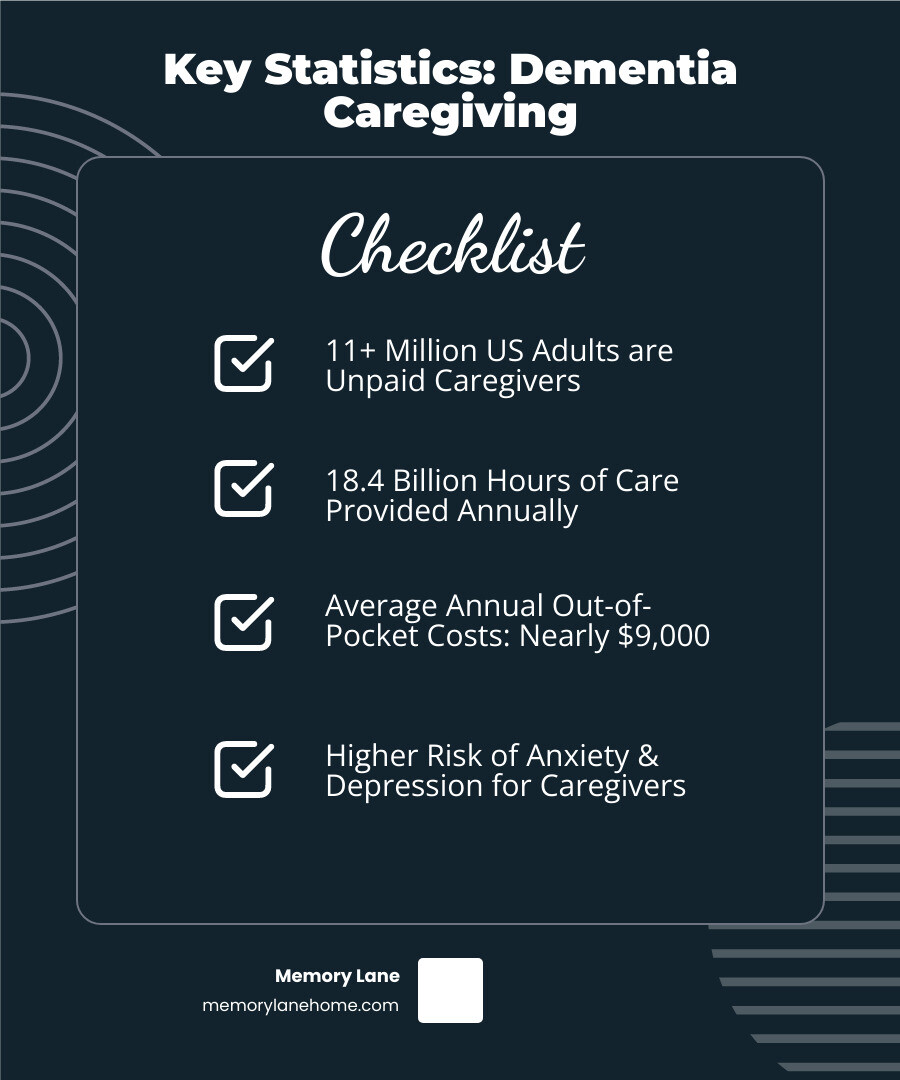
The path of a dementia caregiver evolves over time, presenting emotional, physical, and financial strains. Caregivers often grapple with grief, physical exhaustion from assisting with daily tasks, and social isolation. Understanding how the caregiver’s role shifts as the disease progresses is key to adapting and finding the right support for dementia caregivers.

Key Signs and Symptoms of Dementia
Recognizing the signs of dementia is the first step. Symptoms include:
- Memory Loss: Difficulty retaining new information or remembering important events.
- Communication Difficulties: Struggling to find words or follow conversations.
- Impaired Judgment: Poor decision-making or difficulty with problem-solving.
- Changes in Mood: Unexplained mood swings, irritability, or anxiety.
- Personality Shifts: Becoming withdrawn, suspicious, or uncharacteristically fearful.
- Confusion with Time or Place: Getting lost in familiar areas or not knowing the date.
- Difficulty with Familiar Tasks: Struggling with daily routines like cooking or managing finances.
How the Caregiver’s Role Evolves with Each Stage
- Early Stage: The caregiver acts as a companion and planner, helping with organization, appointments, and emotional support while the loved one maintains independence. This is a crucial time for advance care planning.
- Middle Stage: The need for hands-on help increases. The caregiver becomes more involved in personal care, safety supervision becomes paramount to prevent wandering, and managing challenging behaviors is a daily focus.
- Late Stage: Care becomes intensive, often 24/7. The role shifts to ensuring comfort and dignity. Communication is largely non-verbal, and professional support like in-home care or a memory care community may be necessary.
Practical Strategies for Daily Care and Communication
With the right support for dementia caregivers and practical tools, you can create a framework that brings more peace and connection to your days.
Establishing daily routines provides a predictable rhythm that can reduce anxiety and create a sense of security. Incorporate structured activities adapted to your loved one’s abilities, such as listening to music, looking at photo albums, or helping with simple household tasks. As dementia progresses, home safety measures are critical. Clear pathways, remove tripping hazards, install grab bars in bathrooms, and secure cabinets with medications or cleaning supplies.
Effective Communication Strategies
Communication changes, but connection can remain. Meet your loved one where they are with these techniques:
- Use simple language: Speak in short, clear sentences and give them time to process.
- Use non-verbal cues: A gentle touch, a warm smile, and eye contact convey reassurance when words fail.
- Listen actively: Tune into the feeling behind their words, even if the words don’t make sense.
- Avoid arguments or corrections: Correcting factual errors often causes distress. Instead, validate their feelings and enter their reality.
- Offer reassurance: Simple phrases like “You’re safe” and “I’m here with you” can calm anxiety.
The 4Rs approach is a helpful framework: Reassure, Reconsider, Redirect, and Relax.
Managing Challenging Behaviors and Emotional Changes
Challenging behaviors are often a form of communication about an unmet need, discomfort, or confusion.
- Agitation and aggression: Look for triggers like pain, fear, or overstimulation. Simplifying the environment can help. The NIA offers guidance on coping with agitation and aggression.
- Wandering: Secure the home with locks and alarms, and ensure your loved one wears an ID bracelet. Informing neighbors can create a safety net.
- Sundowning: Minimize this late-day increase in confusion by maintaining routines, limiting naps, and creating a calm, well-lit evening environment.
- Hallucinations and paranoia: Do not argue about what is real. Offer comfort, gently redirect, and discuss these symptoms with their doctor.
Daily Routines and Adapting Activities
Create meaningful days by adapting activities to current abilities.
- Engaging Activities: Adapt past hobbies. A former gardener might enjoy potting plants; a reader might enjoy audiobooks.
- Mealtime Strategies: Serve meals at consistent times in a calm environment. Use finger foods if utensils are difficult. The NIA has tips for helping people with Alzheimer’s eat well.
- Bathing and Grooming: Be patient and explain each step. Ensure the bathroom is warm and safe. The NIA’s bathing and grooming tips offer detailed guidance.
- Regular Exercise: Gentle movement like walking or chair exercises improves mood and sleep.
Maintaining quality of life is the ultimate goal. Focus on what they can still do and create moments of joy. Adapting activities for people with Alzheimer’s disease offers more ideas.
The Unseen Toll: Recognizing and Managing Caregiver Burnout
Forgetting to care for yourself while caring for a loved one is easy, which is why support for dementia caregivers is essential for survival. Caregiver burnout is a state of complete physical, emotional, and mental exhaustion. Statistics show that dementia caregivers face greater risks for anxiety, depression, and poor health. The weight of this responsibility affects your well-being, and it’s crucial to pay attention to the warning signs.
Signs and Symptoms of Caregiver Stress
Recognizing caregiver stress early can prevent it from escalating into burnout. Key signs include:
- Irritability and impatience
- Sleep problems (difficulty falling asleep, waking frequently, or feeling exhausted after sleep)
- Social withdrawal from friends and activities
- Difficulty concentrating or making decisions
- Changes in appetite or weight
- A persistent feeling of being overwhelmed
- Neglecting your own needs, such as skipping doctor’s appointments
- Physical symptoms like frequent headaches or stomach problems
If you’re experiencing these signs, they are a signal that you need support.
Crucial Self-Care Practices for Well-being
Taking care of yourself is not selfish; it’s a necessary part of being an effective caregiver. You cannot pour from an empty cup.
- Ask for help: Reach out to family, friends, or local services. Accepting help is a sign of wisdom, not weakness.
- Use respite care: This temporary relief, from a few hours to a few days, is a necessity to prevent burnout. It allows you to rest and recharge.
- Maintain your health: Prioritize regular exercise and a healthy diet to fuel your body. Even a 15-minute walk can make a difference.
- Pursue hobbies and interests: Maintain your own identity by making time for activities you enjoy.
- Practice mindfulness: Techniques like meditation or deep breathing can reduce stress. If you’re struggling, seeking help from mental health professionals is a sign of strength.
- Prioritize your own appointments: Don’t neglect your health. The National Institute on Aging emphasizes taking care of yourself as a caregiver as critical for providing quality long-term care.

Essential Support for Dementia Caregivers: Building Your Network
No one should walk the caregiving path alone. Building a robust network of support for dementia caregivers is vital. This network can include support groups, training programs, government agencies, and non-profit organizations. Think of your support network as a safety net that equips you to handle challenges before they become crises.
| Type of Support | Description | Benefits for Caregivers |
|---|---|---|
| Support Groups | In-person or online gatherings of caregivers | Share experiences, reduce isolation, learn coping strategies |
| Respite Care | Temporary relief care for your loved one | Time to rest, attend appointments, or simply recharge |
| Online Forums | Digital communities like Dementia Careblazers | 24/7 access to advice, support, and resources |
| Training Programs | Educational workshops and classes | Learn care techniques, communication strategies, and safety measures |
| Helplines | Phone support services | Immediate guidance during challenging moments |
Available Resources and Support Systems
Finding the right support starts with knowing what’s available.
- Local support groups: These provide a safe space to share experiences and learn from others on the same path.
- Local Area Agency on Aging: This invaluable resource connects caregivers with services like meal delivery, transportation, adult day programs, and respite care.
- Community and faith-based organizations: These groups often offer practical support, such as volunteer companions or meal services.
- Helplines: Services like the Alzheimer’s Association’s 24/7 helpline offer immediate guidance and resource connections.
- Educational workshops: Offered by hospitals and non-profits, these classes teach specific skills for dementia care.
Where to Find Reliable Information and Support for Dementia Caregivers
Turn to trustworthy sources for guidance:
- National Institute on Aging (NIA): Offers comprehensive, evidence-based information on all aspects of dementia caregiving.
- CDC Caregiving page: Provides information on caregiver health, stress management, and public health resources.
- MedlinePlus: A service of the National Library of Medicine that offers clear, reliable health information.
- Dementia Careblazers: An online community where caregivers can connect, share advice, and find practical and emotional support.
Building your network takes time. Start with one phone call or one meeting. Each connection strengthens your ability to provide care.
Understanding the Dementia Caregiver’s Journey
The journey of a dementia caregiver is a dynamic one, marked by evolving challenges that are emotional, physical, and financial. Caregivers often experience grief as their loved one changes, physical strain from daily care tasks, and social isolation due to the demands of their role. Understanding the progression of dementia is essential for adapting care strategies and finding the right support for dementia caregivers.
Key Signs and Symptoms of Dementia
Recognizing dementia’s symptoms is the first step. These go beyond normal aging and warrant a medical evaluation. Key signs include significant memory loss, communication difficulties, impaired judgment, mood and personality changes, confusion about time or place, and difficulty with familiar tasks. Alzheimer’s disease is the most common cause of dementia.
How the Caregiver’s Role Evolves with Each Stage
The caregiver’s responsibilities transform as the disease progresses.
- Early Stage: Companion and Planner: The focus is on providing emotional support, helping with organization, and planning for the future while maximizing the loved one’s independence.
- Middle Stage: Hands-on Supervisor: The need for direct assistance with personal care (bathing, dressing) increases. Safety supervision to manage risks like wandering becomes critical, as does managing challenging behaviors.
- Late Stage: Intensive Comfort Provider: Care becomes constant, focusing on ensuring comfort, dignity, and peace. Communication is often non-verbal, and professional support, such as a memory care community, may be required to meet the intensive needs.
Practical Strategies for Daily Care and Communication
Practical strategies can transform challenging moments into opportunities for connection. Establishing predictable daily routines can reduce anxiety and create a sense of security for your loved one. A key part of providing support for dementia caregivers is creating a safe, dementia-friendly home environment by removing hazards, improving lighting, and using labels to help with orientation.

Effective Communication Strategies
When verbal skills decline, connection is still possible. Use simple language, be patient, and rely on non-verbal cues like a warm smile or gentle touch. Actively listen for the emotions behind words and avoid arguing or correcting, as this can cause distress. Instead, offer reassurance and meet them in their reality. A useful framework is The 4Rs approach: Reassure, Reconsider, Redirect, and Relax.
Managing Challenging Behaviors and Emotional Changes
Challenging behaviors are symptoms of the disease, not personal attacks. For agitation or aggression, try to identify triggers like pain or overstimulation, as recommended by the NIA’s guidance on coping with agitation and aggression. Address wandering with safety measures like door alarms and ID bracelets. Manage sundowning with consistent routines and a calm evening environment. For hallucinations, offer comfort rather than arguing reality.
Daily Routines and Adapting Activities
Consistency provides security. Adapt hobbies your loved one once enjoyed to their current abilities. For mealtime, create a calm environment and consider finger foods if utensils are a challenge. The NIA offers tips for helping people with Alzheimer’s eat well. For bathing, be patient and ensure the space is warm and safe, using guidance from resources like the NIA’s bathing and grooming tips. Encourage gentle, regular exercise to boost mood and maintain strength. The goal is always to maintain quality of life, as detailed in guides on adapting activities.
The Unseen Toll: Recognizing and Managing Caregiver Burnout
Providing constant care can lead to caregiver stress and burnout—a state of profound exhaustion. The need for support for dementia caregivers is critical, as this role carries a higher risk of anxiety, depression, and diminished personal health. Nearly one in five caregivers reports their own health as fair or poor. Recognizing the warning signs is the first step toward protecting your own well-being.
Signs and Symptoms of Caregiver Stress
Be alert for signs of escalating stress, which can manifest physically and emotionally. Common symptoms include:
- Constant irritability or frustration
- Persistent sleep problems and fatigue
- Social withdrawal and loss of interest in hobbies
- Difficulty concentrating
- Changes in appetite or weight
- Feeling perpetually overwhelmed
- Neglecting your own health needs
- Frequent headaches or other physical pains
Crucial Self-Care Practices for Well-being
Self-care is not a luxury; it is essential for sustainable caregiving. You must care for yourself to effectively care for another.
Prioritize asking for help from family or community services and use respite care to get necessary breaks. Maintain your physical health with regular exercise and a healthy diet. Make time for hobbies that bring you joy and help you retain your sense of self. Practices like mindfulness can reduce stress, but don’t hesitate to seek help from mental health professionals if needed. Finally, keep up with your own doctor’s appointments. As the National Institute on Aging notes, taking care of yourself as a caregiver is a critical part of the job.

Essential Support for Dementia Caregivers: Building Your Network
Building a network of support for dementia caregivers is vital for your well-being. This network can include support groups, training programs, government agencies, and non-profits. Connecting with others provides strength, practical advice, and a reminder that you are not alone.
| Type of Support | Description | Benefits for Caregivers |
|---|---|---|
| Support Groups | In-person or online meetings with other caregivers | Emotional validation, shared experiences, practical tips, reduced isolation |
| Respite Care | Temporary relief care for your loved one | Time to rest, attend appointments, pursue hobbies, prevent burnout |
| Online Forums | Digital communities for caregivers | 24/7 access to support, anonymous sharing, diverse perspectives |
| Educational Workshops | Training on care techniques and strategies | Increased confidence, better care skills, problem-solving tools |
| Helplines | Phone support services | Immediate crisis assistance, referrals, confidential guidance |
| Adult Day Programs | Daytime care and activities for your loved one | Regular breaks, social engagement for loved one, structured routine |
Available Resources and Support Systems
Knowing where to look for help is the first step. Key resources include:
- Local support groups: Connect with peers through the Alzheimer’s Association or senior centers for validation and advice.
- Community organizations: Faith-based and civic groups may offer meal services, transportation, or volunteer respite care.
- Local Area Agency on Aging (AAA): A one-stop shop for finding local services like adult day care, in-home assistance, and legal aid. Find yours via the Eldercare Locator.
- Helplines: The Alzheimer’s Association (800.272.3900) and the VA Caregiver Support Program (855.260.3274) offer 24/7 crisis assistance and referrals.
- Educational workshops: Gain practical skills on dementia care, communication, and managing behaviors.
Where to Find Reliable Information and Support for Dementia Caregivers
For accurate guidance, turn to reputable government and non-profit sources:
- National Institute on Aging (NIA): Provides free, evidence-based resources on all aspects of caregiving.
- Centers for Disease Control and Prevention (CDC): Offers practical guidance on developing a care plan and staying healthy as a caregiver.
- MedlinePlus: A service of the National Library of Medicine with easy-to-understand health information.
- Dementia Careblazers: An online resource with videos and articles offering real-life support and strategies.
- AARP Caregiving: Provides extensive resources on home care, financial/legal matters, and state-specific guides.
Planning for the Future: Legal, Financial, and Long-Term Care
Planning for the future is a crucial aspect of dementia care. Starting these conversations in the early stages, while your loved one can still participate, ensures their wishes are honored and provides peace of mind. Key areas to address include legal documents, financial arrangements, and long-term care options.
Essential legal documents include advance directives, such as a Living Will and a Durable Power of Attorney for Healthcare, which outline medical treatment preferences. The NIA provides excellent guidance on Advance Care Planning. A Durable Power of Attorney for Finances is also critical, designating a trusted person to manage financial matters when your loved one no longer can. Ensure a current will is in place and consider a trust to manage assets. Consulting an elder law attorney is highly recommended.
Explore long-term care options ranging from in-home care to specialized memory care communities and nursing homes. Memory care communities, like Memory Lane, offer secure environments with 24/7 personalized care and activities custom to cognitive abilities. Financial planning involves assessing assets, insurance, and potential government benefits to prepare for the substantial costs of dementia care.
Financial and Employment Support for Dementia Caregivers
The financial strain of caregiving is significant, with high out-of-pocket costs and potential employment impacts.
- Out-of-pocket costs: Caregivers spend thousands annually on medications, equipment, and respite care. Track these expenses, as some may be tax-deductible.
- Employment impacts: Many caregivers must reduce hours or stop working, affecting their income and retirement savings. The Family and Medical Leave Act (FMLA) offers eligible employees up to 12 weeks of unpaid, job-protected leave.
- Government benefits: Explore assistance through the federal benefits finder on USA.gov. Medicaid may cover long-term care costs, and some state programs may pay family members for providing care. Veterans should explore VA caregiver support programs.
- Tax deductions: You may be able to claim your loved one as a dependent or deduct medical expenses. Consult a tax professional.
- Financial assistance programs: Your local Area Agency on Aging can help identify local programs that assist with costs for adult day care, respite, or home modifications.
Planning ahead allows for informed choices rather than crisis decisions, providing essential support for dementia caregivers.
Frequently Asked Questions about Dementia Caregiving
We’re here to offer clear answers to common concerns from families seeking support for dementia caregivers.
How do I handle my loved one not recognizing me?
This is a symptom of the disease, not a personal rejection. The best approach is to respond with gentle reassurance and focus on the emotional connection rather than correcting them. Instead of insisting they remember you, say something like, “I’m here with you,” and offer a comforting touch. Meet them in their reality to avoid causing distress. Their feeling of safety is what matters most.
What is respite care and how can I find it?
Respite care is a lifeline for caregivers, providing short-term relief from caregiving demands. It allows you to rest, attend to your own needs, or simply recharge. Respite can range from a few hours of in-home care or an adult day program to a short-term stay at a facility like Memory Lane. You can find local respite options through your local Area Agency on Aging (find it via the Eldercare Locator), the Alzheimer’s Association helpline (800.272.3900), or by searching online for “respite care near me.”
Can I get paid to be a family caregiver?
Yes, in some cases, family caregivers can receive payment. This financial support for dementia caregivers varies by state and situation.
- Medicaid: Some state Medicaid programs (e.g., self-directed services) allow qualified individuals to pay family members for care. Check with your state’s Medicaid office for eligibility.
- VA Benefits: If your loved one is a veteran, programs like the VA Aid and Attendance benefit or the VA Caregiver Support Program may provide stipends or funds that can be used to pay a family caregiver.
- Long-Term Care Insurance: Some policies allow funds to be used to pay family members. Review the policy details carefully.
Navigating these programs can be complex, but the financial relief can be substantial. Use the federal benefits information on USA.gov to explore potential options.
Conclusion
The journey of caring for someone with dementia is demanding, but you are not alone. Over 11 million Americans share this path, and a vast network of support for dementia caregivers is available to help you.
Remember the key pillars of support: understanding the disease, mastering compassionate communication, managing behaviors, practicing self-care, building a support network, and planning for the future. These elements work together to create a sustainable caregiving experience.
Seeking help is a sign of strength. When the time comes to consider long-term care, know that it is not a failure but a continuation of your advocacy for your loved one’s best interests. A memory care community can provide the specialized, 24/7 support they need, allowing you to return to the role of a family member rather than an exhausted caregiver.
At Memory Lane, we understand your journey. We provide compassionate, personalized care in a secure environment, focusing on dignity and quality of life for our residents. We are here to support both you and your loved one.
If you are in the Ann Arbor area and want to learn more about how we can support your family, we invite you to connect with us.
Learn more about our compassionate memory care in Ann Arbor, Michigan.
You have given so much. Now, let others support you. You and your loved one deserve it.