Secure Memory Care Unit: Essential Safety 2025
What Is a Secure Memory Care Unit and Why Does It Matter?
A secure memory care unit is a specialized living environment for individuals with Alzheimer’s or other forms of dementia who require improved safety measures to prevent wandering. These units combine physical security (like locked doors and enclosed outdoor spaces), dementia-friendly design, specially trained staff, and therapeutic programming to create a safe yet dignified living space.
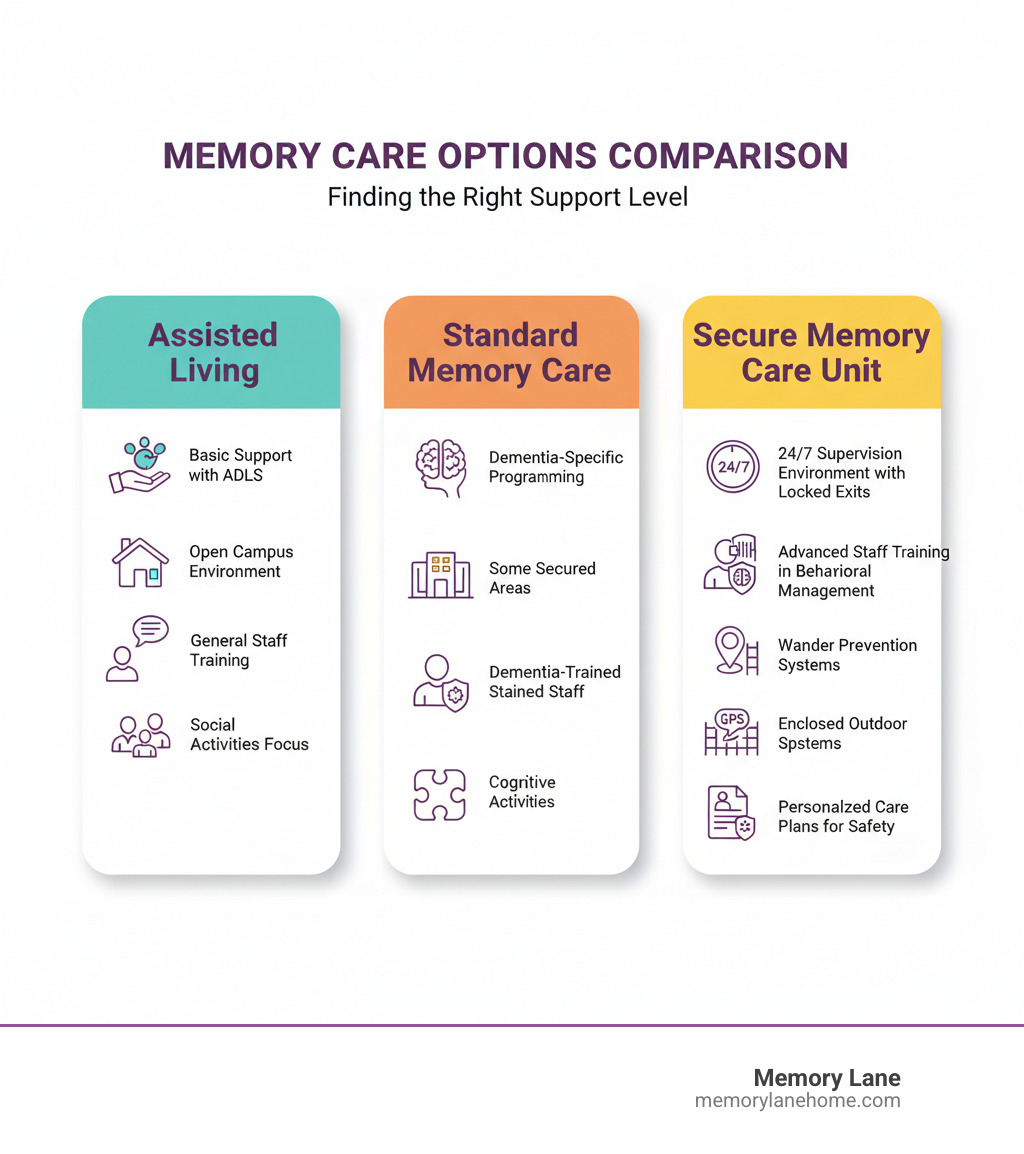
Key Differences Between Care Options:
| Feature | Assisted Living | Standard Memory Care | Secure Memory Care Unit |
|---|---|---|---|
| Target Residents | Independent seniors needing some help | Early to moderate dementia | Moderate to advanced dementia with wandering risk |
| Security Level | Open access | Some monitoring | Improved security measures (locked doors, alarms) |
| Staff Training | General senior care | Dementia-specific | Advanced dementia care + behavioral management |
| Environment | Standard residential | Dementia-friendly design | Secure + intentionally designed for safety |
| Wandering Prevention | Minimal | Moderate | Comprehensive (keypads, sensors, enclosed spaces) |
When a loved one begins to wander, families face an overwhelming decision. Three in five people with dementia are prone to wandering—a reality that can lead to getting lost, exposure to harsh weather, or walking into traffic. A secure memory care unit addresses these risks while maintaining residents’ dignity and quality of life through purposeful design and compassionate care.
I’m Jason Setsuda, a Board Certified Emergency Medicine Physician and CFO of Memory Lane Assisted Living. My work in emergency medicine has shown me the critical importance of secure memory care units in preventing emergencies related to wandering and falls. At Memory Lane, I help families steer the complexities of finding safe, compassionate care that honors their loved one while providing the protection they need.
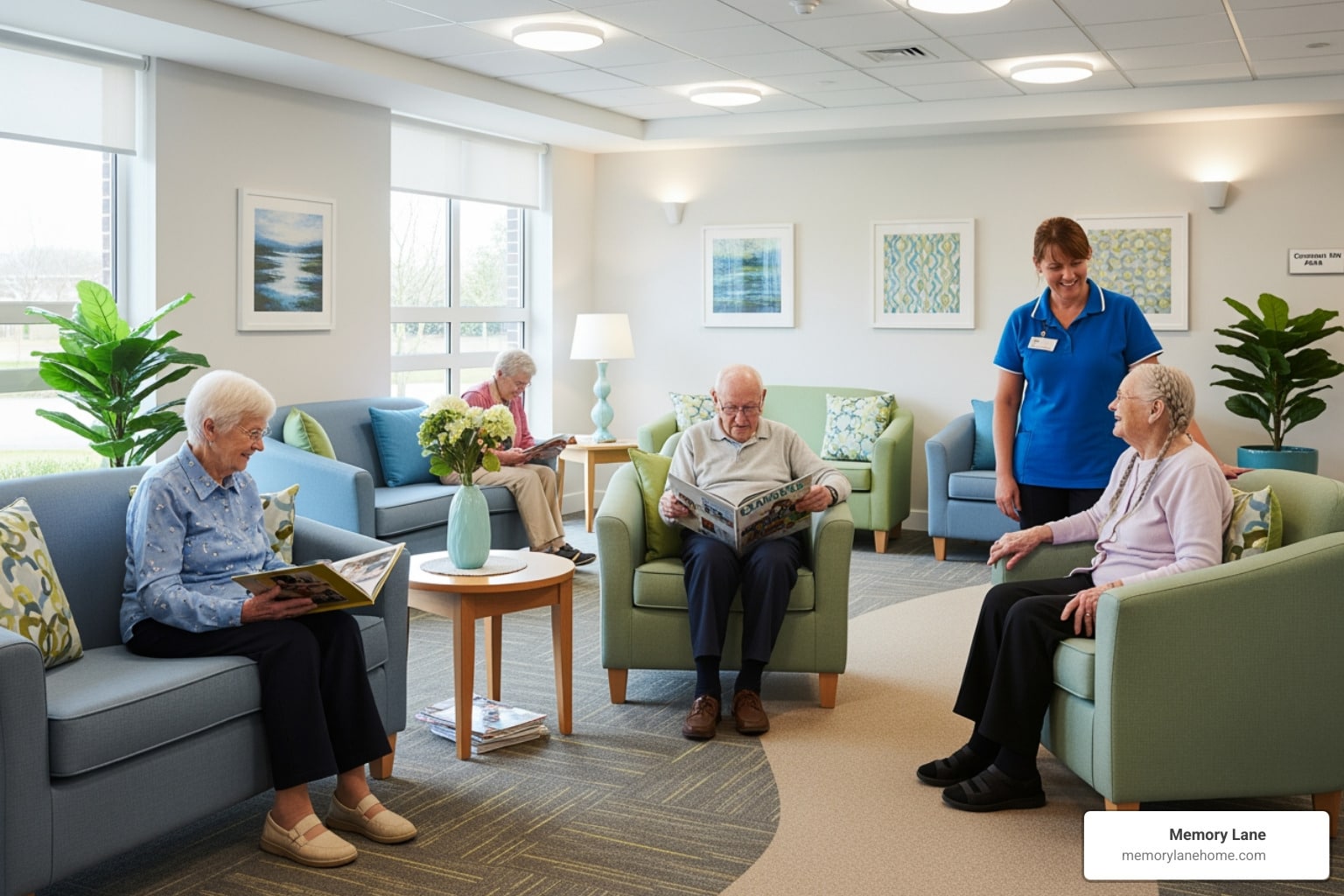
Understanding the Need: Why Security is Paramount in Dementia Care
For someone with dementia, waking up in an unfamiliar place is a daily reality. This is why a secure memory care unit is so important. It’s not about locking people away, but creating a safe space where they can live fully without the dangers their condition might bring.
Wandering is the biggest safety concern. Research shows that three in five people with dementia will wander. This behavior, called elopement, can happen at any time. A resident might walk through a door, searching for a childhood home or trying to fulfill a forgotten responsibility, but they often can’t find their way back.
Other concerns include frequent falls as balance declines, confusion leading to unsafe actions, and agitation from an unpredictable world. There’s also sundowning—when confusion and anxiety spike in the late afternoon, affecting up to two-thirds of people with dementia, according to the Alzheimer Society of Canada.
A secure memory care unit addresses these challenges, providing a predictable, calming environment for residents and invaluable peace of mind for families. You can visit knowing your loved one is safe, cared for, and protected.
The Dangers of Unsecured Environments
Living in an unsecured setting poses serious dangers for someone with dementia.
Getting lost is the most immediate risk. A person can wander miles from home, unable to state their name or address, sometimes with tragic outcomes. Weather exposure is another threat; someone might go out in winter without a coat or in summer without water, leading to hypothermia or heatstroke.
Traffic accidents are terrifyingly common when a confused person walks into a busy street. Other dangers include accidental harm, like ingesting cleaning products or leaving a stove on. For family caregivers managing these risks at home, the stress leads to severe caregiver burnout. A secure memory care unit is designed to be a safe haven where these dangers are eliminated.
The Primary Goal: Balancing Safety with Independence
Here’s what we believe at Memory Lane: security should never steal someone’s dignity.
Yes, we need locked doors, but we also need to honor the person’s desire to move and feel purposeful. Our goal is sheltered freedom: creating an environment where residents can be active and independent within safe boundaries.
The urge to move is natural. Someone with dementia might pace because it feels good or they’re looking for something. We don’t stop this movement—we make it safe. That’s why our communities feature circular hallways and recursive walking paths. Residents can walk as much as they want without encountering frustrating dead ends. They have secured outdoor spaces—beautiful gardens and patios where they can enjoy fresh air without any risk of wandering away.
Purposeful movement reduces anxiety and supports their self-confidence and independence. We use visual cues and color-coded hallways to help residents steer. The design is intentional, creating an environment that feels open and welcoming, never institutional. This balance is essential. We’re not just keeping people safe—we’re helping them live with dignity, purpose, and as much independence as possible.
The Anatomy of a Secure Memory Care Unit

A secure memory care unit is a carefully orchestrated environment where every element works in harmony to create safety, comfort, and dignity. It’s more than just locked doors; it’s an intentional design where the physical space, technology, and aesthetics support residents with cognitive impairment while maintaining the warmth and familiarity of home.
Essential Design Features of a Secure Memory Care Unit
A well-designed secure memory care unit feels like home, not a high-security facility. One key feature is the use of circular hallways and recursive walking paths. Instead of corridors with dead ends that cause frustration, these continuous paths allow residents to walk freely, gently guiding them back to their starting point.
Secured outdoor spaces are another cornerstone. Our landscaped gardens and patios give residents the therapeutic benefits of being outdoors without any risk of wandering. The power of visual cues is significant. According to Warner Design Associates’ must-haves for memory care interior design, strategic use of color can impact resident safety. Color-coded hallways help with wayfinding, while doors painted to blend with walls can deter exit-seeking. Even a black low-profile doormat can serve as a deterrent, as some residents may perceive it as a hole.
Non-slip flooring and thoughtful lighting that eliminates confusing shadows reduce fall risk, while a calming aesthetic with familiar furnishings creates a home-like environment in our Ann Arbor, Ypsilanti, and Saline, Michigan, communities.
How Technology Improves Safety and Well-being

Technology in a secure memory care unit works quietly to improve safety without being intrusive. Wander prevention systems are the backbone of this tech. Keypad-controlled doors and electronic locks prevent residents from leaving unattended while allowing staff free movement.
Motion sensors alert staff if a resident approaches an exit, and personal emergency response systems allow residents to call for help easily. Bed monitoring systems can detect when a resident gets out of bed at night, helping prevent falls. The future of memory care technology, as discussed in Perkins Eastman’s work on Shaping Dementia Environments, includes more personalized safety measures like facial recognition and GPS tracking in wearables. At Memory Lane, we balance technology with the human touch. These tools empower our team to provide better care and give families greater peace of mind.
Life Inside: Staff, Routines, and Purposeful Engagement
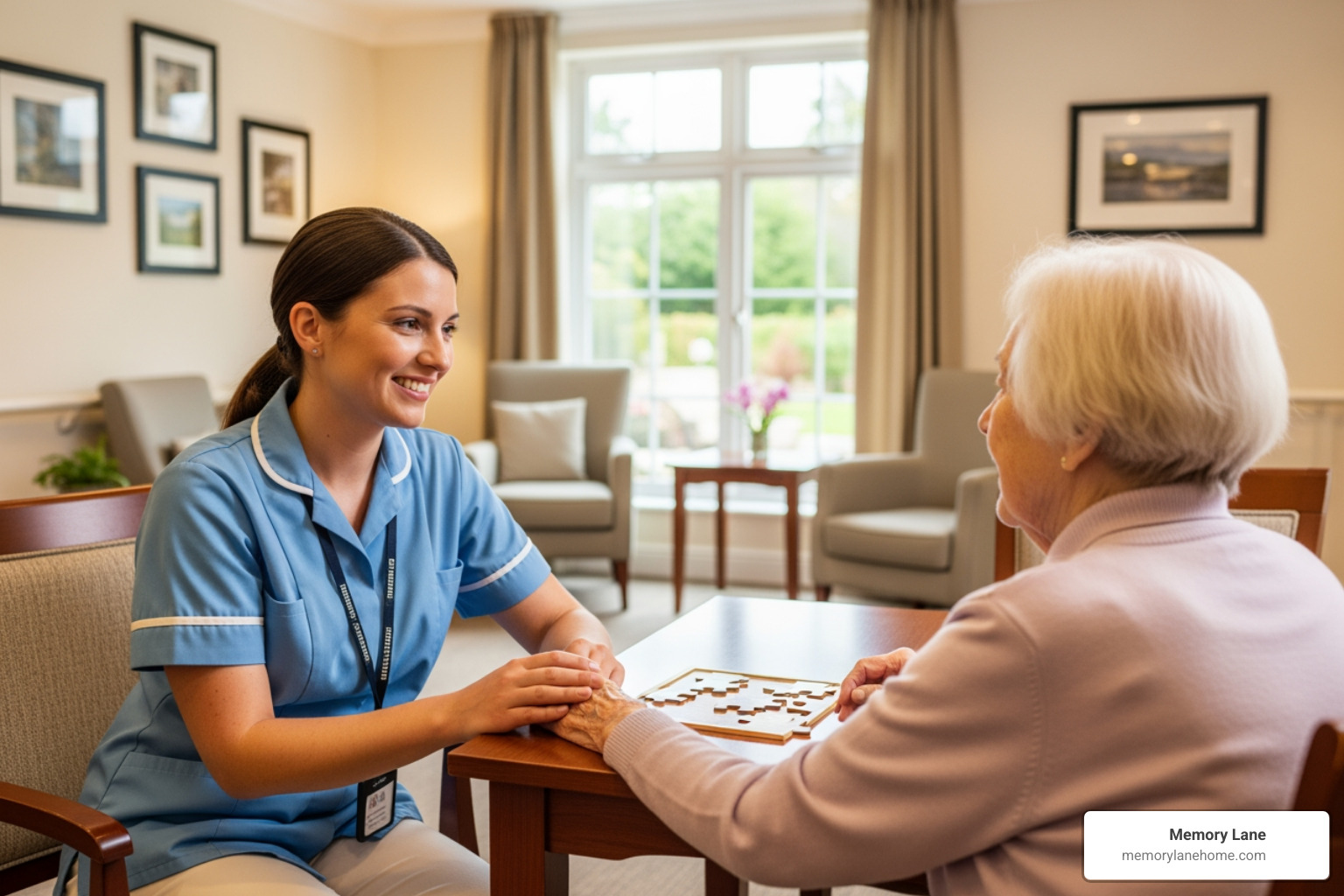
A secure memory care unit is defined by more than its locks; it’s defined by the warmth of its staff and the meaningful moments they create. At Memory Lane, we practice person-centered care, seeing the individual behind the diagnosis—the person who loved gardening or sang in the choir. Our 24/7 supervision provides not just security, but constant companionship and understanding. We build daily routines on consistency, which helps reduce the stress and confusion that often accompany dementia, making residents feel safer and more confident.
Specialized Staff Training and Compassionate Care
The caregivers at our secure memory care unit are highly trained professionals. Every team member receives dementia-specific training that goes beyond basic caregiving. They learn de-escalation techniques for agitation, behavioral management strategies, and empathic communication that honors the person. When your dad insists he needs to go to work, our staff knows how to respond with validation rather than correction. We also prioritize consistent staff assignments whenever possible. This means your loved one sees the same familiar faces, building relationships that transform care from a task into a connection, making residents feel truly known and valued.
A Day in the Life: Structured Routines and Activities
Life inside a secure memory care unit at Memory Lane follows a structured daily schedule that brings rhythm and predictability. This comforting framework helps residents feel grounded. Our therapeutic programs are designed to engage mind and spirit. Music therapy is especially powerful, often open uping memories when other communication is difficult. Art therapy offers another avenue for non-verbal expression.
Cognitive stimulation happens throughout the day with memory games, puzzles, and reminiscing. Physical activities like chair yoga or walking in our secured gardens help maintain mobility. Socialization is a key ingredient, whether it’s chatting over coffee or playing cards. Our nutritious meals are often served family-style, turning dining into a social event. Every activity has purposeful movement at its heart, creating opportunities for residents in Ann Arbor, Ypsilanti, or Saline, Michigan, to feel capable, engaged, and valued.
Choosing the Right Community: A Family’s Guide
Choosing a secure memory care unit is a deeply personal and important decision. You want the best care for your loved one and peace of mind for yourself. We encourage families to take their time and tour several facilities in person to get a genuine feel for the community. During your visit, pay close attention: How does the environment feel? Is it warm and inviting? How do staff interact with residents? Are they patient and engaged? How do the residents seem? Are they content and active? Also, notice the cleanliness, as it reflects the facility’s attention to detail.
What to Look For in a Secure Memory Care Unit
When you’re touring communities, dig deeper than surface impressions. Here’s what really matters when evaluating a secure memory care unit:
Staff-to-resident ratio is crucial, so ask about levels on all shifts. Lower ratios mean more personalized attention. The level of care provided should be truly individualized, with care plans custom to each resident’s needs and preferences. Communication with families should be transparent and consistent; find out how often you’ll receive updates.
Emergency protocols deserve special attention. Ask about procedures for medical emergencies, fires, and especially resident elopement. A well-prepared community will have detailed, practiced plans. For objective insight, ask to see recent licensing and inspection reports.
Look closely at the physical security features. Are all exits secured? Are outdoor spaces truly enclosed? The security should be comprehensive yet unobtrusive. The dementia-friendly design should also be apparent, with clear visual cues, good lighting, and a calming, home-like aesthetic.
Finally, ask about staff training in dementia care and observe the daily activities. Are they engaging and purposeful?
By asking these questions and trusting your instincts, you’ll get a clear sense of whether a community is the right fit. At Memory Lane, we welcome your questions. Finding the right secure memory care unit is about finding a place where your loved one will be safe, respected, and genuinely cared for.
Frequently Asked Questions about Secure Memory Care
As you explore care options, you likely have questions. This is a significant decision, and understanding the details can help you feel more confident. Here are answers to some of the most common questions we receive about secure memory care units.
What is the main difference between a regular memory care community and a secure one?
All memory care communities offer specialized programming and trained staff. The key distinction with a secure memory care unit is the heightened physical and technological safety measures to prevent wandering and elopement. A secure unit takes protection to the next level with features like keypad-controlled exits, alarm systems, and circular hallways that allow residents to walk freely within a safe boundary. These units are specifically for individuals in moderate to advanced stages of dementia who are at a higher risk of wandering. The improved security doesn’t just prevent leaving; it creates an environment where residents can move purposefully, which reduces anxiety.
Can my loved one still feel at home in a secure environment?
Yes, absolutely. A high-quality secure memory care unit should feel like home, not a locked institution. Great care is taken to create warm, residential environments with cozy common areas, comfortable furniture, and calming color schemes. Residents are encouraged to personalize their rooms with their own furnishings, photos, and cherished keepsakes. The goal is a nurturing atmosphere where your loved one feels a sense of belonging. When security features are thoughtfully integrated—like beautiful enclosed gardens or tasteful keypads—residents simply experience a welcoming, supportive space where they feel safe and at home.
How much more does a secure memory care unit cost?
A secure memory care unit typically costs more than standard assisted living or even regular memory care—often 20-30% more. Nationally, memory care averages about $5,625 per month, with secure units potentially being higher. This increased investment covers three main factors: increased staffing levels for constant supervision, specialized training for caregivers in dementia care, and the advanced security infrastructure (locking systems, monitoring technology, and intentional design). While the cost is higher, many families find the peace of mind and prevention of emergencies make it a worthwhile investment in safety and quality of life. We encourage you to discuss specific costs during your tour.
Conclusion: Finding a Safe Haven and Peace of Mind
Choosing specialized care is an emotionally challenging decision, but a secure memory care unit can transform worry into peace of mind for families of those with dementia. These communities offer an invaluable safe haven where your loved one is protected from wandering while living with dignity. Thoughtful layouts, safety technology, and compassionate, dementia-trained staff work together to improve quality of life.
For residents, this means freedom within safety. For families, it means you can shift from being an exhausted caregiver to being a daughter, son, or spouse again, focusing on quality time instead of constant worry.
We understand this journey isn’t easy. At Memory Lane, we’re committed to making this transition smooth, providing not just a secure unit, but a true home. Our communities in Ann Arbor, Ypsilanti, and Saline, Michigan, are built on personalized care and unwavering dedication to safety. We invite you to visit and see the difference a nurturing environment can make.
Learn more about our secure memory care options in Ann Arbor
You don’t have to make this decision alone. We’re here to help every step of the way.