This post is for informational purposes only. It is not a substitute for professional medical, legal, or financial advice. Families making care decisions should consult with qualified healthcare providers and elder law attorneys.
When a parent or spouse receives an Alzheimer's or dementia diagnosis, and the question of residential care starts to take shape, Ypsilanti families have a meaningful advantage: proximity to one of the most resource-dense healthcare corridors in Michigan, and access to Memory Lane Assisted Living's dedicated memory care homes at 8064 Carpenter Road. What those families often don't know — until they start visiting facilities — is how dramatically different residential memory care homes are from the large assisted living and nursing home campuses they may be comparing them against. This guide is written to give families a clear, honest picture of what memory care in Ypsilanti actually looks like, what the transition process involves, and what questions separate the right choice from the merely available one.
Who Memory Care in Ypsilanti Is For
Memory care is designed specifically for people living with Alzheimer's disease, vascular dementia, Lewy body dementia, frontotemporal dementia, and other forms of cognitive impairment that affect daily functioning, safety, and social engagement. Standard assisted living — designed for older adults who need help with bathing, dressing, and medication management but are largely cognitively intact — does not provide the structured environment, specialized programming, or secured design that dementia residents require.
The practical threshold for residential memory care in Ypsilanti is generally reached when one or more of the following is true: the person with dementia can no longer be safely left alone for any meaningful period; there are incidents of wandering or attempts to leave the home unsafely; caregiving demands have begun to compromise the health and functioning of the family caregiver; or behavioral symptoms — sundowning, agitation, confusion, sleep reversal — are beyond what home-based strategies can manage.
According to the Alzheimer's Association 2024 Facts and Figures report, approximately 11 million Americans provide unpaid care to people with Alzheimer's or other dementias, and nearly 60 percent of dementia caregivers report high or very high emotional stress. The transition to residential care is rarely made too early — the far more common pattern is that families wait through a prolonged difficult period at home before making the decision.
What Makes Residential AFC Memory Care Different From a Large Facility
Michigan licenses two primary residential settings for dementia care: Adult Foster Care (AFC) homes, which serve up to six residents in a true home environment, and larger assisted living and memory care communities, which can serve dozens to hundreds of residents in a dedicated unit or building.
The AFC home model — which Memory Lane uses — is fundamentally different from the larger institutional approach, and that difference is often the decisive factor for Ypsilanti families. In an AFC home:
- The physical environment is a real home. Bedrooms, a shared kitchen, a living space, a dining table — not a ward, not corridors with numbered doors. For residents with dementia, familiarity and a non-institutional setting reduce confusion, anxiety, and behavioral distress. The home cues a sense of normalcy that larger facilities cannot replicate.
- Staff-to-resident ratios are higher. Memory Lane's Ypsilanti homes operate at a 1:3 daytime caregiver-to-resident ratio. In a large memory care unit with 20 to 30 residents, a 1:8 or 1:10 ratio is common during daytime hours. The difference is significant for how quickly a resident's needs are identified and addressed, for the quality of person-centered engagement, and for safety outcomes.
- Staff know every resident deeply. In a six-person home, every caregiver knows every resident's biography, preferences, behavioral patterns, and care plan. That's different from a large unit where floated or rotating staff may be interacting with residents they have met only a handful of times.
Dr. Sheryl Zimmerman, PhD, FGSA — a leading dementia care researcher at the University of North Carolina at Chapel Hill and editor of the journal The Gerontologist — has documented in peer-reviewed research that small-home and household models of care for people with dementia are consistently associated with better quality-of-life outcomes, lower rates of antipsychotic medication use, and higher family satisfaction compared to traditional nursing home and large assisted living models. Her published findings are available through the Gerontological Society of America.
Memory Lane's Ypsilanti Location: What Families Need to Know
Memory Lane Assisted Living operates three six-bedroom AFC homes on Carpenter Road in Ypsilanti. These are not units within a larger facility — each is a free-standing home on its own site, providing the residential character that makes this model effective for dementia residents. The Ypsilanti homes are fully licensed by the Michigan Department of Licensing and Regulatory Affairs (LARA) under the Adult Foster Care Facility Licensing Act.
Key facts about the Ypsilanti location:
- All-dementia care: Every resident at Memory Lane has a diagnosis of Alzheimer's disease or another form of dementia. This is not a general assisted living setting where dementia residents live alongside cognitively intact residents — the programming, the environment, and the staffing approach are designed entirely around dementia care.
- All-inclusive pricing: Room and board, three meals plus snacks, all personal care, medication management, and activities are included in the monthly rate — no tiered pricing based on care level, no à la carte add-ons that inflate the actual cost of residency.
- Nurse-led care: The Ypsilanti homes operate under nurse leadership. Care plans are developed with clinical input, and residents' medical needs are coordinated with their primary care physicians and specialists. Transportation to medical appointments is arranged through the care team.
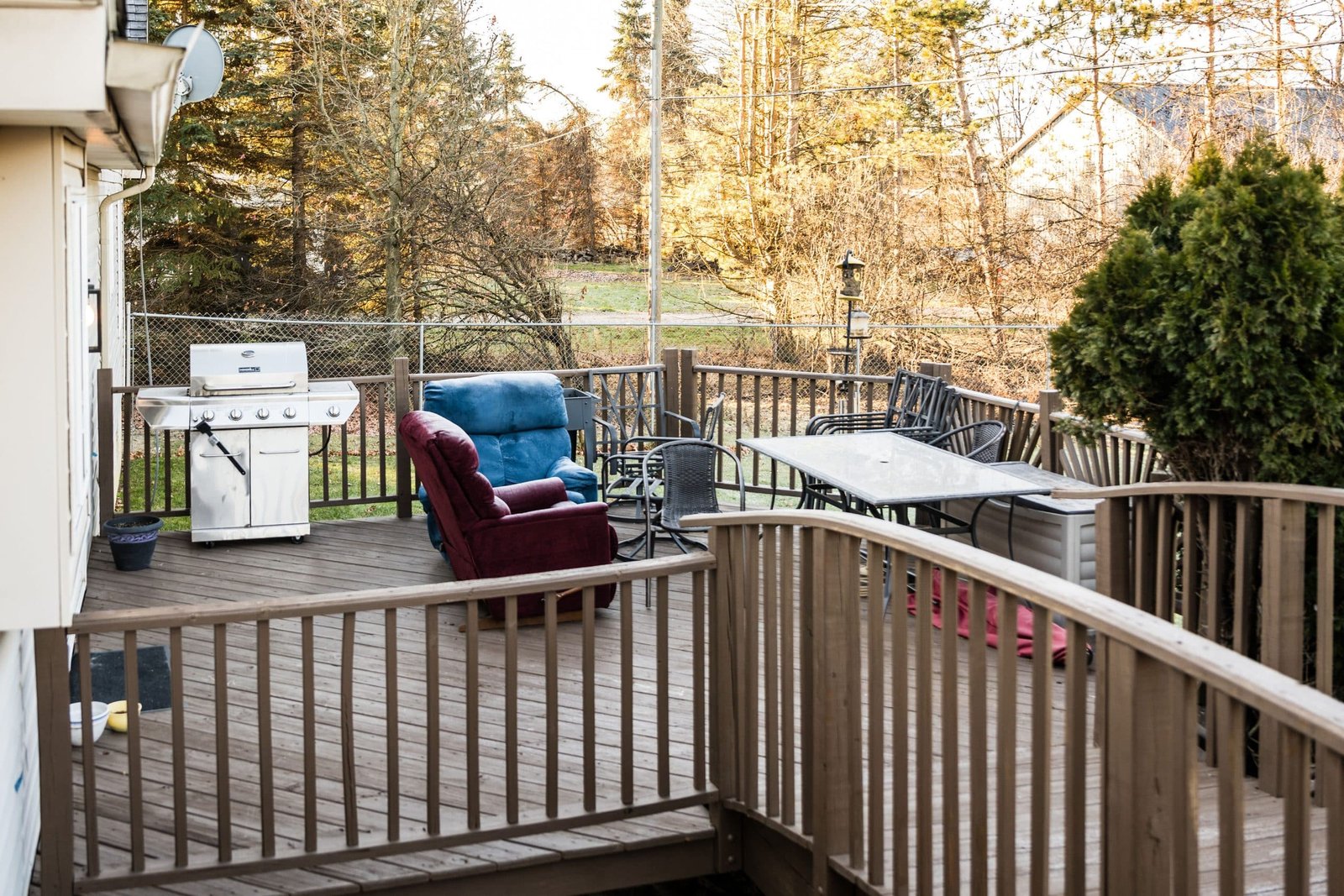
- Secure environment: All entrances and exits are secured to prevent elopement. The physical design prioritizes both safety and freedom of movement within the home — residents have access to common areas and, where appropriate, a secured outdoor space without requiring staff supervision for every movement.
What the Transition Process Actually Looks Like
The most common fear families bring to an initial Memory Lane consultation is that their loved one will resist the move, or that the transition will be more disruptive than staying home. Both are understandable concerns, and both deserve an honest answer: transitions to memory care do involve an adjustment period, typically two to six weeks, during which the new resident is learning a new environment and routine. That adjustment is easier in a home setting — familiar scale, smaller group, consistent caregivers — than in a large institutional environment.
What families typically report in retrospect is that the transition was harder emotionally for them than for their loved one, and that within the first month, they noticed measurable changes: better sleep, more engagement, fewer behavioral episodes, and — for the first time in months or years — their own ability to be a family member again rather than a 24-hour caregiver.
The intake process at Memory Lane begins with a conversation about your loved one's history, diagnosis, current behavioral patterns, and care needs. This is not a sales call — the goal is to determine whether Memory Lane is the right fit. If a different level of care or a different setting is more appropriate, we will say so and try to help identify better options.
Connecting With Memory Lane in Ypsilanti
If you are beginning to explore memory care options for a parent, spouse, or other family member living in the Ypsilanti area — or relocating a loved one to be closer to you in Washtenaw County — we encourage you to schedule a visit to the Carpenter Road homes. Seeing the environment, meeting the staff, and getting your questions answered in person tells you far more than any website can.
Call Memory Lane at (734) 849-4220 or reach out through our contact page to schedule a consultation or tour. You can also visit our Ypsilanti location page for more details on the homes, services, and current availability.
Frequently Asked Questions
Is Memory Lane in Ypsilanti licensed by the state of Michigan?
Yes. The Ypsilanti homes are licensed as Adult Foster Care (AFC) homes by the Michigan Department of Licensing and Regulatory Affairs (LARA) under the Adult Foster Care Facility Licensing Act (Public Act 218 of 1979). LARA conducts unannounced inspections of AFC homes and maintains public records of licensing status. You can verify our licensing directly through LARA's online lookup tool.
Does Memory Lane accept Medicaid at the Ypsilanti location?
Memory Lane is a private-pay facility. We do not currently participate in Medicaid programs for residential care. Families who are exploring Medicaid-funded residential care options should contact Washtenaw County's Community Mental Health agency to ask about the MI Choice Waiver program, which funds some in-home care services for qualifying individuals. An elder law attorney can help families understand asset protection strategies and Medicaid eligibility planning for long-term care costs.
What types of dementia do you care for at the Ypsilanti location?
We provide care for residents with Alzheimer's disease, vascular dementia, Lewy body dementia, frontotemporal dementia (FTD), and mixed dementia presentations. Our staff are trained in the behavioral and care differences across dementia subtypes. We do not serve residents whose primary needs are psychiatric (rather than dementia-related) or who require skilled nursing interventions that exceed AFC licensing scope.
How do I know if a loved one is ready for memory care?
Common indicators include: unable to be left safely alone for any significant period; wandering or elopement attempts; caregiver burnout or health decline in the family member providing care; behavioral symptoms (sundowning, agitation, sleep reversal) that home-based strategies can no longer manage; or falls or safety incidents that reflect declining awareness of the environment. Most families wait longer than they should — the transition is almost always smoother when it happens before a crisis.
Can we visit the Ypsilanti homes before making a decision?
Yes, and we encourage it. Call us at (734) 849-4220 to schedule a tour. We recommend visiting at different times of day to get a sense of the rhythm of the home, meeting the caregivers who would be working with your loved one, and asking whatever questions matter most to your family. We welcome multiple visits before any decision is made.