Explore Local Memory Care Facilities for Alzheimer’s Support
Top Alzheimer’s Care Facilities in Your Neighborhood: Find Trusted Memory Care Near You
Selecting the right memory care facility can transform daily life for seniors with Alzheimer’s and relieve families of constant safety concerns. Memory care facilities in my area offer tailored environments that combine 24/7 supervision, cognitive stimulation, and personalized support. This guide explains what memory care entails, when it’s essential, and how it differs from assisted living. You’ll discover why Memory Lane Home’s six-bedroom residences and high caregiver-to-resident ratio set a new standard, explore Michigan’s cost and funding options, review comprehensive services, learn decision-making criteria, understand local advantages in Ypsilanti and Ann Arbor, and examine the latest industry trends and standards.
What Is Memory Care and Why Is It Essential for Alzheimer’s Patients?
Memory care is a specialized residential service designed for individuals with Alzheimer’s disease and other forms of dementia, offering structured routines, therapeutic activities, and secure environments to preserve cognitive function and safety. By combining tailored cognitive stimulation, medication management, and expert dementia training, memory care facilities reduce wandering risk, manage challenging behaviors, and support daily living. Understanding this level of care establishes the foundation for identifying when and where to seek specialized support.
What Are Alzheimer’s Disease and Dementia?
Alzheimer’s disease is a progressive neurodegenerative condition characterized by amyloid plaques and tau tangles that disrupt neural connections and impair memory, while dementia describes the broader decline in cognitive abilities affecting memory, reasoning, and communication. Recognizing that Alzheimer’s underlies most dementia cases clarifies why dedicated memory care environments with trained staff and specialized therapies are essential for maintaining resident safety and quality of life.
As cognitive decline advances, families often face decisions about professional support, prompting questions about timing and appropriate care models.
When Should Families Consider Memory Care for a Loved One?
Families should consider memory care when they notice safety risks, such as repeated wandering, difficulty with personal hygiene, or escalating confusion that cannot be managed at home. Early admission allows professionals to implement routine-based interventions before crises occur, preserving independence and reducing caregiver stress.
Key indicators include:
- Frequent misplacement of items and disorientation in familiar settings
- Inability to complete basic tasks like dressing or meal preparation
- Wandering or exit-seeking behaviors that compromise safety
- Sudden mood swings, paranoia, or aggression
- Rapid weight changes or medication mismanagement
Identifying these signs promptly enables families to transition to a secure, therapeutic setting that supports evolving needs and preserves dignity.
How Does Memory Care Differ from Assisted Living?
Memory care specializes in cognitive impairment, whereas assisted living addresses general aging support without dementia-focused programming. Memory care staff receive specialized dementia training and maintain secure, monitored environments to prevent wandering. Assisted living offers help with activities of daily living, but typically lacks dedicated cognitive therapies or locked units designed for memory loss.
| Entity | Assisted Living | Memory Care |
|---|---|---|
| Core Focus | General assistance with daily tasks | Dementia-specific cognitive support |
| Staff Training | Basic caregiving certification | Dementia care specialist credentials |
| Environment | Open floor plans | Secure units with monitored access |
| Therapeutic Activities | Social and recreational activities | Tailored cognitive stimulation and validation |
| Supervision Level | Scheduled check-ins | 24/7 oversight and specialized intervention |
Memory Care vs. Assisted Living
Memory care facilities provide specialized support for individuals with Alzheimer’s and other dementias, offering structured routines, therapeutic activities, and secure environments. Assisted living facilities, on the other hand, focus on general aging support without dementia-specific programming. Memory care staff receive specialized dementia training and maintain secure, monitored environments to prevent wandering.
This distinction highlights the specialized approach of memory care, which is crucial for individuals with Alzheimer’s disease.
This distinction underlines why Alzheimer’s patients benefit most from memory care’s targeted approach, seamlessly leading into why Memory Lane Home’s model stands out.
What Makes Memory Lane Home Unique Among Alzheimer’s Care Facilities?
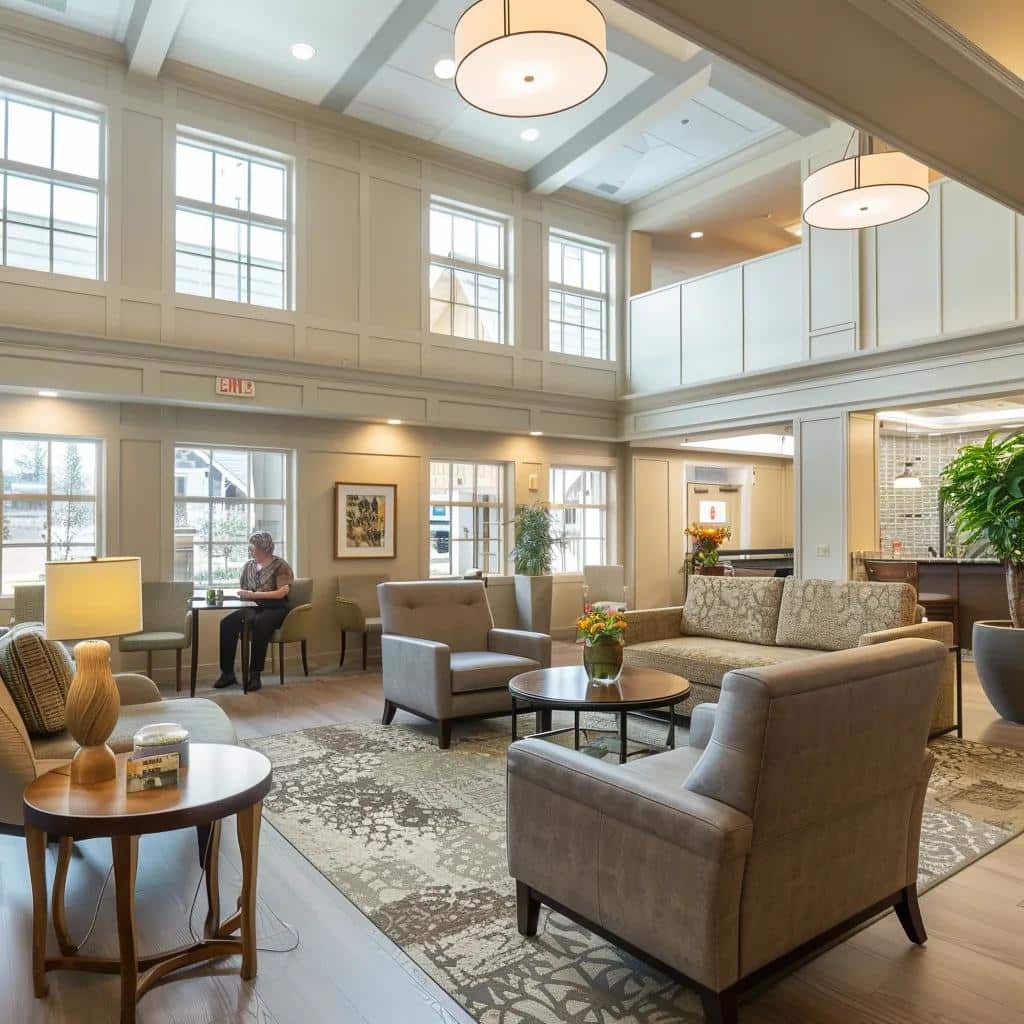
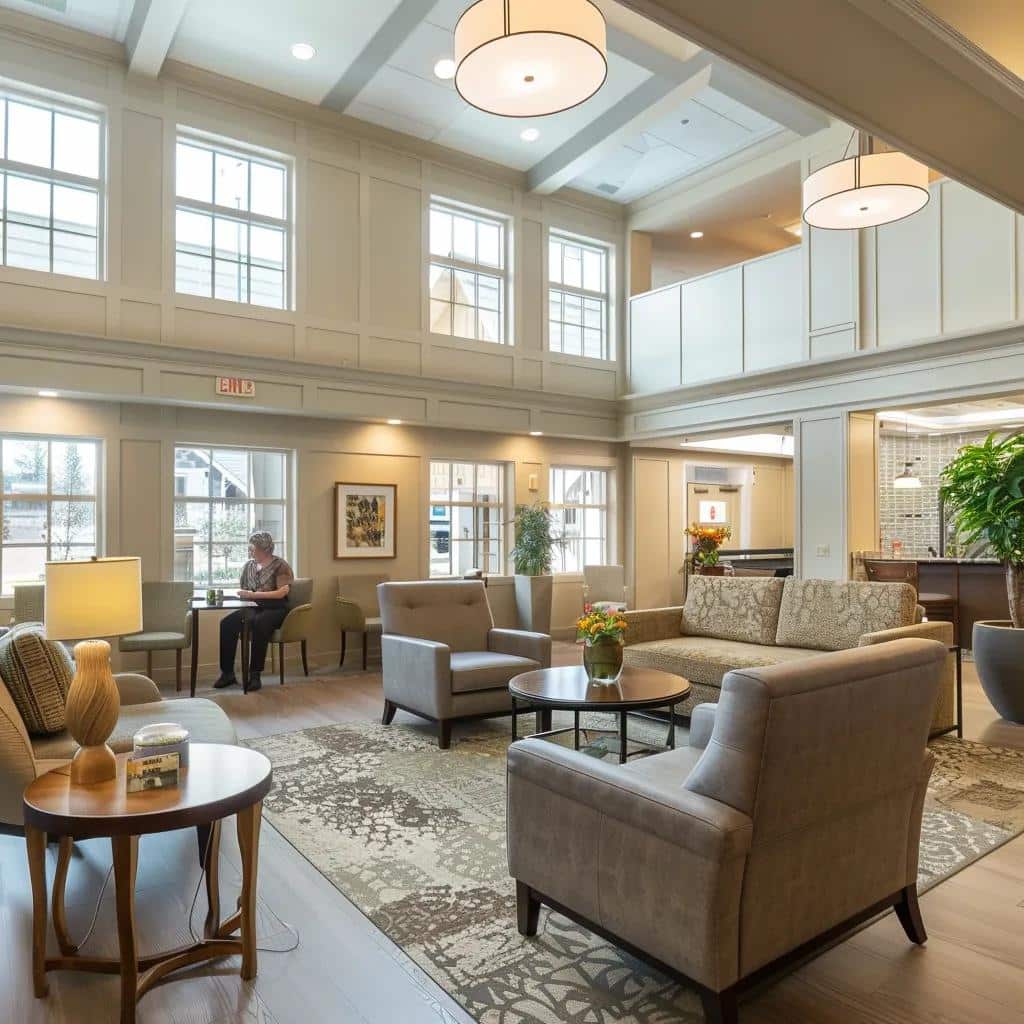
Memory Lane Home offers a home-like environment within six-bedroom private residences, combining the comforts of a ranch-style house with professional memory care support. This small-scale model promotes familiar routines, peer connections, and consistent staffing, creating a sense of belonging that traditional facilities often lack. By integrating personalized care plans and community engagement, Memory Lane Home addresses both safety and emotional needs.
How Does Our Home-Like Environment Benefit Residents?
Creating a residential atmosphere where familiar décor, communal living spaces, and personalized décor evoke comfort, Memory Lane Home reduces anxiety and promotes social engagement. Residents experience:
- Familiar Layouts – Ranch-style floor plans minimize confusion and support orientation
- Personalized Rooms – Family photos and treasured items reinforce identity
- Communal Kitchens – Shared meal preparation fosters independence and social bonds
This home-like setting eases transitions from traditional living, encouraging participation in daily routines and laying the groundwork for consistent therapeutic engagement.
What Is the Importance of a High Caregiver-to-Resident Ratio?
Maintaining a 1:5 daytime caregiver-to-resident ratio and 1:8 at night ensures prompt attention and meaningful interactions that lower agitation and boost emotional wellbeing.
| Entity | Memory Lane Home Ratio | Industry Standard |
|---|---|---|
| Daytime Caregiver-to-Resident | 1 : 5 | 1 : 7–1:10 |
| Nighttime Caregiver-to-Resident | 1 : 8 | 1 : 12–1:15 |
This high staffing level enables immediate response to behavior changes, personalized engagement, and consistent support, directly improving safety and quality of life for residents.
How Do Personalized Dementia Care Programs Improve Resident Wellbeing?
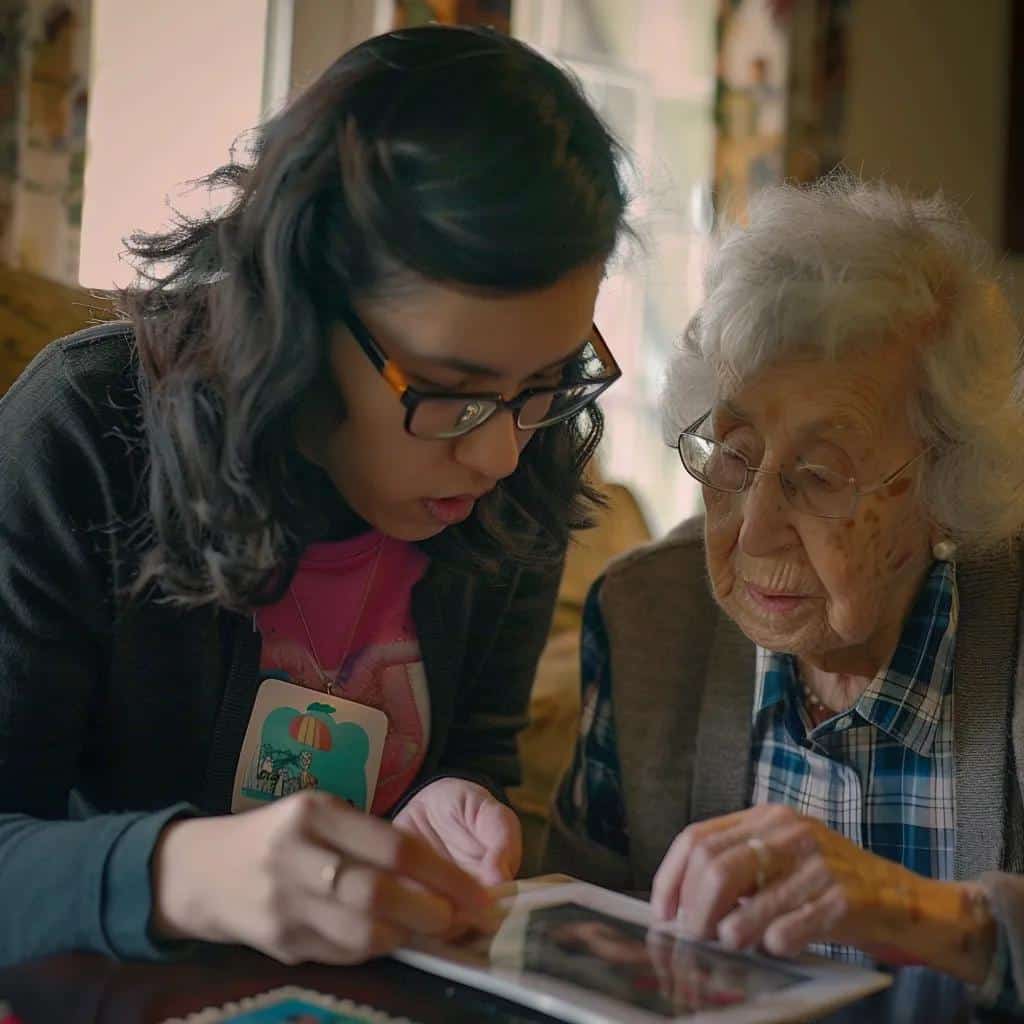
Personalized dementia care programs at Memory Lane Home begin with comprehensive assessments of cognitive, physical, and social needs. Care plans integrate:
- Cognitive Stimulation Therapy – Structured activities tailored to resident preferences
- Life History Engagement – Reminiscence sessions based on personal background
- Adaptive Physical Exercises – Mobility routines that reduce fall risk
By aligning interventions with each resident’s unique profile, these programs enhance mood, preserve remaining skills, and foster a sense of accomplishment that carries forward into daily living.
How Much Does Memory Care Cost in Michigan and What Funding Options Are Available?
Understanding average costs and funding sources empowers families to plan financially and access needed support. Memory care rates vary based on location, level of service, and amenities, with Ypsilanti and Ann Arbor reflecting Michigan’s mid-range pricing. Transparent cost information helps families compare options and secure appropriate funding.
What Are the Average Memory Care Costs in Ypsilanti and Ann Arbor?
| Entity | Average Monthly Cost |
|---|---|
| Ypsilanti | $5,600 |
| Ann Arbor | $6,200 |
Cost of Memory Care in Michigan
Memory care costs vary based on location, level of service, and amenities. In Michigan, the average monthly cost for memory care in Ypsilanti is $5,600, and in Ann Arbor it is $6,200. These figures encompass personalized care plans, meals, housekeeping, and structured activities.
Understanding these costs is essential for families planning for memory care and making informed financial decisions.
These figures encompass personalized care plans, meals, housekeeping, and structured activities, guiding families to budget effectively before touring facilities.
Does Medicaid Cover Memory Care Services in Michigan?
Medicaid in Michigan covers medical services for dementia care but typically excludes room and board in assisted living or private memory care settings. Eligibility requires:
- Approval through the MI Choice Waiver or Medicaid nursing facility program
- Demonstration of financial need and clinical assessment confirming nursing-level care
While Medicaid may fund therapy and nursing services, families should plan for private pay to cover accommodation and daily living support.
What Other Payment Options Support Memory Care?
Families can access multiple funding sources to manage memory care expenses:
- Private Pay – Direct payments for room, board, and care services
- Long-Term Care Insurance – Policies that reimburse qualified memory care costs
- Veterans Benefits – Aid and Attendance pension for eligible veterans and spouses
- Life Settlements – Selling a life insurance policy to generate cash
By combining resources, families create sustainable financial plans that align with each resident’s care requirements.
What Comprehensive Services Do Alzheimer’s Care Facilities Provide?
Memory care facilities deliver a broad spectrum of services designed to support every aspect of a resident’s wellbeing. From medical oversight to engaging activities, these offerings form an integrated support system that addresses cognitive, physical, and emotional needs.
Which Core Services Support Residents with Dementia?
Each facility typically provides:
- Personalized care plans based on assessments
- Professional medication management with regular review
- Nutritionally balanced meals tailored to dietary needs
- On-site therapy sessions, including physical and occupational therapy
These core services ensure continuity of care and reduce hospitalization risk by proactively managing health and daily living tasks.
How Do Daily Activities and Secure Environments Enhance Quality of Life?
Daily activities structured around cognitive and social engagement reduce isolation and maintain routine. Secure environments prevent wandering and allow freedom within safe boundaries. Examples include:
- Art and music therapy that stimulate memory recall
- Gardening sessions that encourage fine motor skills
- Life skills workshops to reinforce daily living patterns
This combination of meaningful activity and safety measures fosters a sense of purpose and lowers anxiety, seamlessly transitioning into available caregiver breaks.
What Respite Care Options Are Available for Family Caregivers?
Respite care provides temporary relief for family caregivers through short-term stays or day programs. Options may include:
- Weekend Stays – Full-service residential care for up to 72 hours
- Day Programs – Supervised activities from morning to evening
- Emergency Respite – Immediate placement during unexpected crises
Respite services give families time to rest and handle personal obligations, supporting long-term caregiver wellbeing.
How to Choose the Right Memory Care Facility for Your Loved One?
Selecting the ideal facility involves structured evaluation to ensure alignment with resident needs, family expectations, and budget. A methodical approach reduces uncertainty and secures optimal care.
What Key Questions Should Families Ask During Facility Tours?
Families should inquire about:
- Staff certifications and caregiver-to-resident ratios
- Daily routines, therapeutic activities, and menu planning
- Emergency protocols and medical oversight processes
- Pricing structure, contract terms, and included services
These questions reveal operational standards and help families compare options effectively.
How Can Reviews and Testimonials Inform Your Choice?
Reading resident and family testimonials highlights real-world experiences with care quality, staff responsiveness, and community atmosphere. Look for:
- Consistent praise for personalized attention
- Feedback on communication transparency
- Stories of improved mood, engagement, and safety
Authentic reviews serve as social proof that a facility delivers on its promises and aligns with family values.
What Local Amenities and Medical Facilities Support Memory Care Residents?
Proximity to hospitals, outpatient clinics, and specialty practices ensures timely medical attention. In Ypsilanti and Ann Arbor, key amenities include:
- University of Michigan Health System
- Local senior centers and community programs
- Accessible parks and transportation services
These community assets enhance resident wellbeing and provide families with confidence in comprehensive support.
What Are the Benefits of Memory Care Facilities in Ypsilanti and Ann Arbor, MI?
Ypsilanti and Ann Arbor combine small-town community warmth with access to world-class medical resources, creating an ideal environment for Alzheimer’s care. Local facilities benefit from partnerships, accessible services, and familiar neighborhoods that enrich daily life.
How Does Memory Lane Home Serve the Ypsilanti and Ann Arbor Communities?

Memory Lane Home anchors itself in local neighborhoods, offering:
- Culturally tailored programming in collaboration with community centers
- Transportation to medical appointments and social events
- Partnerships with local schools for intergenerational activities
This community-integrated approach fosters belonging and ensures residents remain connected to the places they cherish.
What Transportation and Accessibility Features Support Residents?
Safe, wheelchair-accessible vehicles enable regular off-site excursions to parks, libraries, and family gatherings. On-site modifications include:
- Wide hallways and handrails for safe ambulation
- Sensor-triggered lighting to reduce fall risk
- Emergency call systems in every room
Reliable transportation and thoughtful design maintain independence and enrich daily experiences.
How Do Local Partnerships Enhance Dementia Care Quality?
Collaborations with Alzheimer’s Association chapters, University of Michigan geriatric specialists, and area therapists bring cutting-edge therapies and staff training to Memory Lane Home. These alliances enable:
- Access to clinical trials and evidence-based interventions
- Ongoing staff education in dementia best practices
- Community-wide support networks for families
Local partnerships elevate care standards and provide residents with innovative, research-driven services.
What Are the Latest Trends and Statistics in Memory Care for Alzheimer’s Patients?
The memory care sector is evolving rapidly due to demographic shifts, research breakthroughs, and rising demand for specialized services. Staying informed helps families and professionals anticipate changes in care models and standards.
How Has Memory Care Growth Impacted Senior Housing?
Memory care has grown by 84% from 2013 to 2023, outpacing other senior living segments. This expansion reflects increased recognition of dementia care needs and encourages facility innovation, leading directly into staffing and care model improvements.
What Are Current Caregiver-to-Resident Ratio Standards?
Industry benchmarks range from 1:5 to 1:6 during daytime hours, with higher ratios at night. Memory Lane Home’s 1:5 daytime ratio aligns with the most rigorous standards, ensuring consistent oversight and personalized engagement that surpass conventional models.
How Do Advances in Dementia Care Improve Resident Outcomes?
Innovations such as virtual reality reminiscence therapy, wearable monitoring devices, and personalized music interventions have demonstrated measurable improvements in mood and cognitive engagement. These advances underscore the field’s commitment to elevating quality of life and drive ongoing enhancements in facility programming.
Memory care facilities close to home can transform daily well-being for Alzheimer’s patients and provide families with peace of mind. By understanding memory care essentials, evaluating costs and funding, and applying clear selection criteria, families can secure compassionate support tailored to their loved ones’ needs. Memory Lane Home’s unique home-like residences, high staffing ratios, and strong community partnerships set a new standard in Ypsilanti and Ann Arbor. As memory care continues to evolve, choosing a facility with proven expertise and innovative programs ensures residents receive the best possible care now and into the future.
Frequently Asked Questions
What should families look for in a memory care facility?
When evaluating memory care facilities, families should consider several key factors. Look for a facility that offers a secure environment with trained staff specializing in dementia care. Assess the caregiver-to-resident ratio, as higher ratios often lead to better personalized attention. Additionally, inquire about the types of activities and therapies provided, as these can significantly impact residents’ quality of life. Finally, consider the facility’s location, amenities, and community involvement, which can enhance the overall experience for residents and their families.
How can families prepare for the transition to memory care?
Preparing for the transition to memory care involves several steps. First, have open discussions with your loved one about the move, addressing their concerns and emphasizing the benefits of specialized care. Visit potential facilities together to help them feel more comfortable with the new environment. Additionally, gather important medical records and personal belongings that can make the transition smoother. Finally, establish a routine for visiting and staying connected, as maintaining family ties is crucial for emotional support during this change.
What role do family members play in memory care?
Family members play a vital role in the memory care process. They can provide emotional support, help maintain a sense of identity, and engage in meaningful activities with their loved ones. Regular visits can enhance the resident’s mood and cognitive engagement. Families should also communicate with care staff to stay informed about their loved one’s progress and any changes in care plans. Involvement in care decisions and advocacy for their loved one’s needs can significantly improve the overall experience in memory care facilities.
Are there specific therapies used in memory care facilities?
Yes, memory care facilities often employ various therapies tailored to the needs of residents with dementia. Common therapies include cognitive stimulation therapy, which involves engaging activities designed to enhance memory and cognitive function. Reminiscence therapy encourages residents to share personal stories and memories, fostering connections and emotional well-being. Additionally, art and music therapy can stimulate creativity and improve mood. These therapeutic approaches are essential for maintaining cognitive abilities and enhancing the quality of life for individuals with Alzheimer’s and other dementias.
How can families assess the quality of care in a memory care facility?
Families can assess the quality of care in a memory care facility through several methods. Start by observing the interactions between staff and residents during visits; attentive and compassionate care is a positive sign. Request information about staff training and certifications, as well as the facility’s caregiver-to-resident ratio. Reading reviews and testimonials from current and former residents’ families can provide insights into the facility’s reputation. Additionally, inquire about the facility’s policies on safety, health monitoring, and emergency protocols to ensure comprehensive care standards are met.
What are the benefits of intergenerational activities in memory care?
Intergenerational activities in memory care facilities offer numerous benefits for residents. These programs foster social connections and reduce feelings of isolation by engaging residents with younger generations, such as children or students. Such interactions can stimulate cognitive function and evoke positive memories, enhancing emotional well-being. Additionally, intergenerational activities promote a sense of purpose and belonging, as residents share their experiences and wisdom. This dynamic exchange enriches the community atmosphere and can lead to improved mental health outcomes for individuals with Alzheimer’s and other forms of dementia.
Conclusion
Choosing the right memory care facility can significantly enhance the quality of life for individuals with Alzheimer’s, providing tailored support and a secure environment. Memory Lane Home stands out with its high caregiver-to-resident ratio and personalized care plans, ensuring residents receive the attention they deserve. By understanding the unique benefits of specialized memory care, families can make informed decisions that prioritize their loved ones’ wellbeing. Explore our offerings today to find the perfect fit for your family’s needs.