Discover Top Benefits of Alzheimer’s Support Groups Near Me
Top Benefits of Alzheimer’s Support Groups for Caregivers: Emotional Support, Practical Help, and Local Resources
Alzheimer’s caregivers often face overwhelming stress, isolation, and uncertainty when managing a loved one’s daily needs and progressive memory loss. Joining an Alzheimer’s support group provides a structured space for emotional relief, practical guidance, community connections, and local resource discovery—including how to find Alzheimer’s support groups near me in Ypsilanti and Ann Arbor.
This article explores seven key themes:
- The emotional benefits of peer support
- Practical coping strategies and expert advice
- Types of groups and access methods
- Well-being and resilience improvements
- How Memory Lane Assisted Living complements group resources
- Common caregiver questions answered
- The essential role of support networks
By weaving in Memory Lane Assisted Living’s family-centric memory care approach, you’ll learn how professional services and shared experiences combine to sustain caregiver health and enrich quality of life.
What Are the Key Emotional Benefits of Alzheimer’s Support Groups for Caregivers?
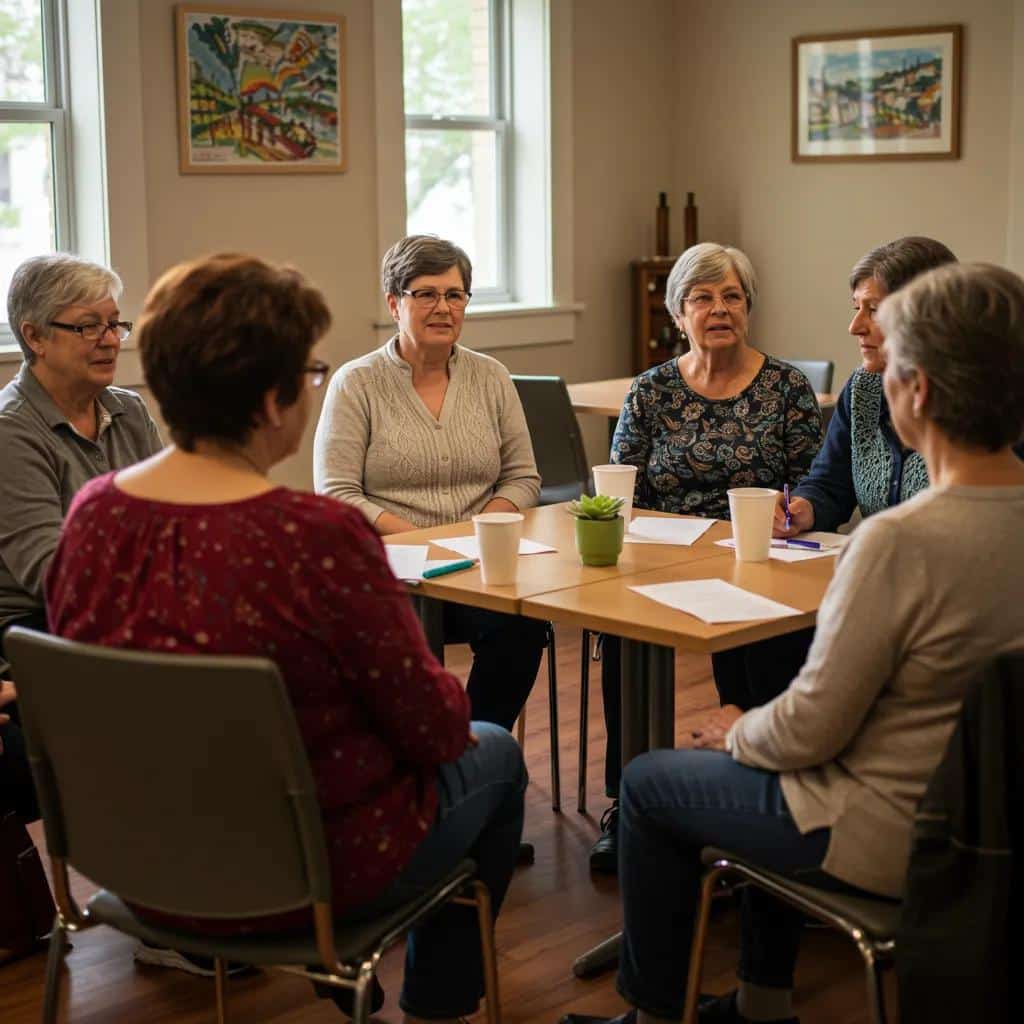
Alzheimer’s support groups have emerged as a crucial lifeline for caregivers, providing not just practical assistance but also significant emotional benefits. For those navigating the complex and often overwhelming journey of caring for a loved one with Alzheimer’s disease, these groups offer a safe and understanding environment where shared experiences can foster connection. Caregivers often grapple with feelings of isolation, frustration, and sadness; support groups help alleviate these emotions by bringing together individuals who understand the unique challenges one faces. In such spaces, caregivers can share their stories, receive validation, and recognize that they are not alone in their struggles, which can greatly enhance their emotional resilience.
Beyond the sense of community, these support groups also empower caregivers by providing coping strategies and emotional tools to better manage stress. Engaging with others who face similar experiences allows caregivers to learn from one another, gaining insights that can lighten their emotional burden. The structure of support groups often encourages open dialogues about grief, loss, and the guilt that may accompany caregiving, enabling participants to process their feelings constructively. Ultimately, these emotional benefits not only enhance the caregivers’ well-being but also positively impact their ability to care for their loved ones, creating a healthier dynamic that fosters patience and understanding in their caregiving role.
Alzheimer’s support groups offer emotional nourishment by addressing stress, grief, validation, and belonging through shared experiences and professional guidance. Caregivers experience profound relief when they recognize that their concerns—ranging from frustration over daily tasks to sadness at memory decline—are neither unusual nor isolating.
Key emotional benefits include:
- Stress Relief: Sharing burdens reduces cortisol levels and cultivates coping confidence.
- Validation: Hearing similar stories affirms feelings and normalizes responses.
- Connection: Building friendships counters loneliness and fosters mutual encouragement.
- Hope Renewal: Learning success stories inspires perseverance despite challenges.
These emotional gains set the stage for exploring how practical strategies further empower caregivers.
Research indicates that interventions tailored for caregivers can significantly reduce their burden and stress.
Caregiver Burden and Psychoeducational Interventions in Alzheimer’s Disease
This review examines the efficacy of interventions designed for caregivers of individuals with Alzheimer’s disease and related disorders. It addresses key areas including caregiver burden, psychoeducational interventions, skills training, stress management, and problem-solving strategies. The review underscores that interventions specifically tailored to the caregiver demonstrate particular effectiveness in mitigating caregiver burden and warrant consideration.
Caregiver burden and psychoeducational interventions in Alzheimer’s disease: a review, J Weinman, 2012
How Do Support Groups Reduce Caregiver Stress and Burnout?

Support groups reduce caregiver stress and burnout by providing a safe forum to express frustrations, learn relaxation techniques, and receive peer-verified coping methods. Facilitators often introduce breathing exercises and time-management tools that ease emotional load and prevent exhaustion.
In What Ways Do Support Groups Help Caregivers Overcome Isolation?
Support groups help caregivers overcome isolation by connecting them with individuals who truly understand the daily demands of dementia care. Regular meetings—whether in community centers or virtual platforms—create lasting social bonds that replace loneliness with camaraderie and shared purpose.
How Do Shared Experiences Provide Validation and Comfort?
Shared experiences provide validation and comfort by offering tangible examples of adaptive behaviors and positive outcomes. Listening to others who managed mealtime struggles or agitation episodes reassures caregivers that solutions exist and that their efforts are meaningful.
How Do Alzheimer’s Support Groups Provide Practical Guidance and Coping Strategies?
Alzheimer’s support groups serve as vital resources for individuals coping with the challenges of Alzheimer’s disease, both for caregivers and those diagnosed. These groups provide a platform where participants can share their experiences, feelings, and coping strategies in a supportive environment. This communal aspect fosters a sense of belonging that is crucial in reducing feelings of isolation and anxiety. The act of discussing personal struggles allows members to gain insights into their own situations, often leading to practical guidance that stems directly from shared experiences. By listening to others who face similar challenges, individuals can discover effective techniques to manage daily tasks, communication difficulties, and emotional resilience, all tailored to the unique context of Alzheimer’s care.
Moreover, support groups often facilitate structured discussions led by trained facilitators who impart evidence-based strategies for navigating the complexities of Alzheimer’s. These sessions often cover a range of topics, including behavior management, communication tips, and self-care practices for caregivers. Participants can learn about available resources, local services, and interventions that may enhance the quality of life for both caregivers and individuals living with Alzheimer’s. In essence, these support groups not only provide emotional comfort but also equip members with pragmatic tools to foster a more manageable and fulfilling journey, ultimately reinforcing their ability to cope with the daily realities presented by the disease.
Practical guidance in Alzheimer’s support groups combines expert insights and peer-tested methods to navigate disease progression, behavior management, and daily routines. Caregivers receive targeted resources—from handling sundowning episodes to adapting communication techniques—that translate directly into improved caregiving quality.
| Guidance Type | Mechanism | Benefit |
|---|---|---|
| Professional Workshops | Led by social workers or nurses | Delivers evidence-based strategies |
| Peer-to-Peer Discussions | Experience sharing among caregivers | Generates creative, real-world solutions |
| Educational Materials | Fact sheets and infographics | Enhances disease understanding |
This comparison highlights how varied formats equip caregivers with actionable tools, preparing them to manage each stage of Alzheimer’s with greater confidence.
Systematic reviews confirm that interventions for Alzheimer’s caregivers can lead to significant improvements in their knowledge, skills, and overall stress levels.
Interventions for Alzheimer’s Caregivers: A Systematic Review
Effectiveness of interventions for caregivers of individuals with Alzheimer’s disease and related major neurocognitive disorders: A systematic review. This systematic review investigates a range of interventions designed to support caregivers of persons with Alzheimer’s disease and related neurocognitive disorders. The findings suggest that these interventions can mitigate caregiver burden and depression, enhance caregiver knowledge and skills, postpone institutionalization of the individual with dementia, and alleviate overall stress.
Effectiveness of interventions for caregivers of people with Alzheimer’s disease and related major neurocognitive disorders: A systematic review, CV Piersol, 2017
What Expert Advice and Peer Learning Are Offered in Support Groups?
Support groups offer expert advice on behavior management and health monitoring alongside peer learning that shares home-tested tips for meal preparation, routine building, and safety adaptations. These combined resources accelerate skill acquisition and reduce trial-and-error stress.
How Can Support Groups Help Caregivers Understand Alzheimer’s Disease Progression?
Support groups help caregivers understand Alzheimer’s progression by outlining common symptoms in each stage—from mild forgetfulness to advanced cognitive decline—and suggesting preemptive adjustments in care plans to maintain comfort and dignity.
What Daily Care Tips and Behavior Management Strategies Are Shared?
Daily care tips include simplifying tasks into step-by-step routines, using visual cues to boost patient independence, and employing redirection techniques to manage agitation. These behavior management strategies minimize conflict and promote smoother interactions.
What Types of Alzheimer’s Support Groups Are Available and How Can Caregivers Access Them?
Alzheimer’s disease not only affects those diagnosed with it but also significantly impacts their caregivers. Support groups tailored for Alzheimer’s provide invaluable resources for caregivers facing the numerous challenges associated with the disease. These groups can be classified into several types, including in-person meetings, online forums, and telephone support lines. In-person support groups, typically held in community centers, hospitals, or Alzheimer’s associations, offer a space for caregivers to share experiences, receive comfort, and gain practical advice from peers who understand their struggles. Online forums and social media groups have emerged as convenient alternatives, allowing caregivers to connect at their convenience, share resources, and seek emotional support from others regardless of geographic limitations. Additionally, some organizations offer telephone support lines, providing caregivers with direct access to trained professionals who can offer guidance, resources, and assistance in real-time.
Caregivers looking to access these support groups have multiple avenues available to them. National organizations like the Alzheimer’s Association maintain websites detailing local support group listings, enabling caregivers to easily find nearby resources. Local chapters often provide contact information and schedules for in-person meetings. For those preferring online or virtual interactions, many websites, including social media platforms, host groups specifically designed for caregivers of those with Alzheimer’s. Additionally, healthcare providers can be an excellent resource for referrals to nearby support groups, providing caregivers with tailored recommendations based on their particular needs. By leveraging these available resources, caregivers can find the necessary support and community to help them navigate the demanding challenges of caring for someone with Alzheimer’s disease.
Support groups for Alzheimer’s caregivers exist in various formats—online forums, community centers, faith-based gatherings, and health-system referrals—designed to meet diverse accessibility needs. Caregivers can join virtual meetings from home or find in-person sessions through local directories and healthcare providers. Key access points include local libraries, senior centers, Alzheimer’s Association chapters, and healthcare referrals. Knowing the right entry channels ensures caregivers can engage consistently without logistical hurdles.
What Are the Differences Between Online and In-Person Support Groups?
Online support groups offer flexible scheduling and broad geographic reach, while in-person groups provide face-to-face camaraderie, nonverbal empathy cues, and immediate emotional resonance. Each format addresses different comfort levels and time constraints.
How Can Caregivers Find Local Alzheimer’s Support Groups Near Ypsilanti and Ann Arbor?
Caregivers can locate local Alzheimer’s support groups near Ypsilanti and Ann Arbor by consulting community bulletin boards at libraries, contacting area senior centers, or asking healthcare professionals for recommended meeting schedules and venues.
What Role Do Professional Facilitators Play in Support Groups?
Professional facilitators—licensed social workers, nurses, or trained volunteers—guide discussions, introduce evidence-based practices, and ensure meetings remain respectful, inclusive, and solution-focused, thereby maximizing each caregiver’s learning and emotional benefit.
How Do Alzheimer’s Support Groups Improve Caregiver Well-being and Resilience?
Alzheimer’s support groups enhance well-being and resilience by teaching self-care, stress-management techniques, and adaptive mindsets that empower long-term caregiving success. Attendees report decreased anxiety, improved mood stability, and a stronger capacity to handle unexpected challenges.
| Resilience Focus | Technique | Outcome |
|---|---|---|
| Self-Care Encouragement | Scheduled “me time” reminders | Preserves emotional energy |
| Mental Health Support | Group-led mindfulness exercises | Reduces depressive and anxious symptoms |
| Empowerment Strategies | Goal-setting and progress tracking | Increases caregiver confidence |
Comparing these resilience levers demonstrates how structured support catalyzes sustainable caregiver strength.
A meta-analysis of caregiver support groups for dementia patients highlights their effectiveness in providing mutual support and practical strategies.
Meta-Analysis of Support Groups for Dementia Caregivers
Support groups for caregivers of patients with dementia: a meta-analysis. This meta-analysis investigates the efficacy of support groups designed for individuals caring for patients with dementia. It synthesizes findings from studies encompassing diverse support group modalities, including peer-led mutual support and professionally facilitated groups. The objective is to offer a thorough synthesis of the advantages and limitations inherent in caregiver support groups within the context of dementia care.
Caregiver support groups in patients with dementia: a meta‐analysis, JL Guo, 2011
What Self-Care Techniques Do Support Groups Encourage for Caregivers?
Support groups encourage scheduling personal downtime, pursuing hobbies, practicing relaxation exercises, and seeking professional counseling when needed. These self-care techniques safeguard mental health and sustain caregiving capacity.
How Do Support Groups Contribute to Better Mental Health Outcomes?
Support groups contribute to better mental health outcomes by lowering reported rates of depression and anxiety through peer validation, stress-reduction practices, and access to mental health referrals, resulting in measurable improvements in overall caregiver mood and life satisfaction.
How Do Support Groups Empower Caregivers for Long-Term Success?
Support groups empower caregivers for long-term success by fostering problem-solving skills, reinforcing adaptive coping methods, and encouraging proactive planning for future care transitions, thereby reducing uncertainty and burnout risks.
How Does Memory Lane Assisted Living Support Alzheimer’s Caregivers Alongside Support Groups?
Memory Lane Assisted Living complements support group benefits by offering specialized memory care services that lift daily caregiving burdens and foster family involvement. Their six-bedroom ranch homes deliver personalized 24/7 dementia care, freeing caregivers to attend meetings, replenish resilience, and apply group-learned strategies with confidence.
Key Memory Lane caregiver resources include:
- Tailored care plans that respect individual preferences
- Referrals to local and virtual support group networks
- Family education workshops to reinforce group insights
- Peace-of-mind through high staff-to-resident ratios
This integration ensures caregivers receive professional backup while nurturing their own well-being.
How Does Professional Memory Care Complement Support Group Benefits?

Professional memory care at Memory Lane complements support group benefits by providing consistent routines, therapeutic activities, and expert behavioral interventions that reduce at-home stressors and allow caregivers to focus on self-care and education.
What Resources Does Memory Lane Provide for Caregivers in Ypsilanti and Ann Arbor?
Memory Lane provides caregivers in Ypsilanti and Ann Arbor with resource packets detailing local support group schedules, contact information for community programs, and educational guides on dementia care best practices, reinforcing the group-learned strategies.
How Can Caregivers Access Respite Care Services Through Memory Lane?
Caregivers can access respite care services through Memory Lane by scheduling short stays for loved ones, enabling temporary relief, and ensuring continuity of specialized memory support that aligns with group-based coping methods.
What Are Common Questions About Alzheimer’s Support Groups for Caregivers?
Caregivers frequently wonder which benefits to expect, how groups prevent burnout, and where to find reliable meetings. Understanding these core questions helps new members join confidently and derive immediate value from shared expertise.
What Are the Main Benefits of Joining an Alzheimer’s Support Group?
Joining an Alzheimer’s support group delivers emotional solidarity, practical caregiving advice, and improved coping skills by connecting caregivers with peers and professionals who understand the daily realities of dementia care.
How Do Support Groups Help Prevent Caregiver Burnout?
Support groups help prevent caregiver burnout by offering stress-management tools, promoting healthy boundaries, and encouraging regular self-care through structured peer accountability and facilitator guidance.
Where Can I Find Reliable Alzheimer’s Support Groups Near Me?
Reliable Alzheimer’s support groups can be found at local senior centers, Alzheimer’s Association chapters, community health clinics, and online platforms dedicated to dementia caregiver networks.
Why Is Joining an Alzheimer’s Support Group Essential for Caregiver Success?
Joining an Alzheimer’s support group is essential for caregiver success because it unites emotional reinforcement, practical know-how, and ongoing encouragement in a cohesive community—transforming isolation into empowerment and uncertainty into actionable plans. Caregivers forge a sense of belonging that eases emotional burden and sparks mutual trust. They acquire practical advantages—ranging from behavior-management scripts to communication frameworks—that streamline daily routines. By merging professional memory care from Memory Lane with group insights, caregivers boost life quality for themselves and their loved ones, sustaining health and connection. Overall, Alzheimer’s support groups form the backbone of a resilient caregiving journey, pairing human empathy with proven strategies for lasting success.
Frequently Asked Questions
What Should I Expect When Attending My First Alzheimer’s Support Group?
When attending your first Alzheimer’s support group, expect a welcoming environment where caregivers share their experiences and challenges. The group may start with introductions, followed by a discussion led by a facilitator. You’ll have the opportunity to listen, share, and ask questions. Many groups also provide resources and coping strategies. Remember, it’s a safe space, so feel free to express your feelings and concerns without judgment. This initial experience can be both comforting and enlightening, helping you feel less isolated in your caregiving journey.
How Often Do Alzheimer’s Support Groups Meet?
The frequency of Alzheimer’s support group meetings can vary widely depending on the organization and location. Many groups meet weekly, bi-weekly, or monthly. Some may offer special sessions or workshops periodically. It’s essential to check with the specific group you’re interested in for their schedule. Regular attendance can enhance the benefits of the group, allowing you to build stronger connections with other caregivers and stay updated on new strategies and resources for managing caregiving challenges.
Can I Bring a Family Member to an Alzheimer’s Support Group?
Yes, many Alzheimer’s support groups encourage caregivers to bring family members or friends for additional support. Having a loved one attend can provide a shared understanding of the caregiving experience and foster open communication about challenges faced. However, it’s advisable to check with the group facilitator beforehand, as some groups may have specific guidelines regarding attendance to ensure a comfortable environment for all participants.
Are There Online Support Groups for Alzheimer’s Caregivers?
Yes, there are numerous online support groups available for Alzheimer’s caregivers. These virtual platforms allow caregivers to connect with others from the comfort of their homes, making it easier to participate regardless of geographical location. Online groups often provide forums, video meetings, and chat options, enabling caregivers to share experiences, seek advice, and access resources. This flexibility can be particularly beneficial for those with busy schedules or mobility challenges.
What Resources Can I Access Through Alzheimer’s Support Groups?
Alzheimer’s support groups often provide a wealth of resources, including educational materials, coping strategies, and access to expert advice. Participants may receive handouts on managing specific behaviors, information on local services, and referrals to professional support. Additionally, many groups facilitate workshops or guest speakers who share insights on caregiving techniques and self-care practices. These resources can significantly enhance your knowledge and skills, empowering you to provide better care for your loved one.
How Do I Know If a Support Group Is Right for Me?
Determining if a support group is right for you involves considering your personal needs and comfort level. Reflect on whether you seek emotional support, practical advice, or a sense of community. Attend a few sessions to gauge the group dynamics and see if you feel comfortable sharing your experiences. It’s also helpful to assess the group’s focus—some may be more discussion-oriented, while others might emphasize educational content. Finding a supportive environment that resonates with you is key to benefiting from the experience.
Conclusion
Joining an Alzheimer’s support group offers caregivers essential emotional support, practical strategies, and a sense of community that can significantly alleviate the burdens of caregiving. By connecting with others who share similar experiences, caregivers can enhance their resilience and well-being while gaining valuable insights into effective care techniques. Embrace the opportunity to transform your caregiving journey by exploring local support groups and resources available in your area. Take the first step towards a more empowered caregiving experience today.