
Memory Care in Detroit 2026: Ultimate Guide
Understanding Memory Care Options in Detroit
Memory care in detroit provides specialized support for individuals living with Alzheimer’s disease and other forms of dementia. Here’s what you need to know:
Quick Answer: Finding Memory Care in Detroit
- Average Cost: Approximately $5,145 per month in Detroit (higher than Michigan’s $4,586 state average)
- Number of Communities: 34+ memory care facilities serve the Detroit area
- Key Features: 24/7 specialized care, secure environments, trained staff, and therapeutic activities
- First Steps: Assess your loved one’s needs, set a budget, and schedule facility tours
When memory loss begins to change your loved one’s daily life, the search for the right care can feel overwhelming. You might notice increased confusion, safety concerns at home, or the exhaustion that comes with round-the-clock caregiving. These moments signal it’s time to explore specialized support.
Detroit’s memory care facilities offer more than just supervision. They provide secure, structured environments where residents receive personalized attention from dementia-trained staff. The difference between memory care and standard assisted living is significant: memory care includes specialized programming, improved security features, and staff who understand the unique challenges of cognitive decline.
The cost varies based on the level of care needed, room type, and amenities included. While Detroit’s average sits above the state average, financial assistance options exist through VA benefits, Michigan Medicaid, and other programs designed to help families afford quality care.
I’m Jason Setsuda, a Board Certified Emergency Medicine Physician and CFO of Memory Lane Assisted Living, with over 10 years of medical experience and 5 years in medical administration focused on memory care in Detroit. I’ve seen how the right environment transforms not just the resident’s quality of life, but brings peace of mind to their entire family.
What is Memory Care and How Does It Differ?
When we talk about senior living options, it’s easy to get lost in the terminology. However, understanding the distinctions, especially between memory care and other options, is crucial for families navigating the complexities of Alzheimer’s disease and other forms of dementia.
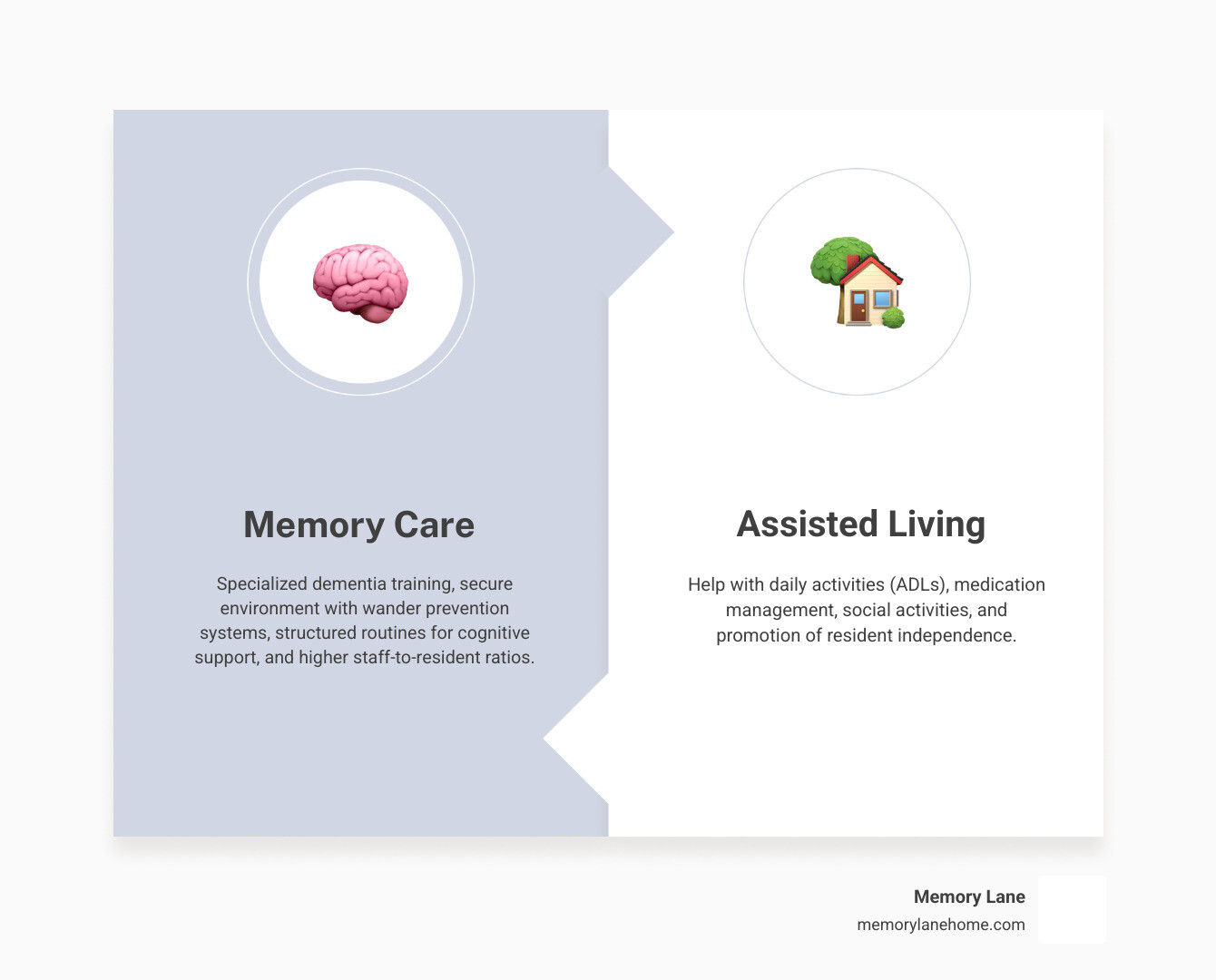
Memory care is a specialized form of long-term care designed exclusively for individuals living with memory impairments. Unlike traditional assisted living, which provides support for daily activities for more independent seniors, memory care offers a comprehensive environment custom to the unique needs of those with cognitive decline.
Here’s how memory care distinguishes itself:
- Specialized Dementia-Trained Staff: Our teams, and those in quality memory care facilities, receive specific training in dementia care. This means they understand the nuances of various memory impairments, how to communicate effectively, manage challenging behaviors with compassion, and provide person-centered care that respects each individual’s journey.
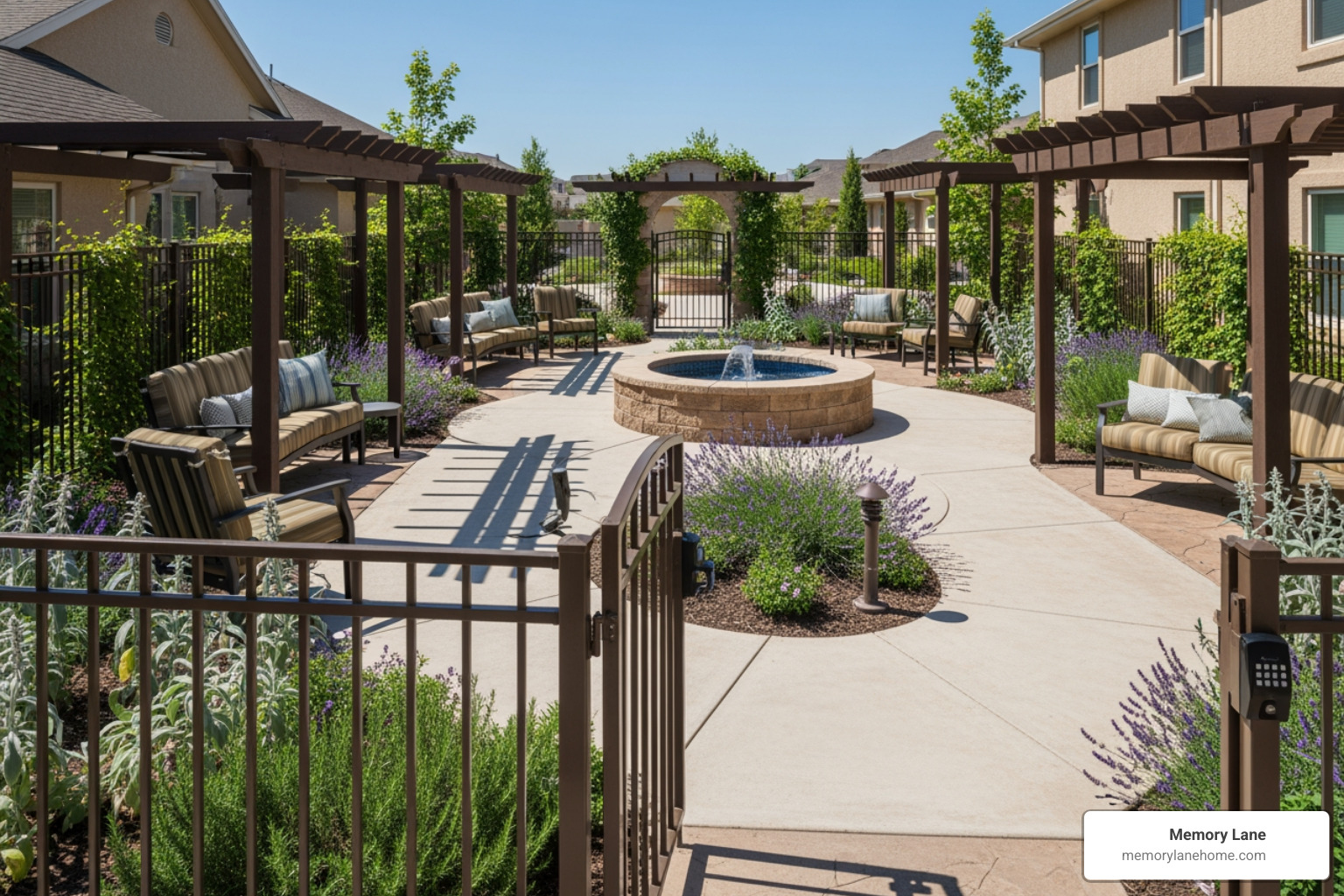
- Secure Environments: A primary concern for families with loved ones experiencing memory loss is wandering. Memory care facilities are designed with improved security features, such as secured entrances and exits, enclosed courtyards, and wander prevention systems. These measures allow residents to move freely and safely within their environment, reducing anxiety for both residents and their families.
- Structured Routines and Intentional Programming: Routines provide comfort and predictability, which are incredibly beneficial for individuals with dementia. Memory care facilities typically offer structured daily schedules filled with intentional programming designed to engage residents cognitively, physically, and socially. These activities are often therapeutic, aiming to maintain existing skills and promote a sense of purpose and accomplishment.
- Focus on Safety and Quality of Life: While all senior living options prioritize safety, memory care integrates this with a deep understanding of cognitive decline. This includes architectural details like visual cues to aid navigation, non-slip floors, and well-lit hallways. The ultimate goal is to empower residents to stay as active and engaged as possible in a dignified, comfortable, and supervised setting.
At Memory Lane, our focus is solely on dementia care—it’s our purpose and our passion. We provide 24/7 personalized, compassionate support, custom care plans, and engaging activities within a secure environment, all aimed at enhancing our residents’ quality of life and independence. For a deeper dive into our approach, you can explore our Memory Care Services and understand The Role Of Memory Care In Alzheimers Support.
Navigating the Cost of Memory Care in Detroit
Understanding the financial aspects of memory care is a significant part of the decision-making process for families in the Detroit area. We know that cost is a major concern, and we’re here to provide clarity on what to expect.
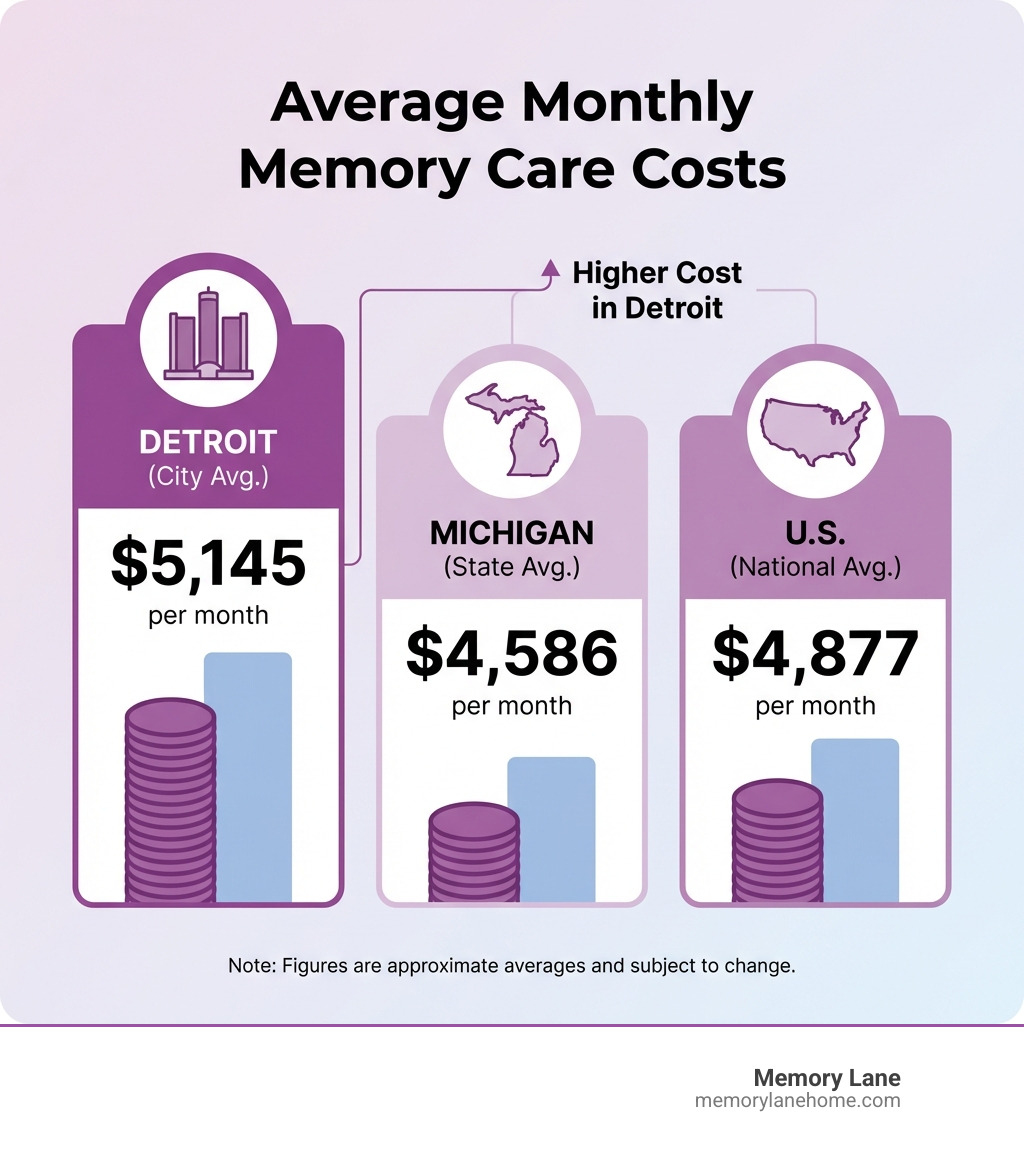
The average cost of memory care in Detroit is about $5,145 per month. This figure is higher than the Michigan state average of $4,586 per month and even the U.S. national average of $4,877 per month. This difference can be attributed to various factors, including the level of specialized care required and the amenities offered in the Detroit metropolitan area.
Here’s a quick look at how Detroit’s memory care costs compare:
| Location/Type of Care | Average Monthly Cost |
|---|---|
| Memory Care in Detroit | $5,145 |
| Memory Care (Michigan State) | $4,586 |
| Memory Care (U.S. National) | $4,877 |
| Assisted Living in Detroit | $4,744 |
| Independent Living in Detroit | $3,866 |
*
*
Factors Influencing Memory Care Costs:
Several elements contribute to the overall cost of memory care:
- Level of Care Required: This is perhaps the most significant factor. As a loved one’s dementia progresses, they may require more intensive supervision, assistance with activities of daily living (ADLs), or specialized medical attention, which can increase costs.
- Room Type: Whether it’s a semi-private room, a studio, or a one-bedroom apartment can significantly impact the monthly fee. In Detroit, median monthly costs can range from around $2,183 for a 1-bedroom to $3,447 for a studio, with semi-private options sometimes available for less.
- Included Amenities and Services: Facilities offering a wider range of amenities (e.g., gourmet dining, extensive recreational programs, on-site therapy) or premium services often come with a higher price tag.
Financial Assistance Options:
We understand that these costs can be substantial, and fortunately, several avenues exist to help families manage them:
- VA Benefits: For eligible veterans and their spouses, programs like Aid and Attendance can provide financial assistance for long-term care, including memory care. We encourage families to explore these benefits through the VA Detroit Regional Office.
- Michigan Medicaid Program: Medicaid can be a vital resource for individuals with limited income and assets who require long-term care. The Michigan Medicaid Program website offers detailed information on eligibility and application processes.
- Long-Term Care Insurance: If your loved one has a long-term care insurance policy, it can significantly offset the costs of memory care.
- Private Funds and Other Options: Many families use savings, pensions, or liquidate assets to cover costs. Resources like Paying for Senior Care can offer further guidance on various funding strategies.
At Memory Lane, we believe in transparent pricing. Our goal is to provide exceptional care without hidden fees, and we strive to ensure residents can stay with us until the end of their lives, without being charged more as their care needs increase. For more comprehensive information on funding options, please visit our page on Long Term Dementia Care Options Detroit Michigan.
A Checklist for Choosing a Quality Facility
Choosing the right memory care facility near Detroit for your loved one is one of the most important decisions you’ll make. It requires careful consideration, thorough research, and a clear understanding of what constitutes high-quality care. We’ve put together a checklist to guide you through this process, focusing on the critical aspects of staff training, safety, security, and specialized programming.
When you begin touring facilities, remember to create a checklist of your own, ask plenty of questions, and most importantly, trust your instincts about the environment and the people you meet.
The Importance of Specialized Staff Training
The heart of exceptional memory care lies in the expertise and compassion of its staff. For individuals with dementia, the right caregiver can make all the difference.
- Dementia-Specific Training: Does the staff receive specialized training in understanding and responding to the unique challenges of Alzheimer’s and other dementias? This includes communication techniques, managing behavioral changes, and person-centered care approaches. We ensure our teams are continuously educated on memory impairment care. Resources like Teepa Snow’s approach to dementia care provide invaluable insights into effective care strategies.
- Staff-to-Resident Ratios: A lower staff-to-resident ratio often translates to more personalized attention. We pride ourselves on maintaining a significantly higher staff-to-patient ratio than many larger facilities—typically 1 staff member for every 3 residents during the day and 1 for every 6 at night, compared to industry averages of 1:10 or even 1:24. This ensures someone is always there to respond promptly and compassionately.
- Caregiver Expertise and Compassion: Beyond training, look for genuine empathy and patience. Observe how staff interact with residents. Do they seem engaged, kind, and respectful? Our caregivers are selected not just for their skills but for their kindheartedness and passion for dementia care.
- Ongoing Education: The field of dementia care is always evolving. A quality facility will invest in ongoing education for its staff to ensure they are up-to-date on the latest best practices.
To learn more about the critical elements we incorporate into our care, read our insights on Discover Key Dementia Care Elements In Michigan Facilities.
Essential Safety and Security Features
Safety is paramount in memory care. Individuals with dementia can be prone to wandering or may have difficulty navigating complex environments.
- 24/7 Supervision and Monitoring: A top-tier facility will offer constant supervision. Our homes and grounds are monitored 24/7 by a video security system, providing an extra layer of peace of mind.
- Secured Entrances and Exits: To prevent wandering and ensure residents remain within a safe environment, all entry and exit points should be secured. Our homes are fully alarmed for utmost safety.
- Wander Prevention Systems: Beyond simple locks, look for integrated systems that subtly ensure residents’ safety without feeling restrictive.
- Safe Building Layout: The physical environment itself plays a crucial role. Look for facilities with clear, uncluttered hallways, non-slip flooring, and well-lit spaces. Our homes are designed to be actual homes, not institutions, providing a familiar and comforting layout.
- Enclosed Courtyards and Outdoor Spaces: Access to fresh air and nature is vital for well-being. A secure, outdoor space, like an enclosed park-like courtyard, allows residents to enjoy the outdoors safely.
Key Features of Quality Memory Care in Detroit
Beyond safety and staffing, the programs and personalized approach define truly exceptional memory care.
- Personalized Care Plans: Each individual with dementia has a unique story, preferences, and set of needs. A quality memory care facility will develop a personalized care plan that evolves with the resident. Our care plans are based on diagnosis, past history, hobbies, preferred foods, and music, ensuring a custom approach.
- Therapeutic Activities: These activities are designed not just for entertainment but for cognitive stimulation, emotional well-being, and physical health.
- Cognitive Therapy: Activities that engage the mind, helping to maintain cognitive function and memory for as long as possible.
- Recreational Activities: Daily exercise, social gatherings, craft projects, and even light cleaning or cooking (like cracking an egg or dusting a shelf) provide purpose and enjoyment.
- Pet Therapy: The calming and comforting presence of animals can reduce anxiety and promote social interaction.
- Music Therapy: Music often taps into deeply embedded memories, providing emotional connection and a sense of joy.
- Art Therapy: Creative expression can be a powerful outlet for individuals who may struggle with verbal communication.
- Social Engagement: Opportunities for residents to interact with peers and staff foster a sense of community and combat isolation. We emphasize eating meals together, celebrating holidays, and encouraging social activities that add purpose and fulfillment to every life.
We believe in fostering independence and a high quality of life, even with memory impairments. Our specialized programs are designed to keep residents engaged and supported. For more on our specific dementia care services, please visit Memory Care Services Dementia Care.
The Search Process: From Realization to Move-In
Starting on the search for memory care in Detroit is often an emotional journey. It begins with the realization that a loved one needs more support than can be provided at home, and culminates in finding a new, nurturing environment. We’re here to help you steer this process with compassion and clarity.
Recognizing the Signs a Loved One Needs More Support
It’s natural to want to care for our loved ones at home for as long as possible. However, there are clear signs that specialized memory care may be the best next step for their safety, well-being, and your own peace of mind.
- Increased Confusion and Disorientation: Frequent episodes of confusion, difficulty recognizing familiar people or places, or getting lost, even in well-known areas.
- Wandering: A significant safety concern, especially if your loved one attempts to leave the home unsupervised.
- Neglecting Personal Hygiene: A noticeable decline in self-care, such as forgetting to bathe, change clothes, or maintain grooming.
- Safety Concerns at Home: This includes forgetting to turn off stoves, leaving doors open uped, mismanaging medications, or experiencing falls.
- Caregiver Burnout: If you, as a caregiver, are experiencing extreme stress, exhaustion, or feeling overwhelmed, it’s a strong indicator that additional support is needed. It’s okay to ask for help; in fact, it’s essential for both your health and your loved one’s.
- Social Withdrawal: A loved one becoming increasingly isolated, losing interest in hobbies, or struggling with social interactions.
- Changes in Behavior: Significant shifts in personality, increased agitation, aggression, depression, or hallucinations that are difficult to manage at home.
Recognizing these signs isn’t about giving up; it’s about making a loving and responsible decision to ensure your loved one receives the specialized care they deserve.
First Steps in Your Search for Memory Care in Detroit
Once you’ve recognized the need, the search for the right facility in the Detroit area can begin. Here’s a practical guide to your first steps:
- Assess Care Needs: Begin by thoroughly evaluating your loved one’s specific needs, including their stage of dementia, physical capabilities, and any behavioral challenges. This assessment will help narrow down suitable options. At Memory Lane, our Recreational Therapist conducts an assessment to get to know your family member and help determine which of our homes they would enjoy most.
- Set a Budget: Understand your financial resources and explore potential assistance programs (as discussed in the previous section). This will help you identify facilities that align with your budget.
- Research Local Options: Look for facilities near Detroit that specialize in memory care. We encourage families to look for facilities that prioritize a homelike environment and high staff-to-resident ratios.
- Schedule Tours: Once you have a shortlist, schedule visits to the facilities. Pay close attention to the atmosphere, staff interactions, and overall cleanliness. We would love to provide a tour for you and your family members.
- Prepare Questions: Come prepared with a list of questions covering everything from staff training and security to daily activities and dining options. Don’t be shy about asking about staff-to-resident ratios or their approach to specific dementia-related behaviors.
- Involve Your Loved One (if appropriate): If your loved one is able, involve them in the decision-making process. Their preferences and comfort are paramount.
The journey to finding the right memory care in Detroit can be complex, but you don’t have to walk it alone. For more guidance on finding the ideal place, visit our blog on Discover Top Memory Care Facilities In Your Area Today.
Local Detroit Resources for Families and Caregivers
Navigating dementia and memory care can be challenging, but families in the Detroit area have access to a wealth of resources for support, information, and financial assistance. We believe in empowering families with the knowledge and connections they need.
Here are some invaluable local and national resources:
- Alzheimer’s Association: This is the leading voluntary health organization in Alzheimer’s care, support, and research. They offer a 24/7 helpline, educational programs, and support groups for families and caregivers. Their website is an excellent starting point for anyone seeking information or assistance: Alzheimer’s Association.
- Area Agency on Aging 1-B: For seniors and caregivers in Southeast Michigan and Metro Detroit, the Area Agency on Aging 1-B provides a comprehensive network of services, information, and advocacy. They can connect you to local programs, support groups, and resources custom to senior needs. You can find more information on their website: Senior resources in Detroit.
- Henry Ford Neuroscience Institute: Specializing in a coordinated approach to caring for patients with Alzheimer’s disease, the Henry Ford Neuroscience Institute is a key local resource for diagnosis, treatment, and management of neurological conditions, including dementia.
- Detroit Medical Center (DMC) Senior Services: The DMC offers a broad range of senior health services, including specialized geriatric care, Acute Care for the Elderly (ACE) Units, and rehabilitation services. Their Senior Health Line provides 24-hour nursing staff for health concerns and physician referrals. Learn more about their offerings here: Senior Services – Detroit Medical Center | DMC .
- VA Detroit Regional Office: For veterans and their families, the VA Detroit Regional Office offers services and information regarding VA benefits, which can include financial assistance for long-term care. Explore their services at: VA Detroit Regional Office.
- Teepa Snow About Dementia videos: Teepa Snow is a renowned dementia-care education specialist. Her videos provide practical strategies and insights for understanding and interacting with individuals living with dementia. Her website offers valuable educational content: Teepa Snow About Dementia videos.
- Great Lakes Loan Closets: This resource helps individuals find used medical equipment, which can be a cost-effective solution for various needs.
- Our Company’s Resources: We are committed to supporting families throughout their journey. Our website offers additional articles, guides, and information to assist you. Visit our Resources page for more support.
These resources can provide crucial information, support networks, and financial guidance as you steer the complexities of dementia care. You are not alone, and help is available.
Conclusion: Finding Peace of Mind in Detroit
Finding the right memory care in Detroit is a journey that blends practical considerations with emotional needs. We’ve explored what memory care entails, how its costs are structured, and the essential factors to consider when choosing a facility. From specialized staff training and robust safety features to personalized therapeutic activities, every detail contributes to a loved one’s quality of life.
The goal is to find a place where your loved one can thrive—a homelike environment where they feel safe, respected, and engaged, and where you, as a family member, can find peace of mind. This means looking for compassionate, personalized care that understands the unique journey of each individual with dementia.
At Memory Lane Assisted Living, serving the Detroit area from our homes in Ypsilanti, Ann Arbor, and Saline, Michigan, we believe we offer a unique solution. Our residential settings are actual homes, not institutions, fostering a familiar and comforting atmosphere. We pride ourselves on significantly higher staff-to-resident ratios (1:3 during the day, 1:6 at night) compared to many other facilities, ensuring consistent, attentive support. We focus solely on dementia care, providing 24/7 personalized, compassionate care custom to each resident, and our transparent pricing means no added costs as care needs evolve. We are equipped for residents to stay with us until the end of their lives, becoming a true family for them.
Taking the next step can feel daunting, but with the right information and support, you can make an informed decision that benefits everyone. We invite you to experience the Memory Lane difference firsthand.
Learn more about specialized memory care options in the Detroit area