
Detroit Alzheimer’s Care A Roadmap for Families
Understanding Alzheimer’s Care in Detroit: Your First Steps
Alzheimer’s care Detroit encompasses specialized memory care services, secure residential environments, and comprehensive support programs designed for individuals experiencing cognitive decline. Here’s what you need to know:
- Key Signs: Wandering, safety concerns, behavioral changes, difficulty with daily activities, and caregiver burnout
- Care Options: Memory care communities, assisted living with dementia support, in-home care, and hospital-based geriatric programs
- Specialized Services: Dementia-trained staff, secure environments, person-centered programming, and medication management
- Local Resources: Henry Ford Neuroscience Institute, DMC Senior Health Services, Alzheimer’s Association 24/7 Helpline (800-272-3900)
- Geographic Coverage: Detroit, Livonia, Dearborn, Westland, Taylor, Canton, and surrounding Wayne County areas
More than 200,000 patients over age 65 in Michigan have Alzheimer’s disease. This progressive condition affects memory, thinking, and behavior—and it’s not a normal part of aging. While there’s currently no cure, specialized care can manage symptoms, slow progression, and significantly improve quality of life for both patients and their families.
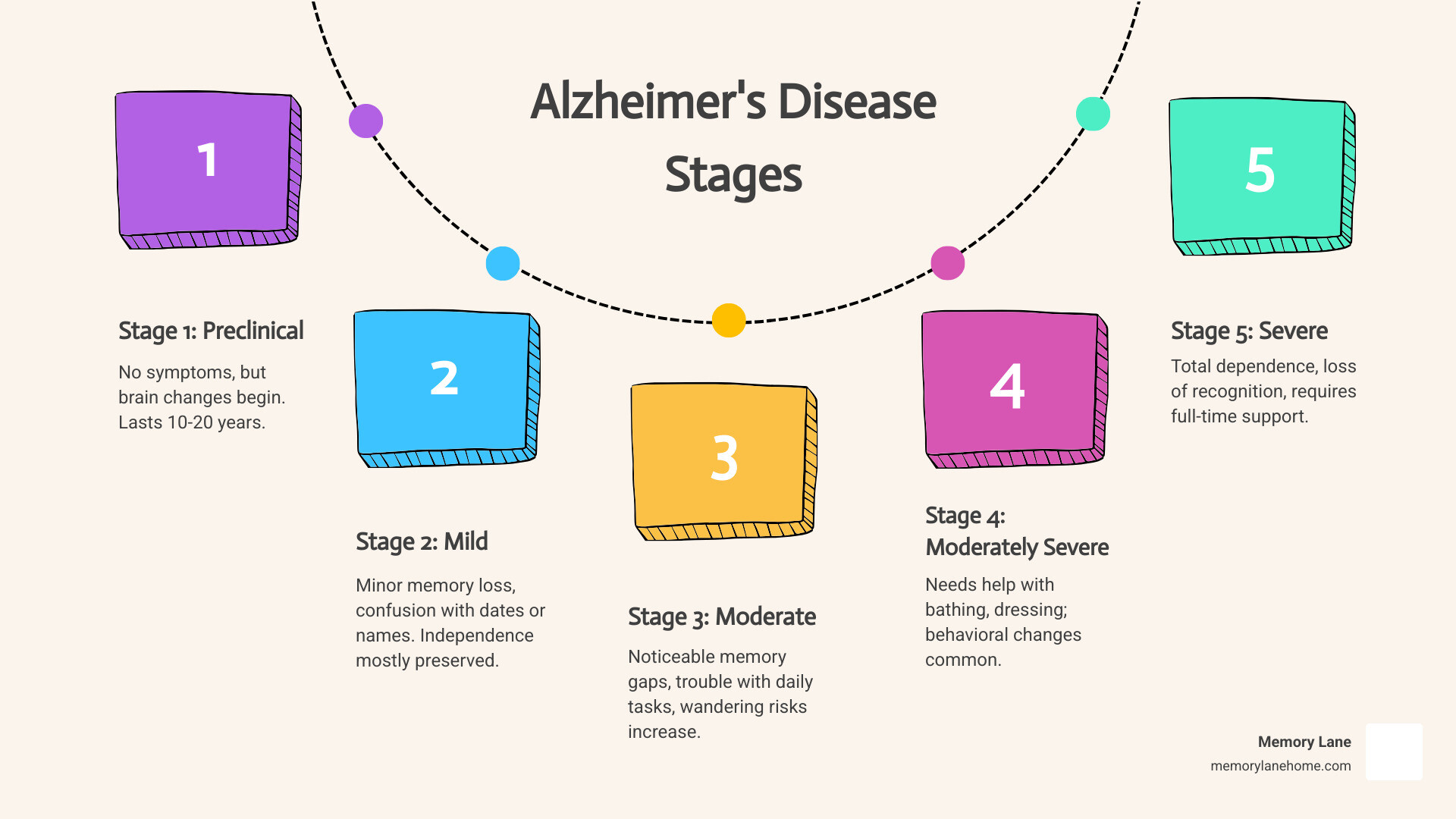
The disease typically progresses through stages, starting with mild memory loss and advancing to severe cognitive decline requiring full-time support. Early recognition and timely intervention make all the difference in preserving dignity, independence, and safety.
Many Detroit-area families struggle with knowing when to seek professional help. You might notice your loved one forgetting to turn off appliances, getting lost in familiar places, or experiencing personality changes. These moments are overwhelming—and you’re not alone in feeling uncertain about next steps.
I’m Jason Setsuda, a Board Certified Emergency Medicine Physician and CFO of Memory Lane Assisted Living with over 15 years of experience in healthcare management and medical administration. Throughout my career working with families navigating Alzheimer’s care Detroit options, I’ve seen how the right support system transforms outcomes for both patients and their loved ones.
Alzheimer’s care Detroit word roundup:
Recognizing the Need for Alzheimer’s Care in Detroit
Identifying the right moment to transition to professional Alzheimer’s care Detroit is one of the most difficult decisions a family can face. Often, the realization doesn’t come from a single event but a series of “near misses” or a gradual decline in the quality of life for both the senior and the caregiver.
In the Detroit area, we see many families waiting until a crisis occurs—a fall, a wandering incident, or a medical emergency. However, recognizing the signs early allows for a smoother transition and more choices.
Key Signs It May Be Time for Professional Care
- Wandering and Safety Concerns: Is your loved one getting lost in familiar Detroit neighborhoods? Have they forgotten how to get home from the local grocery store? Wandering is a major risk that often requires a secure environment.
- Behavioral and Mood Changes: Alzheimer’s often causes personality shifts. You might notice increased agitation, suspicion, or even depression. In some cases, “sundowning”—increased confusion and restlessness in the late afternoon—becomes unmanageable at home.
- Decline in Activities of Daily Living (ADLs): If a senior is struggling with bathing, dressing, or managing their medications, they need more support than a standard home environment can typically provide.
- Nutritional Neglect: Forgetting to eat or losing the ability to cook safely (like leaving the stove on) is a significant red flag.
- Social Isolation: Withdrawal from friends, family, and hobbies can accelerate cognitive decline.
Caregiver Burnout: A Critical Indicator
We often remind families that the health of the caregiver is just as important as the health of the patient. If you are feeling physically exhausted, emotionally drained, or socially isolated, it is a sign that the current care plan is no longer sustainable. Professional Dementia Home Care Services Detroit Michigan or residential care can provide the necessary relief.
For practical advice on managing these daily challenges, we recommend reviewing these Tips for Alzheimer’s and Dementia Caregivers.

Evaluating Alzheimer’s Care Detroit Communities
When looking for the best fit, families often explore communities in Detroit and surrounding areas like Livonia, Dearborn, Westland, Taylor, and Canton. Each area offers different styles of care, from large-scale facilities to more intimate Alzheimer’s care homes Detroit Michigan.
When evaluating these communities, we suggest focusing on:
- Staff Training: Are the caregivers specifically trained in dementia care?
- Security: Does the facility have a secure perimeter to prevent wandering while still allowing for outdoor access?
- Personalized Assessments: Does the community create a care plan tailored to your loved one’s specific history and needs?
Specialized Treatment and Alzheimer’s Care Detroit Programs
Effective Alzheimer’s care Detroit is not just about housing; it’s about active treatment and engagement. Many Detroit centers utilize a multidisciplinary approach that includes:
- Medication Management: Regular reviews by doctors and psychiatrists to manage symptoms like anxiety or sleep disturbances.
- Psychiatric Care: Specialized inpatient programs, such as those at the 182-bed StoneCrest Center, provide crisis intervention and stabilization for seniors facing severe behavioral challenges.
- Therapeutic Engagement: This includes individual, group, and family therapy. Programs like the “Generations” program focus specifically on the emotional stressors faced by older adults.
- The Alzheimer’s Association: We encourage all families to connect with the Alzheimer’s Association for local support groups and the latest research updates.
Navigating Memory Care Options and Medical Resources in Detroit
Detroit is home to world-class medical institutions that specialize in neuroscience and geriatric care. For families, having access to these resources is a significant advantage when managing a progressive disease like Alzheimer’s.
Hospital-Based Geriatric Excellence
Several hospitals in the Detroit Medical Center (DMC) and Henry Ford systems have pioneered specialized care for seniors. When a senior with Alzheimer’s requires hospitalization, standard units can sometimes be disorienting or even dangerous. That is why specialized units are so vital.
- NICHE Certified Care: NICHE (Nurses Improving Care for Healthsystem Elders) is a national program that ensures nurses are specially trained to handle the unique needs of hospitalized seniors.
- Acute Care for the Elderly (ACE) Units: These units are designed to prevent the functional decline that often happens when a senior is hospitalized. They offer direct admission, bypassing the stressful environment of a standard Emergency Room.
- Care Transitions: Avoiding hospital readmission is a top priority. Programs like The Care Transitions Program help families move safely from the hospital back to a home or a Nursing Homes with Dementia Units Detroit Michigan setting.
Specialized Neuroscience and Memory Disorder Support
For an accurate diagnosis and ongoing management, specialized centers are essential. The Henry Ford Neuroscience Institute and the Detroit Medical Center offer comprehensive services, including:
- Cognitive Assessments: Detailed testing to differentiate between normal aging, Mild Cognitive Impairment (MCI), and various types of dementia.
- Advanced Imaging: Using MRI and PET scans to identify brain changes associated with Alzheimer’s, Lewy body dementia, or vascular cognitive impairment.
- Holistic Management: This involves not just medication, but also occupational therapy and behavioral approaches to moderate changes in personality.
To find local facilities that offer these specialized medical partnerships, you can explore Nursing Homes with Memory Care Detroit Michigan or visit the Senior Services – Detroit Medical Center | DMC website.
Comparing Alzheimer’s Care Detroit vs. Assisted Living
A common question we hear is: “What is the difference between assisted living and memory care?” While both provide support, the level of specialization and security differs significantly.
| Feature | Standard Assisted Living | Alzheimer’s Memory Care |
|---|---|---|
| Security | Open environment; residents can come and go. | Secured units with delayed-exit doors to prevent wandering. |
| Staff Training | General senior care and ADL support. | Specialized dementia and behavioral management training. |
| Programming | General social activities (bingo, movies). | Memory-focused activities (reminiscence therapy, sensory tasks). |
| Environment | Apartment-style living. | Designed to reduce “wayfinding” confusion and overstimulation. |
| Staff Ratio | Standard ratios for general help. | Often higher staff-to-resident ratios for closer supervision. |
For many families, Residential Memory Care Homes Detroit Michigan provide the best of both worlds—a homelike atmosphere with the high-level security and specialized staffing required for Alzheimer’s patients.
Support and Resources for Local Caregivers
Caregiving is a marathon, not a sprint. In the Detroit area, several organizations offer “wraparound” services to help families cope.
- Respite Care: This allows primary caregivers to take a much-needed break. Whether it’s for a few hours or a few weeks, respite care is essential for preventing burnout.
- Adult Day Health: Catholic Charities of Southeast Michigan and other local groups offer day programs where seniors can socialize in a supervised setting.
- Educational Tools: We highly recommend the Teepa Snow “About Dementia” videos for practical, person-centered caregiving techniques.
- Local Navigators: The Eldercare Locator can help you find local services by zip code, while our guide on Alzheimer’s Caregivers Detroit Michigan offers specific local advice.
Financial Planning and Assistance for Memory Care
The cost of Alzheimer’s care Detroit can vary widely based on the level of care, the location, and the amenities provided.
Understanding the Costs
In the Detroit metropolitan area, costs are influenced by several factors:
- Location: Facilities in suburbs like Canton or Troy may have different price points than those within the city limits.
- Level of Care: As the disease progresses, the need for more intensive supervision increases the cost.
- Luxury Levels: Some communities offer high-end amenities like chef-prepared meals and private suites, which come at a premium.
According to market research, assisted living in the Detroit area can start around $3,100 per month, while specialized memory care often starts between $4,300 and $5,700 per month.
Financial Assistance Options
While these numbers can be daunting, there are several ways to help cover the costs:
- Medicare Part B: While Medicare does not cover long-term residential care, it does cover many medical assessments, preventive exams, and therapies.
- Respite Assistance: Some organizations, like Henry Ford, offer specific respite care assistance applications for families in need.
- Loan Closets: For medical equipment like wheelchairs or walkers, Great Lakes Loan Closets provide access to used equipment by county.
- Long-Term Care Insurance: If your loved one has a policy, it may cover a significant portion of memory care.
For a deeper dive into these options, see our resource on Long-term Dementia Care Options Detroit Michigan or visit Paying for Senior Care, Memory Care.
Frequently Asked Questions about Alzheimer’s Care Detroit
What is the average cost of memory care in Detroit, MI?
The average cost generally ranges from $4,500 to $6,000 per month. Factors like the size of the room and the specific care needs of the resident will influence the final price. It is important to ask facilities for a breakdown of “base rates” versus “care levels.” You can find more details at Paying for Senior Care.
How do I know if it is time for professional memory care?
If your loved one is wandering, forgetting to eat, neglecting hygiene, or if you as a caregiver are experiencing extreme stress, it is likely time. Safety is the number one priority. If they can no longer navigate an emergency (like a fire or a fall) safely, professional care is necessary.
What role do senior care advisors play in Detroit?
Senior care advisors act as local guides. They conduct personalized assessments, help families narrow down a list of facilities that fit their budget and needs, and often lead tours. Many of these services are offered at no cost to the family, as they are funded by the communities.
Conclusion
Navigating Alzheimer’s care Detroit is a journey that no family should have to walk alone. From the initial diagnosis to finding the right residential community, the process is filled with emotional and practical challenges.
At Memory Lane, we specialize in providing 24/7 personalized, compassionate support. We believe that an Alzheimer’s diagnosis doesn’t mean the end of a meaningful life. Through tailored care plans, engaging activities, and a secure environment, we focus on enhancing our residents’ quality of life and independence.
Whether you are just starting to notice the signs or are in the middle of a caregiving crisis, Detroit offers a wealth of medical and community resources to support you. By taking proactive steps today, you can ensure your loved one receives the dignity and care they deserve.
If you’re looking for more information on finding the right fit for your family, explore our guide on Memory Care Detroit Michigan. We are here to help you find peace of mind and a roadmap for the future.