Memory Care Pacific Northwest: Top 10 Best
Why Finding the Right Memory Care Matters for Your Loved One
Finding specialized support for a loved one living with Alzheimer’s disease or other forms of dementia is a significant journey for any family in Michigan. If you’re searching for compassionate, secure care for someone experiencing cognitive decline in Ann Arbor, Ypsilanti, Saline, or surrounding areas, it’s important to know what to look for. This guide examines memory care standards across different regions, including examples from the Pacific Northwest, to help Michigan families understand what constitutes excellent memory care regardless of location.
Quick Answer: What to Look for in Memory Care (Standards from Across the Country, Applied in Michigan)
- Average Cost: While Pacific Northwest cities like Seattle average $7,130/month, Michigan communities often offer more affordable options with the same quality standards
- Key Features: 24/7 dementia-trained staff, secure environments, personalized care plans (essential everywhere)
- Top Programs: Person-centered approaches with programs for early and advanced dementia
- Safety: Secured entrances, emergency alert systems, enclosed courtyards
- Location Benefits: Access to nature, whether it’s Michigan’s beautiful lakes and parks or the Pacific Northwest’s forests
The decision to move a loved one into memory care is never easy. As one daughter shared about her experience: “What is often a confusing and challenging time of life for both families and their loved ones turned out to be an unexpected and immense blessing for us all.”
Michigan offers unique advantages for memory care, from the natural beauty of our Great Lakes region to the excellent medical facilities in Ann Arbor. The parks, trails, and seasonal beauty around Ypsilanti and Saline provide therapeutic outdoor spaces that rival any region. Quality communities here incorporate our Midwest values of family, community, and compassionate care into their philosophy.
This guide will help Michigan families evaluate memory care options using a 10-point checklist that draws from best practices nationwide, understand costs, and find a community where your loved one can feel safe, engaged, and valued—right here in southeast Michigan.
As Jason Setsuda, CFO of Memory Lane Assisted Living and a board-certified Emergency Medicine Physician with over 10 years of medical experience and 5 years in medical administration, I’ve seen how the right memory care community can transform both residents’ and families’ lives. My work with Responsive Visiting Physicians and Open Arms Hospice has given me deep insight into what makes quality dementia care truly exceptional.
Understanding the Need for Specialized Memory Care
When memory loss touches your family, it can feel like navigating a dense fog. We understand the challenges and emotions involved. That’s why understanding memory care, and when it’s needed, is so crucial. Memory care is designed specifically for individuals living with Alzheimer’s disease and other forms of dementia, providing a level of specialized support that goes beyond traditional assisted living.
What is Memory Care and Who is it For?
Memory care is specialized, secure support for people living with Alzheimer’s or other dementias who benefit from a calm, structured environment and round-the-clock expertise. It’s a dedicated environment where residents receive 24/7 personalized, compassionate support. Unlike standard assisted living, which caters to seniors needing some help with daily tasks but remaining largely independent, memory care focuses on enhancing the quality of life and independence of individuals with cognitive impairments.
We, at Memory Lane, know that custom care plans are essential. These plans empower seniors with memory loss to stay as active and engaged as possible, all within a dignified, comfortable, and supervised setting. Memory care is for those whose cognitive decline makes it unsafe or unmanageable for them to live independently or even within a standard assisted living environment. It’s about preserving dignity, fostering meaningful connections, and ensuring safety.
Key Signs It’s Time for Memory Care
Recognizing when a loved one needs specialized memory care can be one of the hardest decisions a family faces. Based on our experience serving families in Ann Arbor, Ypsilanti, and Saline, here are some key indicators that it might be time to consider memory care services:
- Safety Concerns at Home: If your loved one is unsafe alone, perhaps leaving the stove on, forgetting to lock doors, or experiencing falls due to disorientation, it’s a critical sign. Memory care communities provide secured environments with features like secured entrances and emergency alert systems to prevent these dangers.
- Wandering: One of the most distressing behaviors associated with dementia is wandering. Memory care facilities are designed with secure perimeters and staff trained to prevent and manage wandering, ensuring residents’ safety.
- Medication Mismanagement: Forgetting to take medications, taking too much, or taking them at the wrong times can have serious health consequences. Memory care includes meticulous medication management as a core service.
- Decline in Personal Hygiene: If your loved one is struggling with bathing, dressing, or other personal care tasks, it can indicate a need for more hands-on assistance and cueing, which memory care staff provide.
- Increased Caregiver Stress: Caring for someone with dementia is a 24/7 job that can lead to burnout. If you, as a caregiver, are experiencing overwhelming stress, exhaustion, or a decline in your own health, it’s a sign that professional support is needed.
- Social Isolation: As dementia progresses, individuals may withdraw from social activities, leading to loneliness and depression. Memory care communities offer engaging activities and social opportunities designed to foster connection and purpose.
- Aggression or Confusion: Increased agitation, confusion, or even aggressive behaviors can be challenging and dangerous for both the person with dementia and their caregivers. Memory care staff are trained to gently redirect agitation and confusion, creating a calmer environment.
Many families find that after a loved one moves into a specialized community, their health improves and they begin to engage with the world again. This highlights how a specialized environment can significantly improve a person’s quality of life and health.
A 10-Point Checklist for Evaluating Memory Care Communities

Choosing the right memory care community for a loved one is a monumental decision. It requires careful consideration of many factors to ensure they receive the best possible care and live a life of dignity and purpose. At Memory Lane, we serve families throughout southeast Michigan, including Ann Arbor, Ypsilanti, and Saline. We believe the principles of excellent memory care are universal—whether evaluating communities in Michigan, studying examples from the Pacific Northwest, or anywhere else. Here’s a comprehensive checklist we recommend for evaluating memory care options in your area.
1. Specialized Staff and Person-Centered Care
The heart of any exceptional memory care community lies in its staff. We look for teams comprised of dementia-trained caregivers who understand the unique challenges and needs of individuals with cognitive decline. This includes:
- Dementia-trained caregivers: Staff should be knowledgeable about different types of dementia, communication techniques, and behavioral management.
- High staff-to-resident ratio: This ensures that each resident receives the individualized attention and support they need, especially for activities of daily living.
- Consistent care assignments: When the same caregivers work with residents regularly, it builds trust and familiarity, which is incredibly comforting for someone with memory loss.
- Person-centered philosophy: This approach focuses on the individual’s history, preferences, and remaining abilities, rather than just their diagnosis. Look for programs that use relationship-based methods to help residents make meaningful connections.
- Individualized care plans: Each resident should have a custom plan that addresses their specific physical, emotional, and cognitive needs.
- Compassionate support: Empathy, patience, and genuine care are non-negotiable qualities for memory care staff.
2. Safe and Thoughtfully Designed Environments
A secure and stimulating environment is paramount in memory care. Communities must be designed to minimize confusion, prevent wandering, and promote a sense of calm and safety.
- Secure entrances and courtyards: These features prevent residents from leaving the community unsupervised, offering peace of mind. Many communities feature enclosed outdoor courtyards for secure exploration.
- Emergency alert systems: In-apartment systems and wearable pendants with fall detection ensure rapid response in case of an emergency.
- Fall detection technology: Discreet monitoring can help prevent falls and alert staff immediately if one occurs.
- Easy-to-steer layouts: Simple, intuitive layouts reduce disorientation and make it easier for residents to steer independently.
- Color-coded cues: Some facilities use color cues and structured spaces to aid navigation for residents with cognitive challenges.
- Calming, home-like atmosphere: The environment should feel comfortable and familiar, reducing anxiety and promoting a sense of belonging.
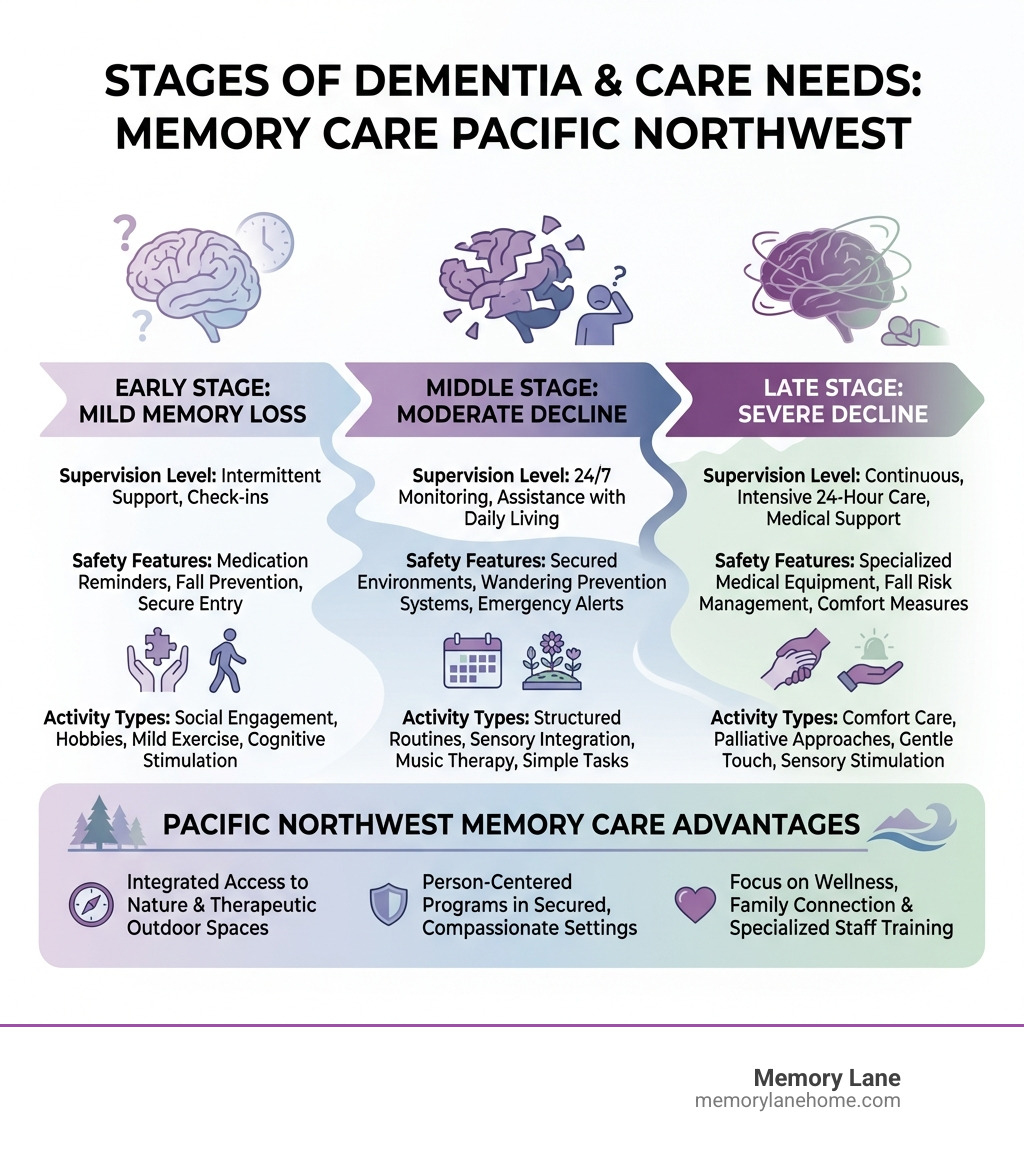
3. Programs for Every Stage of Dementia
Memory care is not one-size-fits-all. Effective communities offer programs custom to the varying stages of dementia, allowing residents to thrive at their current level of ability.
- Early-stage cognitive support: Programs that engage residents in discussions, brain games, and activities that stimulate cognitive function.
- Mid-stage engagement activities: Activities that encourage social interaction, physical activity, and a sense of purpose, such as art classes, music therapy, or gardening.
- Late-stage sensory-based care: For advanced dementia, look for programs that focus on sensory engagement, music, aromatherapy, and extra time for grooming to provide comfort and connection.
- Programs that preserve current abilities: Activities should be designed to support and use existing skills, fostering a sense of accomplishment.
- Find out more about our specialized memory care services at Memory Lane’s services page.
4. Engaging Activities and Holistic Wellness
A vibrant memory care community offers more than just basic care; it provides a fulfilling lifestyle. We believe in activities that stimulate the mind, body, and spirit.

- Cognitive workouts: Activities like trivia games, discussions, and puzzles help keep minds active.
- Physical fitness programs: Look for signature fitness programs, chair yoga, walking clubs, and dancing to encourage physical health.
- Music and art therapy: Certified music therapy can be incredibly beneficial for residents, sparking memories and emotions. Art classes provide creative outlets.
- Gardening: Engaging in gardening or kitchen projects can provide a sense of purpose and connection to nature.
- Social events: Lively seasonal parties, coffee groups, and other social gatherings foster community and reduce isolation.
- Spiritual support: Access to a full-time chaplain or spiritual services can provide comfort and spiritual nourishment.
- Purposeful daily life: Ask about programs that aim to capture residents’ voices and stories, preserving their legacy and giving them a sense of purpose.
5. Dementia-Friendly Dining Experience
Mealtime should be a pleasant and nutritious experience. Memory care communities understand that dining can present unique challenges for individuals with dementia.
- Chef-prepared, nutritious meals: Look for menus crafted with fresh, seasonal ingredients that cater to diverse dietary needs.
- Support for dietary needs: Accommodations for low sodium, diabetic-friendly, or other specific dietary requirements.
- Dementia-friendly menus: Options that are easy to eat and appealing, often including finger foods for those who have difficulty with utensils.
- Assistance with eating: Discreet and compassionate assistance to ensure residents receive adequate nutrition.
- Finger foods: These should be provided for residents who may have difficulty using utensils.
- Consistent, social mealtimes: Routine mealtimes and a cafe-style setting can make dining a comfortable and social event.
6. Comprehensive On-Site Services
The convenience and accessibility of on-site services can significantly improve a resident’s well-being and reduce the stress of external appointments.
- Visiting physicians and specialists: On-site medical professionals reduce the need for residents to travel off-site.
- Physical, occupational, and speech therapy: In-house therapy services are crucial for maintaining function and quality of life.
- Medication management: A core service ensuring medications are taken correctly and on schedule.
- On-site salon and barbershop: These services help residents maintain personal grooming and dignity.
- Housekeeping and laundry: These services ensure a clean and comfortable living environment for residents.
7. Strong Family Involvement and Support
We believe that family remains a vital part of a resident’s care journey. The best memory care communities foster strong partnerships with families.
- Family education programs: Look for resources and workshops to help families understand dementia and cope with its progression.
- Support groups: Opportunities for families to connect with others facing similar challenges.
- Regular communication updates: Facilities should keep families informed of any changes in a resident’s health or behavior, with some praised for notifying family almost immediately of any changes.
- Family events: Creating opportunities for families to visit and participate in community life.
- Open-door policies: Encouraging family visits and involvement in their loved one’s care.
- Family feedback and testimonials: Communities that actively solicit and respond to family feedback often provide higher quality care. Positive testimonials speak volumes about family satisfaction.
8. Positive Community Reputation
A community’s reputation is built on trust and consistent quality. We always recommend thorough research into any potential memory care facility.
- Online reviews: Websites like U.S. News & World Report survey families about their experiences, providing valuable insights into resident and family satisfaction. U.S. News evaluated nearly 450,000 resident & family survey responses from over 3,800 senior living communities nationwide in 2025.
- State licensing reports: These reports provide information on inspections, violations, and compliance with state regulations.
- Deficiency-free history: A community that is deficiency-free for several years indicates a high standard of care.
- Word-of-mouth recommendations: Personal referrals from trusted sources can be incredibly valuable.
- Testimonials from families: Hearing directly from other families about their positive experiences can be very reassuring.
9. Transparent and Fair Pricing
Understanding the cost of memory care can be complex, but transparency is key. We encourage families to ask detailed questions about all potential fees.
- Clear breakdown of costs: A detailed explanation of what is included in the base rate and what incurs additional fees.
- Base rent vs. levels of care: Often, there’s a base rental rate for the apartment, and then additional fees based on the level of care needed, which increases as cognitive decline progresses.
- A la carte services: Some services might be optional and charged separately.
- Understanding potential price increases: Inquire about the community’s policy on annual or care-level-driven price adjustments.
- No hidden fees: Ensure all costs are disclosed upfront to avoid surprises.
10. Ideal Location and Community Access
While the care inside the community is paramount, the surrounding environment and accessibility also play a role in a family’s decision.
- Proximity to hospitals: Access to quality healthcare is essential. In Michigan, communities near University of Michigan Health in Ann Arbor or St. Joseph Mercy hospitals provide excellent medical access.
- Easy access for family visits: A location that is convenient for family members to visit regularly fosters stronger connections and involvement.
- Safe neighborhood: A secure and pleasant surrounding area adds to the overall sense of well-being.
- Access to local parks and attractions: Michigan’s beautiful parks, trails, and cultural attractions contribute to a community’s appeal.
- For those interested in exploring resources in a specific major city, an official city government website, like the one for Seattle, can provide a wealth of local information.
Understanding the Cost of Memory Care
Understanding the financial aspects of memory care is a crucial step in planning for your loved one’s future. It’s a significant investment, but one that provides specialized care, safety, and a higher quality of life.
Average Monthly Costs for Memory Care
The cost of memory care can vary widely depending on the specific city, community, and level of care required. Generally, memory care is more expensive than assisted living due to the specialized staffing, secure environment, and intensive programming.
To help Michigan families understand memory care pricing structures, we can look at examples from various markets across the country. While costs in major metropolitan areas like those in the Pacific Northwest can range from $4,100 to $10,000 per month (with Seattle averaging around $7,130), Michigan communities often offer more competitive pricing while maintaining the same high standards of care.
Here are some examples of how memory care costs can vary by location, which can help you understand pricing structures when evaluating options in Ann Arbor, Ypsilanti, or Saline:
- Major metropolitan areas often see higher costs (Seattle: $7,373, Bellevue: $7,971)
- Mid-sized cities typically have moderate pricing (Redmond: $6,350, Shoreline: $6,000)
- Semi-private apartments in various markets may start around $5,000 per month
- Private apartments in some areas can start at over $9,600 per month
These figures demonstrate that costs can fluctuate significantly even within the same region. Michigan families often find that our state offers excellent value, with quality memory care communities providing exceptional care at more affordable rates than coastal markets. It’s always best to inquire directly with communities for their most current pricing.
What’s Included in the Price?
When evaluating memory care costs, understand what’s covered by the monthly fee. While specifics vary by community, here’s a general breakdown:
- Base rental rates: This covers the cost of the apartment or suite, whether private or semi-private.
- Levels of care fees: These are often added to the base rate and are determined by the amount of assistance a resident needs with activities of daily living (ADLs), medication management, and behavioral support. The more intensive the care, the higher this fee will be.
- Included services: Most memory care communities include dining (typically three meals a day plus snacks), housekeeping, laundry, and access to all community activities and common areas.
- Additional costs: Be aware of potential extra charges for services such as incontinence supplies, personalized transportation to appointments outside the community, salon services, or specialized therapies not covered by insurance.
Many communities, including Memory Lane, typically include dining and housekeeping in their base rental rates for memory care. Always ask for a detailed list of what’s included and what might incur additional fees.
Exploring Financial Options
Navigating the financial landscape of memory care can feel daunting, but several options can help families manage the cost:
- Private pay: This is the most common method, using personal savings, investments, or proceeds from the sale of a home.
- Long-term care insurance: If your loved one has a long-term care insurance policy, it may cover a significant portion of memory care costs. Review the policy details carefully to understand coverage limits and waiting periods.
- Veterans benefits: Eligible veterans and their spouses may qualify for Aid and Attendance benefits, which can help offset the cost of long-term care.
- State-specific Medicaid programs: Medicaid is a state and federal program that provides health coverage to low-income individuals. Michigan offers Medicaid waivers and programs that can help cover the cost of memory care for eligible individuals. Eligibility requirements vary by state.
- Bridge loans: These short-term loans can help bridge the financial gap while waiting for other funding sources, like veterans benefits or the sale of a home, to come through.
Many online resources offer guides on financing senior care. It’s worth exploring all avenues to find the most suitable financial solution for your family.
Frequently Asked Questions about Memory Care
We often hear similar questions from families starting on the memory care journey. Here are some of the most common ones, answered with our expertise:
What is the difference between memory care and assisted living?
This is a fundamental question we clarify for many families. Assisted living is designed for seniors who are relatively independent but need some assistance with daily tasks like meal preparation, medication reminders, or transportation. They typically offer a social environment and support while promoting as much independence as possible.
Memory care, on the other hand, provides a higher level of specialized, 24/7 care in a secure environment for those with cognitive impairments such as Alzheimer’s disease or other dementias. Memory care communities have staff trained specifically in dementia care, offer structured routines, and provide a safe setting to prevent wandering. The environment is often thoughtfully designed with cues to reduce confusion and promote a sense of calm, making it ideal for individuals who benefit from a structured environment and round-the-clock expertise.
How do memory care communities keep residents safe?
Safety is a top priority in memory care, and communities employ multiple strategies to ensure residents’ well-being:
- Secured perimeters: Entrances and exits are monitored and secured to prevent residents from wandering unsupervised. This allows residents to move freely within secured areas, including outdoor spaces, without leaving a secured perimeter.
- 24/7 staffing: Trained staff are on-site around the clock to provide supervision, assistance, and respond to emergencies. Quality communities emphasize having a trained team member on-site 24/7.
- Emergency alert systems: Residents often have access to emergency call buttons or pendants that alert staff if they need immediate assistance, including fall detection technology.
- Enclosed courtyards: Many communities feature secure outdoor spaces where residents can enjoy fresh air and nature safely, without the risk of wandering.
- Layouts designed to reduce confusion: Facilities are often designed with easy-to-steer common areas, color-coded hallways, and clear signage to minimize disorientation and anxiety.
Is a private or companion suite better for a loved one with dementia?
This is a personal decision, and there are benefits to both options:
- Private suite: Offers more personal space, privacy, and a familiar environment for those who prefer solitude or have specific comfort needs. It can be beneficial for individuals who might feel overwhelmed by a roommate.
- Companion suite: Research suggests that companionship can be valuable for seniors with Alzheimer’s or dementia. Sharing a space can reduce feelings of isolation, provide a sense of purpose, and sometimes even lead to friendships. For some, the presence of another person can be reassuring. Additionally, companion suites are often more budget-friendly, making them a practical choice for many families.
The best choice depends on your loved one’s personality, their stage of dementia, social preferences, and your family’s financial considerations. We encourage families to discuss these options with community staff and consider a trial period if possible.
Conclusion
Finding the right memory care community for your loved one is a journey, not a sprint. We hope this extensive guide and 10-point checklist provide Michigan families with the tools and confidence to make an informed decision. The goal is to find a community that not only meets their medical and safety needs but also enriches their life with purpose, dignity, and joy.
The right memory care community can truly improve your loved one’s quality of life, offering a supportive environment where they can thrive. As one family said about their experience, “Peace of mind is worth so much!” We at Memory Lane embody a commitment to personalized, compassionate, and secure care, focusing on enhancing residents’ quality of life and independence in our Michigan locations of Ann Arbor, Ypsilanti, and Saline. While this article has used examples from various regions to illustrate key concepts and standards, the same principles of excellence guide the care we provide every day in southeast Michigan.
We are here to help you steer this important decision. Find out more about our specialized memory care services and how we can support your family.