Memory Care East Coast: Best Facilities 2026
Why Finding the Right Memory Care in Michigan Matters
Memory care facilities in Michigan provide specialized residential support for individuals with Alzheimer’s disease, dementia, and other memory-related conditions. These communities combine 24-hour supervision, secure environments, and trained staff with personalized programming designed to maintain cognitive function and quality of life.
Quick Answer: What to Know About Memory Care in Michigan
- What it is: Specialized care beyond assisted living, with improved security, dementia-trained staff, and cognitive activities.
- Average cost: $4,500-$7,500+ per month (varies by location; areas like Ann Arbor may be higher).
- Key features: Secure wandering prevention, person-centered care plans, therapeutic activities, family support.
- When to consider: Wandering behaviors, safety concerns at home, increased care needs, social withdrawal.
- How to choose: Tour multiple communities, check staff certifications (CDP), review care approaches, assess environment design.
The decision to move a loved one into memory care is never easy. Families across Michigan face the emotional weight of recognizing that a loved one needs more support than can be safely provided at home. Quality memory care communities do more than provide supervision; they create environments where residents can maintain dignity, engage in meaningful activities, and live with purpose.
This guide will walk you through everything you need to know: what memory care truly offers, how it differs from assisted living, what features to look for in Michigan communities, how to understand and plan for costs, and how to choose a facility that will provide your loved one with safety, engagement, and compassionate support.
As Jason Setsuda, CFO of Memory Lane Assisted Living and a Board Certified Emergency Medicine Physician, I’ve seen the profound difference that specialized memory care facilities make. My background in holistic medicine and business management has given me unique insight into what families should prioritize when making this critical decision.
What is Memory Care and How Is It Unique?
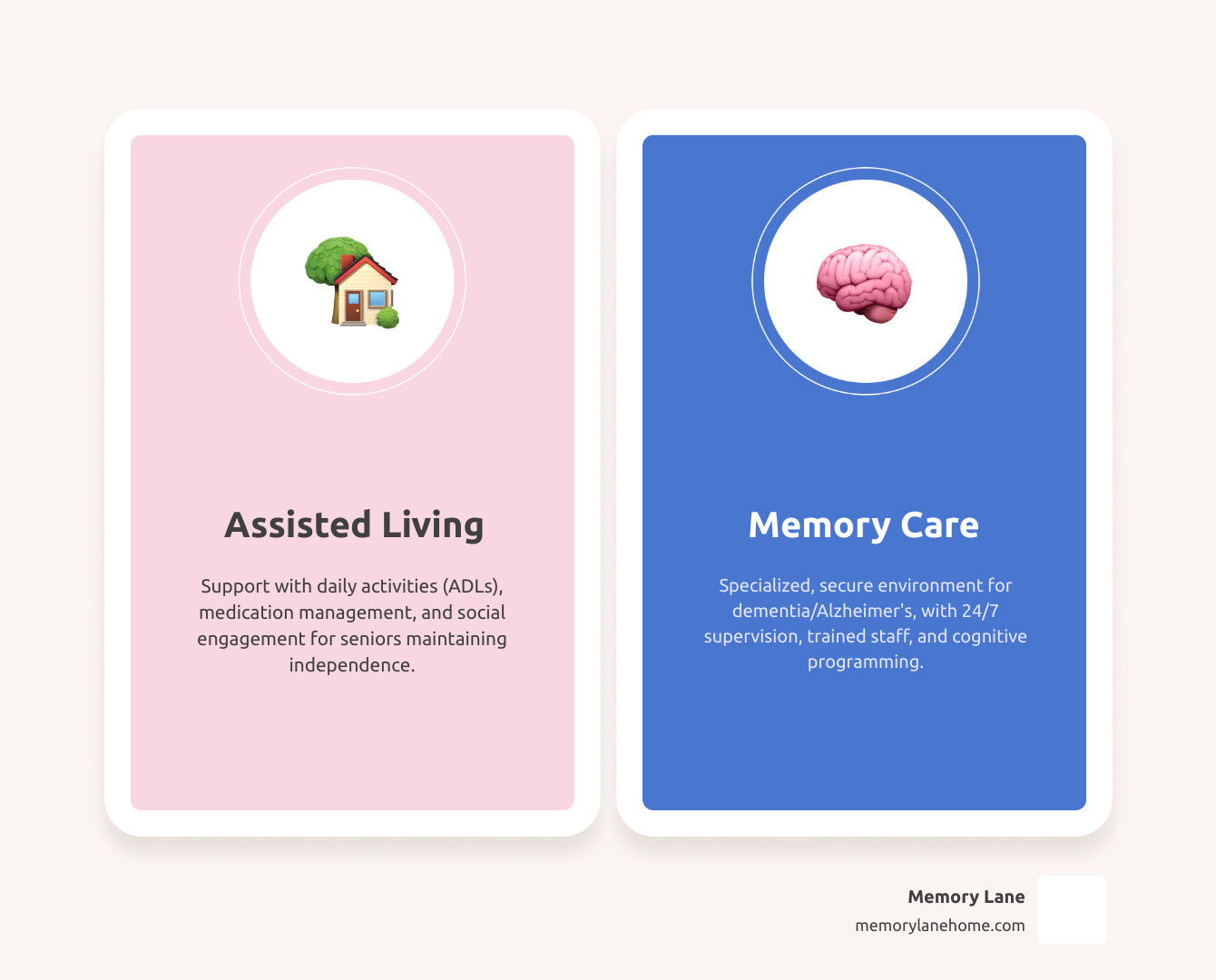
Understanding the distinctions between senior living options is crucial. Memory care is a specialized form of long-term care designed for individuals with Alzheimer’s or other forms of dementia. It goes beyond the general support of assisted living by providing a highly structured, secure, and therapeutic environment custom to the needs of those with cognitive decline.
Assisted living provides support with Activities of Daily Living (ADLs) like bathing and dressing for seniors who are largely independent. Memory care offers a higher level of supervision for those who may face disorientation, wandering, or communication difficulties. At Memory Lane, our goal is to provide this 24/7 personalized, compassionate support, ensuring safety and enhancing quality of life.
Here’s a quick look at how memory care stands out:
| Feature | Memory Care | Assisted Living |
|---|---|---|
| Staff Training | Specialized training in dementia care, communication techniques, and behavioral support (e.g., CDP certified) | General training for ADL assistance, medication management, and general senior care |
| Security Features | Controlled access points, wander management systems, secure outdoor spaces, 24/7 supervision | Generally open access, emergency call systems, less emphasis on wander prevention |
| Environment Design | Dementia-friendly architecture: clear way-finding cues, soothing colors, natural light, intimate dining | Homelike apartments and common areas, less specialized design for cognitive impairment |
| Activity Programming | Custom cognitive stimulation, reminiscence therapy, sensory activities, structured daily routines | General social activities, outings, fitness classes, less focus on dementia-specific needs |
| Typical Cost | $4,500 – $7,500+ per month (Michigan average, varies by location and services) | Generally lower than memory care, also varies by location and services |
In memory care, assistance with ADLs is delivered with specialized techniques that account for cognitive impairment. Our staff are trained to use patience and gentle prompts, helping residents maintain independence while ensuring their safety and comfort.
The specialization of memory care lies in its deep, holistic understanding of neurocognitive conditions. Care plans are customized and evolve as a resident’s needs change, ensuring they always receive the most appropriate support. Determining the right level of care involves a comprehensive assessment of medical, cognitive, and social needs, often prompted by safety concerns at home or increased caregiver stress.
Key Features of Michigan Memory Care Communities
When exploring memory care communities in Michigan, families should look for fundamental features designed to provide a high quality of life for residents with memory impairment. These features prioritize safety, specialized care, and meaningful engagement.

Core Components of Quality Memory Care:
- 24/7 Specialized Support: Trained staff are always present to assist with ADLs, manage medications, and respond to emergent needs, such as sundowning, with comfort and redirection.
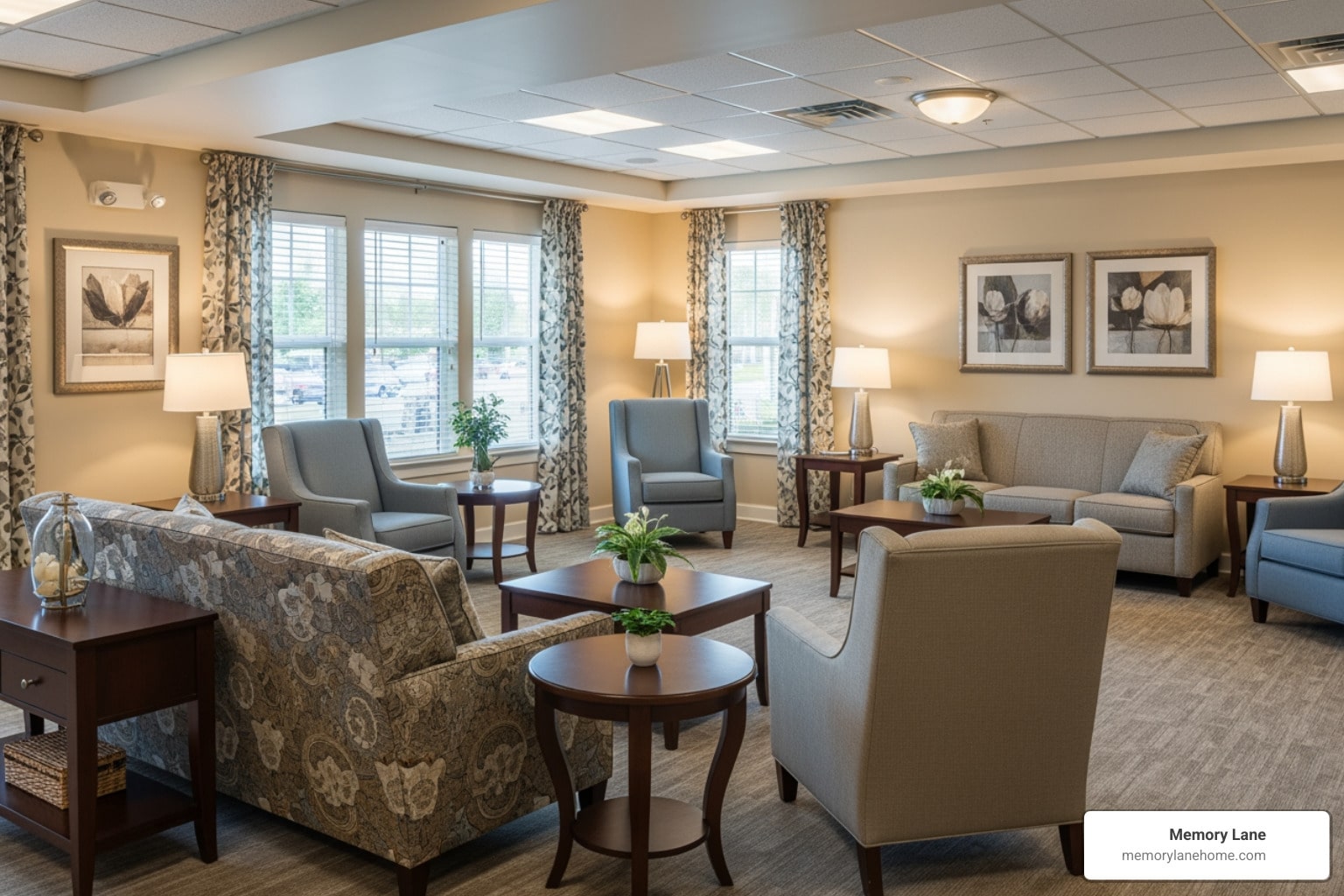
- Dementia-Friendly Architecture: The physical environment is designed to reduce confusion and improve safety. This includes clear way-finding cues, ample natural light to regulate sleep cycles, soothing color palettes, and secure common areas that encourage social interaction.
- Secure Environments: Safety is paramount. Communities feature controlled access points to prevent wandering, wander management systems to alert staff, and secure outdoor spaces like enclosed gardens for residents to enjoy safely.
- Staff Expertise: The heart of any program is its staff. Quality facilities invest heavily in training, including Certified Dementia Practitioner (CDP) certifications, sensitivity training to foster empathy, and ongoing education on the latest dementia care approaches.
- Family Support Programs: Dementia impacts the entire family. Leading communities offer support groups, educational workshops, and regular care plan meetings to keep families involved and supported.
- Holistic Wellness & Specialized Programming: A holistic approach addresses intellectual, emotional, social, and physical well-being. This is achieved through specialized, evidence-based programming:
- Cognitive Health: Activities like puzzles, memory games, and discussion groups keep the mind active.
- Therapeutic Activities: Music, art, and reminiscence therapies are used to evoke memories, encourage self-expression, and validate life stories.
- Sensory Stimulation: Aromatherapy, tactile objects, and nature walks provide calming and meaningful interaction.
- Physical Fitness: Adapted exercise programs are vital for maintaining mobility, balance, and overall health.
- Structured Routines: A consistent daily schedule provides comfort and reduces anxiety.
- Resident Safety and Security: Beyond a secure building, safety includes comprehensive emergency response protocols, fall prevention strategies (clear pathways, grab bars), and meticulous medication management to ensure residents receive correct dosages at the right times.
Understanding the Cost of Memory Care in Michigan
Navigating the financial aspects of memory care can be challenging. The cost of memory care in Michigan can vary, reflecting differences in location, amenities, and the level of personalized care provided.

Average Monthly Cost
In Michigan, the average monthly cost for memory care is approximately $5,250. However, costs can range from $4,500 to over $7,500 per month. Prices in metropolitan areas like Ann Arbor may be higher than the state average, depending on the specific community and services offered. For broader background on how memory care pricing compares to other senior living options, families can also review national data from sources like the Genworth Cost of Care Survey.
Factors Influencing Price
Several key elements contribute to the overall cost:
- Location: Facilities in areas with a higher cost of living typically have higher prices.
- Level of Care: The more intensive the personal care and medical management required, the higher the cost.
- Amenities: Communities with extensive amenities like private suites, gourmet dining, and fitness centers will charge more.
- Apartment Type: A private room or suite will cost more than a shared or semi-private room.
What’s Typically Included
Most memory care communities offer an all-inclusive monthly fee that covers a comprehensive range of services:
- Room and board
- Three daily meals and snacks
- Housekeeping and laundry
- Personal care assistance (ADLs)
- Medication management
- All specialized social and therapeutic activities
- 24/7 supervision and security
Potential Extra Fees
It’s crucial to ask about potential additional fees, which might include personal grooming services (salon), guest meals, specialized medical supplies, or transportation for personal appointments. We always recommend asking for a detailed breakdown of all costs upfront to ensure full transparency.
How to Choose the Right Facility for Your Loved One
Choosing the right memory care facility is a significant decision that requires careful research and an understanding of your loved one’s unique needs. Before you begin touring, take time to assess your loved one’s medical requirements, cognitive stage, social personality, and personal preferences. This will help you identify communities that are the best fit.
When researching, check state licensing reports for any past violations and read online reviews from other families. Once you have a shortlist, touring facilities is an essential step.
Touring Best Practices
- Visit Multiple Times: Visit at different times of day, such as during a meal or activity, to get a realistic sense of daily life.
- Observe Interactions: Pay close attention to how staff members engage with residents. Look for patience, kindness, and respect.
- Trust Your Gut: Your intuition is a powerful tool. If a community doesn’t feel right, it probably isn’t.
Use this checklist to guide your tour:
Memory Care Community Tour Checklist
- Environment & Safety: Is the facility clean, secure, and easy to steer? Are there safe outdoor spaces?
- Staff & Care: What is the staff-to-resident ratio? What dementia-specific training do they have (e.g., CDP)? How are care plans developed and updated?
- Programs & Activities: Is there a varied schedule of activities custom to different cognitive levels? Do residents seem engaged?
- Dining & Nutrition: Is the dining area pleasant? Are meals nutritious and accommodating to special diets?
- Family Support & Communication: How does the community communicate with families? Are there support groups or educational resources?
- Cost & Contracts: Request a detailed breakdown of all costs, including potential extra fees. Understand the contract terms.
Evaluating a Michigan Memory Care Facility
Beyond the tour, evaluate the facility’s operational quality. Inquire about the staff-to-resident ratio, especially overnight, and ask about staff turnover rates, as low turnover is a sign of a stable, positive environment. A quality facility will develop a highly personalized care plan that adapts to your loved one’s changing needs. At Memory Lane, our approach emphasizes custom care plans to improve each resident’s quality of life. Finally, ensure the community has clear, proactive family communication policies and a dining program that supports cognitive health through good nutrition.
Frequently Asked Questions about Memory Care
We understand that you likely have many questions as you consider memory care. Here, we address some of the most common inquiries.
When is the right time to transition to memory care?
There’s no single answer, but several signs suggest a transition may be beneficial for your loved one’s safety and well-being:
- Safety Concerns at Home: Wandering, misusing appliances, or forgetting to turn off the stove are serious risks.
- Increased Caregiver Stress: If you are feeling overwhelmed, exhausted, or your own health is suffering, it may be time to seek professional support.
- Social Isolation: Individuals with dementia may withdraw from social activities. Memory care offers structured engagement custom to their abilities.
- Decline in Personal Hygiene: Forgetting to bathe or change clothes can indicate a need for more consistent assistance.
- Progression of Symptoms: If cognitive decline is significantly affecting daily life, specialized care provides the necessary expertise and support.
The decision should be made collaboratively with family and healthcare professionals, always prioritizing the individual’s needs.
What kind of staff training is standard in quality memory care?
The expertise of the staff is a critical differentiator. Here’s what you should expect:
- Certified Dementia Practitioner (CDP): Key staff with this certification have extensive, specialized knowledge in dementia care.
- Training in De-escalation: Staff should be skilled in calmly and patiently managing challenging behaviors.
- Specialized Communication Techniques: Staff are trained in non-verbal cues and other methods to understand and respond to residents’ needs.
- Empathy and Sensitivity Training: Quality training helps staff understand the resident’s perspective, fostering a compassionate and respectful environment.
- Ongoing Education: The field of dementia care is constantly evolving, so regular training on the latest best practices is essential.
How do communities support families and caregivers?
Excellent memory care communities provide robust support systems for families:
- Family Support Groups: These offer a vital space to connect with others facing similar challenges.
- Educational Workshops: Communities often host workshops on topics like understanding dementia and effective communication strategies.
- Regular Care Plan Meetings: Families should expect regular meetings with the care team to review and adjust the personalized care plan.
- Open Communication Channels: Communities should provide clear and consistent ways for families to stay updated and voice concerns.
- Family-Friendly Events: Many communities encourage family involvement through special events and activities to foster connection.
Conclusion: Finding Peace of Mind and Quality of Life
Choosing a Michigan memory care facility for a loved one is a profound decision, one driven by love and the desire for the best possible quality of life. We’ve explored the unique nature of memory care, its specialized features, the financial considerations, and the critical factors in selecting the right community.
The key decision factors revolve around:
- Specialized Care: Ensuring 24/7 support from staff trained specifically in dementia care.
- Secure Environment: Prioritizing safety through dementia-friendly design and wander management.
- Engaging Programs: Seeking activities that stimulate cognitive health and bring joy.
- Staff Expertise: Looking for certifications like CDP and a commitment to compassionate care.
- Family Support: Valuing communities that actively involve and support families.
The value of specialized, compassionate care cannot be overstated. It provides a structured, secure environment where individuals with dementia can thrive and find meaningful moments. This support allows families to shift from the role of primary caregiver back to being a loving family member.
For families seeking a community that provides personalized support and improves quality of life, consider exploring dedicated providers such as Memory Lane. We are committed to offering the kind of compassionate, individualized memory care that truly makes a difference.