Low-Cost Senior Living in Detroit: Options and Eligibility
Why Finding Affordable Assisted Living in Detroit Matters
Affordable assisted living facilities detroit offer a range of options for families seeking quality care without overwhelming costs. Here’s what you need to know:
Quick Answer: Top Affordable Options in Detroit
- Types of Facilities: Look for government-assisted (HUD) housing, communities with income-based rent, and facilities that accept Medicaid.
- Average Cost: $4,177-$4,621/month in Detroit vs. $4,459 national average
- Financial Help: MI Choice Waiver Program, Veterans Benefits, Medicaid resources available through Detroit Area Agency on Aging (313-446-4444)
Finding the right care for someone you love who’s experiencing memory loss or cognitive decline is overwhelming. You’re juggling emotions, logistics, and finances all at once. The good news? Detroit offers several affordable assisted living facilities detroit residents can access, with costs slightly below the national average and multiple financial assistance programs to help bridge the gap.
The average cost of assisted living in Detroit ranges from $4,177 to $4,621 per month, depending on the source and specific services needed. This is lower than the U.S. average of $4,459-$4,824, though costs have risen about 10% between 2022 and 2023 due to inflation. Memory care, which provides specialized support for dementia and Alzheimer’s, costs more at around $5,205-$5,565 monthly, while independent living averages $3,471-$3,831.
Detroit offers unique advantages for families seeking affordable senior care:
- Government-assisted housing options with income-based rent
- Medicaid-accepting facilities that provide services in residents’ own apartments
- The MI Choice Waiver Program, which helps eligible seniors receive care at home or in assisted living instead of nursing homes
- Multiple community resources through the Detroit Area Agency on Aging
I’m Jason Setsuda, CFO of Memory Lane Assisted Living and a board-certified Emergency Medicine Physician with over 10 years of medical experience and 5 years in medical administration. Through my work connecting seniors with affordable assisted living facilities detroit families trust, I’ve seen how the right community can transform quality of life for those with memory challenges while easing the burden on their loved ones.
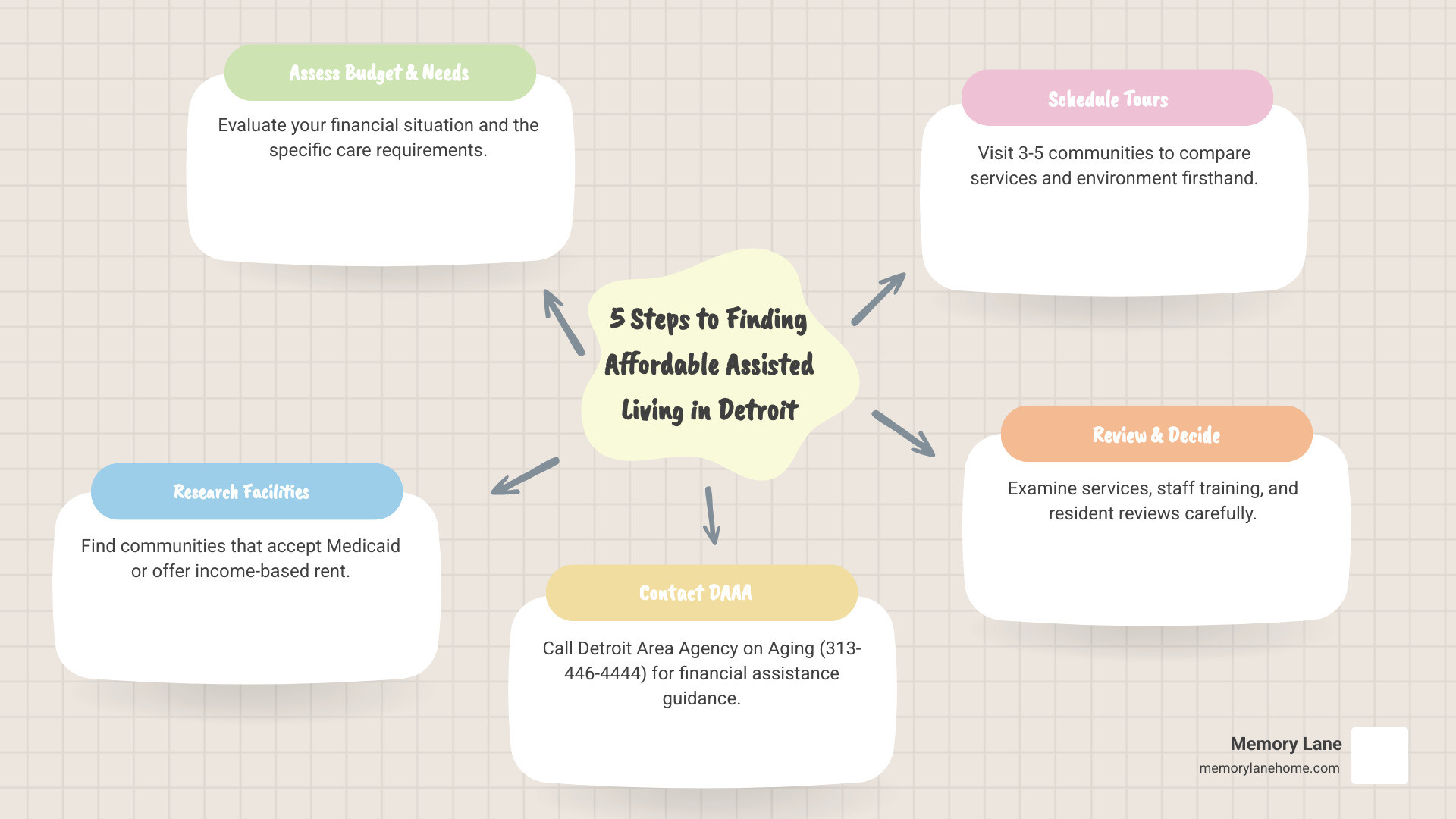
Affordable assisted living facilities detroit terms to know:
Understanding the Cost of Assisted Living in Detroit

When we begin the journey of finding senior care, one of the first and most significant considerations is the cost. It’s natural to feel a bit daunted by the numbers, but understanding the average costs and the factors that influence them can empower us to make informed decisions for our loved ones. We want to ensure that the care they receive is not only high-quality but also financially sustainable.
Average Costs in Detroit vs. State and National Averages
Let’s talk numbers. The cost of assisted living can vary significantly, even within the same city. In Detroit, seniors typically pay between $4,177 and $4,621 per month for assisted living services. This range reflects the diverse offerings and amenities available across different communities.
How does this compare to the broader picture?
- Michigan Average: The state average for assisted living generally falls between $4,111 and $4,555 per month. This means Detroit’s costs are quite comparable to, and sometimes slightly above, the Michigan average.
- U.S. National Average: Nationally, assisted living costs typically range from $4,459 to $4,824 per month. This is excellent news for Detroit residents, as the city’s average cost is often below the national benchmark. This makes affordable assisted living facilities detroit a very real possibility for many families.
To give you a clearer perspective, let’s look at some comparisons from our research. While Detroit’s costs are generally favorable compared to the national average, they can be significantly higher than some nearby areas. For instance, seniors in Westland might pay around $3,119 per month, highlighting how location within the broader metro area can impact pricing. However, other areas can be much more expensive; for example, some communities outside of Detroit might charge upwards of $6,290 per month.
For detailed information on the cost of care, including a breakdown by state and service type, we often refer to comprehensive resources like the Genworth Cost of Care Survey. This resource helps us benchmark Detroit’s prices against a wider context.
It’s also important to note the impact of inflation. Between 2022 and 2023, assisted living costs in Detroit saw an increase of approximately 10%. Projections suggest another 8% increase by 2024, pushing the average closer to $4,498 monthly. This trend underscores the importance of planning and exploring financial assistance options early.
Factors That Influence Pricing
Why do costs vary so much? Several factors contribute to the final price tag of assisted living:
- Level of Care: This is arguably the biggest determinant. Assisted living facilities provide varying degrees of support for Activities of Daily Living (ADLs) such as bathing, dressing, eating, toileting, and medication management. A resident requiring minimal assistance will incur lower costs than someone needing extensive, personalized care, especially if they have advanced memory impairment.
- Room Type: The type and size of the living space play a significant role. Options typically include:
- Semi-private rooms: Often the most economical choice, sharing a room with another resident.
- Private rooms: Offer more personal space and privacy.
- Studio apartments: A single room with a private bathroom and sometimes a small kitchenette.
- One-bedroom or two-bedroom apartments: Provide more living space, often with separate sleeping and living areas, which naturally come at a higher cost.
- Facility Amenities: Communities offering a wide array of amenities, such as gourmet dining, swimming pools, fitness centers, beauty salons, libraries, and extensive social programs, will typically have higher base rates. While these can improve quality of life, we must weigh their value against the budget.
- Community Location: Even within Detroit, specific neighborhoods can influence pricing due to real estate values, demand, and local economic factors. Facilities closer to downtown or in more affluent areas might be more expensive.
- Staff-to-Resident Ratio: A higher staff-to-resident ratio often translates to more individualized attention and quicker response times, but it also increases the facility’s operating costs, which are then passed on to residents.
- Specialized Services: Facilities that offer specialized programs, such as those catering to specific dietary needs, physical therapy on-site, or advanced memory care, will have additional costs associated with these services.
Cost and Care Differences: Assisted Living vs. Other Senior Living
It’s crucial to understand the distinctions between different types of senior living to choose the most appropriate and cost-effective option. Here’s a comparison of the main categories in Detroit:
| Senior Living Type | Average Detroit Cost (Monthly) | Key Services Offered | Ideal Resident |
|---|---|---|---|
| Independent Living | $3,471 – $3,831 | Housing, basic utilities, social activities, minimal or no personal care | Active, mostly independent seniors who want a maintenance-free lifestyle and community connection |
| Assisted Living | $4,177 – $4,621 | Help with ADLs, medication management, meals, housekeeping, transportation, activities | Seniors who need regular support with daily tasks but do not require 24/7 skilled nursing |
| Memory Care | $5,205 – $5,565 | Secure environment, specialized dementia and Alzheimer’s programming, higher staff supervision, structured routines | Seniors with memory loss, dementia, or Alzheimer’s who need a safe setting and specialized support |
Financial Assistance and Ways Financial Assistance and Ways to Pay for Care

The journey to securing quality senior care often involves navigating complex financial landscapes. Many families, including ours, find themselves asking: “How do we make this work financially?” The good news is that Detroit residents have access to various programs and resources designed to make affordable assisted living facilities detroit a reality. We’ll explore government programs, veterans’ benefits, and other payment options that can significantly ease the financial burden.
Government Programs: Medicaid and the MI Choice Waiver
For many, government assistance is a lifeline, and Michigan offers crucial programs to support seniors in need of assisted living.
MI Choice Waiver Program
The MI Choice Waiver Program – Detroit is a standout resource. This program allows eligible seniors to receive the care they need in their own homes or within an assisted living community, rather than being institutionalized in a nursing home. Its primary goal is to delay or prevent admission into a more restrictive and often more expensive institutional care setting. For families seeking affordable assisted living facilities detroit, this waiver can be a game-changer, as it helps cover the costs of personal care services within a community setting. To learn more about eligibility and the application process, contacting the Detroit Area Agency on Aging at 313-446-4444 is an excellent first step.
Medicaid Eligibility
Medicaid is a state and federal program that provides health coverage to low-income individuals. In Michigan, our Medicaid program can cover some of the costs associated with assisted living for eligible seniors. The eligibility requirements typically involve:
- Income Limits: Applicants must meet specific monthly income thresholds, which vary based on family size and other factors.
- Asset Limits: There are also limits on countable assets (excluding certain items like a primary residence, a car, and personal belongings).
- Medical Need: Applicants must demonstrate a medical need for assisted living services, typically assessed by a healthcare professional.
Understanding these requirements can be intricate, but resources are available to guide us. The Michigan Medicaid Program website provides comprehensive details, and local Area Agencies on Aging can offer personalized assistance with the application process.
Veterans Benefits for Senior Living
Our nation’s veterans and their spouses have earned benefits that can significantly help with senior living costs. The Department of Veterans Affairs (VA) offers several programs, including:
- VA Aid and Attendance: This benefit provides additional monetary assistance to veterans and surviving spouses who require the aid of another person to perform daily activities, are bedridden, are a patient in a nursing home, or have severely limited eyesight.
- Housebound Benefits: This benefit is available to veterans who are substantially confined to their homes due to a permanent disability.
Both Aid and Attendance and Housebound benefits can be used to help offset the costs of assisted living. Eligibility typically depends on the veteran’s service history, income, assets, and medical need. We encourage veterans and their families in Detroit to reach out to the Detroit Vet Center at 313-822-1141 or the John D. Dingell Department of Veterans Affairs Medical Center at 313-576-1000 for free and confidential counseling and assistance with navigating these benefits. The VA Detroit Regional Office is also a valuable resource for understanding available services.
Other Payment Options
Beyond government programs, several other avenues can help us finance assisted living:
- Long-Term Care Insurance: If our loved one has a long-term care insurance policy, it can cover a portion or even all of assisted living expenses, depending on the policy’s terms. These policies are designed to cover services that assist with ADLs.
- Reverse Mortgages: For homeowners, a reverse mortgage allows them to convert a portion of their home equity into cash without having to sell the home or make monthly mortgage payments. This can provide a significant lump sum or monthly payments to cover care costs. We should consult with a financial advisor to understand if this is a suitable option for our family.
- Life Insurance Policy Conversion: Some life insurance policies can be converted into a long-term care benefit plan. This allows us to use the policy’s value to pay for assisted living without waiting for a death benefit.
- Annuities: Certain annuities can be structured to provide a steady stream of income, which can then be used to pay for ongoing assisted living costs.
- Private Funds: Savings, investments, and other personal assets remain a common way to cover costs. This might include drawing from retirement accounts, selling assets, or receiving contributions from family members.
Exploring these options thoroughly can reveal pathways to making affordable assisted living facilities detroit accessible for our loved ones.
Finding Affordable Assisted Living Facilities in Detroit
Now that we understand the costs and various financial assistance options, let’s turn our attention to finding the actual affordable assisted living facilities detroit has to offer. The term “affordable” can mean different things to different families, but generally, we’re looking for communities that provide quality care and essential services at a price point that aligns with our budget, often supported by the financial aid we’ve discussed.
What to Expect from an Affordable Assisted Living Facility in Detroit
It’s a common misconception that “affordable” means compromising on quality or essential services. This isn’t necessarily true, especially when we consider facilities that accept government subsidies or have income-based rent structures. When we look for affordable assisted living facilities detroit, we should still expect a core set of services designed to support our loved one’s well-being and independence:
- Core Services: These include a safe and comfortable living environment, usually in a private or semi-private room, with 24-hour supervision and support.
- Medication Management: Assistance with remembering to take medications, organizing prescriptions, and sometimes administering them, is a standard and crucial service.
- Assistance with Activities of Daily Living (ADLs): This is the hallmark of assisted living. Residents receive help with personal care tasks like bathing, dressing, grooming, eating, and mobility, custom to their individual needs.
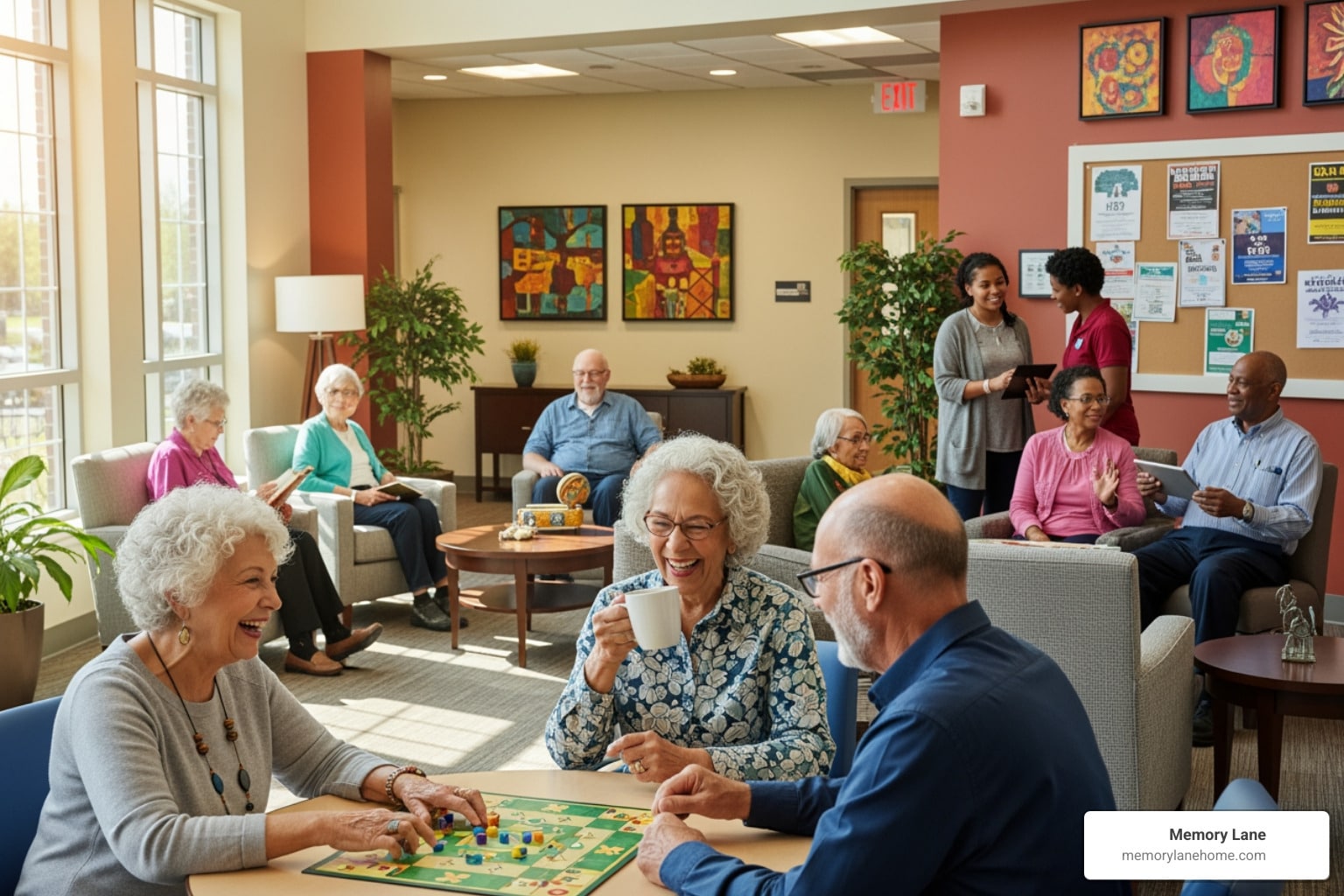
- Social and Recreational Activities: Even in affordable settings, communities strive to offer engaging activities to promote social interaction, mental stimulation, and physical well-being. These might include group exercises, games, crafts, movie nights, or outings.
- Dining Services: Most facilities provide three nutritious meals a day, often served in a communal dining room, which also fosters social engagement. Accommodations for common dietary restrictions (like diabetic care) are typically available.
- Housekeeping and Laundry: Regular cleaning of living spaces and laundry services contribute significantly to a resident’s comfort and hygiene.
While the ambiance might be less luxurious than high-end facilities, the fundamental care and support should always be present. Our priority is a safe, caring, and supportive environment where our loved one can thrive.
Examples of Affordable and Government-Assisted Senior Housing
Detroit is home to several communities that specifically cater to seniors seeking more budget-friendly options, often through government assistance or income-based models. These facilities are critical for making affordable assisted living facilities detroit accessible.
Here are some types of affordable facilities to look for:
- Medicaid-Accepting Facilities: Some assisted living communities directly accept Medicaid or work with programs like the MI Choice Waiver to cover services. In some models, tenants can receive Medicaid-funded services right in the privacy of their own apartments within the community, allowing for integrated, affordable care.
- Government-Assisted Housing (HUD): These communities offer housing where rental rates are subsidized based on a resident’s income, often set at 30% of the adjusted annual income. While primarily housing, such communities can often coordinate with external home care agencies or the MI Choice Waiver to bring in assisted living services.
- Affordable Rental Communities for Seniors: Other communities focus on providing affordable rental housing for seniors, often with age restrictions (e.g., 62 and older). They may offer handicap-accessible floor plans and provide a cost-effective living solution where residents can arrange for external support services as needed.
At Memory Lane, we understand the nuances of finding care that aligns with both needs and budget. Our goal is to provide exceptional care for individuals with dementia and Alzheimer’s, and we work to help families understand how to access available financial assistance to make our specialized services more attainable. We believe everyone deserves compassionate, quality care. You can learn more about our assisted living homes in Detroit, Michigan.
Additional Low-Cost Senior Living Options
Beyond traditional assisted living models, Detroit offers other avenues for seniors seeking lower-cost living and support:
- Senior Apartments: These are typically independent living communities or age-restricted housing complexes that offer amenities like communal spaces, social activities, and sometimes transportation, but generally do not include personal care services. However, they are often more affordable than assisted living and can be a good option for active seniors. Residents can then hire private home care services as needed.
- Home Care Services: For seniors who wish to remain in their own homes, home care can be a cost-effective alternative to moving into a facility, especially if their needs are not extensive. Services can range from companionship and meal preparation to assistance with ADLs. The cost is usually hourly, making it flexible and scalable.
- Community-Based Support Programs: Detroit has a robust network of community programs that offer support to seniors, helping them maintain independence at home and defer the need for facility-based care. These include adult day services, senior centers, and various aid programs discussed in the next section.
Essential Resources for Detroit Seniors and Their Families
Navigating senior care in Detroit extends beyond finding a facility; it also involves connecting with a network of support services and understanding local regulations. We believe that empowering families with knowledge about these resources is just as crucial as helping them find affordable assisted living facilities detroit.
Local Agencies and Support Services
Detroit is rich with organizations dedicated to supporting its senior population. These agencies can provide invaluable assistance, from financial guidance to nutritional support.
- Detroit Area Agency on Aging (DAAA): This is a cornerstone resource for seniors in Detroit. The Detroit Area Agency on Agency provides a wide range of services, helping seniors maintain a high quality of life. They connect individuals to local programs such as nutrition services, transportation, support groups, and health and wellness initiatives. We highly recommend contacting them at 313-446-4444 for comprehensive guidance on financial aid, in-home care, and long-term care planning.
- Nutrition Services: Ensuring proper nutrition is vital for senior health.
- Meals on Wheels – Detroit combats hunger and social isolation by delivering meals directly to seniors’ homes. You can reach them at 313-446-4444.
- Gleaners Community Food Bank (866-453-2637) offers a variety of food pantries catering to seniors and individuals in need, with varying eligibility requirements and collection methods.
- Legal Aid: Legal matters can become more complex with age, especially concerning estate planning, benefits, and elder abuse. The Legal Aid and Defender Association, Inc. – Detroit (313-967-5555) offers free legal aid to seniors for issues related to SSI, RSDI, Medicaid/Medicare, and public health insurance benefits.
- Home Repair and Modifications: For seniors living independently, ensuring their home is safe and accessible is crucial. The Weatherization Assistance Program (WAP) – Detroit (313-388-9799) offers cost-saving solutions for low-income homeowners and renters, enhancing home efficiency and safety.
- Senior Engagement and Financial Aid: Bridging Communities Eldercare Services (313-361-6377) partners with local organizations to offer financial aid, case management, and home repairs to seniors in Detroit, focusing on comprehensive needs assessment.
- Social Security Offices: For questions regarding retirement benefits, disability allowances, and Supplemental Security Income (SSI), the Detroit Social Security Offices (800-772-1213) are the go-to resource.
Navigating Detroit: Transportation and Accessibility
Mobility is key to maintaining independence and accessing necessary services. Detroit offers several transportation options for seniors:
- SMART Reduced Fare ID: The SMART bus service in Detroit provides discounted fares for seniors aged 65 and older. With a valid transit ID, seniors can enjoy a 75% reduction in fare, paying only 50 cents per trip instead of the standard $2. Obtaining a Reduced Fare ID pass verifies age and grants access to these savings. For more information, visit SMART Reduced Fare ID or call 866-962-5515.
- Facility-Provided Transportation: Many assisted living facilities, especially those that aim to be affordable assisted living facilities detroit, include transportation services as part of their amenities. This can range from scheduled trips to appointments and shopping centers to recreational outings. When researching facilities, we always ask about their transportation offerings.
- Public Transit: While the QLine and People Mover are often highlighted for downtown attractions, the broader SMART bus system provides essential connectivity across Detroit and its suburbs, offering accessible routes for seniors.
Understanding Michigan’s Assisted Living Regulations
Ensuring the safety and quality of care in assisted living facilities is paramount. In Michigan, assisted living facilities are regulated by the Michigan Department of Licensing and Regulatory Affairs (LARA). These regulations cover various aspects to protect residents:
- State Licensing: All assisted living facilities must be licensed by LARA, ensuring they meet specific health, safety, and operational standards.
- Oversight and Inspections: LARA conducts regular inspections and investigations to ensure ongoing compliance with state regulations.
- Resident Rights: Regulations outline the rights of residents, including the right to dignity, respect, privacy, and participation in their care planning.
- Staffing Requirements: There are specific requirements for staff qualifications, training, and appropriate staff-to-resident ratios to ensure adequate care and supervision. This is especially critical in memory care settings.
- Complaint Procedures: LARA provides mechanisms for residents and their families to file complaints about a facility’s care or practices, ensuring accountability.
We strongly advise families to familiarize themselves with these regulations and to check a facility’s licensing status and inspection reports before making a decision. This due diligence helps us ensure our loved one receives care in a safe and regulated environment.
Conclusion
Navigating the landscape of senior care, particularly when seeking affordable assisted living facilities detroit, can feel like a monumental task. However, by understanding the costs, exploring financial assistance programs, and leveraging local resources, we can find compassionate and quality care that fits our family’s needs and budget.
Key Takeaways:
- Detroit’s Affordability: The cost of assisted living in Detroit is often lower than the national average, making it a viable option for many.
- Importance of Research: Thoroughly researching facilities, understanding their services, and reading reviews is crucial for making an informed decision.
- Financial Aid Availability: Programs like the MI Choice Waiver, Medicaid, and Veterans Benefits can significantly reduce out-of-pocket expenses. Don’t hesitate to explore these options.
- Specialized Care Needs: For those with dementia or Alzheimer’s, specialized memory care facilities offer custom support, a secure environment, and staff trained to manage cognitive decline, albeit at a higher cost.
- Community Resources: Detroit boasts a wealth of local agencies and support services that can assist seniors and their families every step of the way.
At Memory Lane, we specialize in providing 24/7 personalized, compassionate support for individuals with dementia and Alzheimer’s. We understand the unique challenges these conditions present and offer custom care plans, engaging activities, and a secure environment designed to improve our residents’ quality of life and independence. We are committed to helping families find solutions that provide peace of mind.
We hope this guide has illuminated the path to finding affordable assisted living facilities detroit residents can truly benefit from. You don’t have to steer this journey alone.
Find compassionate care at our assisted living homes in Detroit, Michigan.