Reliable Assisted Living Homes Near Saline, Michigan
Personalized Assisted Living Homes for Your Family’s Needs – Experience a Warm, Supportive Community Near Saline, Michigan.
Memory Lane Assisted Living near Saline is a dedicated memory care community providing compassionate, personalized support for seniors with Alzheimer’s and Dementia. Our experienced team ensures a safe, nurturing environment, delivering tailored care that enhances quality of life and offers peace of mind to families.
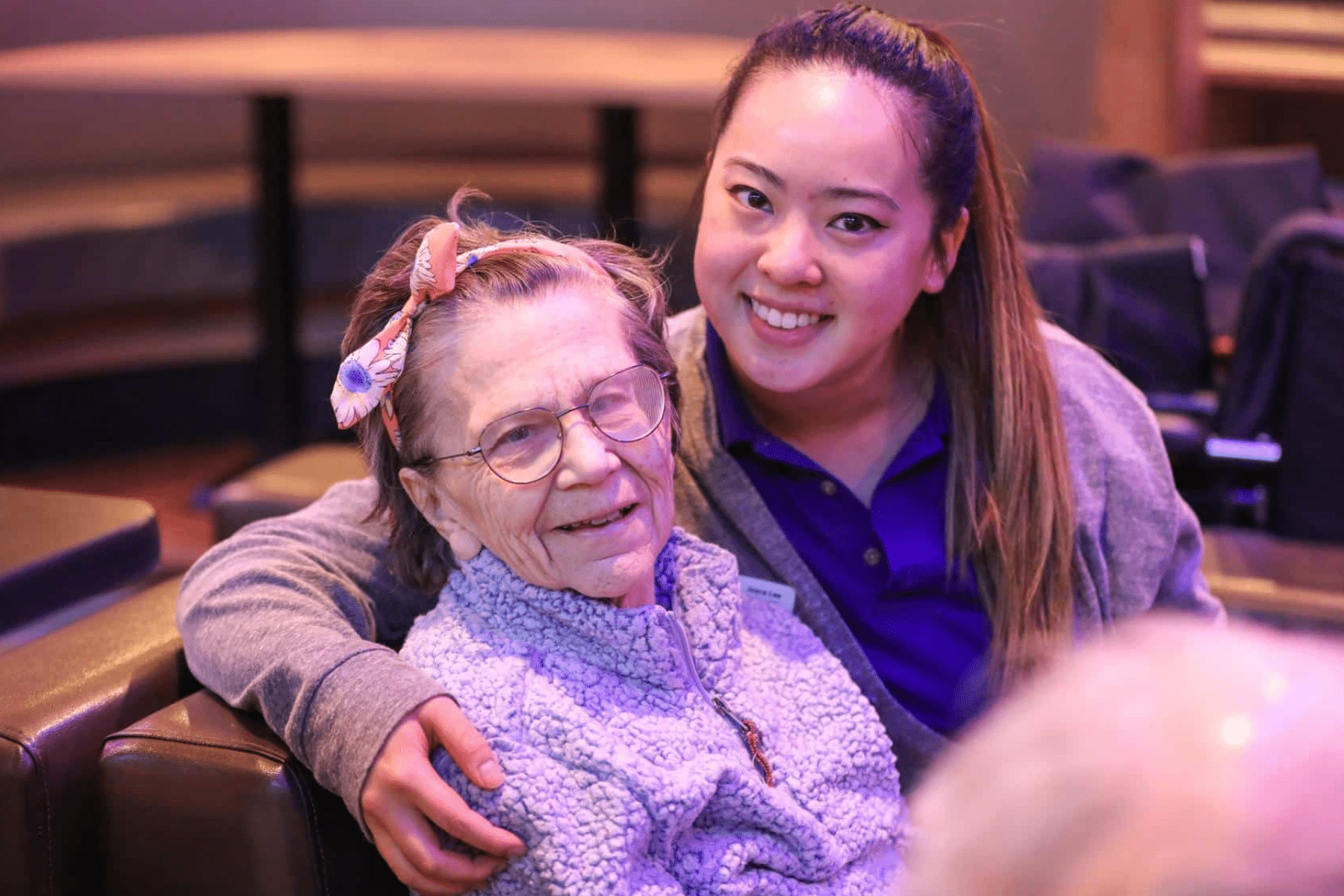
Top Reasons Saline Residents Trust Memory Lane Assisted Living
Trusted Assisted Living Homes in Saline, Michigan – See What Our Customers Think!
★★★★★
“When I was trying to find a place for my husband with Lewy Body Dementia regular nursing homes would not accept him because of the anger outbursts that go along with LBD. A social worker from Toledo Hospital was helping me. She said she had not heard of Memory Lane Assisted Living, but to look into it. The first sentence was We Accept Lewy Body Dementia residents. My daughter and I made an appointment to visit the Carpenter Road home. I paid her that day and we moved my husband in. I’ve never worried about His care. I thank GOD every day for bringing us to Memory Lane. We have been there for almost a year and feel so Blessed.”
- Debra B.
★★★★★
“Our family is so pleased that we found this wonderful home for my wife and our grandkids’ Nana. The staff are all absolute gems who are so well trained and so passionately loving and caring with the residents. Memory Lane specializes in caring for all the various forms of dementia by providing for the individual needs of each of the resident’s special needs. With only six residents in each home the ratio of caregivers to those living there is so much better than in the larger corporate “memory care“ facilities.”
- Jim M.
★★★★★
“As a primary care provider I have spent countless hours in various assisted living homes. I have never had the pleasure of experiencing care of a dementia patient as I have here at Memory Lane. The owner of this facility is highly knowledgeable of the different types of dementia and prepares a care plan for each resident based in their diagnosis, past history, their hobbies, the foods they enjoy, the music they like, ect… You can literally feel the love when you walk into each and every one of the Memory Lane Homes. I highly recommend this facility as this is where I would place my own family member if that difficult decision did arise.”
At Memory Lane , we offer more than just Assisted Living Homes—we provide a home. With transparency, excellent nurse-to-patient ratios, and a cozy, comforting environment, families can trust us to prioritize their loved ones’ well-being and peace of mind.
More Staff per Resident
At many assisted living facilities in Michigan, the ratio of staff to residents is 1:10. During the night hours, this ratio can even go down to …
Transparency
Many memory care facilities charge residents more once they require a higher level of care. But because we understand the progressive …
Providing the Comforts of Home
At Memory Lane, we believe that people with dementia benefit most from being in a safe, intimate, engaging environment where they can …
Your Trusted Local Assisted Living Homes Experts
Memory Lane proudly serves families in Saline, Michigan, and surrounding communities. Our specialized memory care provides compassionate support for seniors with Alzheimer’s and dementia, tailored to meet individual needs. We’re committed to creating a safe and welcoming environment for your loved ones, right here in Saline, Michigan.

Why Choose Memory Lane for Reliable Assisted Living Homes Near Saline, Michigan?
Personalized, Compassionate Care
Memory Lane focuses on tailored care plans that celebrate each resident’s remaining strengths and abilities, offering a compassionate approach that uplifts their sense of dignity and purpose daily.
Specialized Memory Care Environment
Unlike general senior living facilities, Memory Lane provides a structured yet homelike setting designed specifically for those with Alzheimer’s and other forms of dementia, maximizing comfort and safety.
24/7 Hands-On Support
With round-the-clock care from highly trained caregivers, Memory Lane ensures consistent, attentive support tailored to the unique needs of residents with cognitive impairments.
Engaging, Purposeful Activities
Memory Lane curates stimulating programs that encourage cognitive engagement, fostering a sense of accomplishment, joy, and social connection for each resident.
Experienced, Kindhearted Team
Every Memory Lane caregiver is selected for their expertise in memory care and their genuine compassion, creating a warm, family-like atmosphere where residents truly feel at home.
Get Started Today!
At Memory Lane, we are solely focused on dementia care—it’s our purpose and our passion. If you would like to be a part of an amazing community that provides loving dementia care in the comfort of a home environment, reach out to us today!
Learn More About Our Memory Care Community near Saline, Michigan
We would love to provide a tour for you and any other family members or your loved one. Give us a call at (734) 849-4220 to schedule a time that is convenient for you. After the tour, if you are interested in moving forward, our Recreational Therapist will provide an assessment for your family member to get to know them and see which of our three homes they would enjoy living in the most.
Memory Lane has three residences each with six private bedrooms. If all of the bedrooms are occupied, we are happy to add your loved one to a waiting list. Contact us today for a tour and to be placed on the waiting list!
Yes, we want Memory Lane to be the best place that your loved one lives and remove any stresses associated with moving. Memory Lane is equipped for residents at and until the end of their lives, where their new family and friends will always be with them.
Our homes and grounds are monitored 24/7 by a video security system and our homes are fully alarmed for utmost safety. And because our staff-to-patient ratio is more than double what you’ll get at most other homes, someone will always be there to respond and ensure that residents are safe. Many facilities have a ratio of 1:10 during the day and up to 1:24 at night. Our ratio is 1 staff member for every 3 patients during the day and 1 for every 6 at night.
Our Memory Lane homes are beautiful 6-bedroom homes in a peaceful Ypsilanti neighborhood. Each house is not just “home-like”—it is actually a home. We have a large deck on the back of the houses where residents can enjoy the warmer months and spend time together doing activities that add purpose and fulfillment to every life. Come see it for yourself to experience the feeling of home for yourself!
Families are welcome and encouraged to visit from 10:00am to 5:30pm. We respect our residents’ need for a consistent daily routine. Early mornings and late evenings are reserved for consistent wake and bedtime routines and scheduled hygiene needs with our caregivers. Visiting hours are limited in the interest of controlling overstimulation at critical points in the daily routine and keeping life safe, predictable, and consistent for our residents.
Every day we’ll be engaged in activities that make life feel purposeful. This includes daily exercise, social activities, craft projects, cooking and light cleaning (even if it’s just cracking an egg or dusting a shelf), eating meals together, celebrating holidays, and other fun activities.
You are welcome to take your loved one home or out to activities and events. We do request notification at least 2 days prior for appropriate preparation and planning to make sure your loved one is ready to leave the home. There may be situations of advanced disease where we would recommend against your loved one leaving the home other than for healthcare appointments.
We use cookies to ensure that we give you the best experience on our website. If you continue to use this site we will assume that you are happy with it.
disease, health care, insurance, health, memory, attention, cognition, nursing, medicare, aarp, nursing home, caregiver, therapy, confusion, activities of daily living, quality of life, assisted living, medication, patient, community, health insurance, registered nurse, behavior, cost, life insurance, exercise, physician, medicare advantage, music therapy, music, veteran, brain, medicaid, residential care, respite care, los angeles, socialization, boston, policy, meal, memory care units, memory care services, reference, memory care facility, memory care facilities, medicare advantage plans, stimulation, denver, stress, diet, management, bathroom, housekeeping, risk, nutrition, aggression, art, art therapy, budget, home care, hygiene, information, risk factor, laundry, new jersey, mind, recreation, new mexico, reminiscence therapy, new hampshire, drug, north dakota, tool, safety, internet, research, certification, vermont, nevada, rhode island, social isolation, email address, expense, dementia, dallas, atlanta, assisted living memory, tax, tennessee, illinois, zip code, pennsylvania, connecticut, kentucky, georgia, south carolina, colorado, virginia, massachusetts, regulation, north carolina, kansas, mississippi, village, wisconsin, alabama, sms, schedule a tour, assisted living residents, quality, website, assisted living services, senior living community, assisted living facility, living communities, owner, contact, assisted living community, schedule, assisted living communities, daily living, long term care, communities, retirement, vibrant senior living, independent living, independent living assisted, senior, assisted living facilities, advisor, retirement homes near me, independent living near me, senior housing near me, senior independent living near me, retirement homes, senior communities near me, independent senior living near me, cedarhurst senior living, senior living communities near me, independent living for seniors, senior living near me, senior living, senior living communities, retirement living, senior living facilities, senior community, senior living options, best senior living communities, senior living prices, oregon, oklahoma, west virginia, ohio, find assisted living, a place for mom, senior care, options, seniors, living, facilities, care assisted living, alzheimer, assisted living senior
Frequently Asked Questions
What is memory care assisted living?
Memory care assisted living is a specialized form of housing designed to support seniors with Alzheimer’s and dementia, offering tailored care, safety, and activities that promote cognitive engagement in a nurturing environment.
When is it time for memory care?
Determining when it's time for memory care involves recognizing significant changes in a loved one's cognitive abilities, such as increased confusion, memory loss, or difficulty with daily tasks. If safety and well-being become concerns, it may be time to consider specialized care.
What is memory care facilities?
Memory care facilities are specialized residential communities designed to provide support and care for seniors with Alzheimer’s, dementia, and other cognitive impairments, ensuring a safe and nurturing environment tailored to their unique needs.
How much does memory care cost?
The cost of memory care varies based on factors such as location, level of care, and facility amenities. At Memory Lane Assisted Living in Saline, Michigan, we offer personalized care options tailored to individual needs, ensuring quality support for your loved ones.
What is memory care vs assisted living?
Memory care and assisted living serve different needs. Memory care focuses specifically on providing specialized support for seniors with Alzheimer’s and dementia, while assisted living offers broader assistance with daily activities for seniors who may not have cognitive challenges.
When to move from assisted living to memory care?
Deciding when to move from assisted living to memory care depends on the individual's increasing cognitive needs. If a loved one exhibits significant memory loss, confusion, or behavioral changes that require specialized support, it may be time to consider memory care.
What is memory care in assisted living?
Memory care in assisted living refers to specialized support and services designed for seniors with Alzheimer’s and dementia. It focuses on creating a safe, nurturing environment that promotes cognitive function and enhances the quality of life for residents.
What services are included in memory care?
The services included in memory care focus on providing specialized support for seniors with cognitive challenges, such as personalized care plans, daily assistance with activities, medication management, and engaging social activities tailored to enhance well-being.
How is memory care different from assisted living?
Memory care differs from assisted living in that it specifically caters to seniors with Alzheimer’s and dementia, offering specialized support and structured environments that focus on cognitive challenges, while assisted living provides more general support for daily activities.
What activities are offered in memory care?
The activities offered in memory care include engaging programs such as art therapy, music sessions, memory games, and social events designed to stimulate cognitive function and promote social interaction among residents.
How to choose a memory care facility?
Choosing a memory care facility involves evaluating the quality of care, staff qualifications, safety measures, and the environment's warmth. Visit potential facilities, ask about personalized care plans, and seek testimonials from families to ensure a good fit.
What qualifications do memory care staff have?
The qualifications of memory care staff include specialized training in dementia and Alzheimer’s care, certifications in first aid and CPR, and experience in providing compassionate support tailored to the unique needs of seniors with cognitive challenges.
What safety measures are in memory care?
The safety measures in memory care include secure environments with controlled access, regular staff supervision, personalized care plans, and safety features like handrails and non-slip flooring to prevent accidents and ensure residents' well-being.
How to transition to memory care smoothly?
Transitioning to memory care smoothly involves open communication with your loved one, gradual visits to the facility, and involving them in the process. Establishing routines and maintaining familiar items can also help ease the adjustment.
What is the average stay in memory care?
The average stay in memory care typically ranges from several months to a few years, depending on the individual’s needs and progression of their cognitive condition. Each resident's journey is unique, and care plans are tailored accordingly.
How to assess memory care quality?
Assessing memory care quality involves evaluating staff qualifications, personalized care plans, facility safety, resident engagement activities, and family testimonials. Visit potential facilities to observe interactions and ensure they align with your loved one's needs.
What are the signs of needing memory care?
The signs of needing memory care include frequent memory loss, difficulty with daily tasks, confusion about time or place, changes in mood or behavior, and withdrawal from social activities. If you notice these signs, it may be time to seek specialized support.
What is the role of family in memory care?
The role of family in memory care is crucial, as they provide emotional support, continuity of relationships, and valuable insights into the individual’s history and preferences, enhancing the overall care experience for seniors with cognitive challenges.
How to pay for memory care services?
Paying for memory care services involves various options, including private pay, long-term care insurance, and financial assistance programs. It's essential to explore these avenues to find the best fit for your family's needs.
What types of memory care programs exist?
The types of memory care programs include structured daily activities, individualized care plans, and specialized therapies designed to enhance cognitive function and promote social engagement for seniors with Alzheimer’s and dementia.
What is the environment like in memory care?
The environment in memory care is designed to be safe, nurturing, and engaging, featuring familiar surroundings and personalized activities that promote comfort and cognitive stimulation for seniors with Alzheimer’s and dementia.
How to find memory care near me?
Finding memory care near you involves researching local assisted living facilities that specialize in dementia and Alzheimer’s care. Consider visiting Memory Lane Assisted Living in Saline, Michigan, for compassionate, personalized support tailored to seniors with cognitive challenges.
What are the benefits of memory care?
The benefits of memory care include specialized support tailored to individuals with Alzheimer’s and dementia, promoting safety, social engagement, and cognitive stimulation in a nurturing environment, which enhances overall well-being and quality of life for seniors.
What is the process for memory care admission?
The process for memory care admission involves an initial assessment, where our team evaluates the needs of the senior. Following this, we guide families through the necessary paperwork and provide a tour of Memory Lane Assisted Living to ensure a comfortable transition.
How to evaluate memory care costs?
Evaluating memory care costs involves comparing facility fees, services offered, and the level of personalized care. Consider additional expenses, such as medications and activities, to ensure the chosen option fits your budget and meets your loved one's needs.
What is the staff-to-resident ratio in memory care?
The staff-to-resident ratio in memory care is crucial for ensuring personalized attention and support. At Memory Lane Assisted Living, we maintain a ratio that allows our trained caregivers to provide dedicated care, fostering a safe and nurturing environment for each resident.
What therapies are available in memory care?
The therapies available in memory care include cognitive stimulation therapy, music and art therapy, reminiscence therapy, and physical activities, all designed to enhance cognitive function and promote emotional well-being for seniors with Alzheimer’s and dementia.
How to communicate with someone in memory care?
Effective communication with someone in memory care involves using simple language, maintaining eye contact, and being patient. Approach conversations with warmth and understanding, allowing them time to respond and expressing reassurance through gestures and tone.
What are common misconceptions about memory care?
Common misconceptions about memory care include the belief that it is only for severe cases and that it lacks personalized support. In reality, memory care facilities like Memory Lane provide tailored, compassionate care for individuals at various stages of cognitive decline.
What is the importance of social activities in memory care?
The importance of social activities in memory care lies in their ability to enhance cognitive function, reduce feelings of isolation, and improve overall well-being. Engaging in social interactions helps seniors with memory challenges maintain connections and fosters a sense of community.
saline senior living, secure memory care homes near me, assisted living saline, saline assisted living, memory homes near me
disease, health care, insurance, health, memory, attention, cognition, nursing, medicare, aarp, nursing home, caregiver, therapy, confusion, activities of daily living, quality of life, assisted living, medication, patient, community, health insurance, registered nurse, behavior, cost, life insurance, exercise, physician, medicare advantage, music therapy, music, veteran, brain, medicaid, residential care, respite care, los angeles, socialization, boston, policy, meal, memory care units, memory care services, reference, memory care facility, memory care facilities, medicare advantage plans, stimulation, denver, stress, diet, management, bathroom, housekeeping, risk, nutrition, aggression, art, art therapy, budget, home care, hygiene, information, risk factor, laundry, new jersey, mind, recreation, new mexico, reminiscence therapy, new hampshire, drug, north dakota, tool, safety, internet, research, certification, vermont, nevada, rhode island, social isolation, email address, expense, dementia, dallas, atlanta, assisted living memory, tax, tennessee, illinois, zip code, pennsylvania, connecticut, kentucky, georgia, south carolina, colorado, virginia, massachusetts, regulation, north carolina, kansas, mississippi, village, wisconsin, alabama, sms, schedule a tour, assisted living residents, quality, website, assisted living services, senior living community, assisted living facility, living communities, owner, contact, assisted living community, schedule, assisted living communities, daily living, long term care, communities, retirement, vibrant senior living, independent living, independent living assisted, senior, assisted living facilities, advisor, retirement homes near me, independent living near me, senior housing near me, senior independent living near me, retirement homes, senior communities near me, independent senior living near me, cedarhurst senior living, senior living communities near me, independent living for seniors, senior living near me, senior living, senior living communities, retirement living, senior living facilities, senior community, senior living options, best senior living communities, senior living prices, oregon, oklahoma, west virginia, ohio, find assisted living, a place for mom, senior care, options, seniors, living, facilities, care assisted living, alzheimer, assisted living senior
Frequently Asked Questions
What is memory care assisted living?
Memory care assisted living is a specialized form of housing designed to support seniors with Alzheimer’s and dementia, offering tailored care, safety, and activities that promote cognitive engagement in a nurturing environment.
When is it time for memory care?
Determining when it's time for memory care involves recognizing significant changes in a loved one's cognitive abilities, such as increased confusion, memory loss, or difficulty with daily tasks. If safety and well-being become concerns, it may be time to consider specialized care.
What is memory care facilities?
Memory care facilities are specialized residential communities designed to provide support and care for seniors with Alzheimer’s, dementia, and other cognitive impairments, ensuring a safe and nurturing environment tailored to their unique needs.
How much does memory care cost?
The cost of memory care varies based on factors such as location, level of care, and facility amenities. At Memory Lane Assisted Living in Saline, Michigan, we offer personalized care options tailored to individual needs, ensuring quality support for your loved ones.
What is memory care vs assisted living?
Memory care and assisted living serve different needs. Memory care focuses specifically on providing specialized support for seniors with Alzheimer’s and dementia, while assisted living offers broader assistance with daily activities for seniors who may not have cognitive challenges.
When to move from assisted living to memory care?
Deciding when to move from assisted living to memory care depends on the individual's increasing cognitive needs. If a loved one exhibits significant memory loss, confusion, or behavioral changes that require specialized support, it may be time to consider memory care.
What is memory care in assisted living?
Memory care in assisted living refers to specialized support and services designed for seniors with Alzheimer’s and dementia. It focuses on creating a safe, nurturing environment that promotes cognitive function and enhances the quality of life for residents.
What services are included in memory care?
The services included in memory care focus on providing specialized support for seniors with cognitive challenges, such as personalized care plans, daily assistance with activities, medication management, and engaging social activities tailored to enhance well-being.
How is memory care different from assisted living?
Memory care differs from assisted living in that it specifically caters to seniors with Alzheimer’s and dementia, offering specialized support and structured environments that focus on cognitive challenges, while assisted living provides more general support for daily activities.
What activities are offered in memory care?
The activities offered in memory care include engaging programs such as art therapy, music sessions, memory games, and social events designed to stimulate cognitive function and promote social interaction among residents.
How to choose a memory care facility?
Choosing a memory care facility involves evaluating the quality of care, staff qualifications, safety measures, and the environment's warmth. Visit potential facilities, ask about personalized care plans, and seek testimonials from families to ensure a good fit.
What qualifications do memory care staff have?
The qualifications of memory care staff include specialized training in dementia and Alzheimer’s care, certifications in first aid and CPR, and experience in providing compassionate support tailored to the unique needs of seniors with cognitive challenges.
What safety measures are in memory care?
The safety measures in memory care include secure environments with controlled access, regular staff supervision, personalized care plans, and safety features like handrails and non-slip flooring to prevent accidents and ensure residents' well-being.
How to transition to memory care smoothly?
Transitioning to memory care smoothly involves open communication with your loved one, gradual visits to the facility, and involving them in the process. Establishing routines and maintaining familiar items can also help ease the adjustment.
What is the average stay in memory care?
The average stay in memory care typically ranges from several months to a few years, depending on the individual’s needs and progression of their cognitive condition. Each resident's journey is unique, and care plans are tailored accordingly.
How to assess memory care quality?
Assessing memory care quality involves evaluating staff qualifications, personalized care plans, facility safety, resident engagement activities, and family testimonials. Visit potential facilities to observe interactions and ensure they align with your loved one's needs.
What are the signs of needing memory care?
The signs of needing memory care include frequent memory loss, difficulty with daily tasks, confusion about time or place, changes in mood or behavior, and withdrawal from social activities. If you notice these signs, it may be time to seek specialized support.
What is the role of family in memory care?
The role of family in memory care is crucial, as they provide emotional support, continuity of relationships, and valuable insights into the individual’s history and preferences, enhancing the overall care experience for seniors with cognitive challenges.
How to pay for memory care services?
Paying for memory care services involves various options, including private pay, long-term care insurance, and financial assistance programs. It's essential to explore these avenues to find the best fit for your family's needs.
What types of memory care programs exist?
The types of memory care programs include structured daily activities, individualized care plans, and specialized therapies designed to enhance cognitive function and promote social engagement for seniors with Alzheimer’s and dementia.
What is the environment like in memory care?
The environment in memory care is designed to be safe, nurturing, and engaging, featuring familiar surroundings and personalized activities that promote comfort and cognitive stimulation for seniors with Alzheimer’s and dementia.
How to find memory care near me?
Finding memory care near you involves researching local assisted living facilities that specialize in dementia and Alzheimer’s care. Consider visiting Memory Lane Assisted Living in Saline, Michigan, for compassionate, personalized support tailored to seniors with cognitive challenges.
What are the benefits of memory care?
The benefits of memory care include specialized support tailored to individuals with Alzheimer’s and dementia, promoting safety, social engagement, and cognitive stimulation in a nurturing environment, which enhances overall well-being and quality of life for seniors.
What is the process for memory care admission?
The process for memory care admission involves an initial assessment, where our team evaluates the needs of the senior. Following this, we guide families through the necessary paperwork and provide a tour of Memory Lane Assisted Living to ensure a comfortable transition.
How to evaluate memory care costs?
Evaluating memory care costs involves comparing facility fees, services offered, and the level of personalized care. Consider additional expenses, such as medications and activities, to ensure the chosen option fits your budget and meets your loved one's needs.
What is the staff-to-resident ratio in memory care?
The staff-to-resident ratio in memory care is crucial for ensuring personalized attention and support. At Memory Lane Assisted Living, we maintain a ratio that allows our trained caregivers to provide dedicated care, fostering a safe and nurturing environment for each resident.
What therapies are available in memory care?
The therapies available in memory care include cognitive stimulation therapy, music and art therapy, reminiscence therapy, and physical activities, all designed to enhance cognitive function and promote emotional well-being for seniors with Alzheimer’s and dementia.
How to communicate with someone in memory care?
Effective communication with someone in memory care involves using simple language, maintaining eye contact, and being patient. Approach conversations with warmth and understanding, allowing them time to respond and expressing reassurance through gestures and tone.
What are common misconceptions about memory care?
Common misconceptions about memory care include the belief that it is only for severe cases and that it lacks personalized support. In reality, memory care facilities like Memory Lane provide tailored, compassionate care for individuals at various stages of cognitive decline.
What is the importance of social activities in memory care?
The importance of social activities in memory care lies in their ability to enhance cognitive function, reduce feelings of isolation, and improve overall well-being. Engaging in social interactions helps seniors with memory challenges maintain connections and fosters a sense of community.