
Find the best assisted living near me within 5 mi. Discover local benefits, essential services, costs, and financial aid for optimal care.

Caring Choices: The Best Dementia Facilities in Sacramento
Dementia care facilities Sacramento: Best 2026
Finding the Right Memory Care Home for Your Loved One
Dementia care facilities in Ann Arbor offer specialized support for individuals experiencing Alzheimer’s disease and other forms of dementia. If you’re searching for quality memory care in the Ann Arbor area, here’s what you need to know:
Quick Overview of Ann Arbor Memory Care:
- Average Cost: Varies significantly, typically several thousand dollars per month
- Number of Communities: A wide variety of options available in Washtenaw County
- Types of Care: Assisted living with memory care, dedicated memory care units, and residential care homes
- Key Services: 24/7 supervision, medication management, secure environments, specialized activities, and dementia-trained staff
Choosing a memory care facility is one of the most important decisions you’ll make for your loved one. It’s also one of the hardest. You’re balancing safety concerns, financial realities, and the deep desire to maintain your family member’s dignity and quality of life.
The good news? The Ann Arbor area offers a wide range of memory care options, from large communities with comprehensive programs to smaller, home-like residential settings. Each facility approaches dementia care differently—some emphasize structured daily routines, while others focus on sensory engagement or person-centered activities custom to individual abilities.
What makes quality dementia care? Look for facilities with specially trained staff, secure but comfortable environments, engaging activities, and personalized care plans. The best communities don’t just keep residents safe—they help them maintain connections, find moments of joy, and live with dignity.
I’m Jason Setsuda, CFO of Memory Lane Assisted Living and a Board Certified Emergency Medicine Physician with over 15 years of experience in business management and healthcare. Through my work with dementia care facilities in Michigan and as Medical Director for multiple care organizations, I’ve seen how the right environment and compassionate care can transform quality of life for individuals with cognitive decline.
Understanding Memory Care and When It’s Needed
When a loved one begins to experience cognitive decline, families often face difficult questions about their care needs. Memory care is a specialized form of long-term care designed specifically for individuals living with Alzheimer’s disease and other forms of dementia. It’s more than just assisted living; it’s a dedicated environment where every aspect, from the physical layout to the staff training and daily activities, is custom to support those with memory impairment.
Memory care facilities in the Ann Arbor area offer a comprehensive suite of services aimed at maintaining residents’ dignity, promoting engagement, and ensuring their safety. These services typically include:
- 24/7 Supervision and Support: Round-the-clock monitoring and assistance are paramount. This ensures immediate response to any needs, whether it’s a forgotten medication, a moment of confusion, or a safety concern. Trained staff are always on hand to provide personalized, compassionate support.
- Assistance with Activities of Daily Living (ADLs): As dementia progresses, individuals often need help with basic tasks like bathing, dressing, grooming, and eating. Memory care staff are skilled at providing this assistance with patience and respect, fostering a sense of independence where possible.
- Medication Management: Administering medications correctly and on schedule is crucial for managing health conditions. Facilities ensure residents receive their prescribed medications safely, reducing the risk of errors.
- Structured and Engaging Activities: A cornerstone of memory care is a robust activity program designed to stimulate cognitive function, encourage social interaction, and provide a sense of purpose. These are often therapeutic and adapted to various stages of dementia.
- Secure Environment: To prevent wandering and ensure safety, memory care units are typically secure, offering peace of mind to families. However, this security is balanced with a design that promotes freedom of movement within safe boundaries.
- Personalized Care Plans: Each resident receives an individualized care plan based on a comprehensive assessment of their needs, preferences, and cognitive abilities. These plans are continuously adapted as needs change, ensuring a continuum of care.
- Nutritional Support: Many individuals with dementia experience changes in appetite or eating habits. Memory care facilities often provide specialized menus, assistance during mealtimes, and a focus on healthy, balanced nutrition. Some even encourage residents to participate in meal preparation, fostering a sense of community.
- Housekeeping and Laundry: Regular housekeeping and personal laundry services free up residents’ energy for more engaging activities and maintain a clean, comfortable living environment.
- Transportation: For medical appointments or approved outings, transportation services are often provided, reducing the burden on families.
Our experience shows that many leading facilities emphasize holistic dementia care through programs that incorporate sensory engagement, structured routines, and personalized connection. Some focus on promoting a resident’s overall well-being across multiple domains, such as identity, connectedness, security, and joy. Others, particularly smaller residential homes, may focus on cherishing moments of clarity and connection. Many communities feature specialized, evidence-based memory care programs, with some offering dedicated programs for advanced stages of dementia or using interactive tools for virtual exploration and engagement.

Recognizing the Signs That Memory Care May Be Needed
Deciding when a loved one needs memory care is rarely easy. It’s often a gradual realization, prompted by increasing challenges at home. We encourage families to look for a combination of signs that suggest a higher level of specialized care might be beneficial:
- Safety Concerns: This is often the most pressing issue. Is your loved one wandering, getting lost, forgetting to turn off the stove, or having difficulty managing medications safely? A secure environment is crucial to prevent accidents.
- Decline in Personal Hygiene: Noticeable difficulties with bathing, dressing, or grooming, leading to neglect of personal care.
- Increased Confusion and Disorientation: Frequent confusion about time, place, or familiar faces, even in their own home.
- Social Withdrawal and Isolation: A decrease in participation in hobbies or social activities, leading to loneliness or depression, which can worsen cognitive decline.
- Caregiver Stress and Burnout: If you, as a caregiver, are feeling overwhelmed, exhausted, or unable to provide the consistent level of care needed, it’s a clear sign that professional help is warranted. We know how challenging this journey can be, and seeking support is a sign of strength, not failure.
- Unsafe Living Environment: The home environment may no longer be suitable, with hazards that cannot be easily mitigated.
- Aggression or Behavioral Changes: Increased agitation, aggression, or other challenging behaviors that are difficult to manage at home.
When these signs become persistent and impact your loved one’s safety or quality of life, it’s time to explore the specialized support offered by dementia care facilities in the Ann Arbor area.
Types of Dementia Care Settings in the Ann Arbor Area
The Ann Arbor area offers a diverse landscape of dementia care options, each designed to meet varying needs and preferences. Understanding the distinctions between these settings is key to making an informed choice.
Assisted Living with Memory Care vs. Dedicated Memory Care
The primary distinction often lies between assisted living facilities that offer memory care services and dedicated memory care communities.
- Assisted Living with Memory Care Units: Many assisted living communities in the Ann Arbor area have specialized wings or floors dedicated to memory care. These units provide a more secure environment and custom programs within a larger assisted living setting. Residents benefit from the amenities of the broader community while receiving specialized care. Services typically include assistance with ADLs, medication management, and structured activities, but the environment outside the memory care unit may be less secure or specialized for cognitive impairment.
- Dedicated Memory Care Communities: These facilities are designed from the ground up specifically for individuals with dementia. Every aspect, from the architecture and interior design to the staffing and programming, is geared towards the unique needs of memory-impaired residents. This often includes features like circular hallways to prevent dead ends, color-coded areas for easy navigation, and secure outdoor spaces. Examples in Washtenaw County include specialized units within larger communities or standalone facilities entirely focused on memory care.
- Residential Care Homes (Board and Care Homes): Smaller, more intimate settings, often located in residential neighborhoods. These homes typically care for a smaller number of residents (e.g., some homes care for as few as 6 residents), offering a higher staff-to-resident ratio and a more home-like atmosphere. They can be an excellent option for those who thrive in a less institutional environment. Many specialize in dementia care, providing personalized attention in a family-style setting.
Here’s a quick comparison of features across different settings:
| Feature | Assisted Living with Memory Care Unit | Dedicated Memory Care Community | Residential Care Home (Board & Care) |
|---|---|---|---|
| Staff Training | General AL staff + specialized MC staff | All staff specialized in dementia care | Often highly specialized for smaller group |
| Security | Secure unit, broader facility less so | Fully secure, wander-prevention built-in | Secure, home-like environment, often gated |
| Environment | Access to broader AL amenities, dedicated unit | Purpose-built for cognitive needs, themed | Intimate, family-style, neighborhood setting |
| Activities | Custom within unit, some AL activities | Highly structured, therapeutic, person-centered | Often individualized, small group, home-based |
| Typical Cost | Mid to High | High | Mid to High (depending on services) |
How to Choose the Right Dementia Care Facility in the Ann Arbor Area
Choosing the right memory care facility can feel like navigating a maze, but with a clear plan, we can help you find a place where your loved one can thrive. It’s about finding a balance between their specific needs, your family’s preferences, and your budget.
Key Factors to Evaluate in Dementia Care Facilities in the Ann Arbor Area
When you’re evaluating dementia care facilities in the Ann Arbor area, we recommend a comprehensive approach. Think of yourself as a detective, gathering clues to ensure the best possible fit:
- Staff Qualifications and Dementia-Specific Training: This is paramount. Ask about staff training protocols. Are they certified in dementia care? Do they receive ongoing education in managing challenging behaviors, communication techniques, and therapeutic activities? Many facilities emphasize having caring staff that focuses on unique individual needs. Smaller homes often highlight the direct involvement and passion of their administrators and caregivers.
- Staff-to-Resident Ratio: A lower ratio generally means more personalized attention. While specific numbers vary, inquire about ratios during different shifts (day, evening, night). This impacts how quickly staff can respond and how much individual engagement your loved one will receive.
- Safety Features: A secure environment is non-negotiable. Look for secured exits, wander-prevention systems (alarms, keypads), and clear emergency protocols. Some communities mention using integrated technology for safety, and many facilities feature Emergency Alert Systems.
- Cleanliness and Maintenance: A well-maintained, clean facility reflects a high standard of care and respect for residents.
- Layout and Navigation: Is the facility easy to steer? Are there clear visual cues? Confusing layouts can increase anxiety for individuals with dementia. Look for environments designed to reduce confusion and prevent wandering, as is often recommended for dementia care.
Evaluating Care Philosophies and Programs
Beyond safety and basic services, the heart of quality memory care lies in its philosophy and programs. We believe in care that treats the whole person, not just the condition.
- Person-Centered Care: This approach focuses on the individual’s history, preferences, and remaining abilities. It means care is custom to them, rather than a one-size-fits-all model. Memory Lane, for example, specializes in “24/7 personalized, compassionate support” and “custom care plans.” Many residential care homes emphasize individualized care plans based on resident likes and dislikes.
- Evidence-Based Programs: While specific details can vary, look for facilities that mention “evidence-based programming” for activities.
- Holistic Approaches: This includes addressing physical, emotional, social, and spiritual needs. Some facilities offer holistic dementia care through specialized programs, while others may have a philosophy that embodies a comprehensive well-being approach.
- Therapeutic Activities: Engaging activities are vital. Ask about the variety and frequency:
- Music Therapy: Music can evoke memories and improve mood.
- Art Therapy: Creative expression can be calming and stimulating. Painting classes are often a popular activity.
- Sensory Engagement: Activities that stimulate the senses (e.g., aromatherapy, tactile experiences) can be very beneficial. Specialized programs often incorporate sensory engagement.
- Physical Exercise Programs: Gentle exercise helps maintain mobility and overall health. Many homes offer guided exercise, and some larger communities have branded fitness programs.
- Daily Structure: A consistent routine provides comfort and reduces anxiety. Many facilities emphasize structured routines and visual cues.
- Individualized Care Plans: We cannot stress enough the importance of these. They ensure that care adapts to the resident’s changing needs and preferences, promoting their quality of life and independence.
Family Involvement and Visiting Policies
Your continued involvement is crucial for your loved one’s well-being. We understand the importance of staying connected.
- Communication with Staff: How do facilities keep families informed? Ask about regular care conferences, communication channels (phone, email), and who to contact with questions or concerns. Look for testimonials that praise staff for being responsive and communicative.
- Family Support Programs: Some facilities offer support groups or educational resources for families navigating dementia.
- Visiting Hours: While some facilities have open-door policies, others may have specific hours or request scheduling visits to ensure resident comfort and safety, as may be the case in some communities. Some smaller homes have an “open door policy” and encourage family participation in social activities.
- Participation in Care Planning: You should have the opportunity to contribute to your loved one’s care plan and be part of the decision-making process.
- Community Events: Many facilities host events where families are encouraged to participate, fostering a sense of community.
The Cost of Memory Care and How to Pay for It
Understanding the financial aspects of memory care is a critical step in the decision-making process. We know this can be a significant concern for families.
Average Cost of Dementia Care Facilities in the Ann Arbor Area
The cost of memory care in the Ann Arbor area can vary significantly depending on the facility, the level of care required, and the specific amenities offered.
- Regional Average: While costs vary widely, the average cost for memory care in the Ann Arbor area typically ranges from several thousand to over seven thousand dollars per month. Costs can fluctuate even within the region.
- Pricing Factors: Several elements influence the overall price:
- Level of Care Needed: Residents with more advanced dementia or complex medical needs may require a higher level of care, leading to increased costs.
- Room Type: Private apartments or rooms are typically more expensive than semi-private options. For instance, some facilities may list private apartments starting at over $7,000 per month, while others may offer semi-private options starting closer to $4,000 per month. These figures highlight the wide range and the importance of inquiring directly with each facility.
- Included Amenities: Facilities with extensive amenities (e.g., on-site medical services, specialized therapies, gourmet dining) may have higher base rates.
- Location: Facilities in prime locations or with higher demand may also command higher prices.
Financing Options for Dementia Care
Navigating the cost of memory care requires understanding the various financing options available:
- Private Pay: The most common method, utilizing personal savings, pensions, and other assets.
- Long-Term Care Insurance: If your loved one has a long-term care insurance policy, it may cover a significant portion of memory care costs. Review the policy details carefully to understand coverage limits and eligibility requirements.
- VA Benefits: Eligible veterans and their surviving spouses may qualify for Aid and Attendance benefits, which can help offset the cost of long-term care. The U.S. Department of Veterans Affairs website is the best source of information on these benefits.
- Medicaid Waiver Programs: For low-income individuals, state Medicaid programs may offer waivers that cover some assisted living and memory care costs. In Michigan, this may include the MI Choice Waiver Program. Eligibility criteria are strict, but it’s an important option to explore.
- Reverse Mortgages: For homeowners, a reverse mortgage can convert home equity into cash, which can then be used to pay for care. This is a complex financial product and should be carefully considered with professional advice.
- Bridge Loans: Short-term loans that can provide funds while other assets (like a home) are being sold.
- Life Insurance Policies: Some policies can be converted or cashed out to help cover care costs.
We recommend consulting with a financial advisor specializing in senior care to explore the best options for your family’s unique situation. Many facilities even offer resources to help families steer these complex decisions.
Local Resources and Support for Families in Michigan
You don’t have to steer the journey of finding dementia care alone. The Ann Arbor area and the state of Michigan offer several valuable resources and support systems for families.
- Alzheimer’s Association: This national organization has a strong local chapter in Michigan, offering education, support groups, and resources for individuals with Alzheimer’s and their caregivers. They can provide invaluable guidance and connect you with local services.
- Area Agency on Aging 1-B: This agency serves multiple counties, including Washtenaw, and provides information, assistance, and advocacy for seniors and their families. They can help you understand local services and benefits.
- Senior Living Advisors: Reputable senior living advisory services can help you compare facilities, determine appropriate care types, schedule tours, and evaluate pricing, acting as a valuable guide through the selection process.
- Local Support Groups: Connecting with other families who are facing similar challenges can provide emotional support, practical advice, and a sense of community. The Alzheimer’s Association and local senior centers are good places to inquire about support groups.
- Online Resources: Websites like U.S. News & World Report provide ratings and reviews of dementia care facilities in Ann Arbor, offering insights from resident and family surveys.
We encourage you to use these resources. They can provide clarity, support, and help you feel more confident in your choices.
Frequently Asked Questions about Dementia Care
What is the main difference between assisted living and memory care?
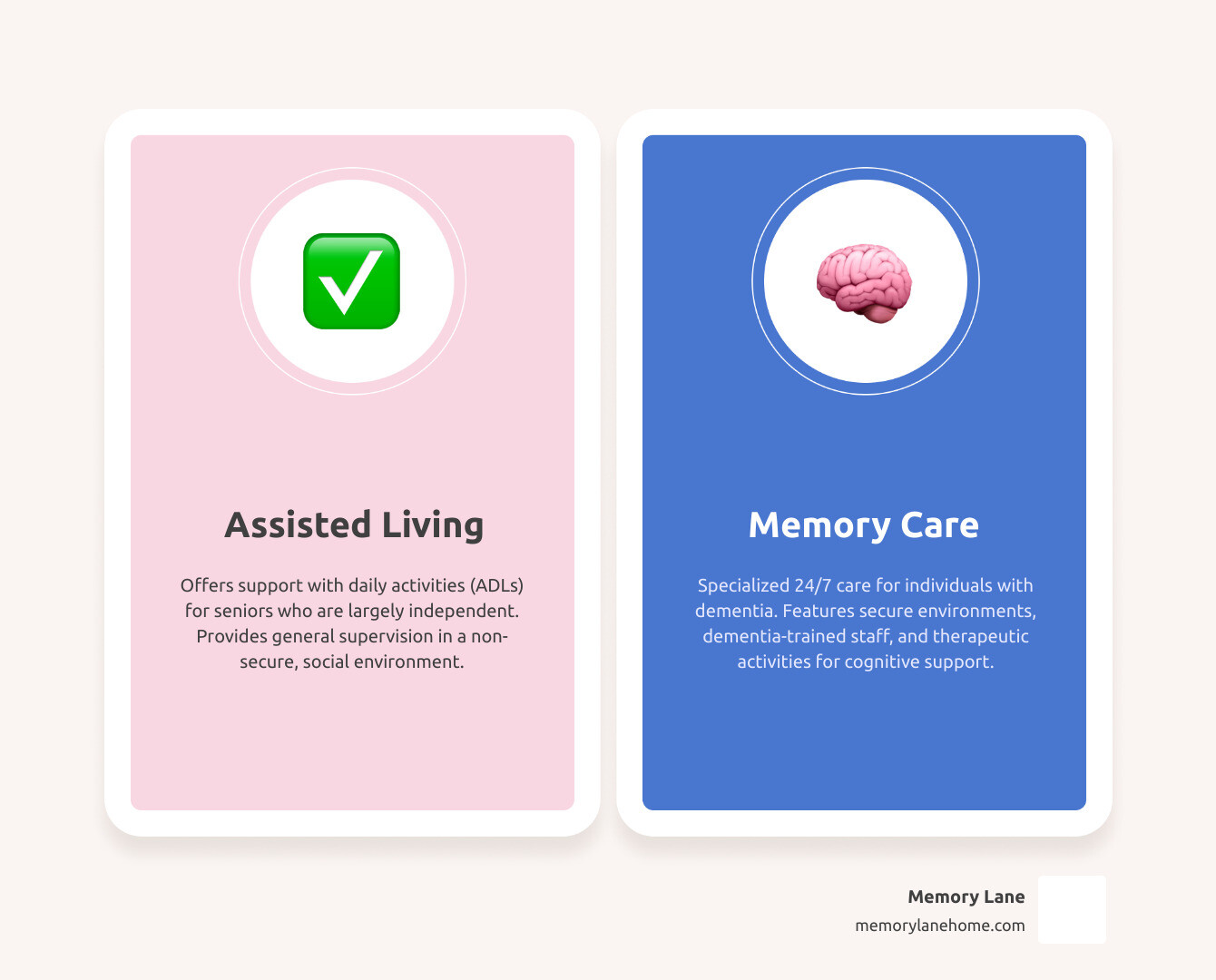
Assisted living primarily focuses on providing support with activities of daily living (ADLs) for seniors who need some help but can largely maintain their independence. It often includes services like meal preparation, housekeeping, medication reminders, and social activities in a less restrictive environment.
Memory care, on the other hand, provides a higher level of specialized, 24/7 supervised care in a secure environment designed specifically for individuals with dementia or Alzheimer’s. The facilities are typically locked to prevent wandering, staff are specially trained in dementia care, and activities are custom to cognitive impairment. The environment itself is often designed to reduce confusion and promote safety and engagement.
What is a typical staff-to-resident ratio in memory care?
While ratios vary by state regulations and individual facility policies, a better ratio (fewer residents per staff member) is crucial for personalized attention and effective dementia care. State regulations might specify minimum staffing levels, but many high-quality facilities strive to exceed these. We believe a lower ratio allows staff to build stronger relationships with residents, anticipate needs, and provide more individualized support. For example, smaller residential care homes often boast higher staff-to-resident ratios due to their intimate size. When inquiring with facilities, always ask about their specific ratios for different shifts (day, evening, and night) and how they ensure adequate coverage, especially during peak times or emergencies.
Can residents in memory care have personal belongings?
Yes, absolutely! Facilities encourage personalizing rooms with familiar items like photos, cherished furniture, family heirlooms, and favorite decor. This helps to create a comfortable, home-like environment, which can significantly help reduce confusion, anxiety, and promote a sense of familiarity and belonging for individuals with dementia. Many facilities understand that a personalized space contributes to a resident’s emotional well-being and helps them feel more at ease in their new home. Always discuss with the facility beforehand to understand any limitations on items for safety or space reasons.
Conclusion
Choosing the right dementia care facility in the Ann Arbor area for your loved one is a profoundly personal and significant decision. We’ve explored the various types of care available, the crucial factors to consider when evaluating facilities, the financial aspects, and the local resources that can support your family. Our goal is always to help you make an informed choice that prioritizes your loved one’s dignity, safety, and quality of life.
At Memory Lane, we specialize in providing 24/7 personalized, compassionate support for individuals with dementia and Alzheimer’s. We understand the nuances of this journey and are dedicated to enhancing residents’ quality of life and independence through custom care plans, engaging activities, and a secure, nurturing environment. We believe that every individual deserves to live with purpose and joy, even as they steer the challenges of memory loss.
If you’re ready to take the next step or simply have more questions, we are here to help.
Contact Memory Lane for a personalized consultation and tour.
Related Posts