Explore nursing home care for dementia patients. Understand specialized options, benefits, costs, and how to choose the right facility.

The Bright Side of Memory Care: Enhancing Quality of Life
Benefits of Memory Care: 5 Bright Transformations
Improved Quality of Life: The Core Benefits of Memory Care for Residents
The benefits of memory care are profound for individuals facing Alzheimer’s disease or other forms of dementia. These specialized communities offer a unique environment designed to support cognitive health, ensure safety, and improve the overall quality of life. For families, memory care provides much-needed respite and peace of mind.
- Improved Safety & Security: Preventing wandering and ensuring a secure environment.
- Specialized Care & Staff: 24/7 care from professionals trained in dementia.
- Cognitive & Social Engagement: Activities custom to stimulate minds and foster community.
- Personalized Support: Individualized care plans adapting to evolving needs.
- Caregiver Relief: Reducing the burden on family members, allowing them to focus on loved ones.
As families grapple with the challenges of memory loss, understanding these specialized environments becomes crucial. A memory care facility is a dedicated residential setting providing comprehensive, structured support for individuals with cognitive impairments. It differs significantly from general assisted living, which offers daily support but lacks the specialized staff and secure environment for dementia. Nursing homes provide higher medical care, but often without the specific cognitive and behavioral support found in memory care.
I’m Jason Setsuda, and with my background as a Board Certified Emergency Medicine Physician and CFO of Memory Lane Assisted Living, I’ve seen the profound benefits of memory care for patients and their families. This article will help you understand how specialized memory care can truly improve quality of life.

Benefits of memory care basics:
For individuals living with Alzheimer’s disease or other forms of dementia in Ann Arbor, Ypsilanti, Saline, and across Michigan, a specialized memory care environment can be a game-changer. It’s more than just a place to live; it’s a community carefully designed to foster well-being, reduce anxiety, and promote dignity. The structured environment, with its predictable daily routines, helps to ease stress and create a sense of familiarity and comfort. This consistency is vital for individuals experiencing memory loss, as it reduces confusion and helps them steer their day with greater confidence. Our goal at Memory Lane is to ensure every resident feels safe, understood, and purposeful, enhancing their quality of life every single day.
Improved Cognitive Health: A Key Benefit of Memory Care
One of the most significant benefits of memory care is its focus on cognitive health. While dementia is progressive, structured activities can help maintain cognitive abilities and potentially slow decline. Memory care communities offer engaging activities specifically designed to stimulate brain function and memory. These aren’t just random pastimes; they are carefully planned and often therapeutic.
Common cognitive engagement activities include:
- Memory Games: Puzzles, trivia, and board games custom to different cognitive levels help keep minds active and engaged.
- Music Therapy: Music has a profound ability to evoke memories and emotions, often leading to reduced agitation and improved mood. Singing familiar songs or listening to beloved tunes can be incredibly therapeutic.
- Art Therapy: Creative expression through painting, drawing, or crafts provides a non-verbal outlet for residents, fostering a sense of accomplishment and self-expression.
- Reminiscence Therapy: Encouraging residents to recall and share personal memories, perhaps through old photographs or familiar objects, can foster a sense of identity and connection.
- Sensory Stimulation: Activities involving touch, smell, and taste can awaken senses and create positive experiences.
- Physical Exercise: Gentle physical activities not only improve physical health but also boost cognitive function and mood.
These activities are not about “curing” dementia, but about enriching lives, maintaining existing skills, and creating moments of joy and connection. Our staff at Memory Lane are specially trained to adapt these activities to each resident’s individual abilities and preferences, ensuring maximum participation and benefit.
Improved Social and Emotional Well-being
Social isolation can significantly worsen dementia symptoms. In a memory care setting, individuals are surrounded by peers and compassionate staff, fostering a vibrant community. This provides ample opportunities for social interaction and community building, reducing feelings of isolation and loneliness. As the Mayo Clinic highlights, there are many health benefits of socializing, from staving off loneliness to maintaining cognitive function.
Residents participate in group activities, communal dining, and social events, building meaningful connections and a strong sense of belonging. This supportive environment improves emotional safety and stability, which is crucial for individuals who may often feel confused or disoriented. We’ve seen how reduced depression and an increased sense of purpose emerge when residents feel connected and valued within our communities in Ann Arbor and Ypsilanti.
Better Physical Health and Nutrition
Maintaining physical health is paramount in memory care. Our facilities provide 24/7 medical oversight, ensuring that any health concerns are addressed promptly. This includes regular health monitoring, which allows for the early identification of changes in cognitive or physical health, facilitating timely interventions.
One of the critical benefits of memory care is robust fall prevention strategies. Individuals with dementia are at a higher risk of falls, and our environments are designed with safety in mind, from clear pathways to grab bars and assistance with mobility. Physical wellness programs, including gentle exercises and mobility support, are integrated into daily routines to help residents maintain their physical abilities and confidence.
Nutritional support is also a cornerstone of our care. Balanced, nutritious meals are crafted to include ingredients beneficial for brain health, such as omega-3 fatty acids, antioxidants, and vitamins. We understand that eating can sometimes be challenging for individuals with dementia, so our staff provides dining assistance, ensuring residents receive adequate nourishment in a comfortable and dignified setting. This comprehensive approach to physical health and nutrition contributes significantly to the overall well-being and longevity of our residents.
A Foundation of Safety and Expertise: How Specialized Care Works
At Memory Lane, we understand that true peace of mind comes from knowing your loved one is both safe and genuinely cared for. That’s why we’ve built our Michigan communities on three essential pillars: expertly trained staff, thoughtfully designed environments, and comprehensive medical support. It’s this combination that creates a place where residents don’t just live—they truly thrive.

Specially Trained Staff and Personalized Care Plans
Walk into any of our communities, and you’ll quickly notice something different about our staff. These aren’t just caregivers—they’re specially trained professionals who understand the intricate journey of dementia. Many hold certifications as Certified Dementia Practitioners, and all participate in ongoing training to stay current with best practices in memory care.
This specialized training makes all the difference. Our team members know how to communicate when words become difficult. They understand why someone might become upset at bath time or confused at sunset. They’re trained in gentle de-escalation techniques and know how to turn potentially challenging moments into opportunities for connection and comfort.
But expertise alone isn’t enough. That’s why we accept a person-centered approach to care. Before we create any care plan, we take time to learn about each resident’s life story. What did they do for work? What hobbies brought them joy? Do they prefer coffee or tea? Are they early risers or night owls? These details matter because they shape how we provide care.
Each resident receives an individualized care plan built around their unique needs, preferences, and history. And because dementia progresses differently for everyone, these plans aren’t set in stone. We review and adjust them regularly, ensuring the care we provide evolves alongside each resident’s changing needs. This continuity of care helps build trust and familiarity—two things that become increasingly precious as memory fades.
A Secure and Thoughtfully Designed Environment
Safety might not sound exciting, but when done right, it’s practically invisible—and that’s exactly the point. One of the most significant benefits of memory care is creating an environment where residents can move freely without danger. This is especially important given that about 60% of people with dementia will wander at least once.
Our facilities incorporate secured exits and discreet alarm systems that allow us to respond quickly if a resident heads toward an unsafe area. But we don’t want our communities to feel like institutions. That’s why we’ve created beautiful enclosed outdoor spaces—gardens where residents can enjoy fresh air, sunshine, and nature without risk.
Inside, we’ve designed our spaces with dementia in mind. Circular hallways prevent the frustration of dead ends. Clear signage with both words and pictures helps residents find their way. Colors are chosen carefully—contrasting tones help residents distinguish between floors, walls, and furniture, reducing the risk of falls.
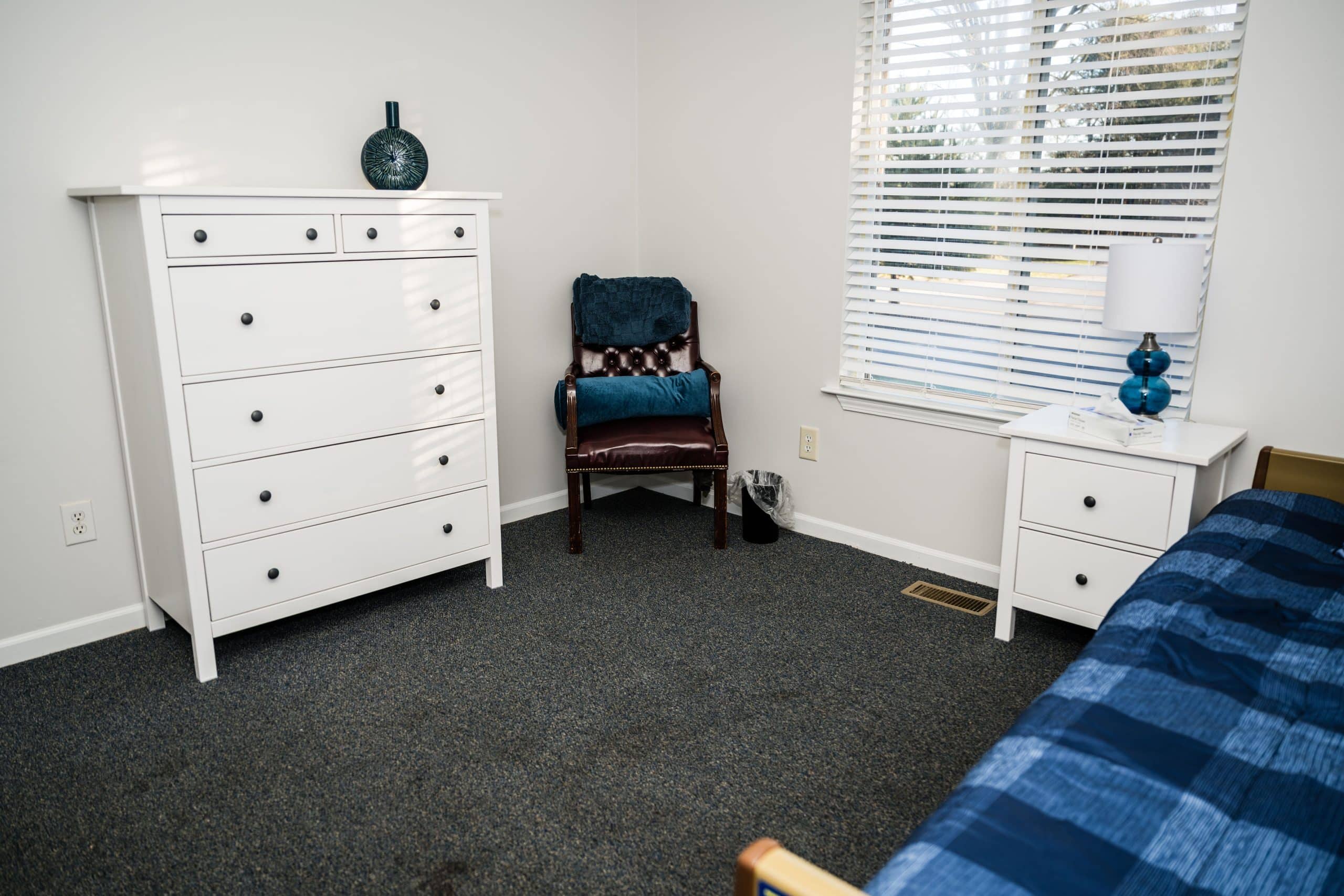
Perhaps most importantly, we work hard to maintain a homelike atmosphere. Comfortable furniture, familiar decor, soft lighting, and cozy common areas all help reduce confusion and create a sense of calm. When an environment feels safe and familiar, anxiety decreases. When anxiety decreases, residents can focus on living rather than just surviving.
Professional Medical and Medication Management
While memory care communities aren’t hospitals, the medical oversight we provide is one of the most valuable benefits of memory care. Managing multiple medications is challenging for anyone, but for someone with memory loss, it can be dangerous. Our trained staff handle medication administration with precision, ensuring residents receive the right medication at the right time, every time. This dramatically reduces the risk of missed doses, double doses, or dangerous interactions.
We don’t work in isolation, either. Our team coordinates closely with each resident’s doctors and healthcare providers, maintaining open lines of communication about health changes, concerns, or improvements. This collaborative approach means problems are caught early, before they become emergencies.
The results speak for themselves. Research has shown that residents in specialized memory care have a lower risk of hospitalization and are less likely to need nursing home admission compared to those in general assisted living. You can read more about this research here. This tells us that our approach works—that specialized care truly makes a difference in health outcomes.
As dementia progresses, we’re also prepared to provide end-of-life care with dignity and compassion. We collaborate with hospice services and palliative care specialists to ensure residents remain comfortable. We support families through these difficult transitions, help with advance care planning, and make sure every resident’s wishes are honored. Because even in life’s final chapter, everyone deserves respect, comfort, and love.
Peace of Mind for the Whole Family: Support for Caregivers
Caring for a loved one with dementia is truly a journey of love, but it can also be incredibly challenging. It often brings significant stress and can even lead to caregiver burnout. At Memory Lane, we understand this deeply. Providing genuine peace of mind for families is one of the most profound benefits of memory care. It’s about more than just caring for your loved one; it’s about supporting your whole family.

Respite and Renewed Relationships
Imagine being able to simply be a daughter, son, or spouse again, rather than a full-time caregiver. This is one of the most immediate benefits of memory care for families. When your loved one moves to memory care, you get a much-needed break from the daily demands of caregiving. This respite is truly invaluable. It gives you space to recharge, take care of your own health, and enjoy your personal life.
This shift in roles can transform your relationships. Instead of focusing on tasks like managing medications or helping with personal hygiene, visits can become cherished moments. You can focus on quality time, sharing memories, and simply connecting on an emotional level. We also offer short-term respite stays. These provide temporary relief for family caregivers, knowing their loved one is receiving expert care. It allows families to reconnect and find joy in their time together, free from the exhaustion and stress of constant caregiving.
Family Education and Support Systems
At Memory Lane, we believe that caring for the resident also means supporting their family. Our communities offer strong family support and education systems. This includes support groups where families can connect. They share experiences and coping strategies with others facing similar challenges. We also host educational workshops. These provide valuable insights into how dementia progresses, offer tips for effective communication, and teach strategies for managing behavioral changes.
We make sure to keep families in the loop with regular communication and care planning meetings. This means you’re always informed about your loved one’s progress. You’re also involved in important decision-making. This team approach builds a strong partnership. It ensures that care is always aligned with your family’s values and preferences. We are here to walk alongside families in Ann Arbor, Ypsilanti, and Saline. We offer guidance, compassion, and a supportive community every step of the way.
Navigating the Journey to Memory Care
Deciding on memory care is a significant step, and we at Memory Lane want to ensure families in Michigan feel confident and informed every step of the way. It’s about more than just finding a place to live; it’s about choosing a community that truly understands and cares for your loved one. Making an informed decision means carefully considering many factors, such as the staff training they receive, the safety features in place, the kind of activity programming offered, and even the overall dining experience. We believe in helping you compare these key features to find the perfect match.
Signs It’s Time for Memory Care
Recognizing when it’s time for specialized memory care is a very personal and often difficult decision. It’s never easy, but looking for certain signs can help you understand when a more supportive environment might be truly beneficial for your loved one.
One of the most pressing indicators is often safety concerns at home. Perhaps your loved one has started wandering outside, leaving appliances on, or misusing household chemicals. Frequent falls are another serious sign that their home environment may no longer be safe, even with extra help. You might also notice a decline in personal hygiene and habits. Forgetting to eat or drink, dressing inappropriately for the weather, neglecting bathing, or struggling with toileting are all signs that daily living activities are becoming unmanageable and potentially putting their health at risk.
Another clear signal is increased caregiver stress and burnout. If caring for your loved one is taking a severe toll on your own physical or mental health, leading to exhaustion, anxiety, or even resentment, it’s a powerful sign that external support is needed. We understand; being a caregiver is incredibly demanding. Additionally, watch for social withdrawal. If your loved one is losing interest in activities they once enjoyed, pulling away from friends and family, or showing a general apathy, it could mean they need a more engaging and stimulating social environment. Medication mismanagement—forgetting to take prescribed medications, taking incorrect dosages, or mixing up pills—can have very serious health consequences and is a strong indicator for professional oversight. Finally, a doctor’s recommendation after observing cognitive decline or behavioral changes through assessments is a crucial sign that specialized care should be considered.
Seeking professional care is never a failure; it’s a profound act of love that prioritizes your loved one’s safety, well-being, and dignity.
Understanding the Costs and How to Choose a Facility
Understanding the costs associated with memory care is a crucial part of planning for the future. While costs can vary widely depending on location and the specific services offered, the average annual cost for memory care in a U.S. nursing home can be around $116,800 for a private room. For a semi-private room, it’s about $104,025 annually, with monthly rent averaging roughly $6,935. It’s always best to discuss these details directly with the facilities you’re considering.
When it comes to payment options for memory care, families often use a few different avenues. Many rely on private pay, which includes personal savings, pensions, or assets. If your loved one has a long-term care insurance policy, it may cover a significant portion of memory care expenses, so it’s worth checking their policy details. Veterans benefits, specifically the Aid and Attendance program, can also help eligible veterans and their spouses cover costs. Lastly, in some specific cases, Medicaid may cover memory care services, though eligibility requirements can be quite strict and vary by state. For more detailed information on long-term care costs, the Alzheimer’s Association is a wonderful resource.
When you’re ready to choose a memory care facility in Ann Arbor, Ypsilanti, Saline, or anywhere in Michigan, we highly recommend a thoughtful approach:
- Touring Facilities: Make sure to visit potential communities, ideally at different times of the day. This lets you observe the environment firsthand, see how staff and residents interact, and get a feel for the daily activity levels.
- Asking Key Questions: Don’t hesitate to ask about important details like staff-to-resident ratios, their staff training and certifications, the types of activities offered, security measures in place, how they manage challenging behaviors, and how frequently families receive health updates.
- Assessing the Atmosphere: Pay attention to how the place feels. Look for a community that feels warm, clean, well-lit, and easy to steer. Observe if residents appear engaged, happy, and comfortable.
- Talking to Staff and Other Families: Getting to know the staff can give you a sense of their compassion and expertise. Hearing perspectives from current residents’ families can also offer invaluable insights into what life is truly like there.
Taking these steps helps ensure you make the most informed decision for your loved one, finding a place where they can truly thrive.
Frequently Asked Questions about the Benefits of Memory Care
What is the main difference between memory care and assisted living?
That’s a great question, and it’s one we hear often! Think of it this way: while both assisted living and memory care offer wonderful support, memory care provides a much higher level of specialized attention specifically for individuals living with dementia or other cognitive challenges.
Assisted living communities are fantastic for seniors who need a little help with daily tasks like bathing, dressing, or managing medications. But they usually don’t have the unique staff training, secure environment, or custom activities that are essential for someone with memory loss. At Memory Lane, our benefits of memory care include specialized programs designed to manage the unique behaviors linked with dementia. We focus on preventing wandering and creating a comforting, predictable routine. These special features are what truly set memory care apart from general assisted living.
How does memory care help with difficult dementia behaviors like aggression or wandering?
It’s completely understandable to worry about challenging behaviors like aggression or wandering. At Memory Lane, our memory care facilities are truly set up to handle these situations with kindness and expertise. We use a thoughtful, multi-part approach.
First, our environment is designed to be calming and secure. This helps reduce many common triggers for agitation or confusion. Our team members are also extensively trained in dementia care. This means they understand why certain behaviors might happen and know how to respond with patience. They use special techniques to gently de-escalate situations and always focus on empathy.
Structured daily routines are another key part of the benefits of memory care. When days are predictable, it can greatly reduce anxiety and agitation for residents. For wandering, our communities have secure exits and alarms, and sometimes even circular hallways. This allows residents to move around freely and safely within a protected space, preventing them from getting lost or encountering dangers. It’s all about creating a safe haven where everyone feels secure.
Will my loved one lose their independence in memory care?
This is a common concern, and we’re here to tell you: quite the opposite! One of the biggest benefits of memory care at Memory Lane is actually helping residents keep as much independence as they can, for as long as possible.
Our wonderful staff are specially trained to encourage residents to do daily tasks and take part in activities that use their existing skills. We offer support only when it’s truly needed. This approach helps foster a sense of capability and dignity, allowing residents to feel accomplished. In fact, the secure and supportive setting can often give residents more independence than they might have at home. There, constant supervision or restrictive measures might be needed to keep them safe. At Memory Lane, we truly celebrate what residents can do, focusing on their strengths and making every day meaningful.
A Supportive Path Forward
Facing memory loss in someone you love is never easy. It’s a journey filled with uncertainty, difficult decisions, and emotional challenges. But understanding the benefits of memory care can bring genuine hope and relief. These specialized communities don’t just provide care—they offer a place where individuals with dementia can truly thrive, maintaining their dignity and finding moments of joy every day.
For families throughout Ann Arbor, Ypsilanti, Saline, and across Michigan, memory care represents a partnership built on compassion and expertise. It’s about more than just safety and supervision. It’s about creating an environment where your loved one can engage with life, connect with others, and continue to experience meaning and purpose. The benefits of memory care extend to the entire family, offering respite from the exhausting demands of caregiving, education to better understand the journey ahead, and the profound peace of mind that comes from knowing your loved one is in expert, caring hands.
At Memory Lane, we’ve built our communities around a simple but powerful belief: every person deserves to live with dignity, connection, and compassion, regardless of where they are in their memory journey. Our individualized care plans recognize that each resident is a unique individual with their own history, preferences, and needs. Our thoughtfully designed environments create spaces where residents feel safe and comfortable. And our specially trained staff bring not just professional expertise, but genuine warmth and understanding to every interaction.
We see the difference this specialized care makes every single day—in the smile of a resident engaged in a favorite activity, in the relief on a family member’s face during a visit, in the moments of clarity and connection that remind us all of the person behind the diagnosis.
If you’re considering memory care for your loved one, we’re here to walk alongside you. We invite you to experience how compassionate, specialized care can transform this journey. Learn more about our memory care services and find how Memory Lane can provide the supportive path forward your family deserves.