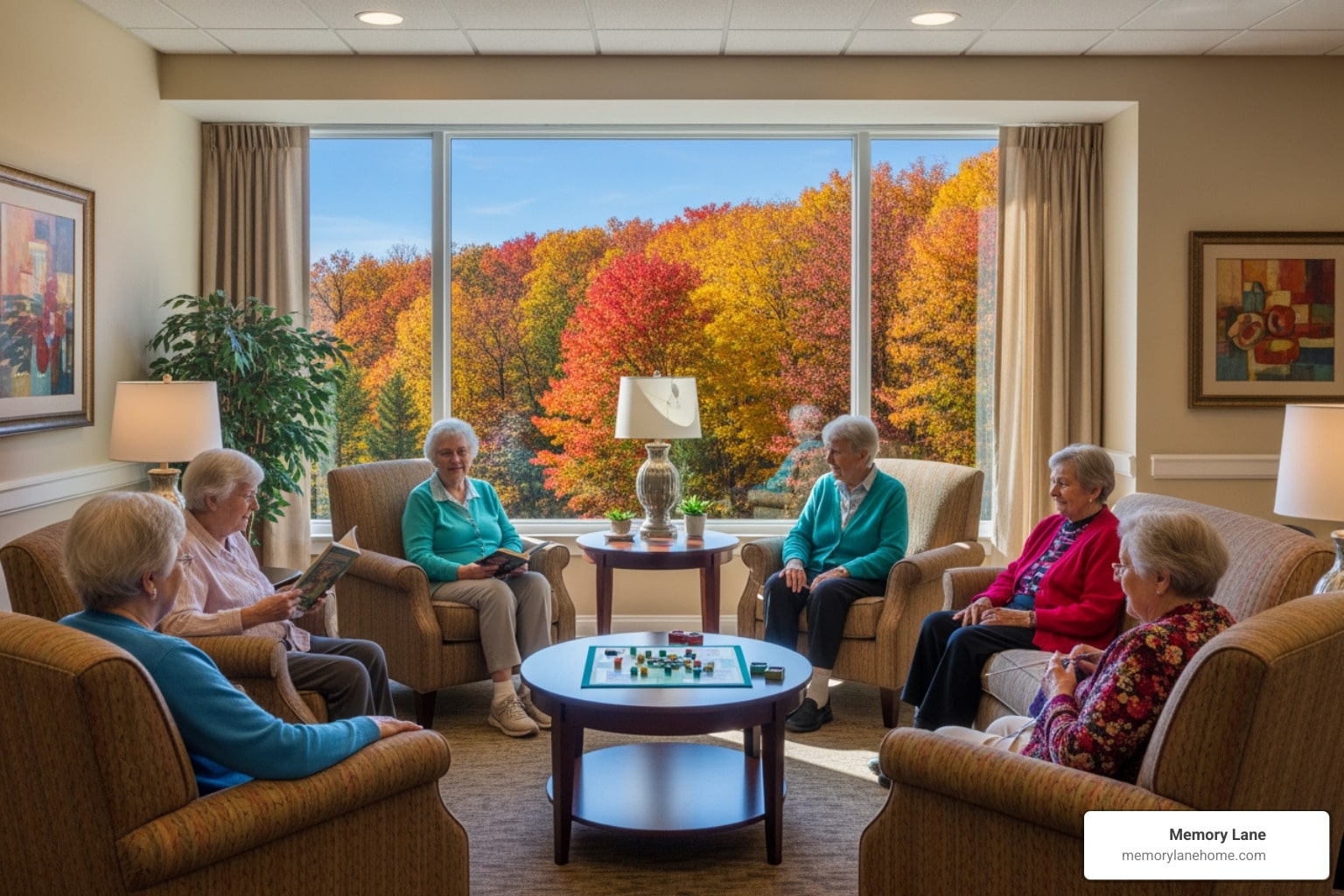


Unlock expert steps for a compassionate care plan for dementia patient in nursing home. Enhance quality of life & dignity today.

Michigan Memory Care: Where to Find the Support You Need
Memory Care Michigan: 2025 Essential Guide
Why Memory Care in Michigan Matters Now More Than Ever
Memory care Michigan is a critical resource for families facing the challenges of Alzheimer’s disease and dementia. Here’s a quick overview:
Quick Guide to Memory Care in Michigan:
- What it is: Specialized senior living with 24/7 supervision, secure environments, and dementia-focused programming.
- When it’s needed: When memory loss creates safety risks, daily tasks become difficult, or home care is no longer sufficient.
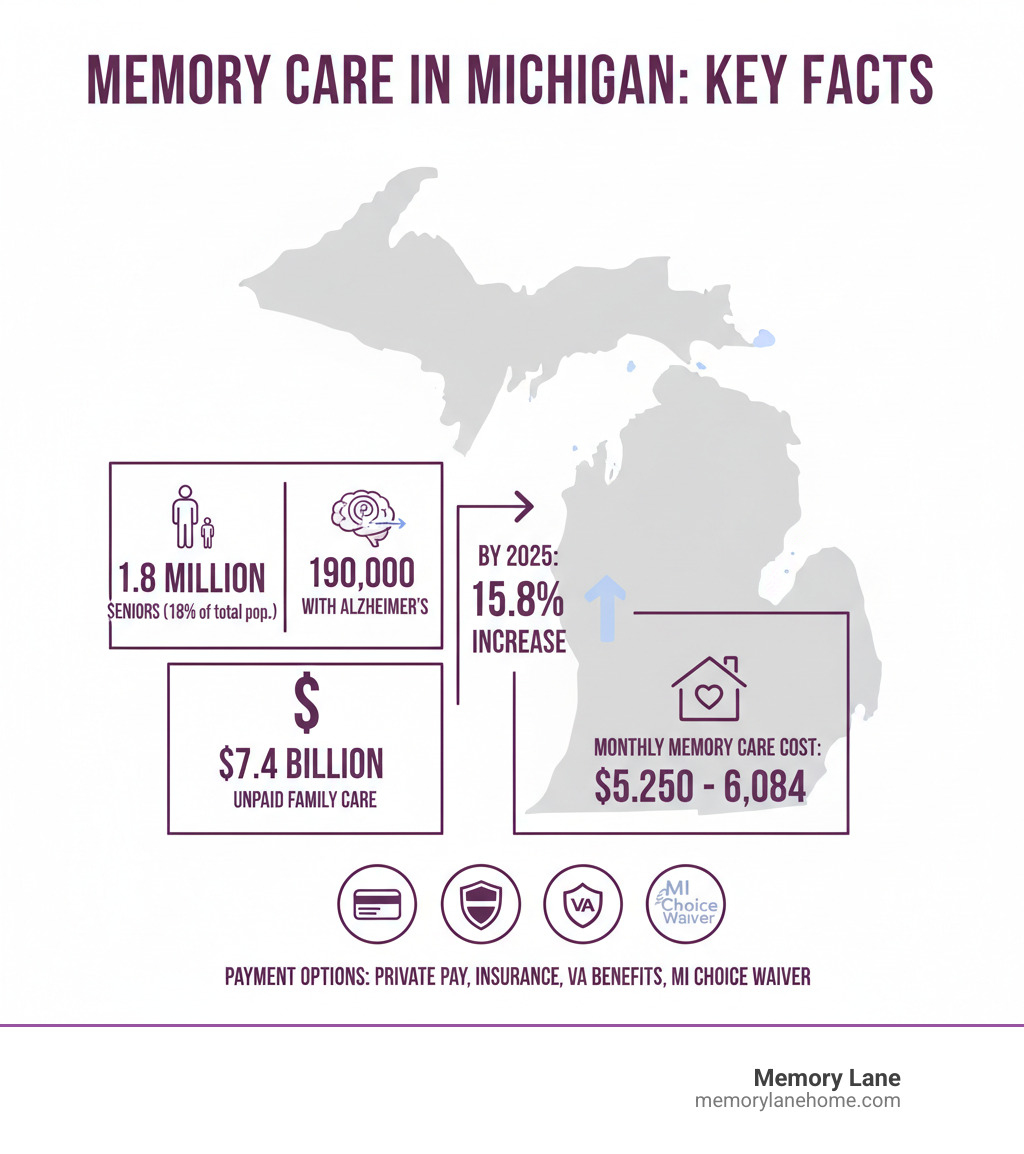
- Average cost: $5,250-$6,084 per month (varies by location and care level).
- Payment options: Private pay, long-term care insurance, VA benefits, MI Choice Waiver (Medicaid).
- Where to find it: 100+ facilities across Michigan, including assisted living communities, standalone units, and residential care homes.
The need is growing. Michigan is home to approximately 1.8 million seniors, and roughly 190,000 are living with Alzheimer’s disease—a number expected to rise 15.8% by 2025. Unpaid family caregivers provide care valued at $7.4 billion statewide annually.
Finding the right memory care facility means finding a place where your loved one can maintain their dignity, engage in meaningful activities, and receive compassionate support. This guide will walk you through understanding when it’s time for help, comparing facility types, navigating costs, and choosing the right community.
I’m Jason Setsuda, CFO of Memory Lane Assisted Living and a board-certified Emergency Medicine Physician. With over 15 years in healthcare and business management, including medical direction and assisted living administration, I’ve dedicated my career to helping families find quality memory care Michigan solutions.
Understanding Memory Care: What It Is and When It’s Needed
When a loved one struggles with memory loss from Alzheimer’s or dementia, it’s natural to wonder what kind of help is available. Memory care Michigan is a specialized form of long-term care designed for individuals with cognitive impairments. Unlike traditional assisted living, it provides a unique combination of safety, structure, and compassionate support from staff trained in dementia care.
The goal is to help residents live as fully and independently as possible. This includes 24/7 supervision to prevent wandering, assistance with Activities of Daily Living (ADLs) like bathing and dressing, and careful medication management. The physical environment is also thoughtfully designed with secure indoor and outdoor spaces, clear hallways, and calming colors to reduce confusion and allow for safe movement.
Key Services Offered in Memory Care
Quality memory care begins with personalized care plans based on a thorough assessment of each resident’s cognitive, physical, and emotional needs. Key services include:
- Cognitive Therapies: Engaging, social-based brain training activities designed to keep the mind active and slow cognitive decline.
- Social Engagement Programs: Group activities, music and art therapy, and reminiscence discussions to combat isolation and foster a sense of community.
- Practical Support: Services like housekeeping, laundry, and transportation for medical appointments.
- Dining and Nutrition: Chef-prepared meals using fresh ingredients, with personalized menus and assistance to ensure proper nutrition and an enjoyable dining experience.
For a deeper look at the full range of services, check out our guide on types of assisted living services.
Early Warning Signs It Might Be Time for Memory Care
Deciding to seek specialized care is difficult, but certain signs indicate that more support is needed. Look for these changes:
- Increased Confusion or Memory Loss: Getting lost in familiar places, repeating questions, or forgetting close family members.
- Difficulty with Daily Tasks: Trouble managing finances, preparing meals, or remembering to take medications.
- Safety Concerns: Wandering, frequent falls, or other accidents that put your loved one at risk.
- Neglecting Personal Hygiene: A decline in grooming habits, such as wearing dirty clothes or skipping showers.
- Behavioral or Personality Changes: Increased agitation, anxiety, depression, or uncharacteristic mood swings.
- Social Withdrawal: Losing interest in hobbies and activities they once enjoyed.
- Caregiver Burnout: When the physical and emotional demands of caregiving become overwhelming for you.
Trust your instincts. If you feel your loved one needs more support than you can provide, it’s time to explore your options. For more detail, read our guide on Early Warning Signs: Identifying Alzheimer’s Symptoms.
Types of Memory Care Facilities in Michigan
Michigan offers several types of memory care Michigan facilities, each with a unique atmosphere. In Michigan, these services are typically licensed as homes for the aged or adult foster care facilities. Understanding the main options will help you find the right fit.
- Assisted Living Communities with Memory Care Units: These are larger communities with dedicated, secure wings or floors for residents with dementia. They offer specialized programming and staff while providing access to the broader community’s amenities. This is a good option for those who thrive in a social environment or are transitioning from regular assisted living.
- Standalone Memory Care Facilities: Every aspect of these communities is designed for individuals with Alzheimer’s and dementia. They provide intensive, specialized care and improved security in an environment where every resident shares similar challenges.
- Residential Care Homes: Also known as adult foster care homes, these are small, home-like settings in residential neighborhoods. With fewer residents, they offer a higher staff-to-resident ratio and a cozier, less institutional atmosphere, which is ideal for those who feel overwhelmed in larger settings.
- Continuing Care Retirement Communities (CCRCs): These campuses offer a full continuum of care, including independent living, assisted living, and memory care. Residents can age in place, transitioning to different levels of care as needed without moving to a new location, which provides comforting continuity.
The right choice depends on your loved one’s personality, care needs, and comfort. For more help comparing options, see our guide on Navigating the Different Types of Assisted Living Facilities. If you’re searching near Saline, our local resource on Homes for Alzheimer Patients Saline Michigan may be helpful.
The Cost of Memory Care in Michigan and How to Pay for It
Understanding the financial picture is essential when searching for memory care Michigan. While the investment is significant, multiple options can help manage the costs.

Average Monthly Costs and Factors Affecting Price
In Michigan, the average cost of memory care is projected to be around $6,084 per month in 2024, with a median cost closer to $5,250. Actual costs vary based on:
- Location: Costs are higher in areas like Ann Arbor (median $5,125/month) and lower in cities like Detroit (median $3,830/month).
- Level of Care: Pricing reflects the amount of assistance needed with daily activities and specialized support.
- Room Type: A private room costs more than a semi-private or companion suite.
- Amenities: Communities with higher staff-to-resident ratios or premium therapies may have higher price points.
For more guidance, see our resource on Exploring Affordable Dementia Care Options in Michigan.
Funding and Financial Assistance Options
You have several options for funding memory care:
- Private Pay: Using personal savings, retirement income, or investments.
- Long-Term Care Insurance: If your loved one has a policy, it can cover many memory care expenses. Review the policy for benefit details and limits.
- Veterans Benefits: The Aid and Attendance program offers a monthly cash benefit to eligible veterans and surviving spouses. Learn more at va.gov Aid and Attendance.
- Reverse Mortgages: Homeowners can convert home equity into cash to pay for care without selling the property. Learn more at ftc.gov Reverse Mortgages.
The MI Choice Waiver Program
The MI Choice Waiver Program is a valuable Medicaid resource that helps seniors access care in community settings like assisted living, avoiding nursing home placement. The waiver covers many care services but typically does not cover room and board.
To qualify, individuals must be Michigan residents aged 65+, require a nursing home level of care, and meet income and asset limits (in 2023, generally $2,742/month income and under $2,000 in assets for an individual).
You can apply online via MI Bridges, by calling the Michigan Health Care Helpline at (855) 789-5610, or by visiting a local DHS office. For more information, visit the official MI Choice Waiver Program details page or contact the Michigan Medicare/Medicaid Assistance Program (MMAP) for free assistance.
How to Choose the Right Memory Care in Michigan
Choosing a memory care Michigan facility is a deeply personal decision. It requires careful research, multiple visits, and trusting your instincts to find a new home where your loved one will be safe and happy.
What to Look for in a Michigan Memory Care Facility
When you visit a community, look beyond the first impression. Whether you’re in Ann Arbor, Saline, or elsewhere, focus on these key elements:
- Staffing: Ask about the staff-to-resident ratio and observe interactions. Caregivers should be patient, respectful, and well-trained in dementia care.
- Safety and Cleanliness: The facility should be well-maintained. Look for secure entrances, emergency alert systems, and enclosed outdoor spaces that balance safety with freedom.
- Licensing and Inspection: Review the facility’s reports on the Michigan Bureau of Community and Health Systems website. This shows their commitment to quality and accountability.
- Person-Centered Care: The community should treat your loved one as an individual. Ask how they develop personalized care plans that incorporate personal history, hobbies, and preferences.
- Building Design: Look for thoughtful design features like color-coded hallways for wayfinding, memory boxes outside rooms, and secure but pleasant outdoor gardens.
- Dining Services: Meals should be nutritious, appealing, and served in a social environment. Ask if they accommodate dietary needs and offer assistance with dignity.
- Family Communication: The facility should welcome family involvement and provide consistent, honest updates. You should feel like a partner in your loved one’s care.
For a more detailed checklist, see our guide on What to Look For in Local Memory Care Facilities. For local options, check out our Ann Arbor guide.
The Role of Specialized Staff and Programming
Exceptional memory care comes down to people and programs. Dementia-certified staff have specialized training to communicate effectively, manage challenging behaviors with compassion, and preserve resident dignity. On-site medical support from nurses or visiting physicians provides peace of mind and ensures health concerns are addressed promptly.
Thoughtfully designed programming is also crucial for quality of life. Look for a variety of activities, such as:
- Therapeutic Activities: Music, art, and pet therapies can reduce agitation and provide non-verbal creative expression.
- Physical Fitness: Adapted programs like chair yoga and guided walks help maintain strength, balance, and mobility.
- Social and Cognitive Engagement: Group events, outings, puzzles, and reminiscence sessions combat isolation and stimulate cognitive function.
These programs are essential components of comprehensive dementia care. For help finding providers in Wayne County, see our resource on Dementia Care Facilities Wayne Michigan. The Alzheimer’s Association Michigan Chapter is another excellent source for support and information.
Legal and Financial Planning for Long-Term Care
Preparing for memory care Michigan involves important legal and financial planning. Taking these steps early provides peace of mind and ensures your loved one’s wishes are honored.
- Power of Attorney (POA): This is a crucial document that allows a trusted agent to make decisions on your loved one’s behalf. You will need a financial POA for money matters and a healthcare POA for medical decisions. These must be established while your loved one has the legal capacity to sign them.
- Healthcare Directives and Living Wills: These documents outline your loved one’s wishes for medical treatment and end-of-life care, ensuring their preferences are respected even when they can no longer communicate them.
- Trusts: Trusts can be powerful tools for managing assets, funding care, and potentially assisting with Medicaid eligibility.
- Consult an Elder Law Attorney: A specialist in this field can help steer Michigan’s regulations regarding long-term care planning, Medicaid, and asset protection. For assistance, consider nonprofit resources like Elder Law of Michigan or Michigan Lakeshore Legal Aid.
- Organize Important Documents: Gather all essential papers like wills, POAs, insurance policies, and financial records in one secure, accessible location. Inform your family or appointed agents where to find them to avoid stress during a crisis.
Conclusion
Choosing the right memory care Michigan facility is a significant decision, but it’s a journey filled with hope. This guide has covered the essentials: understanding what memory care is, recognizing when it’s needed, comparing facility types, and navigating costs with resources like the MI Choice Waiver Program.
The most important factors are a person-centered care philosophy, specialized staff, engaging activities, and a secure environment. Michigan has many quality communities, and finding the right one means finding a place where your loved one can maintain their dignity and thrive.
At Memory Lane, we understand this transition. Our home-like setting in Saline is built on compassion and expertise, offering 24/7 personalized support, chef-prepared meals, and cognitive therapies. We focus on enhancing quality of life, helping residents feel safe, valued, and engaged.
You are not alone on this path. With the right information and support, you can find a community that is the perfect fit for your family. If you’re ready to take the next step, we invite you to Discover Top Memory Care Facilities in Your Area Today and find a place where your loved one will be truly cared for.
Related Posts