

Find the best assisted living near me within 5 mi. Discover local benefits, essential services, costs, and financial aid for optimal care.

Your Guide to Ann Arbor Elder Care Support
Elder Care Ann Arbor: Ultimate 2025 Guide
Navigating Senior Care in Washtenaw County
Elder care Ann Arbor offers a spectrum of services to help older adults live safely and comfortably. As Washtenaw County’s senior population is projected to increase by 45% by 2040, more families are seeking the right support for their loved ones. This guide will help you steer your options, from community resources to residential memory care homes.
Common types of care in the Ann Arbor area include:
- Residential memory care and assisted living: 24/7 secure communities with dementia-informed support.
- Support services for families and caregivers.
- Local Resources: Area Agency on Aging (AgeWays), U-M Geriatrics Center, and caregiver support groups.
With over 20% of local seniors reporting social isolation, the need for compassionate, personalized care is clear. Recognizing the signs that a loved one may need help is the first step.
Key signs a senior may need care include:
- Difficulty with meals or managing medications
- Frequent falls or balance issues
- Neglecting personal hygiene
- Memory loss or confusion
- Social withdrawal
- Missed appointments or unexplained weight loss
I’m Jason Setsuda, a Board Certified Emergency Medicine Physician and CFO of Memory Lane Assisted Living. With over a decade in medicine, I’ve seen how the right care plan can transform a senior’s life and bring peace of mind to their family. This guide is designed to empower you to make informed decisions so your loved one can age with dignity and independence.

Understanding Your Options: Types of Care and Key Decisions

Making care decisions can be overwhelming, but Ann Arbor offers a range of residential options to meet your loved one where they are. From thoughtfully designed memory care homes to supportive assisted living, there is a solution that fits.
What Are the Different Types of Elder Care in Ann Arbor?
Think of elder care Ann Arbor as a spectrum of support that can be adjusted as needs change, especially within residential and memory care settings.
- Dementia-focused supervision and cueing available 24/7.
- Personalized assistance with daily activities like bathing, dressing, and mobility, preserving dignity while ensuring safety.
- Medication support and health monitoring coordinated with your loved one’s clinicians.
- Engaging, structured activities that promote cognitive stimulation and meaningful connection.
- Safety measures for fall prevention and wandering, delivered with reassurance and respect.
- Ongoing communication with families and adaptable care plans as needs evolve.
Residential Memory Care: Finding the Right Fit
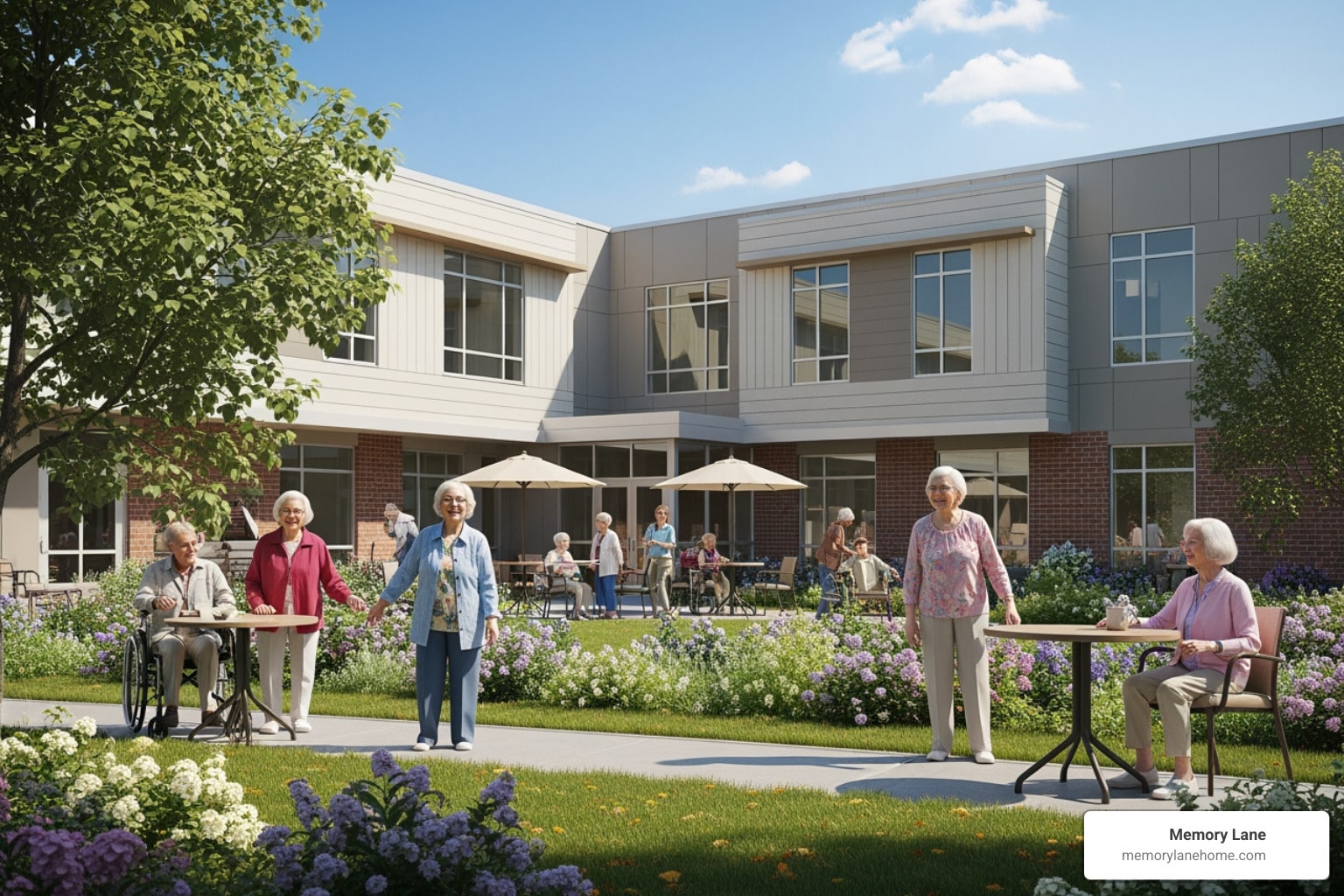
A major decision is choosing the residential environment that best matches your loved one’s needs and preferences. Memory care communities provide 24/7 professional supervision and a secure, supportive setting specifically designed for older adults living with dementia. These communities foster socialization through shared meals and activities, which can be transformative for isolated seniors. Services like meals, housekeeping, and transportation are often bundled, simplifying responsibilities for families.
If you’re exploring residential options, you can learn more about Assisted Living Homes Ann Arbor Township Michigan to see what’s available locally.
Specialized Elder Care Ann Arbor: Meeting Complex Needs
When a loved one faces a condition like Alzheimer’s, dementia, or Parkinson’s, their care needs become more complex. Specialized elder care Ann Arbor services offer the expertise required to manage these challenges with compassion and skill.
Advanced Support for Alzheimer’s, Dementia, and Parkinson’s
Effective care for progressive cognitive or neurological conditions goes beyond daily tasks. It requires a deep understanding of the disease and how it affects an individual’s world.
- Specialized Training: Caregivers learn to recognize signs of distress, use de-escalation techniques, and adapt their approach with patience and creativity.
- Person-Centered Approach: This philosophy focuses on the individual’s history, preferences, and remaining strengths, rather than just the diagnosis.
- Cognitive Stimulation: Activities like puzzles, music, and reminiscence therapy help preserve mental function and reduce anxiety. Local resources like the University of Michigan Geriatrics Center’s Silver Club Memory Programs offer structured activities.
- Safety and Symptom Management: Protocols for fall prevention and wandering are critical. Trained caregivers know how to manage symptoms like agitation or sundown syndrome with reassurance, not correction. For Parkinson’s, care focuses on mobility, balance, and adapting the home to support independence.
For more information, explore our guides on Memory Care Ann Arbor Michigan and Dementia Home Care Services Ann Arbor Michigan. The Alzheimer’s Association – Greater Michigan Chapter is another excellent local resource.
The Role of Technology in Modern Senior Care
Technology improves, rather than replaces, the human touch in elder care, providing an extra layer of safety and connection.
- Personal Emergency Response Systems (PERS): Modern devices offer automatic fall detection, GPS tracking, and two-way communication, providing help at the push of a button.
- Telehealth: Virtual doctor visits reduce the stress of travel and make it easier to manage routine check-ins and follow-up care.
- Smart Home Devices: Voice-activated assistants can set medication reminders, make calls, and control lighting to prevent falls.
- Online Family Portals: Secure platforms allow families to view care notes, check schedules, and communicate with caregivers in real-time.
- Medication Management Apps: These tools send reminders and track doses, preventing dangerous medication errors.
- GPS Tracking Devices: For individuals with dementia at risk of wandering, these small wearables provide a critical safety net.
These tools work together to create a support system that empowers independence while prioritizing safety. For more on long-term options, see our guide to Long-Term Dementia Care Options Ann Arbor Michigan.
The Practicalities: Paying for and Choosing Quality Care
Figuring out how to pay for care and choose the right provider are major decisions. With the right information, you can steer these choices with confidence.
How to Pay for Elder Care in Ann Arbor
The financial aspect of elder care Ann Arbor is a common concern. Costs vary based on the level of support, accommodations, and the services included in a residential setting. Here are the primary ways to fund care:
- Private Pay: Using savings, retirement income, or family contributions offers the most flexibility in choosing services.
- Long-Term Care Insurance: If your loved one has a policy, review it to understand coverage, benefit amounts, and any waiting periods.
- Veterans Benefits: The VA’s Pension with Aid and Attendance benefit can help eligible veterans and their spouses cover care costs. The VA also offers robust Caregiver Support services. Learn more at the VA’s Aid and Attendance benefit page.
- Medicare: It’s important to know that Medicare generally does not pay for long-term personal or companion care. It may cover short-term skilled nursing or home health visits after a hospital stay. For details, visit Medicare.gov.
- Michigan Medicaid: For those with limited income and assets, the Michigan Medicaid Health Care Program may cover nursing home care and some in-home services.
Consulting a financial advisor specializing in elder care can help you steer these options.
Selecting a Provider and Ensuring a Smooth Transition
Choosing a care provider is a deeply personal decision. When evaluating a residential community, look for quality, transparency, and compassion.
Key qualities of a great provider:
- Rigorous Hiring and Screening: Comprehensive background checks, reference verification, and multi-step interviews for all team members.
- Ongoing Training: Staff certified in CPR/first aid and receiving dementia-specific education and refreshers.
- Licensed and Insured: Community is compliant with state regulations and appropriately insured to protect residents and families.
- Customized Care Plans: A plan custom to your loved one’s needs and preferences that evolves over time.
- Clear Communication: Regular updates and transparent communication, such as through an online family portal.
Starting the conversation with your loved one requires empathy. Frame it as a way to preserve their independence and safety. Focus on how support can help them stay engaged and continue doing what they love. Involving them in choosing a community can also help them feel more in control.
Ease the transition by maintaining familiar routines and encouraging open communication. Acknowledge feelings, and ensure all family members are aligned to provide consistent support.
For more on making these important decisions, especially for dementia care, refer to our guide: Long-Term Dementia Care Options Ann Arbor Michigan.
Key Ann Arbor Resources for Seniors and Family Caregivers
One of the greatest advantages of seeking elder care Ann Arbor is the incredible network of support available right here in our community. You don’t have to steer this journey alone.
Local Support Systems and Organizations
- U-M Geriatrics Center Social Work and Community Programs: Offers expert guidance from geriatric social workers to any older adult or family in need. Learn more at their Community Programs page.
- Turner Senior Wellness Program: A vibrant hub for health, wellness, and educational activities that combat social isolation. See their offerings at the Turner Senior Wellness Program site.
- AgeWays Nonprofit Senior Services: A central resource for connecting seniors with programs that help them live independently. Visit them at AgeWays.org and explore their CONNECT resource guide.
- Catholic Social Services of Washtenaw County: Provides practical support, including an adult day program, volunteer respite care, and assistance with Medicare/Medicaid questions. Find out more at csswashtenaw.org.
- Alzheimer’s Association – Greater Michigan Chapter: The leading organization for Alzheimer’s care, support, and research, offering educational programs and a 24/7 helpline. Connect with them at the Alzheimer’s Association.
Respite care is essential for preventing caregiver burnout. It provides temporary relief, allowing you to recharge. In addition to formal programs, tools like Lotsa Helping Hands can help organize support from friends and family. Caregiver support groups offer a chance to connect with others who understand your experience. The U.S. Department of Veterans Affairs also offers dedicated Caregiver Support.
Navigating Housing, Transportation, and Legal Matters
- Housing: The U-M Housing Bureau for Seniors helps older adults steer housing and care options. For licensed facilities, you can search the state’s database for Adult Foster Care and Homes for the Aged and Nursing Homes.
- Transportation: TheRide (AAATA) provides accessible public transit in the Ann Arbor-Ypsilanti area, connecting seniors to appointments and activities. Learn more at TheRide.org.
- Legal Planning: Documents like a will, power of attorney, and healthcare directives are crucial. The Michigan Legislature’s guide, “Planning for Your Peace of Mind”, offers clear explanations.
- Comprehensive Directory: The 2023 Senior Resource Directory for Washtenaw County is an invaluable guide that compiles local services, organizations, and contacts in one place.
These resources reflect our community’s commitment to supporting older adults and their families.
Conclusion: Taking the Next Step with Confidence
Navigating elder care Ann Arbor is a significant journey, but you are now equipped with information on care types, payment options, and local resources. The key takeaway is that the earlier you start planning, the more options you will have.
Ann Arbor’s supportive community, from the U-M Geriatrics Center to dedicated local nonprofits, ensures you don’t have to do this alone. Whether you choose in-home care or a residential community, the goal is to find personalized, compassionate support that preserves dignity and quality of life.
For families facing the unique challenges of memory loss, a specialized environment is crucial. At Memory Lane, we provide a secure and enriching setting with 24/7 personalized support for individuals with dementia and Alzheimer’s. Our custom care plans and engaging activities are designed to honor each resident’s independence and story.
Don’t wait for a crisis. Start the conversation, explore your options, and trust your instincts. We are here to help you find the right fit for your family.
Explore our assisted living homes in the Ypsilanti and Ann Arbor area
Related Posts