
Memory Care Clinic Ann Arbor Michigan: Expert 2025
Finding the Right Memory Care Support in Ann Arbor
Memory care clinic ann arbor michigan options provide specialized diagnostic services, treatment planning, and ongoing support for individuals experiencing cognitive decline. When searching for help, you’ll find that Ann Arbor is home to a wealth of resources, from diagnostic clinics to residential care.
Key resources include university-affiliated research centers, major health systems with multidisciplinary teams, and specialized memory disorder clinics. For those needing residential care, communities like Memory Lane Assisted Living provide 24/7 specialized support in nearby Ypsilanti.
More than 200,000 Michigan residents over 65 are living with Alzheimer’s disease, and nationwide, over 6 million Americans face this diagnosis. Early diagnosis matters. A comprehensive memory care clinic provides the testing, treatment planning, and support that can slow disease progression and maintain quality of life.
Ann Arbor stands out as a hub for medical excellence. The city’s proximity to world-class medical and research facilities means families have access to cutting-edge diagnostic tools, clinical trials, and memory care specialists. Finding the right care starts with understanding what’s available and what your loved one needs.
I’m Jason Setsuda, a Board Certified Emergency Medicine Physician and CFO of Memory Lane Assisted Living. My work as a visiting physician and medical director has given me extensive experience helping families steer memory care clinic ann arbor michigan options and transition loved ones into supportive residential care.
Relevant articles related to memory care clinic ann arbor michigan:
Understanding Memory Disorders and the Diagnostic Process
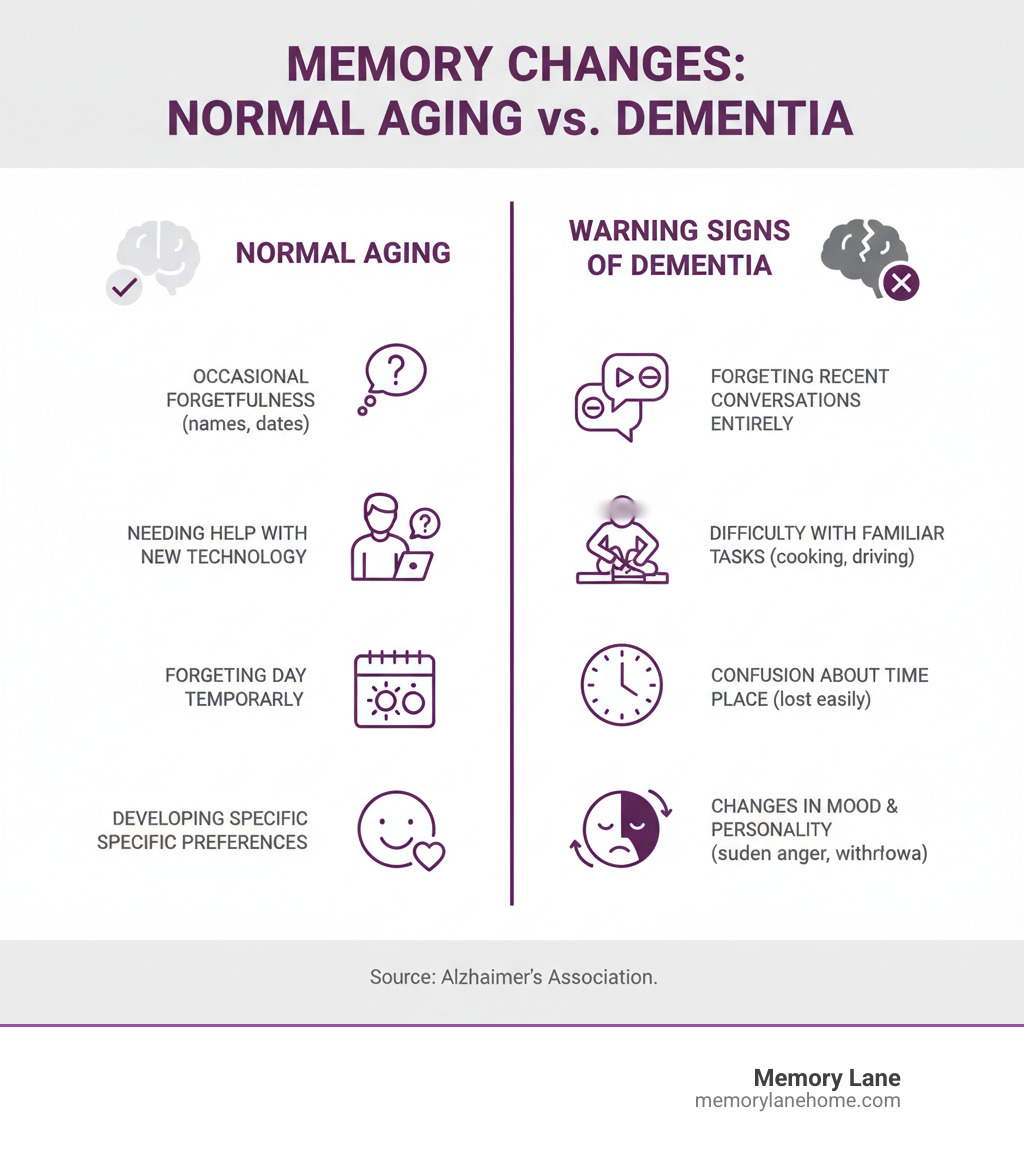
When a loved one starts forgetting recent conversations or struggling with familiar tasks, it’s natural to feel worried. The good news is that Ann Arbor offers comprehensive memory care resources, and a memory care clinic ann arbor michigan can provide the answers you need. These specialized clinics take a team approach, with neurologists, neuropsychologists, and social workers working together to create a complete picture of your loved one’s cognitive health. This comprehensive workup is essential, as an accurate diagnosis is the foundation for all future care.
What Types of Memory Disorders Are Treated?
Not all memory loss is the same. Understanding the specific type of cognitive impairment helps doctors create the most effective treatment plan.
Alzheimer’s disease is the most common form of dementia. It starts with recent memory loss and progresses to affect reasoning, language, and daily functioning. Leading research centers are constantly working to better understand and treat this complex condition.
Lewy body dementia involves abnormal protein deposits in the brain. It causes fluctuating attention, visual hallucinations, and movement problems similar to Parkinson’s disease. Specialized initiatives at local research centers focus on advancing care for individuals with this challenging diagnosis.
Frontotemporal dementia affects the front and sides of the brain, causing significant changes in personality, behavior, and language. It often strikes people at a younger age than typical Alzheimer’s patients.
Vascular cognitive impairment happens when strokes or reduced blood flow damage brain tissue. The decline often occurs in noticeable steps, and managing cardiovascular risk is key to slowing its progression.
Mild Cognitive Impairment (MCI) is a condition where people have noticeable memory problems but can still manage daily activities. Early identification is crucial as it may help delay progression to more serious conditions.
For more information about how different types of dementia are managed, visit our Dementia Care Services page. If your loved one has been diagnosed with Alzheimer’s specifically, our Alzheimer’s Care services provide specialized support.
Diagnostic Methods Used in Ann Arbor Memory Care Clinics
Walking into a memory care clinic ann arbor michigan can feel overwhelming, but understanding the process helps. The diagnostic process starts with a physical and neurological exam and laboratory testing. Doctors check reflexes and coordination while blood work helps rule out treatable conditions that can mimic dementia, such as vitamin deficiencies or infections.
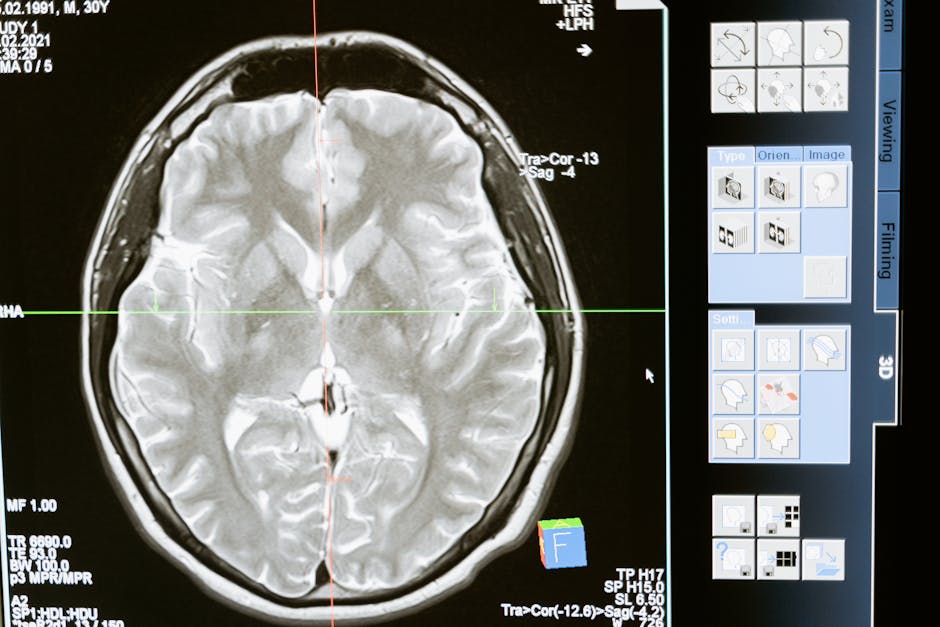
Brain imaging provides a window into the skull. MRI and CT scans show brain structure, helping doctors spot strokes, tumors, or shrinkage patterns associated with different dementias. Some advanced Ann Arbor clinics offer imaging such as SPECT scans and DaTscan™, which can diagnose specific dementias with remarkable accuracy.
Neuropsychological testing digs deep into cognitive function, examining memory, attention, language, and problem-solving. The results pinpoint which functions are affected and establish a baseline to track changes over time.
Perhaps most importantly, clinics gather a detailed patient history from the individual and family. Information about when symptoms started, their progression, medications, and family history provides crucial clues that tests alone can’t reveal.
Before your appointment, prepare a list of questions and specific examples of concerning behaviors. Open communication is key to a productive consultation.
The Role of Specialists in a Memory Care Clinic Ann Arbor Michigan
A memory care clinic ann arbor michigan provides a multidisciplinary team of professionals, which is essential for the comprehensive, coordinated care that memory disorders demand. This patient-centered approach keeps your loved one at the center of every decision, building treatment plans around their individual needs and goals. Family involvement is actively encouraged, making you a vital part of the care team.

The Role of Neurologists and Memory Care Experts
Neurologists and memory care physicians are the brain specialists on the team. Their primary roles include:
- Diagnosing underlying causes: They use their expertise to distinguish between different types of dementia, which can often present with similar symptoms.
- Assessing cognitive function: They interpret clinical evaluations and neuropsychological test results to create a clear picture of affected abilities.
- Tracking disease progression: Through regular follow-ups, they monitor changes over time.
- Informing therapy adjustments: Based on ongoing assessment, they modify medications and recommend new therapies to adapt to the evolving condition.
For families dealing with an Alzheimer’s diagnosis specifically, specialized expertise makes all the difference. You can find more info about our specialized Alzheimers Care to understand how targeted approaches benefit your loved one.
The Support Team: Nurses, Social Workers, and Caregivers
While neurologists provide medical expertise, the broader support team ensures care extends into daily life:
- Nurse practitioners often act as the primary point of contact, coordinating care, managing medical needs, and answering family questions.
- Social workers address practical challenges like financial concerns and legal planning, connecting families to essential resources like the Alzheimer’s Association.
- Caregivers, both professional and family, are the heart of memory care, implementing daily plans and providing emotional support.
- Pharmacists work with the team to ensure medication safety and prevent harmful drug interactions, a crucial role for patients often taking multiple medications.
Common Treatment and Management Approaches
While there is no cure for many memory disorders, proper treatment and management can make a significant difference. A holistic approach can slow disease progression, ease symptoms, and improve daily life by focusing on the whole person—medically, emotionally, and socially.
Medication and Therapeutic Management
A memory care clinic ann arbor michigan often combines medication with non-pharmacological therapies. Medications for cognition may slow the progression of memory loss, while symptom relief drugs can help with anxiety, depression, or sleep issues. Careful medication management by the medical team and pharmacists is crucial to ensure safety and effectiveness.
Non-pharmacological therapies are vital for keeping the brain active and lifting spirits. These include:
- Art therapy, which allows for self-expression when words are difficult.
- Music therapy, which can evoke memories and create a sense of calm and happiness. As noted by experts at the Cleveland Clinic, staying mentally active can help build new brain connections.
- Reminiscence therapy, which involves sharing stories to boost self-esteem and social connection.
Addressing Behavioral and Mood Changes
Behavioral and mood changes like agitation or confusion are often a form of communication, not intentional acts. Our approach focuses on understanding the root cause and responding with compassion:
- Managing agitation: We identify triggers, create a calm space, and gently redirect focus.
- Addressing confusion: We use clear communication and maintain steady daily routines to reduce disorientation.
- Creating structured routines: Predictability provides a sense of safety and lowers anxiety.
- Compassionate communication: Caregivers use kindness, patience, and positive body language to connect.
- Creating a safe environment: We ensure both physical safety and an emotionally supportive atmosphere where residents feel respected.
At Memory Lane, we truly care about More info about creating comfort in Memory Care Homes, making sure our home feels peaceful and supportive for everyone.
Navigating Care Options: From Clinics to Residential Living
After a diagnosis, families in Ann Arbor begin planning for future needs, exploring care options to ensure a seamless continuum of care. The transition from a memory care clinic ann arbor michigan to a residential community is a significant step, but understanding what to look for can make the process smoother. When evaluating memory care communities, several key features are important to consider.
Key Features of Ann Arbor Memory Care Clinics and Communities
High-quality memory care, whether in a clinic or residential community, is defined by certain cornerstone features:
- Secure environments: Vital for residents prone to wandering, these spaces provide safety without feeling restrictive, often including secure outdoor areas. At Memory Lane, our homes are designed to be safe and engaging.
- 24/7 supervision: Trained staff are always available to assist with daily needs, offer support, and respond to emergencies, ensuring consistent, expert care.
- Personalized care plans: Great communities create individualized plans based on each resident’s history, hobbies, and diagnosis, ensuring respectful and custom support.
- Engaging activities: Thoughtfully designed programs like cognitive workouts and social programs stimulate the mind and body. At Memory Lane, we focus on therapeutic activities that make a difference.
- Nutritious dining: Well-balanced, delicious meals, with dietary modifications available, are key to health. Family-style dining, like in Memory Lane’s homes, makes meals a social, comforting experience.
We are incredibly proud to offer More info about our Memory Care Services that embody all these wonderful principles, creating a supportive and enriching environment.
Costs and Payment for a Memory Care Clinic in Ann Arbor Michigan
Understanding the financial side of memory care is a key concern. Costs for a memory care clinic ann arbor michigan or residential community vary based on the level of care and services.
- Average monthly costs for memory care assisted living typically range from $4,000 to $7,000, covering housing, meals, personal care, medication management, and activities.
- Some facilities, like Memory Lane, offer all-inclusive pricing to provide financial predictability and peace of mind.
- Costs are often covered through private pay options like personal funds or savings.
- The MI Choice Waiver program may provide financial assistance for services (not room and board) for those who qualify.
- A long-term care insurance policy can significantly offset the costs of memory care.
For a deeper dive into financial planning and to explore these options further, please check out More info about Affordable Memory Care Facilities.
Frequently Asked Questions about Memory Care in Ann Arbor
Navigating memory care decisions can be overwhelming. Here are answers to some of the most common questions we hear from families in the Ann Arbor area.
What is the difference between a memory care clinic and a memory care community?
A memory care clinic ann arbor michigan is a medical facility focused on diagnosis and treatment planning. Here, specialists conduct evaluations like brain scans and cognitive testing to determine the type of dementia and create a medical plan. It’s for outpatient appointments, not residential living.
A memory care community, like Memory Lane in nearby Ypsilanti, is a residential home where individuals with dementia live. It provides 24/7 specialized support, including help with daily activities, medication management, engaging programs, and a secure, home-like environment.
In short: the clinic diagnoses and prescribes, while the community provides the daily living support and specialized care.
How do I choose the right memory care for my loved one?
Choosing the right care is a crucial decision. Here’s what to consider:
- Assess specific needs: Evaluate your loved one’s stage of dementia, required daily assistance, and any behavioral challenges.
- Evaluate staff: Ask about staff-to-resident ratios and specialized dementia training. Low ratios, like Memory Lane’s 1:3 during the day, allow for more personalized attention.
- Observe the environment: Visit the community and look for active resident engagement and warm, patient staff interactions. Trust your gut feeling about the atmosphere.
- Review safety features: Check for secure entrances, well-lit spaces, and clear emergency protocols.
- Ask about family involvement: A quality community will welcome family participation in care planning and provide regular updates.
What support is available for caregivers in Ann Arbor?
Caregiving for someone with dementia is challenging, but Ann Arbor offers excellent support resources.
- Support Groups: The Alzheimer’s Association is a great resource for finding local groups where you can share experiences with others who understand.
- Educational Programs: Local clinics and organizations offer workshops on dementia care, communication strategies, and caregiver self-care.
- Respite Care: Many communities offer short-term stays, providing you a necessary break while your loved one receives professional care.
- Counseling: Therapists specializing in dementia-related issues can help you steer the complex emotions of caregiving.
- National Resources: The Eldercare Locator can connect you with local services.
For more guidance, see our information on support for Alzheimers Caregivers. Taking care of yourself is essential to being able to care for your loved one.
Conclusion
Seeking answers for a loved one with memory changes takes courage. Fortunately, memory care clinic ann arbor michigan options and residential communities offer a comprehensive network of support for families at every stage of this journey.
Ann Arbor combines cutting-edge diagnosis with personalized, compassionate care. The focus is not just on managing symptoms but on honoring the person, preserving dignity, and finding moments of joy.
Finding a community that feels like home makes all the difference. At Memory Lane, we’ve built our philosophy around creating intimate, engaging environments where residents maintain their independence and sense of self. We focus on knowing each resident’s personality, from their favorite songs to their unique communication style.
The decision to seek help is never easy, but waiting doesn’t help. Early diagnosis can open doors to treatments that slow progression, and the right care environment can provide peace of mind for both you and your loved one.
You don’t have to figure this out alone. Ann Arbor’s network of specialists and support services are ready to walk alongside you. What matters is taking the next step—asking questions, gathering information, and finding the right fit for your family.
We’re here to help you find that peace of mind. Find expert Memory Care in Ann Arbor, Michigan today and find how the right support can change everything.